I’d got back into my house on Monday 25th May 2020. While it was nice to be back in my own home, rather than in temporary homes, I was still conscious that I should have been on the other side of the world! Also, I’d sold all my furniture, including beds, and car. Helen very kindly lent me a dining table and tv and I bought a fabulous inflatable king size bed which I thought would suffice as didn’t think the pandemic would last too long. However, it soon appeared obvious that wouldn’t be the case so I bought a proper bed in October and on 1st July bought a 13 year old Fiesta, with one previous owner and less than 60,000 miles on the clock.
During the first lockdown I’d got into an exercise routine of every other day doing an online workout with Annie (who’d qualified, after years of my encouragement, as a Personal Trainer) or finding one on YouTube; a long walk and took up yoga (yogawithadriene on YouTube). I also made a point of watching the daily Coronavirus bulletins from Downing Street. Although I normally hate routine it felt right and necessary to have one. I discovered places and footpaths I hadn’t known existed, took my camera with me posting on Facebook (much appreciated by my friends downunder) and gradually built up to walking 18 miles. At that stage we weren’t allowed to travel by car in order to exercise so it meant walking locally only.
A small selection of photos taken on walks (more on Facebook)
I bought a car when things had relaxed somewhat and we were able to travel. I enjoyed 2 trips to Annie’s and she visited me; was in Helen and Richard’s ‘bubble’ (single people being allowed to join another household) having first stayed with them so visited, met up and housesat for them when they went away for a few days. I met up with other friends and once non essential shops opened again went back to the Red Cross bookshop to volunteer. As a result the walks tailed off, the workouts with Annie lessened (although still once or twice a week) and I gave up yoga, blaming too many downward dogs on having caused a bad shoulder. It was great being in the bookshop again but there were only a few volunteers as some were shielding or too nervous to work. Despite my having several boxes of unread books (which had been locked away with other household goods in my attic room) I couldn’t help but buy more!
From the start of the first lockdown Caroline Young had started FaceTime Live videos of her reading children’s picture books, so many of them beautifully illustrated. This was fun as we’d all comment to her and each other, which could sometimes get a bit rude. Eventually she cut down on the readings until stopping all together as lockdown stopped.
Having sold my 30 year old bicycle, before going travelling, for a song I desperately needed another. During lockdown we were being encouraged to walk or cycle, rather than drive a car, which meant a dearth of bicycles. Some rusty old bikes were going for silly prices on eBay or Gumtree and the bicycle shops said they wouldn’t get any in for months. My friend Margaret offered me her bicycle (hardly used as she didn’t really take to cycling) which had been hanging up in the garage. She and Paul very kindly brought it over to me in June as I had no way, at that stage, of getting to them. It was the first time I’d seen them since leaving for Auckland. I got in touch with Eric (leader of the cycling group I used to belong to) and started to meet up with him once a week for some long cycle rides.
To write: Deaths – funerals; meeting up with squash girls;
Mini London trip
I’d booked a 3 night trip to London from 3 – 6 November with accommodation in Easyhotel Victoria and return coach travel for less than £100. However, on Saturday 31st October Boris announced Lockdown #2 to start on Thursday 5th November for four weeks until 2nd December. He had been resisting this wanting instead to continue with the tier system in place regionally (the highest being almost lockdown) but the ever increasing virus cases and deaths made it necessary. I decided it would be prudent to cancel the whole trip but thought I could just do one night, returning the evening before lockdown (much to the chagrin of a couple of friends!).
I was glad I did. On the coach to London there were only about 7 of us. There was just one man who spent the whole journey with his mask around his neck and talking loudly to his friend opposite, who respectfully wore his mask for the whole journey (at this stage it was law to wear face coverings on public transport). Strangely the unmasked man immediately put his mask on when he got off the coach!
I made my way straight to the Natural History Museum and managed to get a ticket for the ‘Wildlife Photographer of the Year’. It was very busy and difficult to socially distance (which I pointed out to a member of staff who then made an announcement) and there were two women with toddlers in pushchairs whose toddlers weren’t at all interested in the photographs and proceeded to scream. One of the mothers had to be told to keep the pushchair with het as she kept abandoning it, and its occupant, in the middle of the floor. It beats me why they allowed pushchairs and such young children in and it wasn’t the pleasant experience I’ve enjoyed in previous years.
Inside Natural History MuseumOutside Natural History MuseumHarrods
The next day I went to Tate Britain for ‘Turner and the modern world’ exhibition described: ‘How J.M.W. Turner broke with convention to pain the times in which he lived……a landmark exhibition’. I was a little early so sat on a bench overlooking the river and read my book for 30 minutes. It was a beautiful day. All the while I was there, a young woman was skipping in various ways (I think it would have been a fit rope that she had – all the rage). The exhibition was also busy but it was always possible to socially distance, moving to paintings that weren’t being looked at. I loved it although it was quite long (8 rooms) but hadn’t appreciated just how prolific a painter he was and the variety of scenes he captured. He certainly had a very full and interesting life and was well travelled. After the exhibition I walked the collection routes (one way, which is what is currently happening in museums, galleries and National Trust houses) from 1545 to the present.
My return coach left Victoria Coach Station at 6pm and was due in Cheltenham at 9.15pm, however it took at least 2 hours to get out of London which was gridlocked – I assume people were leaving to spend lockdown in their second homes! Despite that we arrived in Cheltenham one hour later than scheduled so not too bad.
Lockdown #2 Thursday 5th November – Wednesday 2nd December 2020
I regret not having kept a diary of events during the first lockdown so decided to keep one for this second one as, this time, we have an end date, although it could still be extended…
Day 1: Despite getting to bed late last night I met up with Eric as planned for a cycle ride as it was such a lovely day. We took our own lunch, cycled to Bredon sitting by the river there (we’d done this on an earlier trip) and then to Tewkesbury picking up a cup of tea and cake (no sitting in allowed in cafes at this stage, just takeaways) and sitting by the river there. We clocked up 54km so not too shabby! Good news was that my friend Jill’s daughter had a baby boy this afternoon who they named Freddie Jack (wonder why they didn’t call him Guy, being born on Guy Fawkes’ day!)
Day 2: Having not done a long walk since first lockdown (I’d been having problems with my back and thighs which made long walks difficult) and another lovely day I did a 9 mile walk to one of my previous haunts, Leckhampton Hill. I spotted a swing, which hadn’t been there before, which turned out to be a pop up swing and one of many places by an organisation. I couldn’t help myself and a man offered to take my photo. He said he’d just taken a photo of a man on bended knee proposing to his girlfriend. Another lovely day
Day 3: Not such an interesting day but did start off with a nice online workout with Annie and Graham, then a wander to the shops for ‘essential shopping’ and some much needed clearing up in the garden. Saturday evening and ‘Strictly Come Dancing’. I’d given up on it 2 years ago but this year it’s just what’s needed!
Day 4: Remembrance Sunday. The full parade in London was cancelled for the first time in its history although the Queen and the usual suspects were still placing their wreaths at the Cenotaph and there were just 25 people marching. I’d last night watched a very scaled down version (no audience at all) of the usual annual concert from the Royal Albert Hall. It was suggested that we might stand for 2 minutes silence at 11am on our doorsteps this morning. I don’t know if anyone did in my road, but I didn’t. Had an online stability ball workout with Annie and Graham.
Day 5: Woke to the news that a vaccine has been developed that they think will prevent COVID-19 in 90% of people. Some good news amongst the negativity but with some caveats. Had originally planned to go cycling with Eric today but the forecast wasn’t great. However it turned out fine for the morning, but I didn’t have time to meet up with him. Spent all day at home mainly reading a book (well I’ve got several boxes of books to get through!)
Day 6: Apparently the UK has ordered 40 million doses of the vaccine (enough for 20 million people as each had to have 2 doses). The first to get them will be care home residents, the staff and NHS workers. Felt guilty about not doing any exercise yesterday so, after watching Caroline’s FaceTime Live video reading a children’s Christmas story (with beautiful illustrations by Julie Veras) I went off for a walk. Honeybourne Line to Pittville Park, Cox’s Meadow (a first visit for me in nearly 14 years of living in Cheltenham!) Bath Road for some ‘essentials’ from Sainsbury’s and home.
Day 7: Had an online workout with Annie and then did a brisk walk along the Honeybourne line to meet Wendy (fellow Red X bookshop volunteer) in Pittville Park 50 minutes later. It was good to have a catch-up with her and a hot chocolate as we ambled around both sides of the Park. We’re allowed to meet up with one person outside.
Day 8: Met Eric for a cycle ride using cycle route 41 (which goes all the way to Bristol) to Gloucester. We stopped for a takeaway tea and croissant in the docks and enjoyed the sunshine. Back a different way. It was, pleasingly, a non hilly day!
Day 9: (Friday 13th!) I did a brisk walk, a very long way round, to pick up my repeat prescription. Back home for lunch then got into the car to go to Aldi but the battery was dead. Called the RAC and, 6 hours later, they arrived leaving me £110 lighter – the cost of a new battery.
Day 10: Nothing much today except an Aldi shop and ‘Strictly’ to enjoy in the evening.
Day 11: After an online workout with Annie I met up with Monica, not having seen her for several weeks, for a socially distanced catch up in Montpellier and Imperial Gardens with a takeaway hot chocolate. Good news today that a second vaccine will be available which trials found to be 95% effective.
Day 12: Cycling with Eric to Tewkesbury, sitting by the river with tea and cake. Managed 54 km today.
Day 13: A grey day but no rain. Walked to Leckhampton Hill but did it the other way round for a change! Nearly talked myself out of going on the way, but glad I did in the end. Later had a short walk with Malcolm (a neighbour), in our local parks, and a catch up over a takeaway drink.
Day 14: Online workout with Annie and Graham. Graham’s sister, Bev, has been joining in. A rainy day so pottered about and made some cheese scones and soup.
Day 15: A wonderful, if hard, day’s cycling with Eric to Evesham (77km in all). A chilly but sunny day. As we were locking up the bikes to go to Gregg’s for a takeaway cuppa (slice of pizza for Eric and vegan sausage roll for me) we were approached by a man who asked if he could take our photo in order to sketch us. By the time I got home he’d emailed it. He’s captured me (and my thunder thighs vert well) not Eric so well though.
Day 16: First Cinnamon Trust assignment. Wet
Day 17: Spent the morning in the bookshop with Wendy
Day 18: Online workout with Annie etc, read and did some gardening
Day 19: cycling with Eric – Deerhurst Church, St George’s Bakery Corse for past and cuppa, lovely ride along ridge in Maisemore to Gloucester Docks for one of Eric’s teas and back via Sandhurst Lane and Down Hatherley. We heard the official news from Boris that 3 households can mix over Christmas between 23 – 27 December
Day 20 Beast of a workout in the morning before taking car for winter service
Day 21: Working in the bookshop with Wendy sorting Christmas displays, to later be joined by Jon, Judy and Kath. Good fun and got lots done. Head in my book later and a nice chat with Nicki
Day 22: Cycling, long way to Tewkesbury. Very cold, but sunny on way back. We found out that the majority of the country will be in tier 2 from Wednesday (end of this lockdown), but some anger from those in tier 3.
Day 23: I actually did some housework today
Day 24: Working in the bookshop this morning with Wendy, Jon, Nola, Heather, Kath and Judy. As I was nearly home I bumped into Peter Clegg, who I hadn’t seen since long before I went travelling. He was going for a walk so I joined him and had a good catch up. It was good to see him. Enjoyed ‘Strictly Come Dancing’ this evening – so joyful.
Day 25: Worked in the bookshop this morning with just Wendy and Jon. All looking very good…that won’t last!
Day 26: met up with Helen and walked along the Stroud Canal. Lunch Stonehouse
Day 27: The last day of second lockdown. A lovely day. Cycled with Eric to Upton upon Severn. Pasty and tea by the river. A couple carried a dog to sit by the river for a while and asked Eric to take a picture of them saying they were going to take their dog to be put down. That brought a tear to my eye. 60km in total today and I didn’t feel tired. Cycling two days a week is certainly helping.
I’d only briefly seen Deb, my Airbnb host in Prospect (a prosperous residential area in the north of Adelaide) when I arrived evening of Tuesday 25 February. I thought I had a private bathroom – but got that wrong – however my room was quite large with a huge comfy bed, TV, armchair and large desk. It’s never been a problem so far sharing a bathroom but is always a luxury to have an en suite.
The next morning (26th) I had a bit of a chat with Deb before she went to work. She works as a customer service assistant in the police station, taking the pressure off the police by answering the phone, reporting thefts and car accidents etc. She’d got back last night from work at 9.30pm and started again at 9.30am. At the moment there’s another Airbnb guest, Hasham, Indian, studying for a Masters in Construction at Adelaide University. He has a few cultural issues that don’t fit in here such as putting used toilet paper in a bin, showering for ever and soaking the floor mat and floor (which I usually end up wiping and hanging the mat out on the line) and spending ages in the toilet coughing up phlegm, which rather put me off my breakfast. But apart from those unpleasantries he’s a nice chap, respectful and intelligent. He must come from a wealthy family to be able to afford to study in Oz and pay the rent, which compared with Indian rents must be exorbitant.
I went off to the local supermarket and a good fruit and veg shop to get some supplies. Not all Airbnb hosts will allow use of their kitchen to cook, sometimes just the microwave, but Deb does, although I decided to keep things easy with salads and some ready made meals. As it was my first day in Adelaide I walked into the centre in order to orientate myself. It took about an hour and was quite pleasant as the temperature wasn’t as high as originally forecast. I picked up brochures for all the festivals (Arts Festival – that I was turned down for as a volunteer, Fringe Festival which had already started, Writers’ Week – all of the events being free and Womadelaide). I popped to the tourist information office and got a Metrocard for the transport system. Along Randle Mall I saw this charming statue, which belonged to a group of pigs, called ‘A Day Out’ completed in 1999 by the artist Marguerite Derricourt:
I checked out Elder Park, where Tim Minchin’s free concert is to be held on Saturday (in celebration of the 60th anniversary of the Arts Festival) and the Pioneer Women’s Park opposite where all the Writers’ Week events are being held. I noticed, really for the first time on this trip, groups of Aboriginal people on the streets who shouted and each other and were the worse for wear as a result of the alcohol they were consuming. Sadly, alcoholism is a major problem for them. I popped into a pub on East Terrace for a ‘happy hour’ beer until 5pm when the parks opposite (renamed The Garden of Unearthly Delights and Gluttony during the Fringe) opened their gates for Fringe events, which is where most of them take place. I had a quick look around them before getting a 235 bus back ‘home’.
I had a bit of a chat with Deb in the evening and she kindly gave me a glass of white wine. She’d unfortunately had a minor car accident when a girl driving the car behind her bumped into her when traffic braked suddenly. She didn’t seem overly bothered. She told me she’d been born in Birkenhead, England and brought by her parents to Australia when she was 6. She recently celebrated her 60th birthday and has two daughters. Not sure what’s happened to her husband and I have diplomatically not asked yet (I later found out he’d had an affair and she divorced him). She loves her job but told me that, should she have to give up her current job she’d like to train as a barista (not barrister) because she likes people and coffee. She’d done a lot of travelling and is planning her next trip to Europe to include England and Portugal. Her house is a lovely heritage house, quite large – one floor with four bedrooms (one hers with an en suite and the others all rented out via Airbnb). There’s a lot of interesting art.
On Thursday 27th I decided to stay ‘at home’ writing and padding out my blog mainly and checking the festival programmes in order to book a few tickets. I doubt I’ll go to anything much at the Arts Festival as most events are horrendously expensive apart from a couple of things. The fringe events are much more accessible price-wise. I just went out for an hour’s walk for a break, checked out the local library and bought a bottle of wine for tomorrow night. Deb went out with friends to a fringe event.
Friday 28th I decided to go to the Art Gallery. As I walked along Rundle Street (one of the main central shopping streets) I noticed that a large ‘Dolls’ House’ that was being constructed on Wednesday and part of the Arts Festival was now open and there was a small queue. I went in but wasn’t overly impressed, but guess it’s different and might appeal more to children:
This was specially commissioned for the festival. It was designed by Japanese artist Tatzu Nishi who has been ‘transforming public spaces in jaw-dropping ways across the world since 2000’. Apparently this dolls house has been created once before outside the Palau’s de Tokyo art museum in Paris.
Then I had a meander around the war memorials en route to the Art Gallery:
I was rather impressed by a University building, the Mitchell building, opened in 1881 designed by William McMinn. The University of Adelaide was founded in 1874 and operated out of rented premises until this building was completed. It’s built in the Gothic style and has a grand staircase and mezzanine landing, stained glass windows, arches and a hammer beam roof (although I couldn’t go inside to see for myself as this was what I read outside!). The stone used is quite common around Adelaide:
I had an extremely enjoyable few hours in the art gallery: the Art Gallery of South Australia to give it its correct title. Each room was themed which incorporated a mix of old and new art, indigenous, Australian and European. There were a few Rodin sculptures and a Barbara Hepworth. I was surprised to see a man reading aloud in one room and it turned out he was Mike Parr, a leading artist whose work includes performance, drawings, print, sculpture and photographs. On this occasion he was on the first day of a six-day duration reading, testing the limits of his voice, stamina and body. He was reading the same page over and over. I had to ask myself, why?! and it got very tedious, I could almost recite it myself:
Some artwork that drew my attention:
Top row,left: background sculpture: ‘Buck with Cigar, by Mark Quinn, born Britain 1964 and ‘Pierre de Wissant, monumental Nude’ by August Rodin; right: the frames of these interested me. Middle row left: interesting leatherworked frame, right: ‘A ti-tree glade’ by Frederick McCubbin; Bottom row, left: ‘A break away!’ by Tom Roberts, born Britain, died Oz, middle: ‘Butcher’s shop diorama’ c. 1850, England, right: ‘A billabong in the Goulburn Valley, Victoria, Australia’ by H.J. Johnstone (born Birmingham 1835, died London 1907)
Top row, l-r: ‘Motherhood’ by George Coates, metal sculpture of found objects by Robert Klippel, ‘Quercus robur/oak’ by Fiona Hall; Middle row, l-r: ‘Capsicum annuum/chilli’ by Fiona Hall, ‘Hilda welcomed’ by Stanley Spencer, skeleton made of wood by ?; bottom L: ‘Why be born a slave?’ by Jean-Baptist’s Carpeux, r: ‘Twin-subjecter’ by Thomas Hirschhorn Top: ‘Campagne Orovida, the laurustinus’ by Lucien Pissarro, bottom: ‘Prairie a Eragny’ by Camille Pissarro
I’d been invited to dinner by Chris, my good friend Helen’s sister, who lives in Adelaide and at 6pm her husband, Alan, picked me up as it was a fair distance to their home and complicated by bus – several buses in fact. Chris looked just like an older version of Helen (11 years older) and we got on immediately as Helen said we would. It was lovely having ‘real food’ – salmon, roasted vegetables and salsa followed by a nice fruit pudding washed down with some decent red wine. We had a nice chat and I used Uber for the very first time to go back ‘home’.
Saturday 29th was the first day of six of Adelaide Writers’ Week: the literary part of the Adelaide Festival with all events free and in the evening there was a free concert by Tim Minchin to celebrate the 60th anniversary of the Festival.
The events were held in Pioneer Women’s Memorial Garden, handily opposite Elder Park where the Tim Minchin concert was to be so I figured I could keep an eye on how the queue was going and join it early. There were two main stages for the literary events, west and east, in the open air under trees with some blue triangular canvas pieces strung across to give some shade. It was no problem getting a seat although I’d expected it would be given that it was all free but there’s so much going on (this, the fringe, the arts festival and next weekend Womadelaide) that I expect people have lots of choices. The locals call this period in Adelaide ‘Mad March’.
I tried to pick events mainly on Australian authors or issues. I decided to take notes for future reference which I’m including here which could be dull for some readers! Australia is now paying its respects and homage to the indigenous people, recognising how poorly they’ve been treated, and before every single event the interviewer would read out something like the following: “We acknowledge the Kaurna People of the Adelaide Plains, the Traditional Owners of the lands upon which the Festival takes place, and we pay our respects to Elders past and present”. This at times seemed like tokenism, some chairs clearly hadn’t rehearsed it but others put it across in their own words as if they meant it. I couldn’t help but think that it could just have been said once a day and/or a notice displayed prominently with the words. It was also acknowledged that writers’ week was taking place in the Pioneer Women’s Garden – a tribute to the pioneer women of South Australia.
The first event I attended was on a book called ‘The Yield’ by an Australian author: Tara June Winch, described in the programme: ‘As Albert Gondiwindi’s (known as Poppy) family gathers to mourn his death, his returning granddaughter August is forced to confront past trauma, both personal and colonial. But she also discovers Poppy’s last big project, the chronicling of his life through the language of his people, the Wiradjuri. Tara June Winch burst on the literary scene with her dazzling debut ‘Swallow the Air’. Her stunning new novel, ‘The Yield’ – sad and angry, wise and uplifting – documents both the power of indigenous language and, uniquely, the language itself’
This event was chaired by Angela Savage and I found it fascinating. Tara had a white mother and Aboriginal father. Her father was taken from his family when he was 3 (part of the ‘Stolen Generations’), and she wrote this book as a gift to him using his native language (although I thought to myself that he probably wouldn’t have remembered that language). She worked with a linguist and was mentored by a Nigerian Nobel laureate (didn’t catch his name and there have been several). Poppy, in the book, is one of the narrative voices who is a mix of her father and grandfather. She uses the dictionary as a vehicle for telling Poppy’s story and read a passage out which I thought was very clever.
The next I went to was ‘A ladder to the sky’ by John Boyne, an Irish author, who wrote ‘The boy in the striped pyjamas’. Chaired by Nicole Abadee who was very good. I’d heard the author speak before and had enjoyed him. This novel is about a young man called Maurice who wants to be a writer. He’s a charming sociopath who meets an older writer called Erich who is captivated by him and pays for him to accompany him on his travels first class. Maurice is using him. He gets to have dinner with Gore Vidal who sees through him. The book is “a savagely comic exploration of art and morality that asks “To whom does a story belong?” His book ‘The hearts of visible furies’ is the one most people tell him they enjoyed. He told us he saw a section in a bookshop in Sydney called ‘Plotless Novels’ – currently a trendy genre! Authors he likes are Ann Tyler, Sarah Waters, Rose Tremain, John Irving – all good storytellers and ones I like too.
The third event I attended was ‘Addressing modern slavery’ a book written jointly by Martin Boersma and Justine Nolan. Chair: Rick Sartre. Modern slavery includes control, forced labour, trafficking, debt bondage. There are now around 40 million people enslaved, 16 million of whom are working in the global economy. An Australian businessman, Andrew ‘Twiggy’ Forrest called on the Federal government of Australia to survey the extent of modern slavery in Oz. He founded the ‘Walk Free’ initiative in 2010 to work towards ending modern slavery in all its forms. There’s a ‘Good on you’ app in Oz that gives ethical brand ratings.
My final event was ‘An Orchestra of minorities’ by Chigozie Obiama described in the programme: “After being shortlisted for the Booker with his debut novel, ‘The Fishermen’ Chigozie Obiama impressively did the same with his next, ‘An Orchestra of Minorities’. In this tragicomic recasting of ‘The Odyssey’, humble chicken farmer Chinoso risks all for love, suffering vast and vicious indignities in his quest to win approval from his fiancé’s horrified family. Narrated by Chinoso’s ‘chi’, or guardian spirit, ‘An Orchestra….’ audaciously weaves ancestral knowledge through this epic contemporary tale of the turmoil of the downtrodden”.
This was chaired very well by Linda Jalvin. Chigozie is Asst Professor of Literature at the University of Nebraska, Lincoln. He always said he’d write a cosmological novel for Africa – inspired by having read ‘Paradise Lost’ and Dante’s ‘Inferno’. In Nigeria it’s believed that people have a chi, or guardian spirit, before they’re born and at the end of their lives. He said that so many things were destroyed in the psyche of the African when the West colonised – such as religion and beliefs. It was believed that a person who disagrees with their guardian spirit went insane. The novel is inspired by a true story.
All these events had been really interesting but after the last one I popped over the road to see if a queue had started forming for the Tim Minchin concert. It had, but there were only 3 people in it so I decided to join them and sat in the shade with a young woman called Megan Doherty. It was only about 2.30pm and the concert was due to start at 8pm with gates opening 4 or 5pm. I got talking to Megan who was a musical theatre actress so we discussed the shows she’d been in and I told her some of the shows the Cotswold Savoyards had done. It turned out she loved Gilbert and Sullivan and was very familiar with Sondheim and many other shows the Savs’ had staged. She did her degree at Ballarat, apparently a good place for theatre and the arts and somewhere I’ve been recommended to visit before.
Once the gates opened we got a place on the grass not too far from the stage. Her father Paul and friend (clearly in musical theatre too) Brenton joined us. It seemed forever before the concert started which began with an Aboriginal ceremony with the two directors of the Festival and some dancing before Tim appeared. He’s been touring with his amazing band (guitarist, percussionist, drummer, Bass saxophonist, trumpeter and trombonist) in ‘Upright’. I was, as always, astounded by his piano playing. He sang a few songs, including ‘Ginger’ and at one point forgot the words to one song, which didn’t surprise me as they are all so wordy, but we didn’t care and he made fun of it. His encore was ‘When I grow up’ from his musical ‘Matilda’ accompanied by fireworks, which made a nice change from the 1812 overture! I walked back ‘home’ having had a fabulous evening.
Yours truly, Brenton, Megan and her dad Paul
l-r: waiting for the concert, the Oval from the concert grounds and Tim Minchin in full flow
On Sunday 1st March I attended 7 events, the maximum! The first was ‘A woman like her: the short life of Qandeel Baloch’ by Sanam Maher and chaired, not very well, by Deb Whitmont who basically read from her notes. “Qandeel Baloch grew up in rural Pakistan in a conservative Muslim family, making her an unlikely social media star – her country’s first. In July 2016 the woman dubbed the Pakistani Kim Kardashian was murdered by her brother, another victim of a misnamed “Honour Killing”. Sanam Maher’s account of Qandeel’s short life transcends her tragic death to become an illuminating and important investigation into Pakistan’s class, gender and sexual mores, and the impact of social media on a country struggling with its contemporary identity”.
Sanam said that Pakistani people had never seen women behaving as Qandeel did, who posted that she had crushes on people. They had never seen a Pakistani woman seeking attention in this way before. There was a lot of outrage and hateful comments on social media. Her brother murdered her as said she had brought shame on the family. It was horrifying to see the reactions to her murder – people were saying they were glad they didn’t have to see her any more and that she got what she deserved. These reactions made the author question how they had got to that point and was looking into the questions: “what does it mean to be famous?” and “what does it mean to go viral?”. Before she was murdered Qandeel got rape threats and death threats but didn’t back down. She saw social media fame as allowing her to get opportunities as she wanted to be an actress and singer. She got invited onto TV shows and became political.
She posted a ‘Valentine’s day’ video and the President said it wasn’t what a Muslim should do. She challenged this, saying she could do it if she wanted and that politicians were corrupt. The reactions she got made her question her followers who had double standards. They were watching her videos, then posting hateful comments so why were they watching them? She was constantly upping the ante after the Valentine’s video. She did become an actress.
Qandeel came from a very poor background: she was one of 13 children. She said the internet was a place of equality. She was invited as a guest onto a talk show, another guest being a well known cleric who was often on TV. They hit it off on the show and she met up later with him in his hotel room in Karachi. She posted on Twitter that he’d behaved inappropriately with her and there was a photo of him appearing dishevelled. She got a lot of support, people saying the clergy were hypocrites and the cleric became a national joke. This also opened her up to outrage from people who supported the cleric. A picture of her passport photo was posted which had a different name from the name she’d been using. Details given were that she had been married off when she was 16, had an abusive marriage, had a child who she left with her husband. People then started passing judgement on her family, asking if her brothers found it shameful as they accepted her money but should do something about it. She had a lot of support from young people. Her brother was imprisoned for life for her murder.
Legislation changed after Qandeel’s murder. Previously the family of the victim could forgive the perpetrator and that would be that. Now they can only save the perpetrator from the death penalty. After her death a TV series was made of Qandeel’s life but was not very accurate. Not a book I will be buying or reading.
The next event was not as listed but was ‘Diving into glass’ by Caro Llewelyn, and very interesting. Caro read from the beginning of the book which talked about how she’d always run but one day was running in Central Park, didn’t feel quite right and discovered she’d wet herself. She eventually got diagnosed with MS. The book is a memoir, mostly about her father who was struck down with polio aged 20 when he was in the Navy. He went on to lead an extraordinary life and was very positive despite being 95% paralysed. Instead of thinking “Why me?” he thought “Why not me?”and thought it would be an interesting life from then on, He was one of the last cases of polio before a vaccine came into use. He never pitied himself. He had 2 marriages and 4 children. Caro’s mum was his nurse when he was in hospital for a year. Her parents opened a store which was a mixed business of a library, book exchange and dry cleaning. People started telling him that they had a room to rent so they set up and ran a very successful letting agency. They opened Llewelyn Galleries and another. He went on to work for the government.
Originally the art gallery was run from their home so people could come to them. It worked very well so they built a purpose built gallery in the back yard which became the most successful gallery in South Australia. Caro felt she should lead an adventurous life like her father had and now she has MS is trying not to be limited by her circumstances. She became a mother aged 24 with a man 15 years her senior. The relationship only lasted a year. Her son, Jack, is now 31. Caro’s dad used to read to her all the time. Her mum became a poet and took her to the Adelaide Festival. Caro worked at Random House, became artistic director of the Sydney Writers’ Festival and worked with Salman Rushdie for 4 years in New York on the Penn Festival – mainly focussing on books in translation. She saw on a card “Leap and the net will appear” – a mantra she uses. Caro was diagnosed with MS in 2009, 3 years after moving to New York. She’d been under a lot of stress with her job. This book certainly sounds like a worthwhile read, but won’t be at the top of the pile and, to be honest, I’ll probably never get to it.
The third event was quite an eye opener: ‘The way through the woods: mushrooming and mourning’ by Long Litt Woon, and Tory Shepherd was a good chair. “When Long Litt Woon’s husband of 32 years died suddenly at work at age 54 the world, as she knew it, ended. Stupefied by shock and grief, she first sought solace in familiar realms of healing like yoga and meditation but found it unexpectedly in mushrooming. ‘The way through the woods’ is a unique, informative, surprisingly funny and deeply affecting memoir of finding hope after despair. “I went into the forest and came out of my grief” Woon says”
Woon is an anthropologist living in Norway. One year after her husband died she enrolled on a ‘mushrooming for beginners’ course while she was still in a dark place. She describes the euphoria she felt on finding her first edible mushroom and had thought that feeling of happiness had gone. Trumarello is her favourite mushroom, which is expensive to buy so thrilling to find it in the wild.
Mushroomers have secret places where they’ve found mushrooms which they rarely disclose to others so she was excited when an elderly man showed her his secret porcini spot. The mushrooms weren’t big enough to pick so he put leaves and twigs over them to conceal them for later. When he returned to check on them there was a dead man lying on top. He did the decent thing and called the police!
There is a subculture in Mushrooms. What’s toxic in Norway may not be elsewhere. You can take an exam in Norway to become a certified mushroom expert which Long did and this was very important in her grieving process, it gave her a sense of direction. She found the society was not happy about magic mushrooms and they were never spoken about. However, she met a man who grew them and would give them to interested people. After her book was published she tried a small one and saw geometric patterns but got bored. She had an incredible feeling of someone loving her unconditionally. She didn’t try them again though. Micophobes: people who hate mushrooms, micomaniacs: people who love mushrooms. She would sometimes leave the forest with no mushrooms but still feel happy. There are 400 types of mushrooms in Central Park alone. Her mushroom society arranges trips to go elsewhere to search for mushrooms. The biggest mushroom is Humungous Funghus which is the size of several football fields! Mushrooms are very resilient and can grow in the desert.
Fourth event ‘Improvement’ by Joan Silber, an American novelist. Probably not a book I’ll read so I’m not writing about it and I left before the end.
Fifth event was ‘The Uluru Statement: where the bloody hell are we?’ With Megan Davis and Thomas Mayor chaired by Clare Wright, Professor of history at Latrobe University, Melbourne. “In May 2017, the ‘Uluru Statement from the Heart’ was released, a roadmap for Indigenous recognition in the Constitution that was the result of an unprecedented process of consultation by the Referendum Council, an organisation set up with bipartisan support. Despite hostility from the Federal Government, the Uluru Statement continues to garner strong support from Australians from all walks of life. Megan Davis and Thomas Mayor were integral to its development: they explain the process and the vital need for a Voice, Treaty and Truth”.
Megan Davis: Professor of Human Rights and Constitutional lawyer, University of New South Wales. Thomas Mayor, from the Torres Straits, now living in Darwin, spent 18 months travelling around all indigenous communities to promote the Statement. The Statement includes a painting, done after the conference, including the signatures of all participants at the conference. It’s an 18 page document including Australian history going way back before colonisation and is a very important constitutional document. Professor Davis read out the Statement at the Conference and everyone was in tears – tears of joy and hope. It was a profound moment. The Statement calls for a Voice, Treaty and Truth. Want it to be a constitutional norm that the State should consult the indigenous people before making laws about them. All chances of hope are being crushed by the politicians. They’ve got to rely on the Australian people, not the politicians to bring about the change. There was a 1967 Referendum……The Uluru Statement has been handled appallingly since which is why a ‘People’s Movement’ was started. Scott Morrison made a ‘Closing the Gap’ speech 2 weeks ago.
How can Australians help? By writing to politicians, setting up local groups – supporters of the Statement, social media. Look at website: ulurustatement.org which includes a reading list. Apparently the government is about to spend $50 million on another Captain Cook statue, there are already 110!
Next event was ‘Yellow Notebook: diaries vol 1, 1978-87’ by Helen Garner and chaired well by Annabelle Crabb. Again, this is probably not something I’ll read but Helen Garner is a well known, and seemingly well loved, Australian author.
She spoke about her novel ‘This house of grief’. She’s interested in the things that other people do. She read an article in the paper about a man driving his car with his 3 children into a dam, then getting out and hitching a lift home. She wondered what sort of person would do that and went to the trial to look at him and followed the trial. The book is about that. Her book ‘The First Stone’ got her into hot water as many people were enraged by it.
My final event today was ‘You will be safe here’ by Damian Barr, a Scottish author (from Glasgow). This was chaired by Sharon Davis. Described in the programme: “ ‘You will be safe here’ a promise twice made and twice broken in this harrowing, powerful debut novel from acclaimed author Damian Barr. Sarah is interned with her son in one of the world’s first concentration camps. A contemptuous stepfather dispatches young Wilhem to a brutal training camp to learn “to become a man”. Moving deftly between the Boer War and contemporary South Africa, ‘You will be safe here’ illuminates hidden cruelties – past and present – to explore the heartbreaking legacy of trauma’
As if I hadn’t been feeling guilty enough about what we British had done in NZ and Australia to the indigenous peoples I now learnt about atrocities committed by British soldiers during the Boer War. Damian Barr is a Journalist, writer, playwright. He got the idea about this book from a newspaper article about Raymond Boys, who reminded Damian of a boy who’d gone to his school from South Africa for a year and whom he’d had a crush on but then never heard from again. The article made him ask questions about South Africa and led him to the Boer War and to discover that history is repeating itself. Raymond had been sent to a military training camp but died. Apparently he had over 60 separate injuries on his body. Wilhem in the book is based on Raymond. The camps are still running and are for white boys who don’t fit into the Afrikaans idea of masculinity.
Damian wanted to understand why there were these camps and who ran them. It was believed the Boer War would be the end of white South Africa. The British enacted the ‘Scorched Earth’ policy which created a homeless nation of women and children ‘concentrated’ into camps (the first ‘concentration camps’ and where they got their name). There were white and black camps. People had to sign their allegiance to Queen Victoria and, if they did so would e.g. have all their property burnt but leaving them something such as a chimney so they could rebuild around it. If they didn’t sign everything would be burnt, their cattle killed and innards put in the well so the water was poisoned etc. Women and children in the camps had very small rations – equivalent of 18th of a can of condensed milk per child per week meaning they quickly died of starvation.
Damian came across Emily Hobhouse’s diaries in a museum in Bloemfontein. She heard about the camps and travelled from the UK to South Africa to see them for herself. She wrote down the accounts of the women and was much loved by South Africans. She wanted to understand the suffering of the people. Damian Barr spoke to Gillian Slovo who gave him the thumbs up for writing the book.
A book recommendation by him: ‘My traitor’s heart’ autobiography by Rian Malan, and a film recommendation: ‘Breaker Mordant’ an Australian folk hero.
Lots of Australians had fought in the Boer war and, during questions, a lady said that her father had fought in it (she didn’t look old enough) and had been told they were fighting for diamonds and for Queen and country. Damian was obviously keen to continue a conversation with the lady as he said the following day, at another event, that he’d gone for dinner with her that evening.
Monday 2nd March was another full day although I did struggle! The first was ‘Mining History’s Depths’ with Damian Barr (again) and Bart Van Es with chair, Anton Enus. “Damian Barr’s ‘You will be safe here’ is a heartbreaking novel that links two dark periods of South Africa’s history to examine trauma and its terrible echoes through time. Bart van Es delves deep into his family’s history to explore the Dutch response to Germany’s murderous Third Reich in his Costa award-winning ‘The Cut Out Girl’. Their meticulously researched, beautifully told stories tread lightly across sensitive truths, powerfully demonstrating history’s resonance across fiction and non-fiction’
I’d heard Bart van Es talk about this book before, at Hay or Cheltenham, but hadn’t realised initially. He’s Professor of English at Oxford. Damian hosts ‘The Literary Salon’ (check it out online). Van Es’s book about a young Jewish girl, Lean, hidden by his grandparents. When he saw a letter written by Lean’s mother asking them to take care of her he knew there was a story. Barr spoke about letters by women and children written during the Boer he’d seen at the Bloemfontein museum as transcribed by Hobhouse.
Van Es’s family had a row with Lean in the 1980s which is why he hadn’t met her. She was in his parents’ wedding photos. His mother had secretly kept in touch with her and gave Van Es her address. The book is called ‘Cut out girl’ as no one in the family wanted to talk to her. He met her and quickly felt a deep connection with her. She had an archive of letters. He visited all 9 houses where she had been hidden from the Nazis who occupied the Netherlands. She’s now 86 and travelled with him on a book tour. She doesn’t want to be defined by her past. She’s had a lot of counselling and visited Auchwitz and has come to terms with what happened.
Second event was very harrowing, emotional and eye opening: ‘First, they erased our name: a Rohingya speaks’ by Habiburahman, now living in Australia. Described in the programme: ‘ “This is my chance to speak for my people, who continue to suffer, but who are voiceless”. Rohingya Habiburahman was 3 yrs old when the Burmese Government declared his people were not part of the country’s “recognised races”. Overnight he became stateless in his own country and the Rohingya have suffered extreme and brutal persecution ever since. This book is an urgent, first-hand account of genocide in motion – the heartbreaking personal story behind a vicious campaign of oppression and humanitarian crisis”.
This was chaired by Alice Peng who told us half her family had been killed in Cambodia under Pol Pot. Habiburahman spoke passionately. He wrote the book while in detention in Darwin. He was born in 1979 in Myanmar. He fled first to neighbouring SE Asia in 2009 and to Oz by boat spending 18 months in detention centre in Darwin. He now lives in Melbourne.
The book starts when he’s 3. When he’s older he states “I’m 15 years old and I wonder if I’ll ever reach adulthood or be murdered” – a memorable line in the book. The Rohingya people had to get permission from various authorities to study, keep chickens, grow vegetables etc. His family home was seized when he was young and when 8, that home was taken to be knocked down and military toilets installed. Rohingya people have been driven in their thousands to Bangladesh since before the events in 2017 that made headline news. They were called by a name meaning ‘sub human’. About 90% of Rohingya people are illiterate because they haven’t been allowed to study.
Habiburahman spent 20 years in a Malaysian detention centre, in and out. He joined many protest groups and was told he’d be locked up for his activities so decided to get a boat to Oz. There was an International Court of Justice ruling in January 2020 – Myanmar opposing the ruling, also China…Australia still maintains ties with Myanmar. Gambia is supporting the Rohingya people. Aung San Suu Kyi denies there has been genocide and has been siding with the military. Habiburahman feels very strongly she should be stripped of her Nobel Peace Prize. He asks “If it’s not genocide, what is it?”. There are 15-17 other Muslim groups in Myanmar as well as Rohingya and he believes the military (who have been brainwashed just like the German people were) will start on them. He appealed to us very passionately to help his people and for Australia to place sanctions on Myanmar. Such a terrible story which appears to have dropped out of the news. I wonder what is happening? Habiburahman still has family in the camps in Bangladesh and sends money to them.
Next was ‘Disappearing Earth’ by Julia Phillips (American) chaired by Nicole Abadee. “Julia Phillips spent a year in Kamchatka – a former closed Soviet military zone and an isolated landscape utterly unfamiliar to most Western readers – and the stunning result is ‘Disappearing Earth’. Shortlisted for the National Book Award, this unique literary thriller opens with the abduction of two little white girls and examines how their disappearance echoes across the lives of a cast of complex women. It’s a gripping, fascinating book by a striking new talent”.
Julia had studied Russian at school and thought she could immerse herself in Kamchatka to learn the language better and decided to set her book there. It’s a difficult place to get to but is fascinating culturally and historically. This not only made me want to read the book but also look into Kamchatka as a possible place to visit!
Next up: ‘Women in War’ Zahra Hankir and Sophie McNeill with Deb Whitmont in the chair: “Sophie McNeill is one of Australia’s most celebrated journalists who has reported from frontlines in Syria, Yemen, Afghanistan, Iraq and Gaza. With pathos and power, her new book ‘We Can’t Say We Didn’t Know’ tells the human stories behind the battleground’s headlines. Lebanese-British journalist Zahra Hankir’s ‘Our Women on the Ground’ is a collection of writings from Arab women reporting on conflicts in their own homelands, an important anthology that provides a new, non-Western lens through which to view familiar wars”.
Zahra said that this was the book she wanted to read so wrote it. Sophie was inspired to become a journalist because of John Pilger reporting from East Timor. Look at websites for Human Rights Watch and Amnesty.
‘A Carbon Free Future’ with Tim Flannery and Ross Garnaut, chaired by Tom Griffiths, got me nodding off. They are two of Australia’s leading Climate Change thinkers and were discussing how Australia could break out of its current policy mire. I didn’t know some of the references, not being Ozzie. There didn’t appear anything new about what they were saying. Basically we need to do something and now. Praised Europe for doing more.
Then an interesting event: ‘2020 MUD Literary Prize’: “Inaugurated by the passionate readers who comprise Adelaide’s MUD Literary Club – the only philanthropic organisation in the country exclusively supporting literature – the MUD Literary Prize has swiftly established an impressive pedigree. Founded to honour a debut novel of literary fiction, past winners are Sarah Schmidt (‘See What I Have Done’) and the author whose debut novel, ‘Boy Swallows Universe’ took the country by storm, Trent Dalton.”
The winner of the prize this year is Sienna Brown for ‘Master of my fate’ and she spoke to the chair, David Sly, who is on the panel of judges. They had 30 entries, shortlisted books included ‘The Artist’s Portrait’ by Julie Keys, ‘A Lifetime or Impossible Dreams’ by Tabatha Bird, ‘Fusion’ by Kate Richardson and a novel about Kangaroo Island.
Sienna Brown’s book unearths a little known history of Australia. There were Jamaican convicts in Oz. She discovered this as volunteers as a guide at Hyde Park Barracks (old prison) in Sydney, it was raining one day in August on her birthday when she was there. She decided to check who was there on her birthday all those years before and was surprised to discover a Jamaican called William Buchanan who was transported in 1836. As she traced his story it became larger than life.
She has him speak in Jamaican Patois but chose very specific words to give a flavour of the language which was verbal not written. She wanted to get a sense of the rhythm of the language without it being too overwhelming for the reader. William’s voice changes as he gets older. He cheated death many times and became a bush ranger.
My final event for today was ‘Reading, writing and reclamation’ with Bri Lee and Lucia Osborne-Crowley, chaired by Jo Case. “Bri Lee (‘Eggshell Skull’) and Lucia Osborne-Crowley (‘I choose Elena’) are two of Australia’s most interesting, intelligent young writers. Both have also experienced significant trauma as a result of sexual assault. They refused to let the assaults define them. Embracing literature and its capacity to heal, the crimes against them became their starting points for searching potent analyses of the failings of society and its systems, and personal, deeply affecting roadmaps to an empathetic and empowered future”
I listened to them for a while but left halfway through as decided I wouldn’t be buying nor reading their books. Both very articulate young women.
First event on Tuesday 3rd was ‘The Storm’ by Arif Anwar. “Burma 1942; India 1946; Bangladesh 1970; the US 2004. Countries trembling in troubled times. Inspired by the Bhola Cyclone of 1970 that killed 500,000 people overnight, Bangladeshi author Arif Anwar’s sweeping novel threads together five lives across time and place, highlighting the tumult of Partition, the violent birth of Bangladesh and the divisions of contemporary America. ‘The Storm’ is Arif’s rich evocation of the history of his country through the personal tales of love and sacrifice of his memorable cast of characters”.
He was interviewed by Steven Gale who I’ve seen many times at Cheltenham Lit Fest and is a good interviewer. Arif was born in Chittagong, Bangladesh and now lives in Toronto. He has worked for UNICEF and is now teaching creative writing. The novel is intricately plotted which makes it a very satisfying read. It opens with the storm/cyclone – very important in the novel. This year is the 50th anniversary of the Bhola Cyclone, the greatest natural disaster possibly in human history. He wanted the Cyclone to be remembered by the Bangladeshi people and the world.
The book is divided into 3 parts: Gathering – introduction to the characters, Eye- a place of calmness, Surging – when all the threads of the book come together. After the cyclone, West Pakistan’s ambivalence towards the disaster made people think they didn’t have a good relationship. There followed a brutal 9 month Liberation War with help from India, and East Pakistan became Bangladesh in 1971. Bangladesh is only 1 metre above sea level and has 700 rivers from the Himalayas, mineral rich soil making it fertile for agriculture. There is frequent flooding. The character, Sharia, is partly based on the author. The author wants to get people intrigued enough in the history so that they read more about it. The author was influenced by the big novels of James Clavell. He is trying to get to the core of what makes us human – basic desires of love and a need to belong.
Next event: “From fact to fiction” Anna Goldsworthy and Anna Krien, chaired by Tali Lavi. “Anna Krien is best known for her award-winning explorations of subjects including power and abuse in AFL (‘Night Games’). Anna Goldsworthy’s memoirs are characterised by warmth, wit, insight and honesty (‘Piano Lessons’ and ‘Welcome to your new life’). Both have just published their first works of fiction. The Annas discuss their transition from fact to fiction, the different Australias they evoke so effectively in their novels. ‘Act of Grace’ (Krien) and ‘Melting Moments’ (Goldsworthy), and the characters – both damaged and loving – that inhabit them.
’Melting Moments’- a series of moments over 7 decades which lets the reader fill in the gaps. Inspired by various anecdotes Goldsworthy was told by her grandmother. After her grandfather died her grandmother had a man friend – a radiant romance, they would go dancing and it became the kernel for this book. He moved into the retirement village with her for the last 8 years of her life.
In Krien’s book ‘Act of Grace’ there are 3 relationships: Tooey and his son, an Iraqi Pianist, and old Bert (of stolen generations) who has dementia and his daughter.
These and their non fiction books sounded interesting. Not only is Anna Goldsworthy a successful writer but also a concert pianist (her memoir ‘Piano Lessons’ is about her journey to becoming a concert pianist). Her father is also a successful writer. (I later picked up ‘Piano Lessons’ in an Oxfam bookshop and enjoyed it).
I met Chris (Helen’s sister) at 1200 for lunch at Jamie Oliver’s (one of the few still open) and her friend Jennie who has a birthday on Thursday. They met when they were living and working in Alice Springs as midwives many years ago. It was a pleasant lunch (I had a large plate of gnocchi), then we all went to ‘Reflections on writing’ with John Birmingham and John Boyne and Charlotte Wood in the chair (herself the author of several books and a future event I attended). “John Boyne and John Birmingham’s prolific writings traverse styles and genres. Best known for his bestselling ‘The Boy in the Striped Pyjamas’, John Boyne has written 16 novels, short stories and his reviews appear in ‘The Irish Times’ and ‘The Guardian’. Cult classic ‘He died with a falafel in his hand’ was John Birmingham’s first published book. He has gone on to write award-winning history, science fiction, reportage and regular newspaper columns. They reflect on the challenges, joys and business of being a writer”.
They were both attracted to writing from having been taken to the library at an early age. Reading and writing are connected. Boyne has a stationery fetish – always buying nice notebooks. Birmingham was a voracious reader. When he’d read all the books in the library he went on to read the Junior Encyclopaedias from cover to cover. He copied out John O’Grady’s books to see how he’d written (apparently quite a few writers have copied other writers’ books in this way).
Boyne had the idea for ‘Boy…..’ on a Tuesday and wrote all through Wednesday and Thursday. By Friday lunch he’d written 50,000 words. It took him over and he had to go with it. Boyne does 8-10 drafts of his books, the second is his favourite and takes the longest, the story taking shape.
Both entertaining men.
Jennie and Chris left and I went to ‘See What you made me do’ by Jess Hill chaired by Victoria Purman. The book “sheds light on the social and psychological causes of domestic abuse, it’s horrifying consequences and the failure of our legal and social institutions to adequately respond. Exhaustively researched, this important and courageous book has helped reframe the national conversation about domestic abuse – who abuses, who they abuse and why – making a compelling argument that change is not only necessary but possible”.
A very good interviewer and articulate author who was clearly passionate about the subject. She said that domestic abuse came to Oz with colonisation, as in the UK at that time lots of women were abused by their husbands, there was a lot of child abuse and child prostitution. The indigenous people didn’t have doors and if there was abuse others would witness it and punish the perpetrator or exile him/her. Westerners are behind doors which is part of the problem as abuse is hidden.
Final event was ‘Guest House for Young widows’ by Azadeh Moaveni and chaired by Sophie McNeill (frontline reporter and appearing at an event about her own book). “Shortlisted for the Baillie Gifford Prize, Azadeh Moaveni’s ‘Guest House…..’ is a gripping account of 13 young women who were variously recruited, inspired or compelled to leave their lives and, in some cases, countries, to join ISIS. Azadeh offers a nuanced and meticulously researched explanation of the global appeal of violent jihadism and visceral descriptions of the brutality that awaited these young women seeking community and empowerment. With some still stranded by the Caliphate’s fall, this is an urgent important book”.
This is her third book. The spark for the Arab Spring started in Tunisia. Women were a vibrant force demanding freedom, equality and inclusion. This force of women was noticed by ISIS. Women weren’t getting noticed otherwise so why not join ISIS who did notice them? The author was drawn to researching into this by following the story of the 3 Bethnal Green girls who left London aged 15 and were seen at the airport, film of them at the airport leaving shown all over the world. All from immigrant families, vulnerable girls from broken households. They felt they didn’t fit in locally, ISIS picked up on this and plied them with messages. Rebellion on the girls’ part too. 13,000 women and children and some men who were associated with ISIS are stuck in detention camps in NE Syria. No country wants them, they are the “detritus of war”.
Chris, Jennie and me in Jamie Oliver’s
I got up slightly later than usual on 4th March, feeling quite tired so missed the first event at 9.30am. The next event I’d picked was Jung Chang who was to discuss her latest book ‘Big Sister, Little Sister, Red Sister’ but she was apparently ill. Lots of people were disappointed but I’d had the privilege of hearing her speak in the past at Hay about her previous book. So I decided to go to the alternative event ‘On Grief’ with John Birmingham (who I’d heard talk yesterday with John Boyne) who has a lovely voice and Long Litt Woon, who I’d heard talk about her mourning and mushrooming book. This was chaired nicely by Natasha Cica.
The event was described in the programme: ‘Patti Smith said that it is “part of the privilege of being human that we all have the moment when we have to say goodbye”. Loss and grief come to us all, an experience both unique and universal. Long Litt Woon’s husband died suddenly, her life transformed in an instant. John Birmingham’s father was long ill, and went gently into the good night. In Woon’s ‘The way through the woods’ and John’s ‘On Father’, they reflect on the deeply personal, profoundly human experience of grief’.
Woon said her lodestar (I didn’t know this word so looked it up = a person or thing that serves as an inspiration or guide) had gone when her husband died suddenly age 54, 10 years previously. John’s father died age 78 of a very rare cancer. He mentioned the book ‘The year of magical thinking’ by Joan Didion – an account of the year following the death of the author’s husband, John Gregory Dunne. Published in 2005 it was immediately acclaimed as a classic book about mourning.
I then attended ‘Looming Large: Technology’s Takeover’ with Robert Elliott Smith and Jamie Susskind, chaired by George Megalogenis (what a great name!) described thus: ‘Technology companies are blamed for undermining our democracies, obliterating our privacy and undercutting our industrial systems. Have they? And if so, what are we doing about it? Robert Elliott Smith (‘Rage Inside the Machine’) and Jamie Susskind (‘Future Politics’) look at the impact of digital technologies on our lives and societies, and the algorithms that invisibly drive them. They examine the case for and against these transformational tools, and the powerful companies that create them’.
Apparently the way we get news is mediated by AI – sophisticated computer programmes. Susskind said 3 big technological changes are happening at once now: 1. We’re surrounded by increasingly capable systems 2. Technology is becoming more ubiquitous/pervasive e.g. in the home, cities 3. We have an increasingly quantified society: generate more data now that is stored. It gives a window into our lives, knows where we go, what we do/buy etc.
Then I attended ‘The Challenge of Change: Women’s lives in the middle east’ chaired, very badly, by Shakira Hussein. Described: ‘A distinguished panel explores the extent of change in the lives of women in the Middle East over the last decade. Lebanese-British journalist Zahra Hankir (‘Our Women in the Ground: Essays from Arab Women Reporting from the Arab World’), Iranian-American journalist and author Azadeh Moaveni (‘Lipstick Jihad’ and ‘Guest House for Young Widows’) and Omani novelist and academic Jokha Alharthi (‘Celestial Bodies’) examine the diversity of women’s experiences across the Middle East and the challenges they face in campaigning for equality’.
The next session was one of the best I’d seen so far: ‘Tell Me Why’ by Archie Roach ‘In this deeply moving memoir, Australian musical legend Archie Roach tells his story for the first time. Best known for his anthem for the Stolen Generations, ‘Took the Children Away’, ‘Tell Me Why’ recounts the impact on his own life of being taken away, separated from family and country. He details his struggle with mental health, attempts to reconnect with his people and his triumphant redemption through music and love’ chaired by David Sly.
Archie writes autobiographical songs with very poignant lyrics. He was asked why write a book as opposed to songs now? He said things happened in 2010. Firstly his partner, Ruby Hunter, died in the February and he had a stroke soon after. Then he was diagnosed with lung cancer. His manager thought it was time he wrote a book about his life. Music has been a way for him to express himself in a very positive way. The book is about family, finding family.
He was taken away from his family aged 2 and placed with foster parents, the Cox family, who he said were wonderful. They had been told by the authorities that all Archie’s family had died in a fire but he had survived. They were lied to. He got a letter from one of his sisters – he was at school, where he was known as Archie Cox, aged ? when someone came in to request that Archibald William Roach should go to the office. Something resonated with him and he knew that it was him. He went to the office and was given a letter addressed to him starting ‘Dear brother’ and informing him that his mother had died a week before. He knew he had to find his sister and went to the address on the letter in Sydney, but no one knew where she was. He initially stayed with a man who turned out to be “a dirty old man” and then lodged at the ‘People’s Palace’ in Pyrie Street run by the Salvation Army. He started drinking and met Ruby who took him to a club. He sang a couple of songs and his career started from there.
His song ‘Took the children away’ was the first song that got Australians to notice him. His first album spoke to indigenous Australians for the first time but also to white Australians. He was probably the first person to bridge the two cultures. He didn’t realise the effect it would have, just telling stories through song. He set up the Archie Roach Foundation in 2014 for young indigenous artists. He helped Jessie Lloyd get her ‘Mission Songs Project’ off the ground. She collected old songs from the missions. There was a standing ovation for Archie at the end, not surprisingly, and I felt it had been a real privilege to hear him speak. Such a very wise and forgiving man.
Next up was ‘The Weekend’ by Charlotte Wood who I’d been impressed with when she chaired the interview with John Boyne and John Birmingham yesterday. In the programme it stated: ‘The Natural Way of Things’ was a literary sensation and garnered its author accolades and awards. Charlotte Wood’s new novel ‘The Weekend’ is equally impressive. A study in female friendship, loss and the challenges of ageing, the story unfolds over a Christmas weekend as three old friends meet to sort through the house of the recently deceased fourth in their quartet. Full of sharp characterisations, keen observations and dry, sly humour, ‘The Weekend’ is an absorbing, satisfying exploration of growing up and growing old’. Chaired by Kerryn Goldsworthy.
Charlotte has a podcast talking to writers. The Charles Perkins Centre at the University of Sydney has a centre researching cardiovascular disease and obesity. It is run by Steve Simpson who had the idea of having a creative writer there – the Judy Harris Fellowship: $100,000 for a writer to be there and write a book, just has to be there, has access to any other research centres, talk to people and see what happens. Charlotte had thought about writing a book on ageing and there was a centre for that there too.
She gave 5 reasons why she writes: 1. To make something beautiful 2. To be truthful 3. You have to make the most of the talent you have 4. To make is to add to the world not to subtract from it 5. Because, as Iris Murdoch said “paying attention is a moral act”. She has written several books and will definitely be worth a try.
I had been sitting next to a very interesting lady called Liz for these last two events and we got chatting in between them. She told me she used to work organising curriculums for the equivalent of City & Guilds for all sorts of trades and had really enjoyed it. She and her husband loved travelling and had travelled to the US for several months to see for themselves the Trump administration and meet and talk to people for and against him without judgement. From April they were travelling to the UK for 7 months but with Brexit as their main purpose, the aim to meet as many Brexiters and Remainers as possible. I thought this was a great idea and was only sorry I couldn’t welcome them into my home.
Liz
Finally I just sat in for a while on ‘Poetic Justice’ by Joy Harjo with Claire Nichols chairing. “Musician, author and poet Joy Harjo was appointed US Poet Laureate in June 2019, the first Native American to hold the position. Her journey to this literary pinnacle has not been easy – she recounts the trauma of her early life in her illuminating memoir ‘Crazy Brave’. She found redemption in the spirit of poetry. Full of wisdom and beauty, Joy’s poetry is steeped in spirituality and the great myths of her people and is a profound and poignant exploration of the universe and our place within it”.
Chaired by Claire Nichols this was being recorded for ‘The Book Show’ to be aired on Monday on Radio National, which has podcasts. Joy came to poetry through her mother’s songwriting starting aged 23. She first picked up a saxophone aged 40. She was an interesting woman and read two of her poems while I was there, one rather emotional about washing her mother just after she’d died. She didn’t do that but wanted to, and felt it strange when a stranger in a dark suit came to take her mother’s body away. I’m sure that must have touched a lot of people in the audience.
Thursday 5th March and the last day of the Writers’ Week, what a shame. I had meant to get to the first event of interest ‘The Rise and Fall of Cardinal Pell’ but was late waking (nothing to do with my being on the iPad from 4-5am of course!) so only got there towards the end. George Pell was Australia’s most powerful Catholic – a friend to Prime Ministers and the Pope’s right-hand man. Then it all came crashing down. Louise Milligan was the only journalist to tell the stories of Pell’s accusers. When Pell was charged and later convicted of sex crimes against children, Louise’s reporting on the allegations in her book ‘Cardinal’ led to her being a witness in the case. Her work won her two Quill awards and Walkley Book of the Year. She was joined in the discussion by long-time Pell observer and author of ‘The Prince: Faith, Abuse and George Pell’, David Marr. So quite disappointing to miss that but will likely read the book when it gets into paperback. There is apparently more to come on Pell but this couldn’t be disclosed.
The next event was ‘Intimate Accounts’ chaired by Charlotte Wood: ‘Two collections of profound and deeply personal meditations on what it is to be human in today’s world. In ‘She I dare not name’, Donna Ward reflects with wry humour, fierce intelligence and unflinching honesty on a life lived in unexpected solitude. Vicki Hastrich’s ‘Night Fishing’ explores the pleasures of fishing, writing and thinking in a captivating series of observational essays on life, philosophy and the natural world. These two remarkable books lead us on a journey through the ordinary, elegantly illuminating the extraordinary in the every day’.
Vicki Hastrich worked in TV as a camerawoman amongst other things and Donna Ward founded ‘Indigo’, has been a Psychotherapist and Social Worker. Place is central to both their books. Donna has lived on her own all her life and her house became her companion. Vicki holidayed in Woy Woy, New South Wales, as a child and it felt more real to her than her suburban home. Has a holiday home there and returns regularly. Vicki had been writing her novel for 4 years and couldn’t get it to work so decided to stop completely. She went around galleries looking at artworks and then reading what the artists said about their works. She has reframed her writing as a life of enquiry instead.
Donna was asked what was the difference between solitude and loneliness. She answered that solitude is more wholesome, a sense of contentment in life and loneliness is a sense of being alone but not in a positive way, can involve depression and a sense of alienation. She’s solitary and enjoys it but wouldn’t have felt like this if she hadn’t gone through a depressive stage, loneliness and despair. She hadn’t expected to be on her own. She said she thinks you have to go through depression and loneliness to reach solitude but it took her a long time to be happy with her marital status and happy being a spinster. I could completely understand what she was saying as didn’t expect to live my life alone, have gone through the stages she mentioned but now feel pretty content (most of the time) with a solitary life. Donna describes herself as a ‘spinster’ not ‘single’ as ‘single’ people may have been divorced, widowed, single mothers etc which she hasn’t been. I hate, and always have, the word ‘spinster’ – ever since I overheard a neighbour in my first flat describe me as a ‘spinster’ – it’s such an ugly word. Maybe ‘bachelorette’ – or am I too old for that?
Donna was influenced by ‘The Year of Magical Thinking’ (the second time this book has been mentioned so must be worth a read) and the complete poetry of T.S.Elliott – ‘Journey of the Magi’ a particular favourite that she reads most days. Vicki mentioned ‘41 false starts’ by Janet Malcolm as being important to her. Edna O’Brien said “a person becomes a writer because they have an intensity of feeling that normal life can’t accommodate”.
Next: ‘The Inscrutable Senator Wong’ (I had marked to go to ‘Celestial Bodies’ by Jokha Alharthi but had heard her talk about it before, either at Hay or Cheltenham) and well chaired by Tory Shepherd. Margaret Simons, Australian journalist, was presenting her biography on Penny Wong, a Labour politician. I hadn’t heard of her and, as I’m supposed to be immersing myself in Australian culture as much as possible thought I should attend. Described in the programme: ‘Gay, Malaysian-born, female – Penny Wong is an unlikely hero of the Australian Labour Party. But her sharp mind, fierce integrity and political acumen has seen the Senator from South Australia rise through Labour ranks and achieve a national popularity that transcends partisan loyalty. For this first major biography Margaret Simons spoke to Penny’s inner circles – and scored interviews with the elusive politician herself – to deliver a fascinating and comprehensive account of the life and times of the enigmatic Senator Wong’.
Margaret Simons said she asked Penny Wong three times if she could write her biography and was told no. However, in the end she did and Penny didn’t stop her, didn’t prevent her talking to the people that know and work with her and in the end gave her 6 interviews herself. She is formidable and can be extremely cutting and makes enemies internally. She is also very shy and introvert, finds campaigning a real toll and hates going to parties. She is head and shoulders above everyone else in Parliament intellectually.
Penny was devastated at the result of the 2019 election and seriously thought about giving up. She’d like to be Minister for Foreign Affairs if Labour wins the next election and had prepared herself for that role in the 2019 election, assuming Labour were going to win it. People think she would be the best ever in that role. She’s never wanted to be PM despite the fact people have told her to run for it. Apparently she has ‘eyebrow moments’ – raising an eyebrow at certain times and her eyebrows used to have a Twitter account!
Next was ‘Stolen Lives’ with Antonio Buti and Jennifer Caruso with not the best chair, Paul Daley. ‘A sick baby is taken to hospital by his concerned father. Once he’s recovered, baby Bruce is fostered out to another family without the consent or knowledge of his parents. Antonio Buti’s ‘A Stolen Life’ tells the story of Bruce Trevorrow, the only member of the Stolen Generations to successfully sue an Australian Government for compensation. Dr Jennifer Caruso, herself a member of the Stolen Generations, is a leading researcher on the traumatic legacy of Australia’s ‘Child Removal’ policies’.
Stolen Generations from turn of 20th century to the 1970s and it’s alleged children are still being taken now. No definitive number of how many children were removed but there are approximately 17,000 people who were removed alive today so obviously there were far more. The children were lined up, darker ones went to Catholic missions and the lighter ones to Methodist missions. Sometimes children were split up from their siblings.
Bruce was taken by foster parents on Christmas Day in 1957 when he was 13 months old. His British foster parents thought he was a baby girl until they removed his nappy. He stayed with them for 10 years but it had been difficult, and then went to live with his mother, he was in and out of care, got involved with petty crime and drank heavily. He had 3 siblings who hadn’t been removed who went on to have good lives.
Antonio said there were 5 reasons why Bruce’s case succeeded, two of them being that there was a great Judge presiding who wrote a beautiful judgement and Bruce had good lawyers. There was also written evidence that he had been removed without his parents’ knowledge or consent. There is a ‘Bringing Them Home’ report.
A lot of facts were missing for me (probably have to read the book). During question time, Antonio became very uncomfortable when asked if Bruce had received the money as he had died, aged 54, about a year after winning the case. Antonio didn’t appear to have much knowledge as to what had happened to him or if he had got the money, which seemed strange to have just ignored him after writing the book. A man in the audience mentioned that Bruce wasn’t the only person to have successfully sued for compensation as there had been at least 10 others. Another lady said she was surprised there was no mention in his book of a group of people who had worked tirelessly on Bruce’s behalf. Antonio went red in the face, squirmed in his chair, stuttered and was extremely uncomfortable which I found fascinating to experience as had never witnessed this in all the literary festivals I’d attended. I had a bit of a discussion about that with the ladies on either side of me who were equally baffled by his defensive answers and body language.
’The Palace of Angels’ by Mohammed Massoud Morsi ‘MMM is an Egyptian-Danish-Australian photographer, journalist and writer. His latest book comprises three intimate stories of great poetic power set amongst the violence and division of the Palestinian/Israeli border. In ‘The Palace of Angels’ Morsi doesn’t shy away from the shocking brutality of his characters’ world but his beautifully written stories are full of poignancy and hope and, with subtlety and grace, lead his readers to a greater understanding of not only this volatile, contested place but also about who we are and who we imagine ourselves to be’.
This was chaired by Antony Loewenstein. My initial reaction when I saw Morsi was, what an extremely attractive man! He was dark with blue eyes and smiley. Morsi was born in Copenhagen to Egyptian parents and has lived in Perth, Australia since 2011 with his son. The book is a trilogy of novels about what you don’t hear in the news: the human side. A search for identity and they’re all based on true stories. He said Gaza is like an open air prison, the people are denied fresh water. He has visited many times and it’s quite complicated to enter with a 1km enclosed walkway. The people in Gaza feel like the world has left them behind, they feel abandoned and that their lives aren’t worth anything. This is not a political book but does include some exact tweets that Netanyahu tweeted. The author promised the people he met in Gaza who shared their stories that he would write this book.
Quote from author: “when we stereotype people it’s usually because we want to discharge something for who we are”. He is mentoring some young writers from Gaza. He works with an organisation called ‘We are not numbers’.
A lady and her husband who I got talking to after this event recommended another book called ‘I shall not hate: A Gaza Doctor’s Journey on the Road to Peace and Human Dignity’ by Izzeldin Abuelaish which she said was fantastic. Apparently he’d lost a lot of his family while working in Gaza as a Doctor. So many books to read and not enough lives!
The lady, who told me she was Joanna, said goodbye to her husband (a retired dentist) and sat next to me for the next two events. She told me she was a retired piano teacher and had lived with her husband in Chelsea, London for several years. She was delightful, went dancing and they’d walked the Coast to Coast path in England 3 years before which I thought was amazing mainly because one of the days is 25 miles long. I didn’t ask her age but I’d guess late 60s/early 70s and she hardly had any grey hair. She wore a royal blue beret, jeans and a hand knitted cardigan in various shades of blue.
‘Storming the World’ was my next event choice chaired well by David Sly (who knew Rowbotham) with two Australian crime writers:’Michael Rowbotham and Felicity McLean both began their writing careers as journalists before moving into the dark art of ghostwriting. In 2002, Michael’s first novel became the subject of an international bidding war and he is now one of the world’s most successful crime writers. His latest book is ‘Good Girl, Bad Girl’. Felicity looks set to follow in Michael’s footsteps after her first novel, ‘The Van Appel Girls are Gone’, became an international sensation. They discuss their books and astonishing career trajectories’. Chaired by David Sly.
This was a very entertaining event, Rowbotham has a great sense of humour and I really must read both these books. Felicity said that her book is really about an ordinary Australian childhood and she is baffled as to why it’s successful internationally as such books by Australian authors haven’t been. She thought there’s something universal about small close-knit communities. Michael Rowbotham had lived in the UK for 12 years but hasn’t set any of his books in Australia yet. Felicity had to translate Australian vernacular for publication in the US into words the Americans would know as were told American authors were the least intelligent! Words such as ‘Arvo’ changed to ‘afternoon’ and explain what a ‘dunny’ was. This seemed bizarre to me as I should think it would lose quite a lot of the feeling of place. Michael said he’d had to change a football team he’d named in one of his books to Manchester United for the American audience as they’d have heard of that team but not the original he’d used. Also had to change the title of one book for US audience which later caused confusion for people in other countries who ordered it thinking it was a new book to discover they’d read it before.
Books mentioned by them: ‘The Dry’ by Jane Harper (Joanna whispered to me that it’s a very good read) and ‘Burial Rites’ by Hannah Kent.
Evie Cormack is a new character introduced in ‘Good Girl, Bad Girl’ by Rowbotham. She has the ability to detect lies. Something happened to her as a child, which we don’t find out in this book. He said he doesn’t know what the end of his book will be when he starts writing. (I’ve heard authors say this before and I find it quite incredible).
In Felicity’s book the children aren’t found. She mentioned the well known disappearance of Beaumont children in Australia who were never found. ‘Sisters in crime’ organisation mentioned.
Finally the last event (other than Twilight Talk at 7pm) was ‘The Erratics’ by Vicki Laveau-Harvie and chaired by Kerryn Goldsworthy. ‘VLH became a debut author in her mid-seventies with her extraordinary memoir, ‘The Erratics’. Returning to wintry Alberta after 18 years to tend to their infirm ageing parents. Vicki and her sister navigate the wilful cruelty of their harsh, mad mother and excavate the past and the psychological damage she unleashed on their family. “Be glad if you forget” she writes. A book of unsettling honesty, tar-black humour and welcome warmth, ‘The Erratics’ was the first memoir to win the Stella Prize’.
Chaired by Kerryn Goldsworthy. And I thought I’d had a bad mother until I heard about Vicki’s! Her mother had been very beautiful, like Ava Gardner, in her youth. She had ‘malignant personality disorder’. Thought her girls were part of her and every achievement of theirs she took as her own. Vicki and her sister got away from home and were basically disowned. They were contacted to be told that their mother (then 90) had fallen and broken her hip and was hospitalised so their father needed help. When they got there they were shocked to find he was malnourished as had been starved by their mother. They fed him and he improved. They had to have their mother placed in a home. Their father had taken the side of their mother because he loved her. The author came across as a lovely person who had a good sense of humour but probably not a book at the top of the pile for me.
After this Joanna and I had a chat as I told her how I’d played the piano for years but had hardly touched it for the past 40. She said she had to get home to practice (she practises 2 hours per day) as had a fundraising recital in her home the next day. She then invited me to it, said it would be mainly Beethoven as it’s a big year (Beethoven was born 250 years ago and I know a lot is going on in Germany as a result). She said she’d be raising money for Kangaroo Island bush relief fund which had been badly destroyed in the recent bush fires (they’re crying out for tourists at the moment – I went there on my second visit to Australia). She said she’d be making a cake and serve tea afterwards. I accepted instantly and felt honoured to have been asked. She settled on a 4pm start, then bumped into two other people she knew, introduced me to them and invited them also. I’d gathered she knew a fair number of well known ‘artists’ (musicians I think mainly) although wasn’t showing off about this. Such an interesting woman and no doubt her husband is also (they’ve been married for 43 years, she told me) although I’d only briefly met him.
I left her chatting to the other friends and went to get a glass of wine and quiche before the ‘Twilight Talk’ from 7pm. There had been twilight talks since Monday but I’d decided not to go to them as it would have meant a late dinner plus 7 events on most days was quite enough. However, being the last day of Writers’ Week I thought I’d ‘linger in the gardens’ for their ‘last Hurrah’ for 2020 as some of their ‘funny, fierce and fearless authors offer their final reflections for the week. Addressing the Festival theme of ‘Being Human’ the delightful, distinguished line-up has 10 minutes each to ponder contemporary life and humanity in all its messy glory’. They basically stuck to the subject they’d been presenting and some of them went on a bit, particularly a woman talking about her son’s drug addiction and how he’d got through it then invited the whole family on the stage. I left before the end.
I was quite sad that it was all over and probably could have gone on and on. I felt I’d learned a lot and certainly added more books to my ever increasing list of books to read. I’d had lots of nice conversations with lovely, interesting women because, as usual, the women outnumbered the men and most of the men there were older and with wives. There were hardly any young people there because they will have been at work. At least Cheltenham and Hay Festivals are on during half term so younger people are able to attend.
The people attending seemed, to me, like a mix of the Cheltenham and Hay festival goers combined. There were a fair few smartly dressed people (like Cheltenham in the main) and bohemian-looking people (reminding me of Hay people). There were lots of hat wearers and some very bright colours dotted amongst the audiences. I’d been told that Adelaide people were quite posh.
Some of the events had ‘Auslan’ interpreters (signing for the deaf). People had to book for this in advance and not all events could be signed. I was fascinated to watch the signing done by women, two per event, who did 15-20 minutes each before handing over as, undoubtedly, it would be very tiring. At times I was distracted from the talk by watching their signing and the faces they pulled in addition to using their hands. I’d often wondered about the face pulling and asked two of them about it just before an event. I was told it was all part of the signing and that if I wanted to find out to sign up to a beginners’ Auslan course. I told them I couldn’t as was travelling (not something I’d so anyway). As I thought, they both had someone in their family who was profoundly deaf. I had noticed that there were a lot of people, not using the signers, in the audiences who were wearing hearing aids – the discreet ones.
I was impressed that every event, without question, started dead on time – something that rarely happens at the Cheltenham Lit Fest. Before questions from the audience the chair would remind people that they must stick to questions and not make statements. Unlike at Hay or Cheltenham which have a roving microphone for questions, here there was a microphone on a stand in the centre aisle where you had to line up to ask a question, I braved this on a few occasions!
Having had such brilliant experiences at the Oz Open and now this free Writers’ Week I’d ‘never say never’ now to returning to Australia for both events. Who knows?
On Friday 6th March I had nothing planned in the morning so just scratched about the house writing up this blog mainly. I left at 3pm for the bus journey (two buses) to Joanna and her husband Damian’s house in Malvern, a nice part of Adelaide. On arrival Joanna was outside in the front garden dressed very smartly in a red dress and blazer (she looked completely different to yesterday) talking to a lady called Doris whose husband, Cecil, was sitting nearby and showed signs of dementia. Doris was very attentive to him and he was very sweet, standing up to be introduced to me. Then another lady, Janice, arrived who used to sing in the same choir as Joanna, and a couple from Sydney (who Joanna had met, like me, at an event at Writers’ Week) Linda and Alex who arrived on bicycles which they’d rented for $25 per day. They were going from Joanna’s to Womadelaide.
The house was huge and very lived in – lived in for over 40 years and six children, all of whom appeared to be very talented. Joanna was not only a musician but also a very talented artist with a lot of her art adorning the walls. There was also a large and very colourful painting which I liked (of a tiger in the jungle) by her son Micheal, leaning against one of the walls and another in the kitchen, which I didn’t like so much, of a spaceman.
We were invited into a small room mainly taken up by a Yamaha Grand Piano. Joanna told us she was mainly playing Beethoven but might throw in some Chopin for Linda, whose father used to like playing Chopin and who I assumed had died. There were a couple of sofas and easy chairs which we sat in. Joanna started off by playing an old song and singing, but she sang so quietly I couldn’t understand the words at all. Nevertheless we applauded her graciously. Then she played ‘Fur Elise’ which of course everyone knew and Linda’s dad had also enjoyed playing. Joanna then introduced Beethoven’s ‘The Tempest’ piano sonata and was just about to start playing, with hands poised above the keys, when she bounced up to say something else which made me laugh. It wasn’t a sonata I knew nor particularly liked but Joanna played it very proficiently.
Cecil had a little snooze throughout with Doris looking from him to Joanna, Linda shut her eyes but had a smile on her face, I’m not so sure that Alex was enjoying it (something told me that Womad was more his thing than classical music) and Janice, a friend of Joanna and Damien for 20 years was politely listening. I couldn’t help but think what a bizarre situation I’d found myself in having only just met Joanna and Damien yesterday. Joanna then played a short and lovely piece, ‘Adieu to the piano’ attributed to Beethoven which was followed by two well known pieces by Chopin, the second being ‘The Minute Waltz’ which took Joanna a bit longer than a minute, not surprisingly.
Joanna
I haven’t said how much Joanna talks, so much so that she distracts herself from what she’s meant to be doing, however it’s interesting chat. After the performance, Doris and Cecil left and the rest of us were invited for afternoon tea, although by this time it was 6pm. We admired Joanna’s and one of her son’s artwork along the hall into the large kitchen and sun lounge and chatted. Joanna put the kettle on but got distracted talking about various subjects for at least 45 minutes before making the tea. Meanwhile, Alex was getting a bit fed up as he mentioned to me he was missing a singer he particularly wanted to hear at Womadelaide (Kate Miller Heidke) who was only doing that one performance but Linda didn’t seem too bothered.
Joanna had made a lovely plum sponge cake and other sweet things and we drank our tea out of trendy mismatched cups and saucers. Alex was getting increasingly frustrated as time went on, Linda completely at ease which no doubt annoyed him even more. It was a lovely afternoon with Damian joining us for the tea part. Damian and Joanna are a very charming and interesting couple who I could quite easily become friends with if I were living in Adelaide. Alex and Linda eventually got up to leave, Joanna invited Janice and I to dinner which was very kind but we both politely declined. After saying our goodbyes, Alex and Linda cycled off to what was left of Womadelaide that day and Janice kindly drove me home.
I spent most of Saturday reading and writing then walked 90 minutes, purely for the exercise as it wasn’t a particularly attractive route, to the Ridley Centre which is part of the Adelaide Showground complex. In September they have the Royal Adelaide Show there which is apparently huge. I’d booked to see ‘Cold Blood’ starting at 6.45pm, an Arts Festival event, as it sounded intriguing and so it turned out to be. It was a theatrical piece by a group from Belgium and is really difficult to explain, but they used their fingers and small models of cities, a theatre, outdoor cinema etc which were filmed and magnified onto a screen. One particularly amazing piece was a tap dance with four fingers wearing thimbles. The people whose fingers they were must themselves have been tapdancers as they were so very well synchronised. Every now and then there was a male narrator, who had a wonderful voice, and beautiful music throughout. The narrator began the event as follows: “It’s dark. Your eyes are open, but you see nothing. You’ve switched off your phone because you’ve been asked to. You think you’re at the theatre and yet you’re already elsewhere. You will live seven deaths. Without worry, without fear. Each death is a surprise. Each death is the first. Deaths are like lives. No two are alike”. It sounds morbid but it was actually quite funny.
‘Cold Blood’ was created by a Belgian couple, Michele Anne de Mey (a dancer and choreographer) and Jaco Van Dormeal (an acclaimed director and screenwriter best known for the multi award winning feature films, ‘Mr Nobody’ and ‘Toto le heros’. In 2012 they formed ‘Kiss and Cry Collective’ with a group of other talented creatives working in the fields of writing, cinematography, design and lighting and built something entirely new and unique. Casting two human hands in the starring roles, they produced a show where a love affair, with all its associated emotions, is danced purely with digits. A tiny set for the hands/characters to live in was designed and cameras caught and projected the action onto a big screen. The text for the show was written by Thomas Gunzig, one of the most awarded Belgian writers of his generation, a star in Belgium with books translated worldwide.
So that had been an excellent choice, and the first of only two events I’d selected from the Arts Festival, because most of them were quite expensive.
On Sunday I walked into the centre to go to the ‘Dogs: a story of our best friend’ exhibition at the South Australian Museum located next to the Art Gallery, which I thought would be more interesting than it turned out to be and, had I known, wouldn’t have spent $15 on! The most interesting part for me was at the beginning with screenshots of quotes about dogs:
Then I had a look at the Aboriginal and Pacific Islands exhibits, interested to see the New Caledonia and Vanuatu sections as I’m travelling there soon. I sat outside and read my book for a while before a short woman (about my age) arrived with a backpack looking at a map. She asked me where the river was as had been directed to walk along the river to a campsite. I got talking to her and she said her name was Dee and had just arrived from Scotland. She said she had travelled a lot and always camped. I had a real laugh with her because I was amazed what she had in her backpack – rivalling Mary Poppins! There was a tent, sleeping mat, sleeping bag, small stove, saucepan and cutlery. Then out came her laptop and kindle. I thought she was an amazing woman, far more adventurous than I’ve ever been or will ever be, and she had the biggest smile on her face. She told me she’d done lots of different jobs in her life, including living in Los Angeles working for a film director, but she didn’t like the film industry. She eventually went off in search of the campsite and I was sorry to see her go.
Dee rummaging in her amazing backpack
After that fascinating meeting I went off to the first of the fringe events I’d booked held upstairs in ‘Oostende’, a Belgian Beer Cafe. The event was ‘Ashes: A Comedy Showdown’ with ‘Australia’s top comedians taking on England’s best to claim the Comedy Ashes’. There were 3 on each side and ‘England’s’ were a Scotsman, Irishman and Englishman! It was a fun 90 minutes, some of the Ozzie references going over my head as expected but the British side won (scored by the amount of applause they each got and whether they managed to keep within the 6 minute time allocation). From there it was a quick walk to another comedy show ‘Best of the Edinburgh Festival’ over at ‘The Garden of Unearthly Delights’, a name given during the Fringe to one side of the park in East Terrace where lots of the events take place, the other side of the park is called ‘Gluttony’! The comedians (two men, one woman) were all English and it was a funny hour of comedy.
Monday was my first experience of WOMAD (here they call theirs WOMADelaide) and the last day of four days held in the Botanic Gardens. I got there just after the gates opened at 11am and was given a wristband as proof I’d paid. There weren’t that many people at that stage so I had a look around some craft stalls (buying some lovely illustrated animal cards) and had a tea and Danish pastry. I walked round the site (a lovely venue I thought) to orientate myself and check out the various stages. People were putting small pop-up tents up under trees and laying rugs and blankets down as places to go in between their music fixes, and welcome shade, although they would have to have removed them every evening as overnight camping wasn’t allowed, and there were lampshades hanging up in some trees which were particularly lovely later in the evening:
Lampshades
There were large yoga classes at midday, which I had planned to go to but was wearing jeans so not really appropriate for downward dogging!
Yoga class
Just about on the hour, every hour, from 1pm until after 10.30pm there were different bands performing. I’d done my homework in advance, not having heard any of the bands before, by listening to their music on Youtube and marking those I thought I’d particularly enjoy. The first I was really excited about seeing started at 1pm on the Foundation stage – the biggest stage – coming from Malaysia called ‘Orang Orang Drum Theatre’ described in the programme: ‘Transforming a traditional art form into something new, vibrant and colourful, Orang Orang Drum Theatre’s eleven performers use precision percussion, theatre and dance to share the rich folklore of Chinese Malaysian society. ‘The Memories’ explores the idea of collective memory and the concept of ‘home’ as a migrant. ‘LanguKu’ reveals the hidden power of the drum through a myriad of diverse, percussive instruments from different cultures combined with vocals and highly physical choreography’. It turned out to be an excellent choice as I love drumming but, it was so much more than that.
Orang Orang Drum Theatre
Then I went off to stage 2 (located behind the Foundation stage) to sample ‘Liniker e os Caramelows’ hailing from Brazil: ‘The sounds of black soul and samba run through Liniker’s blood. Casting a musical spell on you they shake things up to high-gear, Brazilian funk moving from lush ballads to a reggae bridge eventually exploding into a majestic African-based Candomble rhythmic finish. Formed in 2015 and led by charismatic transgender Liniker Barros, the band’s latest album ‘Goela Baixo’ has been nominated for a Latin Grammy’. Well, they were brilliant fun but I’d also marked Deline Briscoe as worth seeing (one of Australia’s finest indigenous singers) and went to check her out. She was fine but singing slow ballads so I returned to the more upbeat Brazilian band.
Lineker e os Caramelows
The 3pm slot was ‘Ezra Collective’ from the UK: ‘With their incredible musicianship and spirited approach to music, drawing on Afrobeat, Latin, hip-hop, grime and more, Ezra Collective has broken out beyond the thriving UK jazz scene. The five-piece are a tour-de-force whose thrilling and unmistakably London sound has already seen them conquer moshpit-filled tours of the UK and USA, perform at Glastonbury and at Quincy Jones’ 85th birthday party’. It was great to hear that they’d met at a youth club and taken things from there. They certainly were excellent musicians (if a little loud and too jazzy for my liking at times) and popular with the crowd.
At 4pm I enjoyed another great, and different, band called ‘Minho Crusaders’ from Japan. ‘An astonishing take on Japanese folk (min’yo) channelled through Latin America, Africa and the Caribbean. Minyo Crusaders’ historical tales of the working class sung in the traditional way but with a 10-piece orchestra playing reggae, cumbia and Afrobeat, catch you off-guard in the most delightful way. The band is transforming what’s considered to be ‘highbrow’ art into a catchy, danceable art form’.
Minho Crusaders
On the Foundation stage at 5pm was a very raunchy Mavis Staples: ‘Civil rights icon, Rock and Roll Hall of Fame and Grammy Award-winder Mavis Staples has been a beacon of hope for generations. Hailed as “one of America’s defining voices of freedom and peace”, Staples is the kind of once-in-a-generation artist whose impact on music and culture would be difficult to overstate. Her stunning 2019 album ‘We Get By’, written and produced by Ben Harper, seeks to empower and evoke change in dark times’. Well, she was absolutely superb, quite clearly very happy to be at WOMADelaide and promising to return. I looked her up and was surprised to see she’ll be 81 in July! What a remarkable woman.
Mavis Staples
I’d marked 3 performances of interest at 6.15pm on various stages but just checked out 2 of them: Laura Marling from the UK and KermesZ a l’Est from Belgium. I checked out the latter first and their music was right up my street, quite brilliant: ‘The musicians of KermesZ a l’Est hammer out an original fusion of Balkan melodies, metal, math rock, electric and free jazz. Looking like metal heads (sans guitars), intellectual punks and hairy anarchists rolled into one, they also wield a typically Belgian sense of humour, capable of ruffling the hair of even the slickest of rockers. Their unique repertoire is enhanced by hilarious stage antics, resulting in a sweaty and supercharged show fizzing with energy’.
I probably should have stayed watching them but went instead to hear Laura Marling: ‘Over the course of 6 superb albums, each building on but never repeating what came before it, Laura Marling has become a darling of earthy, modern folk. Her songs, often pondering loss, identity and self-reflection, immediately draw you in, and her gorgeous voice and delicate guitar work never fail to captivate. For her WOMADelaide debut Marling plays a solo, stripped back set’. She certainly has a beautiful voice but the kind of music that would be better listened to late at night at home with a glass of wine, I thought.
Finally, from 7.15pm I gave ‘Los Amigos Invisibles’ from Venezuela a listen for a while: ‘Back in Australia after a decade to spread ‘la gozadera’ (good time) with their acid jazz, cheeky disco-funk and Latin grooves, ‘Los Amigos Invisibles’ are celebrated for their explosive live shows. Discovered by David Byrne and subsequently released on his label, the Caracas outfit has been sharing its irresistible party music since 1991, conquering more than 60 countries along the way’. They were very discoey, perhaps a little dated, but Australians seem to love disco music, something that I rather like about them is that they enjoy all the old disco numbers. After 20 minutes or so of them I went to hear Catrin Finch, a Welsh harpist I’d heard play at the Hay Festival before, teamed up here with Seckou Keita from Senegal: ‘After a serendipitous meeting in 2012 a sublime musical collaboration was born. Classical harpist Finch and griot kora master Keita have since built a formidable reputation for their innovative and mesmerising performances. Drawing deeply on their diverse traditions, Mandinka rhythms mix and interweave seamlessly with Welsh traditional tunes’.
I had planned to stay to the bitter end, the last bands performing from 9.30pm, but decided that this last music had been so beautiful and relaxing that to go from that to loud music would have spoilt its effect.
During some performances, and certainly during Mavis Staples’ performance because she was quite mesmerised by them, was a troupe called ‘Company Archibald Caramantan’ from France, a Street theatre company ‘dedicated to itinerant, dreamlike performances where they invite audiences to interact with their delightful four-metre high articulated puppets. Le Caramantran is a collective of carnival artists – stilt walkers, musicians, comedians, puppeteers, constructors and sculptors – moved by the desire to surprise and unearth the poetry in everyday life’. I loved them:
Company Archibald Caramantran
Unfortunately my photos at WOMADelaide were taken on my phone so not as good as they would have been with my proper camera, which I hadn’t taken as cameras with detachable lenses weren’t allowed in. However, I saw that quite a few people had managed to sneak them in with bigger lenses than mine, so was a bit miffed. Although there was the opportunity of doing the whole shebang of 4 days at WOMADelaide I think for me that would have been too much and was very happy with my one day experience.
Chris had invited me to join her and Jenny for coffee on Tuesday 10th (they regularly meet up on a Tuesday) and she picked me up as the cafe they’d selected was a bit out of the way. Afterwards I took a tram, for the first time here, with Jenny to the city centre, walked along the river and read my book for a while. I then checked out the Botanical Gardens, next to where WOMADelaide had been held, and had a lager during ‘happy hour’ outside a bar, chatting to a couple at my table.
I then went to see ‘Velvet Rewired’ at 6.30pm, a fringe event in the Magic Mirrors Spiegeltent in Gluttony – Rymill Park. This was a ‘disco-fuelled cabaret spectacular’ with Marcia Hines (singer) and a cast of 10, including acrobats, aerialists, glitz, glamour and circus skills. They were all very talented and the audience loved them but I would have enjoyed it far more if I’d been part of a group, perhaps with the squash girls. A woman sitting behind me was squarking and laughing loudly at everything and everyone, which was just a bit irritating.
On Wednesday I had my second arts festival event booked and walked into town for it. Beforehand I took a look at the Migration Museum, and read a few interesting stories of Brits who had come to Adelaide as children with their parents in the 50s and 60s. I then got bombarded by a group of schoolchildren with their teachers so left. The venue for my event was a lecture theatre in the Institute Building, part of the State Library, called ‘Eight’ a short interactive virtual reality experience which wasn’t recommended for people who suffer from severe claustrophobia, seizures, epilepsy or extreme vertigo. A heavy headset and speakers were placed on my head and ears and I was told to raise both arms if I wanted to leave before the end and someone would take me out. Well, I nearly opted out at the very beginning when a woman in about her 60s appeared and glared at me in a a most disarming way. Instructions were given to follow the woman and not to let her out of sight. She soon changed into a younger woman and finally a child who invited me to sit in a tent with her. Throughout there was beautiful singing, sung by Australian trained opera singer Kate Miller-Heidke for whom it was conceived. At times I was surrounded by natural wilderness, a forested mountainside and the fall cosmos. It was devised by Michel van der Aa, from the Netherlands, who is a composer and equally gifted video artist and has successfully integrated multi-media into his work for two decades and sees technology as “a new colour, a new possibility”. His genre-defying pieces ‘One, Up Close’ and ‘Blank Out’ can be experienced online but ‘Eight’ has to be experienced live. I love virtual reality and I loved this.
I went into the State Library where there was an exhibition about the Australian Smith brothers who won the England to Australia Air Race of 1919 – Captain Ross and Lieutenant Keith Smith. With their mechanics, Sergeants Wally Shiers and Jim Bennett, they were the first Australian airmen to fly from England to Australia, achieved in 28 days in a modified Vickers Vimy bomber. The exhibition followed the lives of the Smith family from their early days at Motorola Station in the far north of South Australia to service in World War One and the public response to the tragic death of Sir Ross in an air crash in 1922. Afterwards I took a peek in the the chamber of the Mortlock Wing where I was surprised to see people working as it was pretty dark and gloomy in there. This is considered without equal as a mid Victorian public library interior in Australia. There are two galleries, the balconies featuring wrought iron balustrading ornamented with gold and a glass-domed lantern roof allows the chamber to be lit with natural light (not that well lit!). The Mortlock Wing is regularly included on lists of the world’s most beautiful libraries.
The Mortlock Wing, ground floor and upper floor
I’d booked a free fringe event at the Tandanya Aboriginal Centre for 3pm but got there earlier and was able to go in straight away. It was ‘Yabarra – Dreaming in Light’, a world premiere.
After a tea and Madeleine in a ‘French’ cafe, the owner greeting me with a ‘bonjour’ but clearly not French, I walked to the railway station to catch a 4.27pm train (my first train in Adelaide) to Grange, the end of that line, where Chris was picking me up. She, her husband Alan and I walked from their house to nearby Henley Beach for a pre dinner drink and a meal at a Greek restaurant they hadn’t tried before. Alan insisted on paying for my meal, half of which I took away in a container for another evening. We had a lovely chat and walked back to their house. Alan went off to bed while Chris and I drank a glass of wine and continued our conversation. Then I got an Uber home, having had my last meeting with Chris and Alan although I know we’ll meet up again some time, whether in England when they visit Helen and Richard of should I return to Adelaide, which could very well be on the cards.
Dinner out at Henley Beach with Chris and Alan
Thursday 12th I decided to spend at ‘home’ as was way behind with writing up this blog. I chatted a bit to Sun (not her real name but she has a long and difficult name to pronounce which actually means ‘Diamond’) a 30 year old young woman from Laos who arrived on Tuesday afternoon and had won a scholarship to do a Masters at Adelaide University in plants (making new plants). I had never met someone from Laos outside of Laos. She’s staying at Deb’s until the end of the year and I think has really fallen on her feet with this accommodation. A very nice, respectful, quietly spoken person who speaks excellent English and appears to have instantly got to know her way around the neighbourhood and the house.
On Friday 13th I thought maybe I shouldn’t go out either, although I’m not superstitious and had my final two fringe events to attend…..
First: ‘Don’t Knock Your Granny’ presented by the Feisty Women of Oz at the Bakehouse Theatre which was a sellout at the Edinburgh Fringe Festival. Described as: ‘a political/satirical take on elder abuse. Ten feisty women shine light in dark corners that’ll make you laugh and cry. Hear skits, songs and true stories of women’s lives. Puppets, Reg and Regina, will speak up too’. The Bakehouse Theatre is a small community theatre, smaller than the Playhouse Theatre in Cheltenham. Apparently back in 1988 a group of feisty older women were fed up with being ignored in government policy so pitched a tent in front of Parliament House, Canberra and, with songs and skits told the MPs what it felt like to be invisible. Obviously, this group I saw wouldn’t have been the same women but they’ve performed for the Governor General and appeared on TV. Based in Sydney this group is part of the Older Women’s Network (OWN) NSW and it’s National body OWN Australia. As well as managing 18 wellness groups across NSW, OWN undertakes research and advocates on issues that impact older women, including elder abuse and the growing issue of homelessness.
The group of women were aged from 62 (younger than me!) to 90. Some of them had good voices and one woman in particular, Asian, had probably been on the stage before as she had a real presence. She also seemed to have the loudest voice which I can imagine may have got up some of their noses! They alternated sketches with songs, putting their own words to well known songs. They clearly enjoyed themselves and it was wonderful to see the camaraderie and sheer joy. A tear came to my eye on several occasions. They were highlighting how elder abuse is the perfect crime as victims rarely complain and, if they do their complaints are scarcely heard. If anyone listens, action is unusual…and then they die.
’Don’t Knock Your Granny’
My final event of all the festivals in Adelaide was ‘Espana el Vito The Spirit of Spain and Tango – a piano and guitar concert in Scots Church. ‘Internationally acclaimed, award-winning concert pianist Nicholas Young joins renowned 10 string guitarist Matthew Fagan, combining musical passion and virtuosity, performing Spanish classical to Flamenco, Tango and modern jazz, infusing flamenco guitar with classical, virtuoso pianism, of masterpieces by Albania, Rodrigo, Piazzolla, Correa and more’. It started at 7pm and I enjoyed it very much but decided not to stay until the end as I wasn’t feeling 100% and was flying off to Brisbane the next day.
On arriving back at the house Deb had a friend with her and also Mary, an Irish Airbnb guest who’d arrived a few days before (and could talk for Ireland!) and we sat drinking wine and chatting. It was a nice evening. Mary was looking forward to celebrating St Patrick’s Day somewhere in Adelaide. I have to say I’d really enjoyed my stay at Deb’s and getting to know her. Always a busy lady, she was hardly in and when she was always had a bottle of wine on the go. It had been good chatting to her.
I had my first Australian housesit booked in Brisbane starting the next day (Saturday 14th March) for two weeks but on Wednesday 11th received a text from Caroline (the houseowner) that they were cancelling the trip, owing to Coronavirus, but that I’d still be welcome to stay with them for the two weeks. I was a bit upset by this but could understand as Coronavirus (which began in China in December) was spreading across the world and things seemed to be moving pretty quickly. They had been planning to go to Thailand and Myanmar. Then on the Thursday Caroline texted to say they’d decided they would go after all, she confessed that they hadn’t actually cancelled the trip. By that stage I thought they were making a mistake, but selfishly didn’t tell her that, being quite pleased that I’d get to do the housesit and have a dog for company again after quite a break. Then on the Friday another message from Caroline to say they had cancelled the trip. I decided to call her via WhatsApp to discover she had had some virus for a couple of weeks and her company had also said she couldn’t travel. She did however say I could still stay with them and that she’d pick me up from the airport. I decided that given the fact she was ill, I didn’t know her and she had three children it might be quite difficult to stay with them so, after some consideration, declined her generous offer.
I had been suffering from a sore throat since Wednesday and wondered if maybe I had the virus but a call to Chris early on Saturday morning (retired midwife and the mother of a GP who was well versed in the Coronavirus symptoms) convinced me I just had cold symptoms so could safely travel to Brisbane. Chris had said that, if she was me, she’d be looking at going home. Until she said this it hadn’t occurred to me that I should but, indeed, Coronavirus was moving pretty swiftly.
At Adelaide airport I booked a central hotel in Brisbane for the first two nights thinking that I’d then book an Airbnb somewhere. I was due to leave Australia, visa-wise, on 31st March when I had a flight booked to New Caledonia. When I got to the hotel I just spent the afternoon and evening going online reading about Coronavirus, checking out what the Foreign Office advice was for travellers abroad (basically to follow the advice of the country you were in – Australia advising their people not to travel) and trying to find out what might happen if I ended up in Australia beyond 31st March. I also checked out flights. I decided to sleep on it but first thing on Sunday morning, having seen the writing on the wall, decided that indeed my only option was to fly back to the UK and booked a flight with Royal Brunei departing Monday 16th with just a short stop at Brunei and arriving Heathrow 7am on Tuesday 17th March.
On the second leg of the journey (from Brunei) I was seated in an aisle seat with one seat free between me and a Swiss man in the window seat. Despite the flight being 14 hours long (during which I watched 3 films – I can’t sleep on planes) he didn’t go to the toilet once! No idea how he managed that. He wasn’t particularly chatty and slept virtually the whole 14 hours too. He did tell me that he had a house in the country where he would join his wife and son to be safer from Coronavirus as was very worried about the situation in Switzerland. He didn’t seem to be concerned about anyone else’s situation so I didn’t bother conversing with him further.
I booked a National Express bus from Heathrow at 11am to Cirencester. While waiting for the bus I bought a paper to read up on the situation. It felt very strange and, in addition to being tired from the trip, I felt disappointed to be back in England as hadn’t wanted to return, having another year planned in Oz, Pacific islands and South Island of NZ. However, I also felt lucky that I’d managed to have nearly 9 months of travel when now it was looking like people weren’t going to be able to get away. Richard (Helen’s husband) was waiting for me at Cirencester as they’d kindly suggested I stay with them. I was very grateful as couldn’t immediately get back into my house as officially my tenant had until 17 July there, although when he knew I was returning agreed to look elsewhere.
I spent a very pleasant week with Helen and Richard, towards the end being joined by their younger daughter Harriet whose course at Prue Leith’s Cookery School had finished for the term. I left them on 24th March (the first day of Lockdown) to stay for a month in a studio apartment in Leckhampton booked via Airbnb (driven there by Richard, stopping en route to pick up groceries) and then a nice 2 bed house booked through my letting agent for the next month. My tenant found another place to rent and moves out 21st May.
I could fill in the gaps with what I did, and am doing, during Lockdown but decided to post on Facebook until travels/housesitting can resume, who knows when at this point? It will be my intention initially to stick to the UK and maybe Europe.
The ferry arrived into Melbourne on Saturday 22nd at 8am and I got a tram to near my hotel. I’d booked the Ibis Styles Hotel in King Street as it wasn’t far from the meeting place for tomorrow’s ‘Great Ocean Road’ 3 day tour I’d booked back in October. I knew I couldn’t get into my room until 1pm so was expecting to drop my luggage off and go for a wander until check-in time however, I was pleasantly surprised to be told the room was ready. Breakfast was included but, as I had to leave before breakfast the next day asked if I could have it that day instead and it was agreed. Great customer service and the kind of service that will entice guests to return.
Despite not having had a proper sleep on the ferry I didn’t feel too bad so, after a shower and breakfast I went to the Melbourne Museum. This was my first visit and I spent all my time in one exhibition: ‘First Peoples’ which was brilliantly executed. As per the title it’s all about the indigenous people of Victoria from creation to present day, their languages, culture, objects, experiences using videos, touch screens, sounds etc. It was a fascinating insight, educational, thought provoking and sad. I listened to two people’s experiences of being taken from their families as children – members of the ‘Stolen Generation’ and the long apology by then Prime Minister Rudd to the Aboriginal people for what happened to them. It was extremely moving although, sadly, things haven’t changed a whole lot for them since and they’re still fighting for land that was taken from their ancestors. A horrific figure was given of 80% of Aboriginal people killed by the first Europeans and dying of diseases brought by them. They were classed as ‘savages’ and to be got rid of. I appreciate that those were different times but it’s still shocking that our predecessors were responsible for that ethnic cleansing. I felt quite drained and sad after it all so just had a quick walk around the rest of the museum, deciding to return another time.
Information about the ‘First People’s’ exhibition:
On Sunday 23rd I was to meet my tour bus at 7.10am near the Immigration Museum, a short walk from the hotel. There were a few others waiting already and eventually a bus came along with trailer attached for our luggage. We picked up a few more until there were 22 of us plus our driver/guide Gareth and his ‘assistant’ Pete, who didn’t do a great deal of assisting. Pete told me later that he was head of operations. I’d booked my tour through ‘Wildlife Tours’ but the company on the van was Autopia Tours which seemed to be a conglomeration of other tour companies including Intrepid, whose tours I used to sell when working for the Adventure Company, which is no longer and bought out by Intrepid Travel.
I got chatting to a woman called Wendy, aged 59, originally from Hull but living in Hitchen, Hertfordshire. She had flown to Sydney with her husband then to Melbourne. Her husband, Mike, is a microbiologist who is working on malaria and had come to Australia to give a lecture and work in a lab in Lorne for a few days, a small town we were to drive through later. They have 3 sons and Wendy told me all about them – Daniel, Tom and Luke. Daniel and Tom are musicians and Luke is a software engineer. I got on very well with Wendy and we chatted a lot about books and authors we enjoyed. She’d done a fare amount of travelling including hitchhiking across Africa with a male friend when in her 20s, which is something I would never have been brave enough to do. She told me she hand weaves on a loom.
Other people on the bus included 5 couples and several single young backpackers. Countries they were from included Slovenia, US, Denmark, Netherlands, France, Southern Ireland,Scotland and England and I tried to chat to as many as possible.
One young man, aged 20, who I was particularly struck by was Thomas. He seemed quite reserved and no one appeared to talk to him, possibly because they thought he couldn’t understand English. He was Asian in appearance and I thought Japanese as he had a little wispy beard and moustache, as some Japanese men do. So when I asked if he was Japanese he told me he was French but that his origins were Thai. He then told me he had been abandoned by his Thai mother on the steps of an orphanage when he was a baby and was adopted by a French couple. I thought he’d been adopted by them when he was a baby but later discovered he was 3, so not sure what happened in the meantime. I told him I’d been adopted too which instantly gave us a connection although I obviously hadn’t had the sad start he’d had in life. He told me he had met his mother and some of the extended family but they couldn’t easily communicate and, of course, his parents will always be his adoptive parents. He said he’d had a very happy childhood with them and they’d adopted another boy. Thomas was extremely bright and had done a lot of travelling. I really enjoyed talking to him and he seemed to enjoy my company too. There were two other young male backpackers, one from the Netherlands who was only 17, and the other from Denmark and Thomas soon got chatting to others in the group, although appeared to me happy wandering off on his own.
Another person who struck me was Hannah, a 19 year old German girl who had the most amazing smile all the time. I felt quite maternal towards her – maybe even grand maternal, and told her so, which made her chuckle. An American couple in their 60s were Fanny (which was actually her middle name, first name Nancy which might have been better!) and Michael. They amused me as they were constantly bickering, but not in an unpleasant way. Fanny seemed to worry a lot, particularly when there was walking involved as she thought she’d hold people up. I discovered she’d written a book on Patagonia (which has taken her 35 years but is not yet published) which I showed interest in as it’s a place I want to go to soon. Michael told me it’s very good. I asked if I could read the first chapter and she told me she’d send it all to me. Michael was a retired lecturer in, I think, civil engineering, and played guitar in a band called ‘Wilde Irish Women’ (Wilde after Oscar Wilde and can be found on YouTube) with a lady harpist and cellist – quite an unusual combo I thought. He said he had some important gigs coming up. They live in Amhurst, Massachusetts and I should very much like to see them again as I really liked them. I’m really enjoying meeting so many interesting people on my travels, none of whom I’d ever have got to know if I’d stayed in my rut at home. Long may this continue!
So, back to the tour: On leaving Melbourne we went across the West Gate Bridge which is 2.5km long and crosses the Yarra River. On 15th October 1970 the bridge collapsed killing 35 workers and remains Australia’s worst industrial disaster to date. We saw the Flinders range of mountains in the distance and passed a cement works silo in Geelong (where I’ve got a housesit in June) which had black and white murals of three unsung heroes: Corina Eccles (a direct descendant of the Queen of the Wadawurrung people; Cor Horsten, who worked at the cement works for more than 35 years and Kelly Cartwright, who represented Oz at the Beijing Paralympics in 2008 and won two medals at the London Games in 2012) by artist Tyrone ‘Rone’ Wright. I loved it but was unable to get a photo of it as it was so far in the distance but found one online:
Gareth stopped briefly to show us a house on a pole, called the Pole House, which was the only house to survive a bushfire in 1983 in Fairhaven, quite an expensive area. It’s known as the most photographed house along the GOR and can be rented as a holiday home and apparently sways in strong winds:
The Pole House (not my photo)
The Great Ocean Road is an Australian National Heritage listed 243km (151 miles) stretch of road along the south-eastern coast of Australia between the Victorian cities of Torquay and west to Allansford. Our first stop was at the Great Ocean Road Memorial Arch which commemorates the building of the road as a memorial to people of Victoria who served and died in the First World War. In 1917 the Great Ocean Road Trust was established by a prominent businessman from Geelong, Howard Hitchcock, to build the road and provide employment for returned servicemen. 3000 ex-servicemen worked with pick and shovel constructing the road from 1919 and it was completed in 1932. The road is the world’s largest war memorial and an important tourist attraction in the region, one that’s been on my list for many years so I was excited to be doing this trip. The current arch is the third:
The Great Ocean Road Memorial Arch and statue
Unfortunately Hancock died 3 months before the Road opened. Apparently the first car to drive along the GOR was Hancock’s with his hat on the front seat, followed by his wife in the second car. Originally the road was one lane meaning people could only drive in one direction, say on Tuesdays and back the other way on Wednesdays etc until the road was widened to as it is today, one lane in each direction.
We started on the GOR from Anglesea, named after its Welsh equivalent, 5km from the start at Torquay. The road hugs much of the coastline known as the ‘Surf Coast’ between Torquay and Cape Otway with the Bass Strait and Southern Ocean visible. Gareth stopped the van for us to take photos of the coast but it really wasn’t the best place and I couldn’t understand why he’d chosen that spot as we passed lots of better places. There were certainly a lot of people about.
We went through a town called Lorne, where Wendy pointed out the building where her husband Mike was working (but we didn’t stop) where the rich and famous go. There’s a festival over new year, it hosts a marathon which is very hilly and a bike race. There’s also a Pier to Pub race which is the largest Open Water swimming race in the world. The swim is a 1.2km course starting at Lorne Pier and finishing on the foreshore in front of the Lorne Surf Lifesaving Clubhouse. It attracts a lot of people but has been capped at 4000.
We stopped at Great Otway National Park for a short walk on a boardwalk through an ancient rainforest and part of an Aboriginal cultural landscape. The Otway black snail, a species of carnivorous air-breathing land snail, is only found here.
There is a Great Ocean Walk, a walk of more than 100km over 8 days (I should have done that!) which goes through the park to the Twelve Apostles rock formations (to come!).
We had lunch, which was provided for us, at Apollo Bay a coastal town. It hosts the annual Apollo Bay Music Festival and the Great Ocean Sports Festival. In 1936 a submarine telegraph and telephone cable from Apollo Bay to Stanley provided the first telephone connection to Tasmania from the mainland. The Apollo Bay Telegraph station closed in 1963 and is now a museum.
The portion of the GOR named the ‘Shipwreck Coast’ stretches from Cape Otway to Port Fairy, a distance of about 130km. Explorer, Matthew Flinders said of this section “I have seldom seen a more fearful section of coastline”. There have been about 638 known shipwrecks along Victoria’s coast although only about 240 have been found. On reading about this later I discovered that ‘The Historic Shipwreck Trail’ (which begins at Port Fairy and commemorates over 50 shipwrecks) shows some of the sites where gales, human error and, in some cases, foul play caused the ships to be wrecked.
We stopped at ‘The Twelve Apostles’, a collection of limestone stacks (the limestone having been formed by shells and other sea life that settled into layers in an ancient seabed) off the shore of Port Campbell National Park. There were never 12 stacks but 8, of which 7 remain as one collapsed in July 2005. They were formed by erosion when the harsh weather conditions from the Southern Ocean gradually eroded the soft limestone to form caves in the cliffs which then become arches that eventually collapse leaving rock stacks up to 50m high. Due to wave action eroding the cliffs, existing headlands are expected to become new limestone stacks in the future. The stacks were originally known as the Pinnacles then early explorers in the 19th century called them ‘Sow and piglets’, the ‘sow’ being Muttonbird Island, and the rest the piglets. They were later renamed, it’s thought in the 1920s, ‘The Twelve Apostles’ despite there only ever having been 8.
Next stop was Loch Ard Gorge. The story is that on 1 March 1878 the clipper, Loch Ard (named from Loch Ard, a Loch lying to the west of Aberfoyle and east of Loch Lomond, mewing ‘high lake’ in Scottish Gaelic) left Gravesend, England for Melbourne under the command of Captain George Gibb with 37 crew, 17 passengers and a mixed cargo weighing 2275 tons. On 31 May the passengers and crew held a party to celebrate the end of the voyage and they were to disembark the next day. Unfortunately a thick fog obscured the horizon and the clipper smashed into Muttonbird Island and sank within 10 or 15 minutes. A member of the crew, Tom Pearce, managed to survive and saved the only other person, an Irish girl called Eva Carmichael. They came ashore at what is now known as ‘Loch Ard Gorge’ taking shelter in a cave on the beach until they were rescued. Everyone else on the ship died. Tom proposed to Eva but she declined later marrying someone else when she returned home. Tom became a Captain. Some of the relics of the wreck are displayed at the Flagstaff Hill Maritime Museum in Warrnambool.
Loch Ard Gorge. Pic top right: the cave where Tom and Eva sheltered
Next was London Bridge (or Arch) formed by a gradual process of erosion which was originally a twin span bridge but collapsed in the 1990s:
At each of these locations there were lots of other tourists and, at times, we had to jostle for space to take pictures.
Our last stop was the Bay of Martyrs, so called, according to local oral history which suggests that Europeans killed a large group of Aboriginal men by driving them off the cliffs nearby. The women and children were allegedly killed in a nearby swamp.
Bay of Martyrs
Most of us then went to have dinner in a Thai restaurant in Warrnambool, where everyone except me and a couple, Vera and Neil, was staying in a hostel. I’d upgraded to my own cabin for the night which had two bedrooms. At the restaurant I was sitting opposite an English girl called Heather who’s been living and working in Melbourne for over a year. I asked her what she was doing and thought she said “Barrister” which impressed me, but she clarified that she was a “Barista” which impressed me even more! It gave us a laugh.
I got picked up with Vera and Neil at 6.45am by Gareth who to us back to the hostel to have breakfast there with the others. Some had slept ok some hadn’t, Wendy later telling me that she felt quite tense at first in her bunk and worried that she might snore. I chatted to Vera who was Czech and had a mix of that accent and a Scottish accent as she was married to Neil who was Scottish. They lived in Perth and Vera was a nurse specialising in cardio thoracic conditions.
Then we were off at 7.30am to our first stop at Tower Hill, inside an extinct volcano, within which a series of small cones had been formed surrounded by a crater lake. The Hill was painted by the artist Eugene Von Guerard in 1855 who was the foremost landscape artist in the colonies at the time. More than 300,000 native trees have been planted over the past two generations creating an environment capable of sustaining native animals such as koalas, emus, kangaroos, magpie geese, echidnas, possums and water birds. We went on a short walk called ‘The Lava Tongue’ walk spotting a couple of koala bears in gum trees. There were also some little birds that kept dipping in and out of a water trough. I was rather struck by one which had a flash of red on its face and in its tail:
Tower Hill, with the crater lake at the bottom
Then we went to the Grampians National Park, which is Heritage listed for its animal and plant life. It’s home to the largest number of significant and ancient Aboriginal rock art paintings and shelters in southern Australia although we didn’t see any. We stopped at the Brambuk (meaning white cockatoo, the red roof of which was shaped like a cockatoo although I couldn’t see it) cultural centre which brought to life the history of the Jardwadjali and Djab Wurrung and Aboriginal communities of south-western Victoria. which piled on more vicarious guilt on behalf of the first European settlers for the way they treated the Aboriginal people. It was here I discovered that 80% of the indigenous people were either massacred or died as a result of disease brought by the first settlers. While most people know the mountain range as the Grampians, Aboriginal people have always known it as Gariwerd (pronounced Gary word, which is a special place to them as is central to the dreaming.
From there we went to the little town of Halls Gap where some of us had a nice lunch in a cafe:
In the Grampians National Park are trails that lead to waterfalls, one of which is MacKenzie Falls. We had a walk down nearly 300 steps to the bottom of the falls, which was quite popular. It was extremely hot by this time and I got back up the steps sweating profusely, along with everyone else. I then took a flattish path to have a view from the lookout over to the top of the falls.
There had been a bush fire there in 2006 and all that was left of the cafe was its chimney:
Everyone got back on the bus sweating. We then went to a car park and a short walk to the Balconies for amazing views of the Victoria Valley and surrounding ranges. Then Reed’s Lookout, by the car park, for some stunning views over the entire Victoria Valley, Victoria Range, Serra Range, Lake Wartook and the Mt Difficult Range.
Views of the Grampians from the Balconies Lookout
View of Victoria Valley and Lake Wartook from Reid’s Lookout
Our last stop was at the Baroka lookout where Slovenian, Thomas, jumped over the fencing and scared his wife Jasna (she introduced herself as Clarissa as an English name) by posing on a rock which he’d also done earlier and got told off for. She told me she owned a bookshop in Ljubljana and that Thomas is her nightmare:
Then after a brief stop at a supermarket to buy some drink, we went to the hostel where most people were staying and chatted while Pete cooked a meal of hamburgers and sausages accompanied by salads. Gareth took me, Vera and Thomas also Fanny and Michael (who’d decided to book an upgrade) to our motel, the Grampians Motel. I took some pictures of emus and kangaroos feeding in front of the motel:
It was another early start on Tuesday 27th with pick up by Gareth at 6.45am to have breakfast, as yesterday, at the hostel. Then it was off to Wonderland car park to do the Pinnacle walk which involved walking steeply up and over rocks (the Grampians’ version of the Grand Canyon) and some steps, through Silent Street for an hour and just over 2km distance. The rocks were fabulous, some appeared to be balanced quite precariously. The views on the way at at the top were well worth the effort and this was a real highlight for me. We were the only ones there but a few more people started arriving as we descended.
It was then time to say goodbye to some of the people on the tour who were being driving back to Melbourne, which included Fanny and Michael. So this was sad as, despite the short time together it felt like we’d been travelling longer as it often does on these type of tours with early starts and lots of stops. We had a group photo:
Top row, left to right: Scottish Neil, English Julie and husband Vadim, Mel, Southern Irish Yvonne, English Wendy, US Michael, yours truly, US Lexy (Alexis), English Heather, Danish chap, Dutch chap, Dutch Ayla, German Yvonne, US Fanny (aka Nancy, married to Michael); bottom row, left to right: Sam (Mel’s partner), Czech Vera (married to Neil), Slovenian Thomas and wife Jasna (aka Clarissa), French Thomas, German Hannah, Dutch Merlush. Lying down, our guide/driver Gareth
We then went to a little town called Horsham for lunch and found a nice cafe.
We stopped at an amazing lake called Loch Iel, meaning the Pink Lake, which was an incredible sight and very salty, the like of which I’d never seen before. Apparently the brightness of the hue varies according to the level of rainfall and the colour is the result of a pigment produced by the Salinibacter ruber bacteria. Salt has been harvested from the lake since the 1860s and now on average 20 tonnes a year.
Wendy, Hannah and Yvonne
We stopped briefly at a car park where there was paving delineating the border between the states of Victoria, which we were departing, and South Australia which we were entering established in 1836. In 1836 the land that is now called Victoria was part of the colony of New South Wales, the original Victorian border was drawn between the colonies of South Australia and New South Wales. Due to human error by numerous explorers and surveyors it took more than 75 years and a protracted legal dispute before the precise placement of the border was settled, resulting in the forfeiture of more than 1300 square kms of territory from South Australia to Victoria.
A little further on we stopped at a cafe for tea and cake in a place called Coonalpyn opposite which were more amazing murals on cement silos, South Australia’s first. The artist was Guido van Helten who painted 5 schoolchildren from Coonalpyn Primary School:
We crossed the Murray River and got to Adelaide just after 7pm. After the group had checked into the hostel, which was a lot nicer than the other two they’d stayed in, I went out with a few of them for a beer and pizza at a nearby pub which included Gareth and Pete. I was sorry to say goodbye, particularly to Wendy who I’d chatted to a lot, but also a little glad to get away from being herded about and not making my own decisions as to where to stop. I took a taxi to my Airbnb arriving just before 10pm and had a brief chat to Deb, my host, who quickly showed me around.
Looking back, I enjoyed the tour although it seemed as if we were hardly driving along the coast, probably because we were talking and because the road does go inland at times. It wasn’t quite what I expected but I enjoyed the variety of stops we made. It of course was rushed and it would be nice to take a lot longer, doing more walks and seeing more of the sights. Gareth, our driver, gave information over a microphone as he drove along but Wendy and I weren’t so sure it was all accurate, so I checked out a lot of facts afterwards to write here. He was a nice chap and it was evident he really enjoyed his job. I’m not sure I’d rush to do another short tour like that but it did additionally give me some more international contacts, which are always useful.
As I was getting ready to leave Lyn’s on Monday 10th February I asked if she would like a lift to Bruny Island (my next stop for 3 nights) to visit her friend Tony there but he’d told her he wouldn’t be there then as was staying with his daughter and Lyn and he had had a bit of a falling out although Lyn wasn’t exactly sure why. Apparently he suffers from depression. He had told me, when I met him on my first trip, to ask Lyn for his number when I was on the island but obviously this wasn’t possible. I suggested to Lyn that she might like to join me anyway and could maybe find accommodation. She wondered if she might be able to pitch her tent in my Airbnb hosts’ garden (they had a few acres) so we contacted them and they agreed, no problem, and would charge her $25 for the night. Lyn got ready quickly while I popped to the supermarket for supplies.
It was just a 40 minute drive from Hobart to Kettering where we got onto the 2pm ferry, which left 10 minutes early as it had filled up by then. It cost $32.50 return which I thought was reasonable considering it was a car ferry, the crossing taking about 20 minutes. From there it was about a 30km drive to my Airbnb (‘A taste of Bruny’) in Simpson’s Bay for which I’d paid $70 per night. I knew it wasn’t going to be that special a place but most of the rest of the available accommodation on the island was super expensive.
My room was very small, not much bigger than the bed, and was in a run down building next to the main house. The bathroom was pretty grim but the shower turned out to be fine and there was a washing machine and dryer. On the deck area was a barbecue, which I wouldn’t be using, a microwave, fridge and kettle. Our hosts were Mhrylyn aged 70 (originally from Bow, East London who emigrated to Oz when she was 18 with her parents and came from a long line of Romany gypsies with lots of other countries in her blood) and Willem, Dutch, who appeared to be several years younger than her. Mhrylyn was apparently a trained chef who had good reviews about her food offered me dinner for $25 and breakfast for $15. Having originally booked for breakfast and dinner every day I’d decided I’d just have one dinner on my first night. They had a large garden with lots of fruit trees and vegetables but the whole plot was pretty run down. There were lots of chickens of all ages but we were never offered an egg.
Lyn decided she’d put her tent up on the deck but in the end just slept in the open air on the deck. After a cuppa and dropping our things we went off to explore the local area on foot. Just opposite was an estuary and wetlands, which apparently attracts lots of birds although we didn’t see many there. We walked up the lane and there was a goat posing on a tree stump which I felt sorry for as it had no companion. There were only a few houses, one very nice house with an annexe and a very run down house with a couple of old bangers outside on the top of which a naked child of about 5 was standing one day but this day was running around the garden naked.
Posing goat
I’d arranged to have dinner with Willem and Mhrylyn tonight while Lyn had some food she’d brought. I had a nice conversation with them overlooking the estuary and wetlands but can’t say I was overly impressed with the 2 course meal we ate nor that it was worth $25. Mhrylyn has apparently lots of food allergies, and knew I was vegetarian, so dished up for me what she could eat I guess, which Willem also ate. So I had a thinly vegetable layered mush with grated cheese on top with two side salads made of lentils and various vegetables from their veggie garden. Dessert was a gluten free cake with a blob of cream and yoghurt, not as nice as the banana loaf that Lyn had rustled up and brought along with her. A very strange offering by a ‘trained chef’ and I was glad I’d cancelled the other meals.
The next morning Lyn wasn’t sure whether she should go home or stay a bit longer. There was a bus at the ferry landing in Kettering to Hobart but the last one was about 3.30pm. I suggested she stay and she contacted Mhrylyn who was happy for her to stay for just $10 per night. Lyn had been rudely awakened in the night by a possum trying to get into the rubbish bin that was on the deck, and woke me (not that I was sleeping that heavily) when she banged her hand on the decking to shoo it away.
Lyn had been to Bruny Island twice before with Tony and had asked him to take her to the lighthouse, but he’d refused saying it was too far. So I said we’d go as it was south of where we were. In one of the few towns on the island, Alonnah, en route we stopped at a shop where I was surprised that Lyn bought a hot ‘National Pie’ (beef) which she proceeded to eat, followed by an ice cream – and this was 9.45am! She also bought a cold ‘National Pie’ for later. The shop was run by two women who looked similar (they had peroxide blonde long hair) and when I asked if they were sisters I was told no, that they just went to the same hairdresser. I wasn’t sure if this was true or their joke, but we had a chuckle about it later.
Cape Bruny lighthouse had been taken over by someone who’d decided to charge for ‘tours’ which we resisted and just looked from the outside. There was supposed to be a short circular walk around the lighthouse and a much longer walk nearby, which I’d thought about doing, but the footpaths had unwelcome ‘no access’ signs, probably by the same person who’d bought the lighthouse. Governor George Arthur had ordered the construction of this lighthouse after several ships were wrecked at the entrance to the D’Entrecasteaux Channel – a body of water located between Bruny Island and the south-east of the mainland of Tasmania. It was built by convicts and completed in 1838.
View from the lighthouse and the lighthouse!
Most of the route to the lighthouse had been a fairly slow drive on an unsealed road, but it was pretty smooth. As we drove on Lyn spotted a sign outside a house with ‘Art Garden Open’ with a $10 entrance fee. I didn’t want to bother but she was really keen and offered to pay my entrance, which I accepted. It turned out to be worth while and we were greeted as we got out of the car by a very smiley woman who introduced herself as Grietje, and said she was Dutch although had been in Tasmania for some years. She told us her partner was Keith whose first wife’s parents had decided to grow trees on the large plot that they hoped would be there 100 years later. Ann, Keith’s first wife, had continued planting and Keith (who came from a long line of depressives) made items/sculptures from wire and wood etc and had found it very therapeutic. Grietje was artistic too (she’d met him through a dating website – not sure what happened to his first wife who was still alive and helping Grietje with a map of all the trees) and had a huge glass fronted studio in the grounds which she later showed us, with a lot of different areas for different projects. She said she had got inspiration from Andy Goldsworthy, a British sculptor and photographer.
We wandered around the garden, having first drunk a cup of tea over a chat with Grietje and Keith, looking at the trees, three ponds and various art works. We sat and had our lunch, as had been suggested, before being shown Grietje’s studio. It was, as Paul would say, “a pleasant little interlude”. They were a lovely couple and were going to have an open day for a group on Friday.
Keith and Grietje and their garden
We then went to Cloudy Bay, where Lyn had a dip in the very cold sea while I watched some surfers. I was impressed with one of the surfers who surfed in so far, then turned his board around and paddled out with an oar without falling off. I then went for a walk along the length of the beach which took 50 minutes, having left Lyn sitting waiting, at the end of which was a path to the headland but the path was swampy and looked as if it would be another hour each way. So I decided not to do that and walked back meeting Lyn who’d decided to walk along the beach. She told me she had rheumatoid arthritis and also issues with her hips, despite having had two new ones, which meant she couldn’t walk far however she seemed to manage well and felt quite pleased I think.
Cloudy Bay
By the time we got back to the car it was nearly 6pm and there were some young people sitting out by their camper vans. It was a lovely evening and I rather envied them as it was the perfect spot and free camping. Nearby was a loo which had a one way window so you could see the beach while sitting on the loo but couldn’t be seen from outside!
We drove back and I suggested we check out the pub in Alonnah (Hotel Bruny) for dinner as Lyn had nothing to eat and didn’t want to share what I’d brought (salad!). So she had fish and chips, I had calamari and chips all washed down with some watered down ‘Bruny Cider’. The possum came back again that night and Lyn decided she’d try to take a photo of it.
On Wednesday I suggested we check out Adventure Bay Area, which had a few points of interests along the coast, and Bligh’s Museum. Adventure Bay was the first landing for ships to replenish supplies of fresh water after leaving the Cape of Good Hope. In 1793 Captain Furneaux anchored his ship ‘The Adventure’ after which the bay was named. Captain Cook visited the bay in his ships ‘Resolution’ and ‘Discovery’. In 1788 ‘The Bounty’, under Lieut. Bligh’s command, anchored there, Bligh planting Tasmania’s first apple trees.
We stopped at Coal Point, the site of the third attempt at coal mining in Oz from 1876 – about 1891. At its peak in 1884, 900 tons valued at £560 were shipped to Hobart. The coal seam can be seen in the cliffs.
Coal Point
We stopped at Two Tree Point, an area that had changed little since 1792, with the same two trees as depicted in a painting by Lieut George Tobin, Principal Artist with Bligh on ‘Providence’ in 1792:
There was a nice little cafe which we dropped into and then I paid a visit to Bligh’s Museum, Lyn didn’t want to pay the $3 entry fee having looked in from the outside. A man who lived next door appeared soon after we did to turn the light on and take my $3. The Museum was very small and seemed to be stuck in the 1950s with items crammed together under dusty glass cases. There was Bligh’s Journal, which the man assured me was original (I very much doubt) and told me there were original letters and some of Cook’s log which was original. Why would items of such value be stuck in a miserable little, quite insecure, museum like that and not lodged in national archives? So I doubted the man, although that was probably what he’d been told. Anyway, it was all such a jumble that I could hardly process anything so left being not much wiser than when I went in.
By the beach was an interesting sculpture of the world with a mother whale and baby by Matt Carney:
Mhrylyn had recommended the Cape Queen Elizabeth Walk, which was off the Neck (thin strip of land linking the North and South of Bruny Island so I drove there. The first 30 minutes was a walk from the car park passing lots of birds with yellow tails which we later discovered to be finches. I was hoping to see a forty spotted pardolote bird, Tasmanian, and some birdwatchers we passed said they had seen one in the area but we didn’t. At the end of the track you could either turn left and go up Mount Bluff, which I did, or turn right to the beach (only at low tide, which it was just) which Lyn did. It was a short uphill walk, then along the ridge and dropped down to the first of three bays. I met Lyn in the second and we enjoyed exploring and photographing the rocks in the area. Back to the car park after an enjoyable three hour walk, which Lyn hadn’t found troublesome.
Cape Queen Elizabeth Walk
We went back to the Airbnb and saw no sign of Mhrylyn or Willem and heard nothing of them either which surprised me as yesterday they’d come round to ask us what kind of a day we’d had. By the time we went to bed, Lyn by now quite used to sleeping on the deck, we still hadn’t heard them and I was convinced they’d either been murdered or had made a suicide pact! My imagination was running wild!
On Thursday 13th I awoke at 6.30am and decided I wanted to get away quickly to get an earlyish ferry as had a long journey ahead, also to get away from the fairly unpleasant surroundings as soon as possible. I wondered if we should check on Myrhlyn and Willem, just in case they had been murdered (!) but knew that they slept in until at least 9am (as they’d told me) and that, should they be lying in a pool of blood we’d have to call the police and would be there all day and I wouldn’t get to my next stop on time. In the car I then discussed with Lyn how the police might find me, given that I’d be the prime suspect as their last Airbnb guest!
Despite my wanting to get an early ferry I told Lyn I’d like to go to the northernmost point of the island (Dennis Point) and see where Tony, her friend, lived who said he lived very frugally on land he was buying. I knew he had a shipping container and a caravan on the island as his living quarters and a van that he drove around in and slept in when visiting Lyn and other friends on the mainland. En route I stopped along the Neck at Truganini Lookout where there were over 200 steps up to a lookout and a memorial to Truganini who was widely considered to be the last full blood Aboriginal. It was a good vantage point to see both sides of the Neck which couldn’t be done from the road:
Truganini Lookout and views from there to the Neck
So I drove us to the north, which was fairly desolate although there was one small town, and the road just continued in a sweep coming round to near Tony’s road – Power Road. Lyn wasn’t expecting him to be there, but his van was so as we approached his patch she called out his name. There was no answer (me thinking to myself he’d committed suicide as he was suffering from depression) but eventually we found him sitting in a dark corner of his living quarters/kitchen, which was a cut out container with extension, reading a book. Lyn later said he wasn’t that happy to see her. She told me he’d lied about where he was going to be as had said he’d be with his daughter.
We had a cup of tea with Tony, milk supplied by us as he had none and cake supplied by Lyn. I was impressed with the creativeness of his patch, with lots of recycling having gone on and all sorts of objects hanging and on display. His toilet was a Tardis!
We got the ferry back across to Kettering and, I must admit, I should have liked at least another night on the island to do some more of the walks but certainly not another night in that Airbnb! Lyn suggested I might like to drive back to Hobart via the Huon Valley and when I discovered it was twice the distance than the normal route I was a bit miffed given that I had nearly 300 km to drive from Hobart to Strahan, however I decided it was worth it as is said to be one of the best drives in Tasmania. We didn’t stop at all but went through a little town called Cygnet where Lyn told me she’d nearly bought a house but missed out and where every year there is a wonderful Jazz Festival.
I dropped Lyn back at her house and went in for a cup of tea and a quick bite then got on the road at 2pm. The journey to Strahan was fabulous and I have to say possibly the best drive I’ve ever done in my life. Once we left the suburbs of Hobart the route was through countryside and then winding round and round the mountains, with some very tight bends. I certainly wouldn’t have enjoyed towing a caravan around it, although I should hope they’re not allowed on it. On two occasions a group of bikers overtook me, crossing double white lines whilst approaching blind bends at high speeds which was somewhat unnerving. They must have stopped ahead of me as they all passed me again later. There were lots of signs for short walks to falls and a few lookout points but I hadn’t given myself enough time to take advantage of them. I particularly wanted to stop at a place called Derwent Bridge where there is a massive wooden sculpture called ‘The Wall’ but I noticed it was closed by the time I passed. I’d heard about it from the woman I briefly spoke to on the ferry.
Some views en route to Strahan:
I got to Big 4 Holiday Park in Strahan around 6.30pm where I had a cabin for 3 nights. There’s a stream running through the park (which was pretty crowded not just with people in cabins but campers and caravans) where I was told I might be lucky to see a platypus at dusk or dawn. Strahan is a small town and former port on the banks of Macquarie Harbour on the west coast of Tasmania.
I’d booked a Gordon River Cruise for Friday 14th with World Heritage Cruises, the favourite one as it’s a local family owned one, having been run by the same family (the Grinings) for five generations. The Grinings were among the settlers of the fledgling port of Strahan and pioneered tourist cruises into the Gordon River in 1896. The cruise left at 9am and near me were two women travelling together, Lyn and Anne, who I chatted to and we sat together throughout. The Captain commented on and off. First point of interest was going through Hell’s Gates, the name of the mouth of Macquarie Harbour and so called by convicts going through this shallow and dangerously narrow passage from the wild southern ocean en route to Sarah Island (their hell on earth).
Hell’s Gates
There were several lighthouses, one being the southernmost working lighthouse (middle picture):
We had a large school of dolphins travelling along with us for a while which was lovely:
We passed aquaculture pens (fish farm) of salmon and ocean trout where a man was watering an area with apparently pellets in the water canon for the fish so they were evenly distributed:
We had an hour on Sarah Island (the harshest convict settlement in Oz which became the largest shipbuilding yard in Oz) and could either do a guided tour or self guide by picking up a leaflet and walking round. I decided to do the latter as didn’t fancy walking round with so many people but later realised I’d made a mistake as the guides were bringing it all to life by talking about various characters who’d been on the island. It was named Sarah Island in 1815 by James Kelly after Sarah Birch, wife of the doctor Thomas Birch who financed his expedition (circumnavigating Tasmania from December 1815). Most of the buildings that had been there were just piles of rubble and I found it difficult to imagine how they would have been. What a shame it was all left to fall into ruin, but I doubt once convicts were no longer imprisoned there no-one could have imagined it might become a tourist attraction.
Solitary confinement gaol on far right
We had a very generous buffet lunch on the boat as we travelled slowly along the river which was as smooth as glass and reflected the sky and forest:
We had a stop in the ancient rainforest and the Captain pointed out the various trees including Huon Pine, Blackwood and Leatherwood.
Ancient rainforest
Then a film was shown on the boat as we made our way back, with some elderly men relating about the times they’d worked in the forest for a month at a time cutting down the Huon Pine trees. Unfortunately I fell asleep during some of the film, probably due to the beer I’d drunk and lunch, but was told it dragged on rather.
The tour finished at 3pm when we disembarked at a Huon Pine saw mill. I arranged to meet up with Lyn and Anne to go to see a play: ‘The Ship That Never Was’ – physical theatre with audience participation and just two actors, a man and woman. Apparently it’s Australia’s longest running play telling the dramatic and hilarious true story about the last great escape from Sarah Island. ‘In January 1834 the last ship built at the convict settlement in Macquarie Harbour is about to sail for the new prison at Port Arthur, but 10 convict shipwrights have other ideas! So begins the story of an amazing escape and an extraordinary voyage’. It was funnyish but I felt it was rather childish and would have been better just geared for children. I walked back with Lyn and Anne, who were staying at the same place as me, and shared a bottle of wine (theirs) with them in my cabin with some cheese and biscuits chatting to them until 9pm. They’re off tomorrow to Bruny Island.
Waiting for ‘The Ship That Never Was’
Quite an early rise on Saturday 15th. It had rained in the night so was a bit cool. I had to check in for my West Coast Wilderness Railway tour 30-45 minutes before its 8.30am departure from Strahan’s Regatta Point station to Queenstown and back, stopping along the way. It was to be a full day and I wondered if I might get bored spending so much time on a slow train and hoping there’d be some interesting people to sit with.
The railway was built in 1896 to transport ore from Queenstown’s mines to the port of Strahan, and the West Coast Wilderness Railway now carries visitors through Tasmania’s western wilderness in style aboard historic carriages pulled by meticulously restored steam engines. There were three carriages and mine was the middle one (Heritage carriage), the cheap seats, in between two Wildnerness carriages where passengers had a glass of sparkling wine on arrival and food throughout the journey, costing a lot more than I’d paid. I was seated opposite a retired Queensland couple, Brenda and Peter, who were travelling around Tasmania with their caravan and next to me a nice young woman called Katie, a midwife, who was with her parents and her mother’s cousin and husband. They were all very nice people. I also noticed a family who had been at last night’s play and it turned out they were 4 generations: great grandma aged 86 who had flown in from England and lives in Sevenoaks, Kent (small world), her daughter who had moved to Australia because her daughter had and her two young daughters, who were very well behaved throughout. I took a picture of them, unbeknownst to them clearly:
A chap called Jonny Palmer had got the last seat on the train in our carriage just before we were about to leave and I noticed he was English. He told me he lived in Halesowen (near Birmingham) and worked as a racing (motor) commentator and had been working in Oz (Bathurst in fact) and had combined it with a short a trip to Tasmania. Again, small world.
In our carriage was a lovely young man called Simon who gave a commentary on and off along the journey, on a microphone, his commentary going throughout the whole train. Simon reminded us throughout what a difficult job it must have been for the workers to cut their way through the rock and dense forest, sleeping in tents and no heating. Apparently they were paid 6 shillings per day out of which they had to pay for the cost of their tools, food and accommodation leaving very little else. The 35km railway went from 9 metres above sea level to its highest point of 250 metres following the King River for much of the way and the Queen River for a shorter distance. The men were learning as they went along how to construct bridges, some of which were sent in parts without instructions. Very much trial and error.
Simon, our guide (standing)
Our first stop was Lower Landing Station, on the edge of the King River, to stretch our legs, go to the loo and for the driver and mate to fill up the engine with water. The locomotive had been converted from running on coal to oil some years previously. We saw the remains of the old ‘Quarter Mile Bridge’ in the King River as we crossed:
Remains of old Quarter Mile bridge in King River on right
The next stop was Dubbil Barril station – it’s not really known why it’s spelt like this. Here there was a short walking trail through the rainforest where there were Huon Pine trees and other native species.
Rainforest walk
Back on the train and we travelled up to 250m of elevation over 3.5 km, the steepest section of the track under the power of the Abt rack and pinion system (the only operating Abt rack and pinion system in the Southern Hemisphere and invented by Swiss engineer Dr Roman Abt) to reach the next stop of Rinadeena, meaning ‘Raindrops’.
There was a brief stop at Lynchford, where we didn’t get off the train, and Simon told us about Cornelius Lynch, an 1880s Explorer who had found a large nugget of gold which started the gold rush.
We arrived in Queenstown (originally called Queens Crossing) at 1230 and had until 2pm there. Included was a guided walking tour, one straight away and another at 1.15pm. I took the first with just 3 other people. We were walked around some of the town by a woman called Charlie who showed us some of the historic buildings such as the Paragon Theatre (now refurbished inside with comfy seats and old cinematography equipment on show), two old hotels and the post office. The town is bounded by two mountains, Mount Lyell and Mount Owen, which make it particularly picturesque. The mountains were formed from different minerals.
Top row, l-r: Mount Owen, the Post Office, old building (?); middle row, l-r: Hunters Hotel, the Paragon Theatre, Mount Lyell; bottom: Queenstown Station
There were also some nice murals:
I had a quick lunch then back on the train which left at 2pm. We stopped at Lychford, this time getting off, where there were some lovely old photos of railway workers, annual picnics on the train and where some of the group had a go at panning for gold. When we stopped again at Lower Landing there was some honey tasting of the local Leatherwood Honey (which some people think tastes of old boots) and two other nicer honeys, then the chance to buy honey which I resisted (not difficult!).
We arrived back at Strahan just after 6pm and I can saw that I thoroughly enjoyed the day.
Queen River
On Sunday 16th I checked out of my cabin just before 10am. I had been deliberating whether to retrace some of the route I’d driven to Strahan in order to visit ‘The Wall’ at Derwent Bridge and drive to Wilmot (next stop) from there but it would have added 150km to my journey and seemed ridiculous. If I’d got an early ferry from Brundy Island I would have had time on the way to Strahan. So, should I ever return to Tasmania that will be on the itinerary. ‘The Wall’ consists of carvings in 3 metre high wooden panels by the artist, Greg Duncan, and is his commemoration of those who helped shape the past and present of Tasmania’s central highlands. It’s 100 metres long and the carvings depict the indigenous people, then the pioneering timber harvesters, pastoralists, miners and Hydro workers. There were two volumes about it on the Gordon River boat with pictures of all the carvings and it looked fabulous.
So, instead I took the shorter route which was also a pleasant drive, hardly any cars on the road which again was winding but, this time, long winding bends not the short sharp ones into Strahan. I stopped at Zeehan, once Tasmania’s third largest town and known as ‘Silver City’. There were some Art Deco buildings, but the place seemed pretty dead however there was the West Coast Heritage Centre, which looked interesting and was open, so I went in. I was served by a very interesting young man called Kieran and just had to take his picture:
Kieran at the West Coast Heritage Centre, Zeehan
It was a fascinating museum housed in what was originally the Zeehan School of Mines and Metallurgy. There was a ‘world-class’ mineral collection and lots of social history. Upstairs was a huge pictorial exhibition with lots of mining pictures and various people associated with mining, pictures of ships that had been wrecked, stories of war veterans etc. Outside was a large conglomeration of old locomotives and a lot of rusty machinery associated with mining and engineering, a blacksmith’s workshop and an underground mine simulation which was great. There was a Freemasons’ hall and audio commentary explaining the history of the Freemasons and some of what goes on, and as I left a man was replenishing the leaflets and we had a chat. He was 75, although looked at least 10 years younger, and had come to Tasmania in 1970 aged 25 to work as an electrician. He nearly went back to the UK but decided not to. He’d grown up in Streatham (I told him I used to go ice skating there) and lived in Swindon. Small world again!
Then I popped into the old Police Station with attached magistrates court, also part of the museum, and into the lovely old Gaiety Theatre which had a display of costumes, exhibition of some of the pioneering women who’d lived in Zeehan and in the theatre itself old silent black and white movies on a loop, although there was no one watching at the time. The theatre was built in 1898 and was the venue for J.C. Williamson’s stage shows brought from Melbourne. I learnt that a world famous pianist, Eileen Joyce, had been born in Zeehan in 1908 but her family moved to Western Oz when she was 2 where she learnt to play the piano. She moved to England in 1930 and made her debut under Sir Henry Wood with the Philharmonic Orchestra in London and she toured the world from 1948-1962. She died in Surrey in 1991. So not really much of her life was spent in Zeehan but they’re claiming her anyway! Had I not needed to drive on I would have stayed longer.
Top, l-r: Gaiety Theatre, Central Hotel (abandoned), Post Office; middle l-r: old locomotives, inside the Gaiety Theatre and posters; bottom: the West Coast Heritage Centre building within the old School of Mines and Metallurgy
I drove through Rosebery, which apparently has Australia’s steepest golf course and the Southern Hemisphere’s highest tree-covered mountain although I didn’t stop to check, and stopped by Lake Rosebery in Tullah for a quick bite.
Lake Rosebery
My next stop was Cradle Mountain lookout, where I plan to walk tomorrow:
The Vale of Belvoir, in the foothills of Cradle Mountain as seen in the above pics, is an extensive natural grassland surrounded by old-growth rainforest. Much of these grasslands are rare and endangered providing habitat for threatened plant and animal species. It’s of World Heritage significance and is the only surviving grassy valley of its kind, unchanged since the Aboriginal wallaby hunters of south west Tasmania 18-20,000 years ago. The valley is widely recognised as one of the most important places for nature conservation in Oz.
I got to my Airbnb in Wilmot and met Pauline, one of the hosts. She’s very nice (has a heart of gold in fact) but talks incessantly which I found very wearing. She had a cousin, Colin, and his wife Alice staying in the room next to me. Pauline was originally from Northern Ireland, but was only there while a baby, and had met up with Colin over there last year for the first time in 40 years. As it turns out, Colin and Alice are Housesitters and are off to the UK later to housesit there. Pauline very kindly invited me to have dinner with them, and her husband Cameron (a baker who’d baked some lovely bread and fruit bread) and their 20 year old daughter Casey. They have two dogs, Taylor and Stella, who seem to nearly always be locked up in their room, and a lovely Ragdoll cat called Charlie who recently got bitten by a snake. Dinner was nice, although it was difficult to get a word in as Pauline monopolised the conversation. I went for a walk with Colin and Alice to a creek in the village where there were apparently platypus. By the time we got there it was almost dark so we couldn’t see them but could hear something. Some Kookaburras were laughing, well they sounded as if they were laughing.
I got up early on Monday 17th as it was a 35km drive to the turn off to Cradle Mountain National Park. I got to the visitor centre at about 8.30am and was shown a circular route to include the summit. I knew the summit would be hard as involved climbing up boulders and thought I’d get there to see what it was like before deciding whether to take up the challenge. There was a free shuttle bus to various stops. I’d been recommended to start walking from the Ronny Creek stop, and a few others got off there too, including a young married Ozzie couple, aged 27, called Reuben and Katie who asked if they could walk with me, which was kind especially as I’d been thinking on the bus how silly they were wearing shorts and looking down my nose at Reuben’s dreadlocks! It’s time I learnt not to judge people by appearances as they were lovely:
Reuben and Katie
We walked initially along the Overland Track, which included a stop at Crater Lake. Then reached Marions Lookout before then going up to the start of the summit track which I decided I’d do. This was very hard and involved climbing up huge boulders, and rock climbing skills but this is just the sort of thing I enjoy, although knew it would be harder coming down. Anyone with the slightest fear of heights wouldn’t have been able to do this. Along the way I got chatting to a nice Ozzie woman, aged 52, called Marilyn who was with her 12 year old son, although I thought he was a girl as he had long hair. She told me she also had a 15 year old daughter and had home schooled them both. I’m pretty anti home schooling but kept that to myself and asked her about it. She told me she found out what their passions were and went with those. Her son, Iban, was diagnosed with Aspergers and generally doesn’t talk to anyone else except his mum. She told me she’d converted a Toyota Hiace van into a camper, which they were travelling in, and back in Oz (Noosa Hinterland, or something like that) she had converted a school bus which she and Iban lived in on land rented at $100 per week from a lovely lady:
Marilyn
I negotiated the summit for a while with Marilyn, her son, Reuben and Katie having gone ahead, until she decided she would go no further. I should probably have done the same but decided to go on which meant I didn’t see Marilyn again. She’d asked me to call Iban back and he obediently returned to find her. He was running down the boulders like a mountain goat as were a few others but most were taking it steadily.
I sat at the first summit eating part of my lunch but was bothered by flies, so went back down and was accompanied down by an English chap called Brendan, who’d lived and worked in Sydney for 12 years and was with a group of men friends doing the Cradle Mountain overland trek – 60km – which meant staying in huts for 4 or 5 nights. He was very kind as showed me the way down (and as anticipated it was far more difficult getting down than going up) then joined his friends. I twisted my ankle and thought I’d broken a big toe at one point when I slipped. I later discovered my ankle was very swollen and big toe sore. I hadn’t seen Reuben and Alice for ages, but it turned out they’d taken a long time getting up the second summit. I’d been told to then take the Face Track (as a different route back) and Reuben and Alice followed, but this turned out to be very hard and slowed me down. At one point we were hanging onto chains where the rocks were jagged and impossible to walk across otherwise. Eventually Katie went ahead and Reuben walked with me as we knew the last bus left Ronny Creek at 6pm. He was so kind and even offered to carry my backpack but that wasn’t the issue, I was just extremely tired and thirsty as ran out of water, which he had too as had given the rest of his water to Katie. He had some grapes which he shared with me which gave us some liquid. Without him I would have been very miserable, definitely a lot slower and would have missed the last bus.
The Face Track joined the track going around part of Dove Lake which was also difficult at the start but eventually led onto board walks, some more uphill (someone was having a sense of humour when they laid the track!) and then back to the car park where we just made the last bus, which I’m sure I’d have missed if it hadn’t been for Reuben. I was shattered! I was very grateful for the help I’d had today from everyone. In future I shall be much more circumspect about what I take on as I felt a burden to Reuben and Alice. There was a lot of camaraderie, which is generally the case on treks, so if things got difficult someone would be there to help out. I said goodbye to Reuben and Alice who had an hour’s drive to their campsite at Mole Creek.
Crater Lake
Lake Lila (l) & Lake Dove
Lake Dove
Cradle Mountain
Cradle Mountain
Kitchen Hut
Last 5 pictures, boulders en route to the summit Walking route in black biro!
When I got back to the Airbnb there was a very nice Finnish couple staying in the 2 bedroom cottage. I don’t recall ever having met Finns whilst travelling.
On Tuesday 18th I decided to have a gentle day after yesterday’s extreme activity. I planned to drive to a couple of towns that I’d heard were interesting. The first stop was Latrobe where I’d heard from Lyn & Anne, also Pauline, that there was an interesting shop that sold all sorts of gifts with some themed rooms. The drive there was lovely, through the countryside along the winding roads. Wilmot where I’m staying is known as ‘The Vale of Views’ and it certainly is with Cradle Mountain in the background.
The shop in Latrobe is called ‘Reliquaire’ and I was greeted by a woman offering me a taste of their homemade fudge and explaining the layout of the shop. It was interesting but reminded me in some ways of a shop I visit with Margaret sometimes but not as good as the latter includes antiques. The themed rooms were Alice in Wonderland, Space, a Medieaval room and Harry Potter.
I walked up and down the main street then drove to Sheffield because it’s known as ‘The town of murals’. En route to Sheffield I drove through Railton, ‘The town of topiary’, and was stopped in my tracks by the following two examples in particular:
In Sheffield there appeared to be a coachload of elderly people wandering round looking at the murals and a minibus of Chinese tourists doing the same. There was an area described as an outdoor exhibition of murals but, in my opinion, they weren’t great and too modern. Far more interesting to me were those on walls of buildings and shops, some of which highlighted the history of the town and others which matched what the shops were selling and had probably been there for some years:
Murals in Sheffield
There was also a bizarre shop called ‘Emporium’ that Colin and Alice had visited yesterday which sold all sorts of collectibles, all second hand, particularly books and records:
I was feeling pretty tired by 1pm so decided to drive back to Wilmot. I’d noticed interesting post boxes in the area and stopped to take photos of some of those that were most bizarre. Just like in NZ, post boxes in Tasmania tend to be at the end of the lanes. It seemed that the houseowners were trying to outdo each other in quirkiness:
After lunch I had a long afternoon nap and a lazy evening, chatting to Pauline for over dinner, managing to extricate myself after an hour!
It started raining in the night and was still raining heavily when I got up on Wednesday 19th. I wasn’t complaining because I’d been expecting a lot more rain in Tasmania but thus far had really only had rain once. Also thinking about people back in the UK currently suffering severe flooding after the recent storm Ciara followed immediately by storm Denis.
I had a chat with the Finnish couple who were leaving before me. They are in their 50s and she told me her name was Lena and has been a social worker for 25 years, now working in child protection. His name was something like Pekka, and he is a University lecturer in Civil Engineering. I wondered if all Finnish people were as friendly as them, they said yes but very shy. I didn’t quite get the name of the town they live in, somewhere beginning with ‘J’- could be Jyvaskyla.
After checking out and saying goodbye to Pauline and Cameron, who really are a very nice couple, I went on my way deciding to go a long way round to my next and last stop, Stanley, on the North west coast. The drive was interesting as kept taking me off on different roads, one in particular that made me smile was called ‘Nowhere Else Road’ and eventually I arrived at the Bass Highway not all that far from Wilmot (!) stopping at a place called Burnie to visit the Regional art Gallery and Museum that I’d picked up a leaflet about. I was rather disappointed with the art gallery as there were just two small exhibitions: ‘Forest Obscura’ bringing together 4 multi disciplinary artists each inspired by the theme of nature-human relationships and ‘Yet to live in a place without house sparrows’ (Fernando do Campo) which was rather lost on me! There were just two paintings on show from their permanent collection and an interesting exhibit made of leather by Garry Greenwood, so no idea where the rest were.
The museum nearby, in a separate building, was more interesting although quite small too. Their permanent collection was a replica of a street (Federation Street) in Burnie dating back to how it was in 1900. This was the brainchild of a man called Peter Grenville Mercer who had been an avid collector of objects since a young boy, many of which were exhibited in the ‘shops’ in the street. He had been inspired by the famous period streets of the York Castle Museum in England (which I’d never heard of) and so the Pioneer Village Museum opened in 1971 to become the first indoor historic village to be built in Oz, being rebranded in 2011 as the Burnie Regional Museum as it is now.
The nearby library had a lovely mural outside:
Not far from Stanley I stopped to take a picture of The Nut, which dominates the town:
I got to Stanley about 4.30pm and checked into my hotel, the Stanley Hotel, an historic building built in 1847. I noticed in reception they had copies of the book ‘The light between oceans’ for sale which I’d read and enjoyed and recently seen the film of it on Netflix. I asked why they were selling it and was told that the town had been used as the set for the town when filming in November 2014! The hotel was filmed also. In the street were some picture boards of the filming and I took photos to match the boards:
Bottom middle: Stanley hotel, bottom right: the old Town Hall
On Thursday I walked up the Nut, a very steep but fairly short track up to the top. For those not able, or too lazy, to walk there is a chair lift. The Nut is a 143 metre high volcanic plug (a volcanic object created when magma hardens within a vent on an active volcano) rising from Bass Strait, that towers above Stanley. At the top was a very nice 2km circuit with lookouts across the Bass Strait and inland:
Apparently Tasmanian Aboriginal people sheltered from the wind on the lee side of the Nut as traces of their presence can be seen in the middens they left behind: piles of shells from their seafood diet. In European times, ships were able to take shelter from the prevailing winds in the natural harbour formed by this great rock projecting into the sea, and was a major factor in the settlement of Stanley which sure is windy!
Back down and I walked around the town, noting a few more historic buildings, including Joe Lyons’ birthplace and childhood home (a former premier of Tasmania and Tasmania’s first Prime Minister of Australia from 1932-39 and one of the most popular) and ones that I liked the look of:
Bottom row left: Joe Lyons’ cottage, middle: originally the Customs store,, right: originally Van Diemen’s Land Company store in 1843
I walked to the cemetery that I’d seen from the Nut where there were a few pioneer settlers buried:
Then I popped into the little museum, much better than Bligh’s Museum but still a little bit jumbled up. St Paul’s Anglican Church was next door, painted the same colour:
Stanley Museum – left, St Paul’s Anglican Church – right Originally the Shamrock Inn in 1849, one of 5 pubs at the time, now boutique accommodation
I bought some lovely fish and chips – the fish was called Flathead and the chips probably the best I’ve ever had – and sneaked them into my room with a beer from the bar, hoping that the next occupants of the room wouldn’t get a whiff!
After checking out I drove about 2km to Highfield House which was built by convict labour for the Van Diemen’s Land Company in 1827 as its headquarters, becoming a virtual ‘Government House’. The Company was established in London in 1824 by a group of influential merchants, businessmen and politicians in the hope of making a fortune from fine merino wool as landowners in other parts of the Island were at the time. The company was hopeful of receiving a large fertile land grant but by the time their agents arrived only land in the far west was on offer and the company was granted 250,000 acres in the North West, which was less than perfect and proved to be unsuitable for sheep who succumbed to the extreme cold and rain so the wool enterprise failed. However, once the land had been cleared of its dense timber most of it proved suitable for agriculture and the company moved from wool to land sales.
The house was originally lived in by Edward Curr, his wife and their children (they had 15 but they didn’t all live there as some were in England at school). At 27 he was made Chief Agent for the company and Magistrate for the North West. He apparently controlled his convicts and indentured servants (there were up to 100 brought from England) with an iron hand authorising twice as much punishment as anyone else in the colony at the time.
The house is quite large and interesting to walk around with a lot of information boards and various sounds such as conversation over dinner in the dining room and a woman crying in the bedroom (Mrs Curr whose daughter Juliana died in an accident aged nearly 3).
Despite it being interesting it was awful to read what the employees of the company had done. Tasmanian Aboriginal people were living in the area at the time, and had been for many thousands of years, but most of them were massacred, moved away from the area and died of colonial diseases in order for the company to take over the land. Typical of what happened elsewhere in the country.
Highfield House
I drove on to Devonport, after stopping briefly for lunch, and went into the art gallery. There were 3 rooms, the first was a collection of art by women, none of which I was impressed by. In another room were photographs taken of a canning factory in 1958, a bit more interesting but the third room did hold my attention. The exhibition was entitled ‘Beyond Sight’ by Katrin Terton: ‘a multi-sensory exhibition in which visitors can explore the artworks through touch, sound, smell, sight and imagination’. I particularly liked ‘Driftsongs’ – 8 touchable sculptures made from driftwood, various natural materials and found objects’. When each was touched an evocative soundscape would be played, composed by sound artist Stephen Hamacek. Also ‘Wall of Whispers’ with 8 cocoon-like sculptures each with a tube through which soft recordings of people were emitted, mostly relating to the heart.
I then spent some time in the lovely library before driving to the ‘Spirit of Tasmania’ to drop off the hire car there and check in for the 9.10pm sailing back to Melbourne. I’d booked a reclining seat, not a cabin. Although I didn’t expect to sleep I must have done, intermittently, as had some dreams. I was surprised that nobody snored!
So this has been a very pleasant trip and, given the opportunity, I’d definitely return to Tasmania. I enjoyed the west side much more than the east, although did like the islands. I’d say Tasmania in many ways resembles parts of New Zealand, very different from mainland Australia.
And finally:
The Three Rs!
Roads: The roads in Tasmania have been very similar to those in New Zealand, even the main roads being mostly single carriageway. Other roads are good unsealed roads or not so good. The maximum speed limit is 110km per hour, a speed which the trucks seem to drive at when possible but somehow the driving doesn’t seem to be as mad here as in NZ.
Roadkill: I’ve seen a lot, mostly wallabies and possums. My first experience of this was driving from Liffey Falls to Launceston when there were dead animals every 50 metres or so to the left and right. There are notices urging drivers to go slowly, particularly from dusk to dawn. Fortunately I haven’t killed an animal but had to stop for a wallaby which just looked at me and was in no hurry to get off the road, so no wonder.
Roadworks: A bit of a bugbear as they seem to be all over the place, sometimes leaving the ‘roadworks ahead’ signs after they’ve long gone. However, there’s rarely traffic lights to stop traffic but usually some poor soul who has the job of holding a ‘Stop’ sign or ‘Slow’ sign which must be incredibly dull.
It was an early rise at 5.20am on Monday 27th January and I got a taxi an hour later to the Spirit of Tasmania ferry in Port Melbourne. Although I could have got there by two trams, it was a bank holiday after yesterday’s Australia Day and a taxi had been recommended by the hotel manager, who also gave me $20 towards it when I’d told him the problems with my room, only because he asked me one day as I was leaving.
The ferry was due to leave at 8.30am and check in finished at 7.45am, which was why I wanted to get there early. When I checked in I was asked if I had any fresh fruit or vegetables. I had some apples with me, and was issued with a yellow certificate and told to get rid of them on the boat as they couldn’t be taken into Tasmania as, up to now, they have no fruit flies or diseases so didn’t want to risk them being introduced. I hadn’t realised this to be the case and didn’t remember being asked at the airport on the earlier trip I’d made.
I got a comfy seat on board in what was meant to be a quiet area, which wasn’t as it was situated next to the reception where one of the receptionists had a very loud voice and laugh (I’ve noticed that many Australians are loud). There was also a woman who had her phone on loudspeaker so we could all hear what she and the other person were saying, which wasn’t at all interesting. A couple near me were complaining about her so I told them I’d ask her to be quiet by asking if she knew she had her phone on loudspeaker! Her answer was that she did and that her husband was deaf! He couldn’t have been that deaf, but eventually it did the trick and she soon ended the call saying something rude about me to him. But she didn’t do repeat it.
Goodbye Melbourne
Just before 8.30am the Captain announced that we wouldn’t be sailing until 9.30am as a cruise ship was due in and took precedence. It was 9.40am by the time we set sail. Fortunately the crossing was a smooth one as I’d forgotten to get medication to prevent sea sickness. I spent the whole crossing reading and doing sudokus. There was a cinema on the ferry showing several different films, one of which I’d seen and the others I didn’t fancy much. Maybe there’ll be something more interesting on the return.
The ferry had originally been due to arrive at Devonport, Tasmania at 6.10pm but, given the delay in leaving, arrived after 7pm and then there was a bit of a wait for luggage to come off for the few of us foot passengers. It was just a short walk to the motel where I immediately put on the tv to watch the brilliant match between Kyrgios and Nadal. Unbelievable play which was won by Nadal.
On Tuesday 28th, after a quick breakfast in the hotel, I walked to the ferry terminal to collect my rental car at Europcar. I was given an upgrade on the car I’d booked as the one they were going to give me was due a service. I got a Mitsubishi ASX which looked big to me but didn’t feel it when I drove it. Lovely to drive and so much more comfortable than the car I’d hired in New Zealand. It was fortunate because, at the last minute, I’d discovered Europcar was at the ferry terminal as had originally booked through a company based at the airport, which would have been inconvenient. It was also over $300 more than Europcar. So, Europcar gets a big thumbs up from me!
My Mitsubishi ASX hire car
I drove to Deloraine on the Bass Highway/Highway 1 and had a walk around. A woman I briefly spoke to on leaving the ferry was from here and gave me the impression it was worth a stop, which it wasn’t. The town seemed to be full of cafes and Opp shops. There was an interesting structure in the park along the river which was an Aboriginal Yarning Healing Circle, basically a place where people sit and talk/share their stories and has to be booked to be used:
Aboriginal Yarning Healing Circle
I then had a lovely drive to Liffey Falls’ car park/camping area and did a nice walk to the lower falls. Like in New Zealand, Australians also seem to exaggerate the length of time for walks as it was supposed to take 3 hours return but took me less than 2. I enjoyed the walk, fairly flat with just a few steps, through forest and soft underfoot. On the return walk I spotted a snake (dark grey in colour) but it slithered away before I had a chance to take a photograph. No idea what it was, and tried to find out later. From its colour it could well have been a Tiger snake.
From there it was another nice drive out of the forested area to Launceston (pronounced Lon-cess-tun) my first stop on this road trip where I’d booked an Airbnb for 2 nights. My hosts were Mag and Nick who have two dogs: Louis a 6 year old cross Tenterfield Terrier with Chihuahua and a bit of Jack Russell thrown in (a dear little thing) and Diva an 11 year old Golden Retriever and two cats, Archie and Boots. Over a cup of tea and home made biscuits they told me they’d lived in Lauceston for two years having moved from Townsville in Queensland on the mainland where they found the temperatures just too much.
Liffey falls walk and pets in Launceston Airbnb:
Archie
Diva
Nick with Louis, his preferred position
Boots
Liffey Falls Walk
I took a walk into the centre, about 30 minutes, across the river Tamar and had a very tasty and quick meal at a Thai vegan restaurant called ‘Lotus’.
The main draw in Launceston is Cataract Gorge so after a quick breakfast I headed there. The geological dolerite features of the gorge are estimated to be over 200 million years old, formed during the Jurassic period. Tasmanian aboriginal stories tell of ancestors who were turned into stone monoliths and other features on land and in the sea. The large stone boulders that stand along the river’s edge of the gorge are considered by some Aboriginal people to be sentinels or warriors who care for the area. The Alexandra suspension bridge was officially opened on 29 November 1904 to commemorate the birth of Princess Alexandra. However, in April 1929 the bridge was washed away by severe floods and reconstruction completed in 1931.
Left: Swimming pool & Alexandra Suspension Bridge in distance; middle: Alexandra Suspension. Bridge; Right: close up of bridge and gorge boulders
It’s a beautiful area, with lots of walks in every direction; an area of gardens and a band stand. I was lucky enough to see a couple of wallabies.
I walked along the Cataract Walk, constructed in 1891 with great difficulty as thousands of tons of rock had to be removed by hand. Numerous bridges were constructed over crevices and around rock faces, many overhanging the water. The pathway was originally very narrow and consisted of ladders and steps at intervals to allow visitors access to the water’s edge. There is a ‘Duchess Hut’, one of only 2 remaining ‘rustic’ huts originally built in the early 1890s and named ‘Bark Hut’ but renamed ‘Duchess Hut’ after a visit from the Duke and Duchess of York in 1827. The original timber rotted and was replaced in 1926.
Top left & top right: views from the Cataract Walk; top middle: the Duchess Hut; bottom the Rotunda (band stand) and gardens
After 2 hours there I took a drive along the Tamar Valley (one of the tourist drives). The Tamar is the river that runs through Launceston and north to feed into the Bass Strait. I drove along the west side northbound initially and stopped to take some pictures from Brady’s lookout (named after Matthew Brady, a convict who went on the run and was eventually hanged):
Views from Brady’s lookout and info about Matthew Brady
All along the route were signs off to vineyards as it’s an area of winemaking. At a place called Beauty Point I went to Platypus House to see the elusive platypus. There were tours on the hour which started with a film about a German researcher who was in Tasmania tracking the platypus and managed to get film of two babies in their nest and follow their progress. Apparently only 2% of Australians have seen a platypus in the wild. After the film a young woman with a loud voice who described herself as an animal activist gave us a lot of information about the platypus and the echidna, not an animal I’d ever heard of and it’s only found in Australia, with a different variety in Papua New Guinea. We saw a male platypus in a tank and two females in a tank. Then in another room were 3 echidna walking along the floor. We were told to remain still. They were fed and they have tongues 15cm long. They looked to me like a mix of a hedgehog/porcupine/small anteater.
Platypuses and echidna
I then drove to the northernmost point and walked along Greens Beach to get a view of the lighthouse on the other side.
Then I had to drive south, retracing some of the drive to Batman Bridge to access the east side of the Tamar valley and drove north to Low Head, the northernmost point with a lighthouse, which I didn’t bother taking a picture of. There was a super house there:
Beautiful house in a lovely location (Low Head)
Then I drove back to the Airbnb via a supermarket for a microwave meal, accompanied by a glass of red wine kindly supplied by Nick. After a chat I watched the quarter final tennis match between Nadal and Thiem which was won by Thiem.
Thursday 30th had a chat with Mag over breakfast. Nick gets up late as he trades in futures until about 2am. He tried to explain it to me but I was none the wiser. He told me he’s addicted and has spent a long time learning how to trade. Mag is an artist and the house has a lot of her work on the walls. Some of the ones I liked:
I was leaving today but, having packed the car, walked to the Queen Victoria Museum nearby and spent an enjoyable two hours there. There was a particularly interesting exhibition about a Tasmanian woman called Marjorie Bligh, a ‘housewife superstar’ or ‘domestic goddess’. She recycled everything possible and I was interested to see a pouffe covered with ties, a blanket made from scarves and a crocheted bedspread made from 366 stockings:
She wrote lots of cookery and gardening books and was often on TV.
I returned to the Airbnb and sat down with Nick and Mag to a cup of tea and final chat. I was sorry to leave them. Mag would really love to travel but Nick isn’t interested although she’s working on him as she’d love to go to Europe, particularly England and Italy. I took a picture of them in their lovely back garden:
My next stop was St. Helens, just over 2 hours away, and I chose the route via the A3 which went through forest (Mount Maurice Forest Reserve) with winding roads around the top. Lovely driving here as the roads are pretty empty just like NZ. I made a stop in a town called Scottsdale in a cafe within a small art gallery which doubled up as a tourist information office. I got chatting to a couple of women who gave me some tips for stops on the way to St Helens.
Back on the road I saw a sign to Legerwood announcing ‘carved memorial trees’ so, as it was only a small diversion I took a look. There were 9 large carvings out of trees that had been planted in 1918 to honour soldiers killed in world war 1 who came from the area. The village, named after Legerwood in Scotland, was put on the map in 2005 when Eddie Freeman, from Ross, sculpted the trees with his chainsaw at a time when they’d got to a dangerous height and needed to be lopped. Each sculpture has a plaque giving the history of each soldier the carvings relate to.
Memorial tree carvings
A stop one of the ladies in the cafe had suggested was the myrtle forest: Weldborough Pass Rainforest. This was a short, circuit walk through a rainforest of myrtle trees with child friendly information boards talking about the history of earth and the gradual demise of the rainforest. A lot of the trees had fallen or were diseased:
I’d booked 3 nights at the Bay of Fires apartments, rooms really. I was pleased with my room with huge bed, microwave, fridge and nice en-suite although didn’t initially think I’d get in. It was a keyless system and 3 fingers had to be held on a black pad which then lit up with numbers to enter the code given. I must have been pressing too hard as nothing happened however someone came along to help. Having dropped off my bags I went next door to a restaurant called ‘Nina’s’ and had a veggie curry, which was served in a bowl and was more like soup with rice in the middle. I didn’t hang about as wanted to watch the match between Federer and Djokovic but, despite the large tv being advertised as brand new I couldn’t access the tennis channel, so was very disappointed. Djokovic won in 3 sets. I sent a message that night to the owners who eventually replied on Saturday morning to apologise but said that they had watched it in one of the rooms! They later asked the cleaner (a young woman from Woking) who’d served me in ‘Nina’s’ to check but she couldn’t find the channel either.
On Friday 31st I slept until 9am (although had woken at 4am and spent an hour on my iPad…..don’t do it Sheryl!) owing, no doubt, to the blackout blind in the room and the fact I hadn’t slept that well or long the previous few days. I thought I’d start off with driving to Mount William National Park in the North East corner of Tasmania, 60 km from St Helens but, a few kms into the drive the road changed to unsealed and was very bumpy so there was no way I was going to bump along for so many kms, turned around and drove to Binalong Bay, to access the Bay of Fires – the big draw in this area and one I was looking forward to.
The Bay of Fires extends from Binalong Bay (where I went) to Eddystone Point in the North – 26 nautical miles. The name was given to the area by Captain Tobias Furneaux in 1773 when he saw the fires of the Aboriginal people along the coast which led him to believe the country was densely populated. The huge boulders and rocks in the area are coloured orange from lichens, the sea is crystal clear and the sand white:
I was rather underwhelmed.
After a quick lunch in a bakery back in St Helens I decided to drive to Campbell Town as Nick had told me there were rows of bricks in the street with the names of convicts, which sounded interesting. I hadn’t realised just what a lot of driving I’d be doing. I drove along the A4 road which had recently seen bushfires but now okay, there were some roadworks however. I can’t say the drive was as pleasant as yesterday’s as it went through very dry countryside with hardly anything to see en route.
By the time I got to Campbell Town it was after 3pm and was very hot when I got out of the car, having had the air con on all the way. There was a small park with a statue of a woman and a ram who I learnt was Eliza Forlong who, in the 1820s, had walked 1500 miles throughout Saxony (now part of Germany) selecting from the best flocks of Saxon Merino sheep. She was born Eliza Jack in Glasgow in 1784 and married John Forlong, a Glasgow wine merchant. After the loss of 4 of their 6 children from tuberculosis they accepted medical advice to move to a warmer climate and decided to emigrate to New South Wales, Australia where they invested in sheep and wool production. Eliza and her 2 sons travelled to Saxony where the best sheep were and selected the best sheep at many farms visited, collected them and walked them to the port of Hamburg where they travelled by ship which called at Hobart, where they were offered 2600 acres of land to stay in, their sheep forming the basis of the Winton superfine stud, Australia’s pre-eminent superfine wool stud and the neighbouring St Johnstone stud.
There was also a lovely house called The Grange, built in 1847 and originally the home of Dr William Valentine who emigrated to Van Diemen’s Land with his family from Somerset in 1839. He took over the position of doctor in the town helping establish the first public hospital giving his services free for the first 3 years. He was also a lay preacher at the Anglican Church, set up a reading room, Turkish baths, a library and hand-built two pipe organs. He had made his mark in England as, before he left, he’d worked at Nottingham infirmary where he became the first British doctor to crush gallstones in the bladder. He died in 1876 and in 1964 the house was bequeathed to the National Trust of Tasmania but is now a private residence as was obvious from the string of washing pegged out!
The ‘convict bricks’ Nick had told me about were set into the pavement of the High Street on both sides of the road running along its length. They’re dedicated to some of the nearly 200,000 convicts who were transported to Australia for almost 100 years from 1788 onwards. The first brick was laid by the Mayor on 28 August 2003. Bricks were purchased privately and the detail on each was provided by individuals or ancestors of the convict identified on the brick. In general the name of the convict, age, ship arriving on, offence and length of sentence was on the bricks.
At the end of the High Street was The Foxhunters Return, an old coaching inn.
The Red Bridge at the end of the High Street resulted from Lieutenant-Governor George Arthur’s emphasis on road and bridge construction in the colony of Van Diemen’s Land. It was completed in 1838, built by convicts and is the oldest brick bridge in Australia. Near the bridge were some carvings and, like the ones in Legerwood, had been carved out of the original trees with a chainsaw.
Top row, l-r: The Grange, convict bricks, Eliza and Ram; middle carvings and the Red Bridge; bottom: The Foxhunters Return
I unwisely popped into a second hand bookstore, given that I’ve still got 2 books (albeit non-fiction) on the go and got persuaded to buy two fiction books of interest after having a chat to the lady owner just as she was about to close, one being ‘For the term of his natural life’ written in 1871 by Marcus Clarke which I thought would add to the atmosphere of my forthcoming visit to Port Arthur.
Then it was a short drive to another interesting town, Ross, which was very quiet. It’s noted for its historic bridge, original sandstone buildings and convict history
Buildings and bridge in Ross
I drove back to St Helens by a different route which took a lot longer, and was quite tedious, and was pretty tired by the time I got back.
On the morning of Saturday 1st February I was conscious a historical event was taking place back home as at 11pm their time (10am here) we were leaving the EU. A very sad day indeed. I decided to have a lazy day, especially as my left foot was painful (I feared plantar fasciitis having had it before) and the forecast was for rain later in the afternoon, so I spent some time in the library in the morning, went to the History Room (a small museum) next to the tourist information office and found a second hand bookshop (I didn’t buy any books) with a little cafe inside. I felt a bit down in the dumps today but it will pass.
Sunday 2nd I was booked into a cabin in Triabunna for 2 nights but on the way wanted to go to Freycinet National Park. Fortunately my foot appeared to be okay. I got to the Visitor Centre in the park at 1130am after a drive along the East Coast (allegedly one of the greatest drives in Australia – a bit lost on me) stopping to take a photo of a particularly nice beach:
There were a lot of Chinese people at the park, in fact there are lots of Chinese in Australia and they own a lot of businesses. I queued and was dealt with rather brusquely by a bored young female ranger who, when I said I had 5 hours and could she suggest a walk, marked with a black felt pen a circular route which she clearly does many times every day and said it should take 5 hours. The walk was apparently 11kms long and went initially up to Wineglass Bay Lookout, where there were lots of other people (some I think were just walking up to there as there were quite a few steps) and then down 1000 steps (others were walking back up them) along the Wineglass Bay Track to the beach (Wineglass Bay) on the east side of the park. I stopped for lunch sitting on a rock and chatted to an English couple in their early 60s who had been travelling in NZ and Oz for 4 months and were going back home soon.
Then it was a walk through ‘bush’ west along the Isthmus Track with at times sandy paths and at others smooth rocks with views of the coast intermittently to meet Hazards Beach on the west. The path went north along the beach before going back north east into bush and eventually arrive back at the car park. The only animal I saw was a wallaby. The waters around Tasmania support about 40 known species of whales and dolphins and humpback and southern right whales are regularly seen during their annual migrations. During the whaling era of the early 1800s thousands of whales were taken from Tasmanian waters and came close to extinction but since then have been protected. I didn’t see any. I got back to the car park after 4 hours of walking which had been very enjoyable having not done much exercise recently.
I then drove to Cape Tourville, marked with the black felt pen, still in the National Park, where there was a lighthouse and some lookout points.
I arrived at Triabunna at 6.30pm and was shown to my room in a house. A very quaint old house with wood panelling and, low and behold, a TV which had the tennis on so I was able to watch the final between Djokovic and Thiem which unfortunately was won by the former.
The reason for stopping in Triabunna (which the next day looked to me quite a God forsaken place although historical) was to take the ferry to Maria Island. I planned to do that on Monday 3rd February but the weather forecast promised 80% chance of rain, strong winds and possibly hail so I decided to go on Tuesday before travelling to my next stop. So a bit of a dull Monday after checking out the ferry times at the tourist office and popping into a men’s’ shed, where a man was renovating an old boat, a lovely old carriage was on display and some bric a brac (rubbish) and books for sale. My left foot was playing up again.
The area I was staying in was called Spring Bay and I was interested to read about Dead Island, a few meters from the land, which was used as a burial site in the 1800s. Access is only possible at very low tide so coffins would have been carried by boat. The headstones date from 1846 – 1860 but some are now indecipherable. The 3 earliest are those of people connected with the 11th Regiment of Foot Soldiers, stationed at Spring Bay. A few buried there are: John Turner, a soldier aged 36 died 7 April 1847 of inflammation of the brain; James Hogan, soldier aged 31 died 28 February 1848 of pneumonia; Daniel Hunter, just 7, died in May 1846 of an illness he’d had for 2 years; James Davis, a shoemaker aged 42, who died on 8 September 1855 having hung himself during a period of insanity.
Dead Island as it is now and in the 1800s
I’m finding that food, particularly fresh fruit and vegetables, in out of the way places is pretty expensive here but petrol is cheap. The cheapest has been $1.50 per litre which equates to about 76p! Then I’ve bought 3 oranges and a punnet of cherry tomatoes for the equivalent of £5! Might have to stop eating..
On Tuesday 4th, after a chat with the friendly manager as I checked out, I took the 1030am ferry to Maria Island (pronounced as in ‘Black Maria’ – old police car) a 30 minute trip from Triabunna. It’s now an island sanctuary and one of the best places in Australia to observe wombats, Tasmanian devils, Cape Barren geese, kangaroos and wallabies. Also 125 species of bird life including the endangered Forty-spotted pardalote and Swift parrot. Some people were staying overnight either camping or bunking in the old cells as convicts had lived here. First walked to the Painted Cliffs, one of Tasmania’s 60 Great Short Walks, which was where most of the others were heading but as they were to be visited within two hours of low tide this was the ideal time. I then walked via a ruined oast house on to the Fossil Cliffs Circuit, another of the great Short Walks. Some lovely views from the cliffs and an information board with details of the various fossils that could be found, with strict instructions not to remove any. Then along past a small cemetery….
Top: left, ferry to Maria Island; middle, Cape Barren Geese; right, painted rocks Middle: left, painted rocks; middle, fossilised cliffs; right, view from fossilised cliffs Bottom: left, cemetery; middle, grave of Thomas & Rosa Adkins; right, wombat
I took the 3.30pm ferry back and chatted to an Australian couple who’d been planning to travel around Australia for 2 years, leaving their Queensland home just before December, which they’d rented. They had a caravan but their new VW car kept breaking down so decided to go back to their home town to get it sorted out as it was under warranty. Then they’d continue travelling.
I then had a 1hr 40 min drive to Port Arthur/Tasman Peninsula, my next stop for 3 nights. Google maps sent me along a couple of C roads which were unsealed but not too bumpy and it felt quite adventurous. Eventually I got back onto a sealed road.
I got to the Airbnb at 6.20pm, a cabin in the garden of the lady owner, which I liked instantly. Kathy, the owner, didn’t seem to want to make conversation but quickly explained a couple of things and told me there was a lot of information provided. There was no WiFi nor working TV, although a TV provided for playing dvds. There were instructions to try not to use too much toilet paper as there was a septic tank and to keep water usage to a minimum. I wasn’t even to wash my dishes but to leave them in a container to be collected by Kathy at the end of my stay. Fine by me!
I spent the evening watching dvds of a Tasmanian tv comedy series called ‘Rosehaven’ which was entertaining and went early to bed.
The next day I walked to the Port Arthur Historic site, just 30 minutes away. I walked through a wood into the site, which I don’t think was the thing to do especially as I saw people wandering about with lanyards on so it would have been obvious I’d snuck in. Not that I didn’t intend paying and went straight to the visitor centre having been unchallenged as I walked about lanyardless. I later found out from Kathy that I should have walked along the waterfront to the site. I was impressed that the entry fee was just $40 which included an introductory guided tour of 40 minutes and a 20 minute harbour boat trip. On paying the entry fee I was given a playing card with a man’s picture on the back. There were no doubt 52 different characters on and in an adjoining room I found out my character was Smith O’Brien with details about him. I had already heard of him as he was an Irish political prisoner who’d been at Maria Island also. Around the site were various information posts about the different characters, some convicts and others, people who worked there. The site is enormous and the fee covers entry for 2 days.
I got on the 1030 tour given a chap called Paul, looked around a couple of the buildings then went on the 1140 boat trip which went past Point Puer Boys’ Prison (on a small island) as it was felt young offenders should be kept separate from the older convicts to protect them from criminal influence. This operated from 1834 – 1849 and was the first juvenile reformatory in the British Empire. Most of the boys were aged between 14 & 17 with the youngest just 9 years old. Point Puer was renowned for its regime of stern discipline and harsh punishment but many of the boys received an education and some were given the opportunity of learning a trade. The boat trip also circled a smaller island known as the Isle of the Dead which was in use from 1833 – 1877 during which time around 1100 people were buried, not only convicts but also civilian and military officers, their wives and children.
Port Arthur was more than a prison, it was a complete community. Convicts started cutting down trees and lugging the timber down to the shore for ship building, then other trades were offered such as carpentry, blacksmithying etc producing goods and services for use locally and for sale in Hobart and beyond. There are more than 30 historic buildings, extensive ruins and beautiful grounds and gardens.
For me the most impressive building was the Penitentiary which was originally constructed as a flour mill and granary in 1845 but was converted into the Penitentiary between 1854 and 1857. The lower floors housed 136 separate cells and on the uppermost floors accommodated 348 men in bunk-style beds. It was used to house prisoners until the settlement closed in 1877 and devastated by a bush fire (as some other buildings were) in 1897 leaving only the masonry walls and barred windows.
The Penitentiary as seen from the boat and land
The Church was just a shell having been irreparably damaged by fire in 1884. The men were expected to go to church each Sunday. The bells there are the oldest chime of bells in Australia and would have been played like a musical instrument probably by a convict. Unlike swinging bells these were struck by a metal clapper. There were originally 8 bells, one is missing:
The Separate Prison was designed to deliver a new method of punishment and reform through isolation. Convicts were locked in single cells for 23 hours each day with just one hour a day for exercise, taken in individual yards:
Port Arthur is remembered also for the massacre that occurred on 28 April 1996 when a gunman killed 35 people and wounded 19 others in and around the site. Among them were members of staff. The Memorial Garden incorporates the shell of the Broad Arrow Cafe where 20 people were killed. The garden was created as a place of remembrance and reflection:
On 6th February I drove to Remarkable Cave, not far from my Airbnb:
Then I walked to Cape Raoul, a walk suggested by Paul, the guide from Port Arthur, which is another of Tasmania’s Great Short Walks and one of the three capes of the Three Capes Walk – a long distance walk. I’d initially planned just to walk to a lookout point, 45 minutes from the car park, but once there decided to walk on and was glad I did even if it was tiring by the end and 10 miles in total.
Views en route to Cape Raoul and Cape Raoul itself (final photo)
Along the walk I met an English chap called Will who works as a ranger for the Tasman Parks and his Australian girlfriend who’s a Radiographer. Will was from Chichester but has worked in Oz since 2010. We had a nice chat as we sat and had lunch.
On Friday 7th I chatted to Kathy before I left to discover that her great, great, great grandmother was an Irish orphan sent out to Tasmania in her teens. She’d married a convict who’d stolen 14 sheep and was sentenced to be hung but that was commuted to transportation. Interesting to meet someone going back to original settlers and I thought it a shame we hadn’t had more of an opportunity to talk.
I did a couple of stops before driving out of the Tasman Peninsula: Devil’s Kitchen – getting its name from ‘the cauldron of foaming fury’ crashing into the base of the tall cliffs; Tasman Arch – a tall natural bridge in the sea cliffs 100 meters from Devil’s Kitchen lookout; Tesellated Pavement – which in geology is a relatively flat rock surface subdivided into regular rectangles.
On to the town of Ross, famous for its bridge over the Macquarie River which is Australia’s oldest, built by convict labour from hand-hewn sandstone and opened in 1825. Legend has it that the bridge has a ghost: the stone quarries nearby was pushed to the site in handcarts. A cruel overseer rose on top of a load and was attacked by the work gang pushing the cart. They threw his body onto rocks below the bridge and his ghost is said to haunt the arches:
Richmond Bridge
I had a short walk into the small, quaint town which was quite full of tourists. There are lots of original sandstone buildings and a jail or rather ‘gaol’.
Then it was a short drive through the countryside to Bonorong Wildlife Sanctuary, a rescue centre offering up-close viewings of endangered native wildlife which I’d read was one of the best in the country. The name ‘Bonorong’ is derived from an Aboriginal word meaning ‘native companion’. There were lots of Forester Kangaroos of all ages which you could hand feed, if you so desired, with food in small containers dotted about. I was told that for a kangaroo to quickly befriend me I just needed to scratch him/her on the chest and it was clear they enjoyed this. There were some Tasmanian Devils (I’d only seen stuffed ones until now), two sleeping koalas, a 100+ year old grumpy cockatoo, wombats, lizards, a Tiger snake (which definitely looked like the snake that had crossed my path on the Liffey Falls Walk I’d done) lorikeets etc. The sanctuary is on call 24 hours per day and most of the animals there were injured on roads or orphaned.
Forester Kangaroos
Kookaburras
Sleeping Koala
Tasmanian Devil
Sculpture
Ostrich
Wombat & keeper
Then it was on to Lyn’s in Hobart (my previous Airbnb hostess who I’d arranged privately to stay with again) and I was looking to some conversation and a laugh as have been a bit in the doldrums of late – mainly a touch of homesickness and missing friends and Shaun, thinking of the months I can’t ever make up with them and worrying if something should happen to any of them while I’m away. I’m sure it will pass and also think it may be because I haven’t had a housesit for a while.
I’d told Lyn to expect me at 6pm so when I arrived at 5pm she greeted me in her dressing gown, having just showered, and gave one of her big laughs. I’d picked up some food on the way but, as before, Lyn had made some dessert (blueberry flummery) which she shared with me and watched some episodes of ‘Years and Years’ on Netflix. I feel very relaxed at Lyn’s.
The reason for coming back to Hobart was to attend some of the Royal Regatta, an annual affair which first started in 1838, over three days of this holiday weekend (Monday being a bank holiday). It seems many of the locals aren’t that interested and Lyn doesn’t generally go. I planned to pop along on Saturday but had decided to go first to Salamanca Market, a ‘must see’ in Hobart every Saturday from 8.30 – 3, which I’d missed on my previous trip, although I didn’t get there until 11am. It’s located near the waterfront in Salamanca Place and is one of Australia’s largest and most vibrant outdoor markets with over 300 stalls with arts, crafts, jewellery, collectibles, homewards, food stalls, produce and drinks. It was first held in 1972. Alongside were warehouses with other shops, furniture, galleries and knick knacks.
Salamanca Market
Also nearby was St David’s Park where there were some interesting memorials to some of the first settlers:
From Salamanca Place were some steps leading up into Kelly Street and an area known as Battery Point which had looked interesting when I was on the hop on- hop off bus on my first trip to Hobart. It’s named after the battery of guns which were established on the point in 1818 as part of Hobart’s coastal defences. The area has retained its winding streets, colonial architecture and historical ambience and has become one of Hobart’s most fashionable suburbs. I enjoyed walking around the streets photographing some of the houses and cottages. I came upon Narryna Heritage Museum, an 1830s merchant’s Georgian house built by a Captain Andrew Haig who built warehouses facing Salamanca Place in 1834. The house became a home to large families, a boarding house, hospital and now museum with articles and furniture of the original period.
Narryna Heritage Museum
Some of the houses and cottages in Battery Point, also Narryna House Museum
I walked back to Lyn’s stopping to take more photos along the way of buildings that caught my fancy:
Sunday 9th was day 2 of the Regatta and I decided I should see something of what was going on so after a morning of writing my blog and chatting to Lyn I drove Lyn and I to the site. There was a funfair, a few yachts in the ocean but nothing being announced. We watched a couple of woodchopping competitions, with a handful of spectators, then sat on beanbags awaiting a free concert featuring the Australian Army band of Tasmania (reservists) with a female singer doing covers, a male singer called Tony Voglino and the Royal Australian Navy Rock Band of Tasmania, with three female singers also doing covers. It was enjoyable but we left before the end.
Australian Army Band and Royal Australian Navy Rock Band
I’ve enjoyed my second visit to Hobart and it’s been great staying with Lyn again. Having felt a bit in the doldrums we’ve had a laugh and some good conversation – just what was needed. Her next Airbnb guest (she doesn’t get many) is a man coming for 2 nights to compete in a ten pin bowling competition!
A couple of nights before leaving Hobart I realised I hadn’t had an email from Jetstar reminding me about my return flight, as I’d had one for my flight from Melbourne. I also wanted to check in online. A search of Jetstar showed I hadn’t got any more bookings with them which was rather worrying. However, I didn’t panic as thought I’d be able to book a flight back anyway and searched my credit card statements to discover I had booked the return with Tigerair, the other cheap airline! Must remember to write these things in my diary!
Whilst waiting at the gate in Hobart Airport for my plane back to Melbourne (Tuesday 14th) I got talking to a man and his son who seemed to have a really lovely relationship. It turned out I was sitting with them on the plane and it was nice to see them put their arm around each other and be affectionate towards and respectful of each other in a way that I think is uncommon to witness between a father and son. The son told me he was 14 and I believe his parents were separated. He was very bright and they both loved reading. As we arrived at Melbourne I told them how lovely it was to see such a bond between them and that I hoped they never lost it.
I got on the Skybus to Southern Cross Railway Station and again the air was hazy, so much so that the high rises could hardly be made out. I later heard on the news that Melbourne that day had the worst air quality in the world as a result of the terrible bushfires. At the railway station I got on a bus to near my hotel. I’d originally booked an Airbnb which was a small apartment, but when I checked again how far it was to Melbourne Park for the Oz Open it looked too far so I cancelled it (just losing the service charge and refunded the rest in full) and booked the Miami Hotel because it had excellent reviews on booking.com, the rooms looked nice, there was a kitchen that could be used and laundry plus I’d been rather spoilt by staying in the upgraded room at the Great Southern Hotel earlier.
When I saw my room I was rather disappointed. The bed is huge and completely dominates the small room leaving nowhere to put my case so it’s balanced on the very worn chair. While there’s a very narrow wardrobe there are no drawers, just some metal trays, and nowhere to hang anything. However, I’ll get used to it. I was told all the rooms were the same size apart from the family rooms. The location is quite good as just around the corner is tram stop 57 which goes straight to Flinders Street from where Melbourne Park is a nice walk along the river, or another tram ride on no. 70. All I did that night was pop to a supermarket nearby to get some supplies, didn’t fancy eating dinner out or cooking so just ate rice crackers and drank some white wine!!
The qualifying matches for the Australian Open are free to attend, as I’d discovered back in 2012, and had started on the 14th. Gates were opening at 9.30am on Wednesday 15th and I decided to walk there from the hotel, giving myself an hour. The first matches were scheduled to start at 10am. It was an exceptionally hot day and when I got to the tennis centre discovered play wasn’t to start until 11.30, then it changed to 12 and finally 1pm. I had no idea why but later discovered it was because of the air quality (the day before a female player had almost collapsed with a coughing fit put down to the smoky air) which was due to improve as time went on. It gave me a chance to try and orientate my way around (I wished I had Annie with me as she has always found her way around Wimbledon better than me). It was too hot to wander outside so I sat in the foyer of the Margaret Court Arena, where lots of other spectators were, enjoying the air conditioning.
At 1pm I picked a match on court 15 between Brayden Schnur of Canada and Sebastian Ofner of Austria. It seems that the men play the best of 3 sets as well as the women in the qualifying rounds, of which there are 3. As the match, which was good, went on the Canadian got quite prima donnaish (or the male equivalent) and I felt was rather rude to the ball girl who had his towel. He pointed at her for the towel, then threw it behind his back when he’d finished, with it often landing on the court. He then had a very long toilet break, and later called for the trainer for something to do with his hand which took some time. As a result of his attitude and apparent gamesmanship I wanted the Austrian to win, but sadly the Canadian won 2:1. Hopefully he’ll lose his next match and fail to qualify. (I later discovered he lost in his 3rd qualifying match – good!).
I then watched a women’s first round qualifying match between Patricia Maria Tig of Roumania and Leylah Fernandez of Canada. It was an excellent match of which Leylah won the first set but at a crucial point in the second set had to be stopped because rain stopped play at 4.40pm. I’d been expecting this as the forecast had said there’d be an 80% chance of rain with thunderstorms. The rain soon became torrential with thunder and lightning. I and the other spectators remained in our seats which were under cover for some time but it didn’t look as if it would stop. When it rains they don’t cover the courts nor take the net down but apparently get on their hands and knees and dry the court with towels when it stops. No way was it going to stop so after 40 minutes I decided to go back to the hotel as was feeling pretty tired, no doubt because of the earlier heat.
On the walk back to the city centre, having given up on a tram because there were so many people, there were lots of people walking towards the tennis. I wondered why as play had stopped and was unlikely to resume. Eventually curiosity got the better of me and I asked someone where they were going. It seemed there was a last minute celebrity match in aid of the bushfires and possibly Federer would be one of the players. I was told if I hurried I might be able to get a ticket at the booth in Federation Square. I was surprised that an announcement hadn’t been made while I was at the tennis but decided to carry on back to the hotel. It was apparently a big success and huge fun.
Two British girls were due to play on Thursday 16th, Samantha Murray Sharan at 10am and Harriet Dart at 3.30pm. On arrival I saw some of the ballboys and girls going through a warm up session. Just like their Wimbledon equivalents they do an excellent job. I asked a ball girl if they got paid but was told no, although they get their uniform free (well I should hope so although can’t imagine they’d wear it anywhere else) and get fed. Some of them look quite young and I was told by one of the more experienced ballboys in Hobart that the minimum age there was 8. At the Oz Open they can be ball boy/girl for a maximum of 3 years.
I got to Court 14 just as Samantha was finishing her warm up against her opponent, Yue Yuan of China. I spotted the same coach and trainer there who I’d seen in Hobart supporting Heather Watson and said hello. Despite winning the first set Samantha lost the next two which was disappointing. Her parents and sister were there. While that match was on I could also see the adjoining men’s match which was terrific, between Lorenzo Giustini of Italy and Yan Bai of China. Lorenzo won in 2 sets.
Towards the end of Samantha’s match an English woman of around my age sat nearby and we got talking. Her name was Sue and she was visiting her daughter, Helen, who lives and works in Melbourne although hasn’t yet got her residency as they keep changing the goalposts. Sue had been visiting her daughter since before Christmas and goes back home at the end of January. We spent the rest of the day together at the tennis and watched men’s match between Lorenzo Musetti (Italy) and Amir Weintraub (Israel); men’s match between Nikola Milojevik (Serbia) and Taro Daniel (Japan) which was won by the former; some of the match between Jessica Ponchet (France) and Mandy Minella (Luxembourg); then a terrific match between Emil Ruusuvuori (Finland) who looked about 19 and reminded me a little of a young Boris Becker, and Facundo Mona of Argentina. There was a mature couple with a Finnish flag who I assumed were the Emil’s parents but when I spoke to them they were just fans travelling in Oz, and told me Emil was 20. I’m sure he’ll be going places. Finally we watched the end of a match which we’d heard loud cheering from, between Eugenia Bouchard of Canada (apparently very popular in Oz) and Maddison Inglis of Australia. The crowd surprisingly seemed to be more behind Bouchard who won in 2 sets and acknowledged the crowd with a wave. This match was on court 3, the biggest of the outside courts. At the end of the match a crowd waited for her to get autographs.
Although Sue and I had hoped to support Harriet Dart in her match, the time kept getting put back until it was listed as 7.30pm, so decided not to bother as by the end of the Bouchard match it was 5.30pm, so I walked back to Flinders Street with Sue, exchanged email addresses and went out separate ways.
L to R: ball boys and girls warming up, Bouchard vs Inglis
Glenys had let me know that she was coming into Melbourne for the day on Friday 17th to go to the Keith Haring & Jean-Michel Basquait exhibition at the NGV (National Gallery of Victoria) that we hadn’t attended when we went round most of the gallery before. I hadn’t fancied it much then but decided to join her and have a day off tennis as I’ll be seeing plenty next week.
On the way to meeting her I took a few pictures of buildings and skylines. There are quite a few older buildings in the area where I’m staying and I always love the mix of old with new. I went through the Queen Victoria Market, which is a must see. It’s open late night on Wednesdays and I’d planned to go there after the tennis but it was so wet that evening and I just wanted to get back to the hotel. The Queen Victoria Market officially opened on 20 March 1878.
Top, l-r: building in Victoria Street, Queen Victoria Market, Heritage Victoria Street shops Bottom left: Flinders Street Station, right: Street view, old and new
I met Glenys inside the Gallery and we had a quick cuppa and snack before going into the exhibition called ‘Crossing Lines’. It wasn’t really my thing but I enjoyed it nonetheless and decided Glenys is a bit of a hippy, which she acknowledged. She is so knowledgeable about art and artists, I’d never heard of these two but she had. However they were highly significant American artists of the late 20th Century, this being the first major exhibition to bring together their work. They were friends and contemporaries and both died young, Basquait aged 28 and Haring aged 32. They both started by drawing graffiti, attended art school and were influenced by Andy Warhol. Their works make social comment by using symbolism about exploitation, discrimination, consumer society, repression, racism and genocide. They changed the art world and cultural production in the 1980s, first in New York and Europe, then Japan and the rest of the world.
The NGV
Keith Haring’s ‘Waterwall’
‘Masque’ by Basquait
Marilyn & Elvis by Haring
Grace Jones wearing Haring
A large piece by Keith Haring, Glenys on the right
The exhibition was quite big and well worth the entrance fee. Glenys said it was a lot better than she’d expected and preferred Baquait’s art over Haring’s.
We then went off to a little restaurant, ‘The Quarter’ in one of the lanes off Flinders Street and sat outside enjoying a lager and snack. It was quite busy and had a great atmosphere:
We found another lane with some graffiti which was interesting:
Then we went to see the film ‘1917’ which was playing on an ‘extreme screen’ in Hoyt’s Cinema located in Melbourne Central shopping centre built around an old shot and lead tower which was the tallest building in Melbourne’s CBD until the 1940s. There is a huge glass dome right at the top. Unfortunately Glenys had to leave the film just before it ended in order to catch the 8.30pm bus back to Warragul. It had been another nice day with her and I now probably won’t see her again until I’m back in the UK.
Left & middle: shot and lead tower in Melbourne Central Shopping Centre, right: clock in the shopping centre
I planned to go to the final qualifying matches on Saturday 18th but didn’t rush around too much to get there, noticing they’d put the start of matches back again to 11am. I decided to walk but as I got to the river noticed there was a huge event going on for children – it’s ‘kids day’ with all sorts of events going on for them alongside the river and on some of the courts not used for the qualifying matches including the Rod Laver Arena. I assumed it was still free to enter for the qualifying matches but when I neared the entrance there was a huge queue and it turned out that entrance was $10, which I’d have been happy to pay but the queue for tickets was moving very slowly and, meanwhile, people with tickets were going through the gate. I tried to get online to book a ticket but it was impossible so, in the end, decided I’d had two good days of free tennis and had 7 days coming up so could forego today.
So I decided to go to The Ian Potter Centre, which is part of the NGV but based in Federation Square. This was where they had the more traditional artwork which is more appealing to me, and Glenys and I were going to go there but hadn’t made it. I got there just before 12 when an announcement was made that there was a guided tour. I ended up having a personal guided tour with a woman volunteer, who didn’t introduce herself, but gave me loads of information and was extremely articulate and informative. So much information in fact that I found it difficult to get a word in to ask a question.
After the tour, which went on for over an hour, I started off on the top floor with the Indigenous Art which recognised the special place Aboriginal and Torres Strait Islander people have as the Original Peoples of Australia. Some examples:
Some more modern aboriginal art I appreciated was by Gordon Hookey from the Waanti people born in 1961. It’s a satirical triptych functioning as “a sociopolitical map of unpalatable truths”:
There were three rooms dedicated to Roger Kemp’s work (1908-1987) a key figure in 20th Century Australian art and one of Australia’s great abstractionists. Some of Kemp’s later works which reminded me a little of Kandinsky:
Next up were rooms dedicated to Petra Papapetrou (1960-2018) who was “a singular Australian artist, known for her compelling photographs that show childhood as a complex realm of imagination and storytelling”. Early on she used her daughter Olympia in her work. I really liked her work which was very different to anything I’d seen before. She created 2 influential bodies of work, ‘Dreamchild’ and ‘Wonderland’ that explores the writing and photography of Lewis Carroll. As Petra’s children grew up she photographed herself. Sadly she died of terminal cancer.
L- r, Olympia as Lewis Carroll’s Alice dreaming by the riverbank, as Alice at the Madhatter’s tea party and Petra In Is once was’, of 2018
There were some rooms dedicated to another photographer, Petrina Hicks, children, animals and women being recurring subjects in her somewhat surreal photographs. She often returns to the same models including Lauren, “an ethereally beautiful woman with albinism” who she’s photographed for over 15 years. An example, although not of Lauren:
I liked this sculpture, carved from a single piece of marble, ‘Shutdown’ by Robert Hague who was born in New Zealand in 1967 but has lived in Australia since 1985:
There were some works by English artists who had moved to Australia during early colonial times including Augustus Earle, W.B.Gould, William Dexter, Robert Dowling, Henry Gitten, Marshall Clapton, William Strutt and John Glover. John Lewin was the first professional artist to settle in the colony as a free man in 1800 and came specifically to document Australia’s natural history producing the country’s earliest illustrative prints of native insects and birds. Lewin’s book ‘A natural history of the birds of New South Wales’ features 26 handcoloured plates depicting birds he’d observed around Sydney and Newcastle:
‘Three-toe kingfisher’ by John Lewin
I liked a picture by Henry Burn, ‘Swanston Street from the Bridge’, 1861 Melbourne as the only building still standing now is the pub on the left of the left picture and as it is today on the right:
Other English artists who moved to Australia were H.J. Johnstone and Tom Roberts:
’Coming South’ by Tom Roberts (a celebration of the migrant experience)
I liked Frederick McCubbin’s ‘Lost’ painted in 1886. McCubbin was an Australian (1855-1917) and this was the first of his ‘national’ pictures – paintings of Australian subjects, depicting a young child lost in the Australian bush. ‘This poignant theme had a long literary and artistic tradition in Australia’ and may have been inspired by contemporary events in 1885 when it was reported a young girl had been lost in the bush, found alive 3 weeks later:
‘Lost’ by Frederick McCubbin
Another nationalistic painting:
’Shearing the rams’ by Tom Roberts
Others I liked:
Left ‘The Arbour’ by E.Phillips Fox, one of Australia’s leading impressionist painters and Right: ‘The Young Mother’ by John Longstaff (the artist’s wife Topsy and their first child Ralph
An interesting style of painting of the Sydney Harbour Bridge by Grace Cossington Smith (1892-1984) today recognised as one of the greatest Australian artists of the first half of the 20th Cenury although her work at the time of painting was marginalised and unacknowledged like many female artists:
’The Bridge in-curve’ by Grace Cossington Smith
A painting by Russell Drysdale who was influenced by Surrealism and reminds me strongly of Dali:
’The Rabbiters’ by Russell Drysdale
John Brack’s paintings were humourous. Born in Australia (1920-1999) he adopted urban Melbourne as his subject recording the shops, bars and workplaces with an ironic edge:
Left ‘Collins St, 5pm’ and Right ‘The Bar’ by John Brack, in the latter he ‘restates the subject of Manet’s famous painting ‘A bar at the Folies-Bergere’ in a contemporary guise’
Colin Lanceley (born NZ 1938, in Oz from 1940 & England from 1965-81) found some wooden machinery parts at an abandoned engineering works in Sydney and ‘constructed several 3-dimensional assemblages incorporating, and influenced by, its mechanical forms’. They soon grew in scale, including dismantled objects such as pianos and poker machines:
‘The king is in his counting house’ by Colin Lanceley
There was a large collection of art, by many of the artists in the gallery and covering the different periods, donated in May 2004 by Dr Joseph Brown who was born in Poland in 1918 and migrated to Australia in 1933 settling in Melbourne. Two from the collection:
Left ‘Mary’ by Frederick McCubbin (sister of his wife) and ‘The Wheatfield’ by Arthur Boyd (1920-99)
Lastly, weird but fascinating, were photographs and films by Lucy McRae, in a collection entitled : ‘Body Architect’:
’Body Architect’ two photographs from the collection by Lucy McRae
I’d spent 5 hours at the gallery and really enjoyed it, reluctantly leaving when it closed.
Conscious that Sunday 19th was my last day before 7 days at the Australian Open I thought I should go somewhere, although a part of me just wanted to read my book. Glenys had highly recommended I see ‘Cooks Cottage’ so I decided to walk there. It is located in Fitzroy Gardens, just along from the Old Treasury building which we’d visited. The interesting thing about this cottage is that it was originally located in Great Ayton, Yorkshire and built in 1755 by James Cook, Captain Cook’s father. It was put up for sale in 1934 and bought by Sir Russell Grimwade as part of the Melbourne Centenary, celebrating 100 years since the founding of the city of Melbourne. The cottage was taken apart in Yorkshire brick by brick, each brick being numbered and clear drawings accompanying them to show how it should be reconstructed and was shipped to Australia in several hundred crates. Captain James Cook never lived in the house but it serves to show how people lived in those days:
Top left, the entrance (above the door is ‘JGC’ and 1755 believed to have been carved by Captain Cook’s father and a flint stone doormat; top middle the kitchen, top right main bedroom. Bottom: the cottage and herb garden
I enjoyed wandering around the rest of the gardens (a park really) and came upon a group of mainly Chinese people practising Fulan Dafa, a Chinese religious practice that combines meditation and qigong exercises:
‘The Faeries Tree’, which was carved by Ola Cohn as a gift to the children of Melbourne in May 1932:
Also a model Tudor village which was presented to the city of Melbourne by the citizens of Lambeth, England in appreciation of gifts of food dispatched from Victoria to England during food shortages following World War II 1939-45:
An area of Fitzroy Gardens with pond
I then walked back, taking a few pictures en route:
Top left, one of the older trams; middle Forum Melbourne, a live music venue; view from the north bank beside Federation Square; bottom left: St James’ Old Cathedral amid modern buildings taken from Flagstaff Gardens; bottom right: Some lovely old houses in King Street
Monday 20th January and the first day of the Australian Open. I’d bought a Ground Pass ticket for 5 days which I planned to use from 20th -25th. This also gives access to a large court with sliding roof, the Melbourne Arena which has as many seats as the Rod Laver arena, so given the weather forecast (100% chance of rain) planned to get a seat in there and stay all day.
I decided to get to the gate early and take the trams rather than walk. At the tram stop was a man who I assumed was an Australian commuter but it turned out he was Swiss, had just flown in, dropped his bags at the same hotel as me and was going to check out where the tennis centre was. His name was Tomas and I suggested he travel with me so I could show him. When we got to the Melbourne Arena gate, some time after 8am (the gates were due to open at 10am) there was hardly anyone there. I got talking to a local man called Jamie who was at the front and was keen to go and see Wozniacki practicing on a court and showed me several photos he had of himself with various other female players. He knew all the tennis players and also was a member of Melbourne Cricket which you apparently have to go on a waiting list for virtually from the moment you’re born.
Tomas decided he’d go in search of a ticket office and check out his options while I saved his place in the queue. He came back having bought a ground pass for the day. Personally I’d have been pretty tired from the long flight but he said he felt ok. As soon as the gate opened we headed for Melbourne Arena and got great seats for the first match between Italian Matteo Berrettini, seeded 8 and Australian Andrew Harris. Matteo won 6:3, 6:1, 6:3
I noticed that Brit, Kyle Edmund was playing on court 15 around 1.15pm but saw that the preceding match was still on so started watching the next match in the Arena: Dane Caroline Wozniacki vs American Kristie Ahn. Caroline dominated from the start and it looked boring (she won in 2 easy sets) so went off to court 15 while Tomas had gone off in search of food and said he might see me on court 15 after he’d watched Federer on the big screen (which isn’t as big as the screen at Henman Hill). I got a seat on court 15 and while waiting another Brit, Dan Evans seeded 30, was having a good match on the adjoining court vs American Mackenzie McDonald, which was crowded and great cheers were to be heard. Dan won in 5 sets having lost the first two so it must have been brilliant. As it hadn’t rained up until then I wished I’d gone to support him instead. Difficult choices.
Kyle Edmund was playing a Serb, Dusan Lajovic (seeded 24) who had a fair few Serbian supporters who sang a song and chanted. There were a few Brits dotted about cheering on Kyle too. Kyle was winning 5:2 in the first set (which shut the Serbs up) when the expected rain began around 2.30pm. They waited a while but in the end play had to be suspended. It looked like it had stopped after 30 minutes and two young girls came on with contraptions to push the water across the court (they don’t cover the courts) after which they would have got on their hands and knees with towels, but they hadn’t got very far when the rain started again and became pretty heavy. I went to see if I could get back into Melbourne Arena but, as I thought would happen, everyone else had headed there and it was a queuing system which looked as if it would take a while so I decided to head ‘home’ having enjoyed my first day of seven.
Top left, Australian Open logo, top middle, Matteo Berrettini vs Andrew Harris, top right Kyle Edmund. Bottom pic: attempting to dry the court
Apparently there was 44mm of rain in Melbourne yesterday. On Tuesday 21st I felt I should support the Brits and got a nice seat on the 1573 arena. Play was starting at 10.30am today because of all the matches that had to be continued that were suspended yesterday owing to the rain. Johanna Konta, seeded 12, played Ons Jabeur of Tunisia (I’d seen the latter play at Hobart). Konta played very inconsistently and lost 4:6, 2:6 so I was pretty disappointed. I sat with a group of mature ladies from Hervey Bay Tennis Club wearing yellow club t shirts and had a running commentary throughout the match with Pauline, who sat next to me. We marvelled at covers for the players to shade them from the sun which came up over them when they sat down, activated by remote control by two youngsters behind them. Yesterday I’d also noticed that the Umpire’s chair was raised and lowered electronically.
Left to right: Johanna Konta, shades for players, Hervey Bay Tennis Club ladies with Pauline on the right
I then went to court 15 where Kyle Edmund was to resume his match vs the Serb, Dusan Lajovic which was suspended yesterday owing to rain at 5:2 in Kyle’s favour. The Serb, who had a lot of supporters singing and chanting again, won that set which went to a tie break, lost the second 3:6 and the third in a tie break. It was a great match and I was impressed with Kyle’s play, just disappointed at the outcome. It must be difficult when a match has been stopped to restart a day later. While there were a few of us Brits in the crowd calling out our support we were, as usual, a bit more reserved than the Serbian lot!
It seemed a lot busier than yesterday and took a while to walk through the crowd. I saw that Tsonga was playing an Australian, Popyrin, not before 4pm, on the Melbourne Arena court and Kyrgios after that match. I thought I’d see what the situation was and try to get a seat, thinking it might not be as busy as yesterday as today was very warm. Well, every door had queues so no doubt everyone thought the same as me. I joined a queue at one of the doors but after waiting an hour decided to leave as there was only a possibility of getting in if people left as if they were just going to the loo or the bar they would be given a ticket to return within 30 minutes. I’d been at the tennis centre for 7 hours. So maybe tomorrow I’ll head for Melbourne Arena first thing and stay there all day.
Left and middle: Oz Open version of Henman Hill is no comparison, right: view of some outdoor matches
While watching the tennis in my room later Tsonga had to retire injured in the third set having lost the first two.
Day 3 of the Oz Open and I decided that I wouldn’t watch any of the Brits’ matches but go straight to the Melbourne Arena and stay there all day. I must say I feel like I’m commuting this week as get a tram first thing with the workers to Flinders Street Station and change there onto a tram to Melbourne Arena, one stop after the Rod Laver Arena, with mainly Oz Open staff and other tennis fans. I got there at 0830 with just a few others already there. In front of me was a NZ woman called Leigh whose husband was in the adjoining queue talking to two men who they know from coming every year. We had a long chat, mainly about her children, grandchildren and various jobs they did.
People were running into the Arena but there was no need to as there were thousands of seats. I got a seat at the end of an aisle towards one service end just a few rows back. They were charging extra for the seats behind each service line so you could upgrade from ground pass to one of those seats but there really was no need. I had tried to upgrade yesterday to ensure getting a seat for the Kyrgios match but was told I couldn’t as had a 5 day pass, you could only upgrade if you had a one day pass or just buy a new ticket. This seemed ridiculous to me but I was glad I couldn’t upgrade in the end as the match started late and went on. Also glad that I hadn’t stayed longer than an hour in the queue yesterday as it was reported people were queuing for three hours. I had thought there would be a similar queueing issue today if I went later to the Arena as young Coco Gauff, age 15 (who put out Venus Williams at Wimbledon and beat her here again on Monday) was playing. Three young women sat next to me and I learnt they’d gone to school together and all taken the day off work to come to the tennis. Two of them chatted quietly throughout the matches about nothing to do with tennis, which was rather annoying but I managed to say nothing. Fortunately the one next to me appeared to be far more interested in the matches and was probably annoyed with their nattering too.
The first match started at 11am and was a very underwhelming, boring women’s singles 2nd round match between Julia Goerges of Germany and Petra Martic of Croatia, won by Goerges 2:1 but really unmemorable. However this was followed by Coco’s match against Sorana Cirstea of Romania. This was in a totally different league and was terrific. It could easily have been won by Cirstea in the third set but Coco won in the end. Her mum and dad were watching, they must be so proud. When Coco was interviewed on court straight after she spoke very maturely and confidently.
The next match was a men’s singles second round match with Raonic vs Christian Garin from Chile. It was pretty one sided and Raonic won in 3 straight sets. Then I was interested to watch Australian John Millman’s match vs Hubert Hurkacz of Poland. Needless to say Millman had huge support and won in 3 straight sets.
Despite the weather forecast looking good for Thursday, day 4 of the Open, it was raining as I left the hotel. I’d decided to see some doubles matches on the outside courts for a change but, given the weather, went straight into the Melbourne Arena again. So glad I did as it was quite a day and every match was great. First off was a women’s 2nd round singles match between Donna Vekic of Croatia (a very pretty girl and popular with the men around me) seeded 19, and Alize Cornet of France. At one point in the match a lineswoman went up to the Umpire and spoke to her after which Cornet was given a warning for “audible obscenity”. I didn’t hear her but could understand how you would swear if you played a bad shot and thought it a bit mean of the lineswoman. Vekic was wearing a lovely outfit:
Donna Vekic of Croatia
Then it was a women’s doubles match played between two Australians, Jessica Moore and Astra Sharma and, the darling of Australia, Ash(leigh) Barty and her partner Julia Goerges who’d played in the boring singles match yesterday. She seemed a better doubles player and she and Ash won it in two sets.
This was followed by a superb men’s 2nd round singles match between Alex Bolt (Australian) and Dominic Thiem. The crowd went wild for Bolt with chanting “Aussie, Aussie, Aussie, Oi, oi, oi” throughout and “If you‘re Aussie and you know it clap your hands” etc. At one point a woman started off calling this then forgot herself by calling “if you’re happy and you know it” which made us all laugh. At times it felt more like being amongst football supporters but the cheers of encouragement no doubt helped Alex, although he lost in the end to Thiem (seeded 5) 2:3. Despite sitting next to a very nice Australian young man who I chatted to and an Australian woman next to him wearing a hat with Australia all over it, they were both supporting Thiem which surprised me. I thought back to how once I‘d once supported Djokovic when he was playing Murray so could kind of relate, although I was then watching the match on TV and not in the middle of a home crowd. Bolt did well considering Thiem was seeded 5 in the tournament.
Left, Alex Bolt and right, Dominic Thiem
Nick Kyrgios was posted as playing ‘not before 6.45pm’, no idea why. However, the previous match finished just before 6pm so there wasn’t long to wait and gave me time to get a drink and crisps to sustain me as I wasn’t likely to get dinner. Again the crowd went wild when Kyrgios came on preceded by his opponent, Frenchman Gilles Simon. Kyrgios has been a bad boy in the past but was impeccably behaved during his match on Monday, some of which I saw on TV in my hotel room. I learnt that he has set up the Nick Kyrgios foundation, ploughing half his earnings into that and started off the ‘Aces for bushfire relief’ donating $200 for every ace he serves during the tournament to the bushfire relief appeal. Others have followed suit and the Australian Open is also donating $100 for every ace served by all players throughout the tournament. It’s a cause that is very close to everyone’s heart. (By Sunday 26th the amount raised by the Australian Open was well over $5 million. John McEnroe interviewed Kyrgios at one point and announced he would donate $1000 for every set Kyrgios won.
I watched the first two sets which Kyrgios won. What was lovely was that he acknowledged his opponent’s shots and also seemed to be enjoying himself. In the second set I thought he lost some focus, messing about with some shots, and when I got to my hotel was unsurprised to see he’d lost the 3rd set. However he won the 4th so all was well. I’d decided to leave before the end of the match as didn’t want to end up with hundreds of others trying to get onto a tram, although I probably would have walked instead.
Nick Kyrgios
Left, not so healthy linesman and woman; right, queueing to get into the Kyrgios match (I already had my seat)
Friday 24th was my final day with the ground pass ticket and what super value and fun it’s been. I’m almost wishing I hadn’t bothered buying Rod Laver tickets for the weekend as I’ve watched so many brilliant matches in the Melbourne Arena where every match is an event. Music is played when the players have their breaks and the crowd joins in, and there’s a ‘twist cam’ where if people are caught on the roving camera and shown on the big screens they’re encouraged to dance the twist. Flashing ads about tennis and highlights of matches run round the stadium. When there’s a change of balls there’s a clever video and an Emirates hostess announces that the players are about to come on, then there’s a count down. It really is so exciting and a fantastic atmosphere to be part of.
Today’s matches were first off a men’s doubles match which I looked forward to as it was Lleyton Hewitt (who I saw play in the Rod Laver Arena back in 2012) with his partner fellow Aussie Jordan Thompson vs a Korean pair. The Koreans won in two sets and it wasn’t as exciting as I’d been hoping for. Then a 3rd round women’s singles match with Caroline Wozniacki (very popular with the Australians) vs Ons Jabeur, who’d beaten Johanna Konta in the first round. Wozniacki had announced this would be her last tournament and she was outclassed by Jabeur on the day, who beat her 2:1. There was then a presentation for Wozniacki during which she became quite emotional as they showed a film of other female tennis players’ thoughts about her, and she was given a large koala bear and bouquet of flowers after a walk around the court waving at us all to the tune of ‘Sweet Caroline’. I wondered whether they had a bouquet ready at the other two matches she’d previously played in case she lost one.
That match was followed by a nail biter of a match between Marin Cilic (who had a lot of Croatian supporters in) and Spaniard, Roberto Bautista Agut. Cilic won 3:2 and it was fabulous. By then it was after 7pm and there was another men’s match to follow but I had had enough. This was my last day with the ground pass.
Wozniacki, Cilic and yours truly!
On Saturday morning I thought I’d take it easy and tried out the cafe on site for breakfast. I’d been doing my own breakfast but had been given some vouchers to use in the cafe (when I complained about the room) so thought I’d give it a go. Then I sat in the ‘lounge’ for the first time editing my blog and Tomas came in to use the computer. I hadn’t seen him since Monday so it was good to catch up. He had a ticket for tonight’s Rod Laver Arena but wanted to try to sell it as he didn’t fancy the matches much and neither did I. He’d like to see Federer play if he can, being Swiss. He also saw that Stan Wawrinka, the other Swiss player, was playing his match on Court 3 so wanted to go to that. I later found out he didn’t sell his ticket, got into the Stan Wawrinka match whose opponent retired injured soon after then went into the Rod Laver Arena.
Anyway, I’d arranged to meet up with Kim, the Dutch girl who I’d met on the White Island trip. I’d been posting her updates about our guide, Jack, who’d been badly burnt and she was pleased that I sent a message directly from him (not to us but everyone interested in his welfare) to say he was out of ICU and had been transferred to the National Burns Unit. On the way I noticed some nice statues in Bourke Street with a man videoing them. I asked him why he was videoing the statues and he told me it was on a time lapse (I presume interested in the people looking at them) and was for a documentary about the artist who’d made them, David Bromley. I then went through a few interesting lanes en route to meeting Kim. I’d expected her to bring her boyfriend to meet me but she came alone having split up with him, which she was ok about. We went for a late lunch in a vegetarian/vegan place I’d spotted (all you can eat for $8.95) in one of the lanes in the centre that I’d stumbled upon earlier. There are lots of lanes and arcades in the centre, some a bit Burlington Arcadeish! The cafe turned out to be Buddhist and the meal was rice with a mild curry with a mini sponge pudding desert and custard! After that we had a drink. It was good to see Kim again who will be going back home to Rotterdam in March and she’s looking forward to going back to work again, her job (working with an Uncle) has been kept open for her.
Top left to right: Tennis mural, David Bromley statues in Bourke Street. Bottom: one of the lanes reminiscent of Burlington Arcade
I then went to the tennis and my ticket stated I couldn’t enter the centre until 5pm. When I got in I sat and watched the end of a men’s doubles match, then briefly watched a boys’ match which looked brilliant before making my way to the Rod Laver Arena. My seat was the second to last row at the top but still gave a clear view of the court. Again, a bit of a spectacle before the first match started with lights and graphics and promoting tennis to all. Behind me in the very back row was a group of 3 men and their wives who I had a chat to. I was wearing my Hay Festival t-shirt and it turned out one of the wives was born and brought up in Hay, Australia – nothing like Hay in Wales. Maybe I should try to get there?!
The first match was a women’s singles match, and fairly one sided, between Elina Svitolina of the Ukraine and Spaniard, Garbine Muguruza who won in 2 sets. This was followed by a men’s last 16 match between Daniel Medvedev of Russia (seeded 4) and Alexei Popyrin of Australia for whom the crowd went wild. I watched the first two sets won by Medvedev quite easily although Popyrin (who people in the crowd were calling ‘Poppy’) had the occasional brilliant shot, but made a lot of unforced errors. It was clear who was going to win so I left before the crowd.
Waiting for the Rod Laver Arena to fill up
Sunday 26th was Australia Day and there was a parade in the town clashing with my day session in the Rod Laver Arena. A bit of a shame to miss that as I may not get another opportunity. I decided to walk to the tennis. My seat was much better than last night’s (row DD instead of row OO) and, funnily enough the same people who were behind me last night were immediately in front of me today.
The first match was, I think, purely for fun and listed as ‘Men’s Legends‘ Round Robin’ – between John and Pat McEnroe vs Tom Muster and Mats Vilander. It was very light hearted and at one point Tom Muster gave his racket to one of the ball boys to play, which must have been a great moment for him. It was best of 3 sets with each set going to 4 games, not 6, and at deuce playing just one point for a winner. The McEnroes won in 2 sets. Many of the seats were empty for that and didn’t fill much more for the following women’s singles match, which was a super match between Petra Kvitova (7th seed) and Maria Sakkari of Greece. There were two groups of Greek young men in different parts of the arena chanting in Greek for Sakkari at each other. Kvitova eventually won 2:1 but not without a struggle in the second set.
The final match was Djokovic vs Diego Schwartzman (seeded 14) of Argentina, who I hadn’t heard of but he was quite brilliant and there were some super rallies and shots but Djokovic was the better player and had won the first two sets when I decided to leave, again before the crowd, as had washing to do and my case to pack. Djokovic went on to win the third set. I felt absolutely exhausted after a full week of watching tennis for hours and hours but how lucky was I to have such an opportunity?
Left: Pat and John McEnroe, right: Djokovic
Tomas knocked on my door as I was getting ready and half watching the tennis, to thank me for some vouchers I’d been given to use at the cafe but had left over. I said goodbye to him and was sorry we hadn’t gone to the tennis another time. He will be staying in Melbourne as long as Federer keeps playing.
I’d figured I might as well spend time at Auckland airport before my 2040 flight on 2 January to Melbourne. I quite enjoy people watching and, with a good book too, could easily while away the hours. I found a seat near to departures and had fun sneakily taking pictures of some of the people leaving friends, family and lovers so there were plenty of tears and smiles. It reminded me of the end of the film ‘Love Actually’ but that was films of people arriving instead, so far more smiles then. It seems that Maoris bring the whole extended family to the airport to wave people off. One Maori send off was particularly lovely as they formed a circle while one of them said a prayer. A few of the pics:
A Maori prayer
These two remained like this for at least 20 minutes. He was leaving, she was sad
My airline was Jetstar (an EasyJet equivalent) with a seating configuration of 2 x 3 seats across. The flight was just 4 hours long. At Melbourne’s Tullamarine Airport I got a shuttle bus to the airport hotel I’d booked. By the time I got to the hotel it was nearly midnight locally but 2am NZ time. I didn’t get much sleep with other people coming and going and just after 11am on Friday 3rd got the hotel’s shuttle bus back to the airport to catch the Skybus into the centre and then a train to my Airbnb in the Brunswick area of Melbourne.
Brunswick is a multicultural area quite popular with younger people and good for live music, not that I sampled any of that. The heart of it is Sydney Road which stretches for at least 2km and is full of Middle Eastern and Mediterranean restaurants and clothes shops. It reminded me somewhat of the Kingsheath area of Birmingham for the restaurants and Camden Town for the clothes.
I let myself into the Airbnb (a key was left in a bucket near my private entrance) which was in Bishop Street, a lovely tree lined street with heritage houses most of which had filigree surrounds at the front, which reminded me a little of some similar metalwork on apartments in Cheltenham. I was very pleased with my room and nice en suite which had only recently been added. I then went in search of the Green Refectory, along Sydney Road, one of a number of eateries recommended by my Airbnb hosts, Olga and Chris (who I hadn’t yet met) for a late lunch which also served as dinner. The place was packed, which I’d been warned about but told it was well worth the wait, and I had a nice, huge salad for just $10. I continued walking the length of Sydney Road and into the centre. As Melbourne is on a grid system it was basically in one straight line. It was extremely hot and probably not the best idea but I was able to get my bearings.
I went into the State Library, which I remembered visiting back in 2012, and had enough time to have a look at an exhibition ‘World of the book’ showcasing some of the rare and historically significant books held in the library and a journey through the history of book production, design and illustration from the Middle Ages to the present.
The State Library:
When the library closed I walked to Federation Square, opposite Flinders Street Station, an area I was familiar with from my last trip as I watched some of the tennis there on a big screen. There was a screen still, but it was different from before and the square also appearEd quite changed. I found out later that it had been altered so that it was more accessible. I had a lager in a nearby restaurant (inside for the air con as it was too hot al fresco) and then took the number 19 tram all the way back to near the Airbnb. I briefly had a chat with Olga on arrival.
Public transport in Melbourne is brilliant with mainly trams running into the centre from North, South, East and West, trains and buses. A MYKI card is their equivalent of London’s Oyster card, each trip anywhere in Melbourne (whether it be by train, tram or bus) costing just $4.50 with a maximum of $9 charged per day. There’s a central heritage tram running in a circle (no.35) which is free and has an audio commentary and stops at a few of the sites of interest. Any other trams within this area are also free.
On Saturday morning I went to another recommended cafe not far from the Airbnb for a trendy breakfast (with a trendy price tag) of smashed avocado and poached eggs on toasted sour dough. I’d decided to go to the Immigration Museum today, along Flinders Street, arriving just before midday. On the top floor was an exhibition on ‘Identity’ – exploring how our cultural heritage, languages, beliefs and family connections influence our self-perceptions and perceptions of others that can lead to discovery, confusion, prejudice and understanding. I found it very entertaining, thought provoking and intriguing. There were also two tattoo exhibitions, one a more general one exploring the art of the tattoo and self expression, the other about whole body Japanese tattoos, explaining the various symbols that are used with videos by some well known Japanese tattoo artists. I found the following amusing i.e. signs ‘bottom left’ and ‘bottom right’:
At 2.30pm there was a guided tour by a very pleasant man called Jason, who had welcomed me when I arrived. I was joined by another couple from the UK and had a very interesting and comprehensive tour learning about the building, originally the Customs House, and how it had changed over the years. Jason even took us out the front to explain how the area would have been before Europeans settled with two Aboriginal tribes living opposite each other divided by the river which originally had a waterfall where now there is a bridge.
After the tour I went around the ‘Leaving home’ section, the various reasons why people have left their homelands to emigrate to Australia and ‘Getting In’ about the various changes in Immigration policies since the 1800s and the reasons for those changes. There was also a section focusing on five different families who’d left their countries to make their home in Victoria from the 1860s to 2009. There was just time to have a quick look at the museum’s shop before closing at 5pm.
I’d booked a ticket to see a show starting at 8pm so had 3 hours to kill and decided to travel the length of the whole circular journey on the free tram with audio commentary. Unfortunately the audio commentary could hardly be heard as it was quite low and passengers were talking loudly. I had thought it would mainly be used by tourists but locals were also using it to get about (as it was free) who clearly weren’t interested in listening to the commentary. This was annoying.
After this I found a ‘meatballs’ restaurant for dinner (they had veggie ones) before going to the Comedy Theatre to see the musical ‘Come From Away’ which was absolutely brilliant. It’s on in the West End of London as has won Olivier awards. Highly recommended and I wanted to see it all over again when it finished.
One of the heritage trams
From Monday 6th January I was originally supposed to be staying for 3 nights with Glenys and her husband John (Glenys a friend I met at the Hay Festival and stayed with in Edinburgh for my first experience of that festival in 2018). They have a daughter, Megan, who’s married to an Aussie winemaker and two little grandchildren. They come over to see them every year and have been with them since 17 December. They stay in a cabin on the land/farm (which is about 90 minutes by train from Melbourne) and had a room for me. Although a long way from the bush fires they’ve had haze and a smell of smoke, so Glenys decided she’d like to come to Melbourne for 3 nights from Sunday 5th and sightsee with me. She suggested I went back with her on Wednesday for the day as would like me to see the farm and meet the family, and return that evening in readiness for my flight to Hobart on Thursday.
Glenys booked a hotel opposite Southern Cross Station (the Great Southern Hotel) and I decided to book the same hotel for 3 nights from the Monday as had Sunday night still at the Airbnb. So I went to meet her just after she’d checked in at the hotel on the Sunday. She told me she’d got an upgrade. On the way to meet her I sat behind this man with probably the most ridiculous hairstyle I’ve ever seen, I mean….really?
It was great to see Glenys as she’s very good company and fun. We had a wander and first stop was a busy cafe for a late breakfast of porridge! This may seem strange but it had rained most of the night, was raining most of the day and chilly. I couldn’t believe I’d be wearing my closed walking shoes (having worn sandals for the last two months) fleece and rain jacket.
We then went to the National Gallery of Victoria and, on the way, had a brief look at some of the stalls at an arts and crafts market that’s nearby every Sunday. I will return to it and have a proper look when it’s not raining. In the foyer of the Gallery (which I’d visited in 2012 as I remembered the large windows at the entrance with water running down them – waterwall) was a huge bronze sculpture which I initially thought was Mickey Mouse by Brian Donnelly aka KAWS:
’Gone’ by Brian Donnelly aka KAWS
We wondered how on earth they’d got it into the gallery as it’s enormous. There was a separate paid exhibition of KAWS’ work plus another artist, Keith Haring who had painted a work on the large waterwall:
On the top floor was an exhibition of some of the designs by the fashion house, ‘Comme des garçons’ which was very well done and included films of models on the catwalks at fashion shows. Unlike many fashion designs, most of these were wearable and very feminine:
There were 3 films by visual artist Shirin Nesbit, an Iranian woman who lives in New York, all in black and white, quite strange but compelling. Her work centres on the contrasts between Islam and the West. In the third screening room, larger than the rest, there were big cushions and beanbags and a couple of people sleeping. I reckoned you could go to the museum on opening and have a sleep in that room all day!
Then we looked at some glassware, ceramics and European paintings from 15th – 18th centuries until the Gallery closed at 5pm. We hadn’t managed to see everything.
After a cuppa nearby we went into St Paul’s Cathedral (Anglican) opposite Federation Square for Choral Evensong. Glenys suggested this might be nice as, although not religious, she enjoyed listening to the choirs. The service was an hour long and the choir just consisted of three young women and three young men all wearing casual clothes, which seemed strange to me but is how it’s done in Australia. They had lovely voices. I even got to sing a couple of hymns which was nice, having missed out on singing, or even hearing, carols at Christmas. I discovered that Glenys can’t sing, although she tried.
We then went to nearby Hosier Lane, famous for graffiti and street art which is constantly changing:
Glenys in Hosier Lane
By then it was time for dinner and we found a Greek restaurant that looked reasonable although we weren’t that impressed with the food. We then both went our separate ways. When I got back to my Airbnb I had a chat in the kitchen with Olga and Chris and discovered that they’d quite recently returned from a year’s trip around Europe and had rented their home out while they were travelling.
On Monday 6th I left the Airbnb to drop off my luggage at the hotel (check in being from 2pm) and meet up with Glenys, who was just finishing off breakfast when I arrived. I suggested we go to the Old Treasury (as recommended by Jason, the guide at the Immigration Museum) and then on to Parliament House which was nearby. It turned out to be an excellent choice and was free to enter. The Old Treasury building is one of the finest 19th century buildings in Australia, representing the grandeur and confidence that was Melbourne in the 1850s when so much gold was found in the state of Victoria and Melbourne was probably the richest City in the world. A 19 years old, JJ Clarke (originally from Liverpool, England who at 13 had drawn an amazing map of Liverpool which was on display here) designed the building which was originally built to store the gold that was flooding in from the gold fields.
Only the basement and ground floor was accessible to visitors, the rest of the building is used by government officials, so we started in the basement where the original massive vaults each had displays and presentations telling the history of the discovery of gold, old pictures of the various goldfields, stories highlighting the appalling conditions in the fields and a copy of the largest piece of gold found. There was also a recreation of the basement apartment of building caretakers, John and Emma Maynard and their 8 children, who lived there from 1916-28. There were photographs of various areas of Melbourne as they were in the 1850s and how they are now. On the ground floor was the story of the rapid growth of Melbourne with photos from 1840 – 1900; events from 1901 – 1927 when Melbourne was the capital city of Australia. The country had two referendums at the start of the First World War when initially the people voted, by a narrow margin against conscription (interestingly virtually the same result as the Brexit referendum!) but with a slightly wider margin at the second. There were old posters encouraging people to sign up and wonderful old black and white films of life in Melbourne. There was a fascinating temporary exhibition called ‘Wayward Women’ highlighting the stories of 10 women from Melbourne during Victorian times including Madame Brussels, a brothel-keeper; Frances Knorr, the ‘Brunswick baby farmer’; Beatrice Phillips, ‘the worst woman in Melbourne’ who was convicted for various offences over 227 times and Brettena Smith, an early feminist who sold contraceptive devices from her druggist shop in North Melbourne while campaigning for votes for women. Some of the women’s stories caught the eye, at the time, of social reformers who gradually improved the position of all women.
We then went to Parliament House which was nearby and queued up for a free tour at 3.30pm. In Australia there is the Federal Parliament which covers the country and then each state has its own Parliament. This Parliament of Victoria first met in 1856. There are two houses with representatives elected to the Legislative Council (the Upper House) which has 40 members its chamber being decorated in red, and the Legislative Assembly (the Lower House) which has 88 members its chamber furnished in green. These colours were adopted from the British House of Lords and House of Commons. The Governor of Victoria represents the Crown. Rather like in the UK, bills have to be passed by both Houses. The two chambers are separated by Queen’s Hall, which was the first room we were shown, named in honour of Queen Victoria and completed in 1879. There is a marble statue of Queen Victoria. It provides a venue for ceremonial occasions, official receptions and dinners as well as exhibitions and displays. We were then shown into the two chambers.
The Lower House chandeliers
The Upper House
The Upoer House
We then went in search of a Middle Eastern restaurant we’d read about that looked good and was, except that it didn’t serve alcohol.
Glenys and some skinny men
I met up for breakfast with Glenys in the hotel on Tuesday 7th to plan where we’d go. We thought we’d go to the additional wing of the Art Gallery, and then the Melbourne Gaol. Glenys had been complaining of a bad gut but also floaters in her eye and that morning had some flashes of light. We got on a tram to make our way to the gallery but popped into a pharmacy where Glenys spoke to the Pharmacist who recommended she go to a walk in medical centre just a few doors along. Glenys saw a GP fairly quickly who referred her to an Opthalmologist with a 1.30pm appointment that day. Fantastic service although of course Glenys has to pay (but can claim it back on her travel insurance). We had 2 hours before the appointment and went in search of an alleyway with more artwork :
We took another tram and had a look outside the Roman Catholic Cathedral, St Patrick’s but couldn’t go in as there was a Mass going on:
St Patrick’s Cathedral
Glenys had googled her eye symptoms and come to the conclusion she had a detached retina. However, her consultation with the Opthalmologist resulted in a diagnosis of posterior vitreous detachment of right eye (basically the jelly like substance in her eye was starting to become detached). This is basically an age thing, but quite depressing for her. We went back to the hotel so she could rest for an hour as the eye drops put in before her eyes were examined made her tired and sensitive to light. She felt much better after the rest and we went to a lovely Italian restaurant called ‘Tutto Bene’ which had a convenient ‘happy hour’ just ending and were served by a very nice waiter called Brian – not at all Italian! Then we went to see ‘The Choir of Man’ at the Playhouse in the Arts Centre, a lovely venue situated on, what I called, the South bank’. As we arrived we were told we could go on the stage for a drink, and were served a lager by one of the members of the group and chatted to a couple of others. The group consists of 9 young British men, who had put together a clever show which was set in a pub called ‘The Jungle’, and included poetry, tap dancing and wonderful singing, both accompanied by themselves on various instruments and A Capella, of well known songs by Paul Simon, Adele, the Beatles, the Proclaimers, Queen and others. It really was a super show and a class act. I discovered later that there are several groups of ‘The Choir of Man’ as there’s also one touring the US and two on cruise ships.
On Wednesday 8th Glenys presented me with a card and present of a book (for my birthday the next day) at breakfast, which was really kind. The book is one that she’d recommended, ‘Dark Emu’ by Bruce Pascoe, having told her that I’m mainly reading about the countries I’m travelling in or books by native authors. This is a non fiction book about the Aboriginal people, so will be interesting and enlightening. Glenys checked out of the hotel and we walked to Southern Cross Railway station where we got a 0915 bus to Warragul, normally a 2 hour train ride from Melbourne. The train was replaced by a free bus service as they’re doing maintenance works which normally happens this time of year. Glenys wanted me to see the farm where her daughter and family live and where Glenys and John have been staying, so I was going for the day, Warragul being the nearest town.
John picked us up from the station and we had a look around Warragul, starting off initially at the impressive arts centre where Glenys hoped to take us out to lunch (another restaurant having fallen through as it was closed) but the restaurant there was also closed for an extended Christmas break. We met up with Megan, Glenys and John’s daughter, and gorgeous little, nearly 1 year old, granddaughter Ita and Glenys treated us to lunch at a nice cafe. Then Glenys and John showed me the vineyard that their son-in-law, Patrick, leases with a friend and we had a short walk to a lookout. I’d been told there were snakes around, although fortunately we didn’t come across any, but there were quite a few annoying flies.
Then they took me to the farm and showed me the cabin where they were staying, which was quite rustic, and where I would have stayed for 3 nights had Glenys not come to Melbourne, and then the main house. I was shown the winery, which was behind the house and not particularly tidy. I was rather disappointed not to have a wine tasting but Patrick wasn’t there so that was the reason.
I was then driven up into the hills in a big circle and was shown the area that had been on fire two years previously when again Glenys and John had been visiting and had to be evacuated. You could still see the scorched earth and blackened trees. Fortunately it didn’t reach the farm. Back to the farm and I briefly saw their 3 year old grandson, Idris, then was taken to the station to catch a 6.30 pm bus back to Melbourne.
Ita
On Thursday 9th I took a Skybus from Southern Cross Railway Station to the airport for my 1.10pm flight to Hobart, Tasmania – my first visit. On arrival I got a Skybus the other side into the centre of Hobart then a local bus and a 15 minute walk to the Airbnb I’d booked in an area called New Town. My host was Lyn, who is slightly older than me and lives alone. I had a room and shared bathroom. Lyn went out at 6pm with some friends to a photographic exhibition, which she very kindly invited me to but I declined as was very hot and needed some time to get ready. So after a shower and change I went in search of a meal (as it was my birthday) and realised I should have accepted Lyn’s offer to join them as there wasn’t much in the area. However, I found a Malaysian restaurant, which was run by two young Chinese friends, and was the only person in there but had a reasonable meal. I got back ‘home’ just as Lyn was arriving and she treated me to a gin and tonic in the garden where we got bitten by mosquitos and I’d be scratching my feet and arms for the next 48 hours as a result.
On Friday after breakfast and a chat with Lyn I walked into the centre and took a hop on hop off bus around the sights to get a bit more of an idea what Hobart was all about. The journey took 90 minutes and I decided I’d just stay on the bus until it had done the whole journey, intended staying on to go back to one of the areas and hop off but didn’t, instead I spent all afternoon in the Tasmanian Museum and Art Gallery which was exceptionally good and free to enter. This was more ‘museum’ than ‘art gallery’. For me, the most interesting and thought provoking area was the effect that colonisation had on the aborigines, or ‘First People’ as they’re currently called, and the atrocious treatment of them by the incomers. I knew a certain amount of what went on but when reading the British wanted them virtually wiped out I felt a real sense of responsibility and guilt. It’s thought the First People have been in Australia for at least 40,000 years and I think what we did to them was worse than our treatment of the Maoris in New Zealand given the spiritual connection they have with the land which we totally disrespected and still do.
Soon after leaving the museum I bumped into Lyn who had earlier told me there was free music in Franklin Square from 4-9pm and street food stalls, and suggested I might like to go. We checked it out but it was raining on and off and quite cold. I bought a curry from one of the stalls to take back for dinner and we got a bus back home to discover that Lyn had made an apple pie and I was treated to some with ice cream. I watched a film on Netflix with Lyn called ‘The Age of Adaline’. This Airbnb feels rather like home and Lyn is very hospitable, easy to talk to and a great sense of humour. I get the feeling that she rather likes the company. I discovered that Lyn had seen series 1 & 2 of ‘Anne with an ‘e’ on Netflix and I’d told her series 3 had started on 3 January, so we watched an episode of it.
My main reason for coming to Hobart for these few days was for the Hobart International (Women’s) Tennis Tournament, which I’d been told about when housesitting in Bath by a welcome guide outside the railway station while waiting for Monica who was visiting for the day. The first Saturday and Sunday were qualifying matches and free to enter. I decided to walk to the Queens Domain where the Botanical Gardens and Domain Tennis Centre are located, which took about 45 minutes. Tennis had started at 11am and three courts were being used for the matches, although there are 18 courts in all of different surfaces.
Given that entry was free and it was in the school holidays I was surprised how few people there were. I moved around between the courts, starting off with a match on centre court between a 20 year old Australian called Alexandra Bozovic and American Madison Brengle, won by the latter in 2 sets. The seating here was excellent and along three sides of the court. I then went to Court 8 where Heather Watson was playing later, to watch the remainder of a match between American Jennifer Elie and Romanian Irina-Camelia Begu, the latter won in 3 sets. Then on West Court I watched to the end of the match between Nina Stojanovic (Serbia) and Anna Karolina Schmiedlova (Slovakia) and briefly chatted to the former’s coach who was Spanish. Stojanovic won in 2 sets. Then I went back to Court 8 to watch the end of Georgina Garcia Perez’s match (Spain) versus Italian Camila Georgi, the latter winning in 2 sets. This was followed by Heather Watson’s match (the only person I’d heard of and who I also watched in her qualifying matches at the Oz Open back in 2012 which she lost) versus Hayley Carter from the US. For the first set I sat next to her coach and trainer who, understandably, didn’t engage in much conversation with me and kept calling out things like “let’s go Hev” or “good ball Hev”. I decided, as I didn’t personally know Heather Watson, I’d use ‘Heather’ as I encouraged her on. I was pleased she won in 2 sets, although her opponent had some lengthy medical treatment on court in the second set, no idea what for.
Heather Watson
It was very windy on and off and bits from the trees blew onto court 8, in particular, at times which had to be swept away in between games. While watching Heather’s match I got talking to a local man called Ashley who was at the tournament for the first time which he felt embarrassed about and an American man called Joe, the first Trump supporter I’ve met thus far so decided not to talk about it! Despite that he was very pleasant and we watched the end of the match between one of his compatriots, Christina McHale and Renata Vorakova, a Czech, which was won by McHale. She came over to talk to Joe and thanked him for his support, which I thought was kind. He got her autograph and I took photos of him with her on his phone. I then asked him to take my picture with her while she was being interviewed:
Christina McHale (US)
Then Joe and I went to Centre Court where the final match was in progress between another American Alexa Glatch and Arantxa Rus from the Netherlands, won by the latter in 2 sets.
After dinner at the house I watched more episodes of ‘Anne with an ‘e’ with Lyn.
On Sunday morning, as I opened the blinds in my room, a man parked a van on Lyn’s drive and was just getting out. It turned out to be Tony, a friend of hers, who turns up now and then unexpectedly. We had breakfast together and he was an interesting chap who lives on Bruny Island in a caravan. He was taking Lyn somewhere where they could swim and body surf.
Back again to the tennis and I decided to stay on Centre Court in one of the boxes normally reserved for corporate ticket holders but ok for all this weekend. Beside me was a local couple who I chatted to. He (Ken) was a member of the club. The matches were between Ons Jabeur (Tunisia) vs Madison Brengle (US) which was won by Ons Jabeur in 2 sets; Sorana Cirstea vs Irina-Camelia Begu, both from Romania and won by Cirstea in 2 sets; and the one I was waiting for: Nina Stojanovic (Serbia) vs Heather Watson (GB) won by Watson in 2 sets. Then, as I was leaving, I got watching the end of another match on the West Court as it was the nice American I saw win yesterday with Joe, Christina McHale vs Arantxa Rus (Netherlands). It was a really close game but McHale won.
L to R: Watson vs Stojanovic; McHale vs Rus; Rus
On the way through the park to get a bus back I saw a peculiar sight: a man who’d taken his rabbit out for a walk, although he was sitting on a bench with the rabbit on a long leash. He told me he takes the rabbit out every day for up to 90 minutes and the rabbit, a female, is called Benny. I thought this was very sweet and they clearly had a good bond:
When I got back to the house Tony and Lyn were back after their swim and body surfing. We sat in the garden with a gin and tonic chatting congenially. Lyn had made a meal and asked me to join them, which was nice, followed by the rest of the apple pie with ice cream. We then settled down to watch more of series 3 of ‘Anne with an ‘e’ on Netflix, even though Tony hadn’t seen any previously. He slept that night in his van in the drive.
Having sat down for two days watching tennis for hours I thought I’d take a walk on Monday (13th). I did think I’d walk up Mount Wellington (which overlooks Hobart) but there was no bus to get there. Lyn told me I could walk along a cycle track, next to an old railway line, near the foreshore into the centre so I did. It was a extremely hot. The walk went along Cornelian Bay and past some colourful boat sheds, to then gradually get closer and pass the Tasman Bridge. I’d learnt on the ‘hop on, hop off’ bus that there had been an accident when, in January 1975, a bulk ore carrier, ‘Lake Illawarra’, travelling up the Derwent river collided with the bridge causing a large section of the bridge to collapse onto the ship. 12 people were killed including 7 crew on the ship and the 5 occupants of 4 cars who were driving on the bridge at the time. Apparently the ship is still below the bridge and there is a gap left between the pylons where the collision occurred.
Boat sheds
Tasman Bridge
The path arrived at the Cenotaph which is the main commemorative military monument in Tasmania. At the Cenotaph was a loudspeaker with a narration about various men who had fought and how they died. Leading to the cenotaph was the Bridge of Remembrance which was only opened on 31 March 2019.
MONA took 25 minutes….Back at house, Tony again. Watched rest of ‘Anne….I
The Cenotaph and Bridge of Remembrance
I’d decided to go to MONA (Museum of Old and New Art) and was told the best way to get there was by ferry: the MONA Roma (camouflaged catamarans) as the museum had been created to be approached by water.
View of Hobart’s waterfront from departing ferry with Mount Wellington in the background
The ferry took 25 minutes and on arrival I discovered that the museum was underground and is difficult to explain, just to say that it was quite fascinating and more modern than old. We were provided with a phone and headset (called the O’). As you pressed on the ‘O’ on the phone it would bring up the exhibits that were nearby and a guide and/or interview with the author. One exhibit was a man who’d had his body tattooed who just sat quite still for hours:
Back on the ferry and a bus to the house where Tony was again. We all sat and watched the last episodes of ‘Anne with an e’!
Next morning (Tuesday 14th) Tony dropped me off at the Skybus stop in town. My Tigerair plane left at 1510 for Melbourne.
My bus from Paihia arrived at Albany on Saturday 21 December just after 5pm. I was going to my 8th and final North island housesit in Campbell’s Bay, on the North shore of Auckland, and was met by the houseowners’ 21 year old daughter, Claire. She arrived in a 4×4 and drove me to the house. We chatted all the way, with me mainly asking questions about Louis, the dog I was to be looking after.
The houseowners, Stuart and Sally, had gone away 3-4 weeks beforehand, initially to Hong Kong for a 50th birthday celebration then on to the Philippines. At some stage their 16 year old daughter, Adele, joined them and they were meeting up with family in Brisbane for Christmas on 22 December.
At the house I met Liam, their 23 year old son who was 6’4” and rather good looking. Claire told me that they didn’t get along very well, he’d been living in Perth for some time and fairly recently come to join the family. I don’t know whether any of the children were born in NZ but their parents are Australian, Sally from Sydney and Stuart from Melbourne.
As soon as I’d dropped off my bags in my room Claire suggested I go with her to take Louis on one of his regular walks along the beach, not far from the house. Louis had been described on the Trusted Housesitters’ website as a Labrador/Retriever cross. As soon as I looked at him he had an obvious Staffie face, which Claire agreed plus she said there was a bit of greyhound in him too! In the summer dogs are only allowed on the beach between 5pm and 10am. We walked along the waters edge, with Louis on the lead but walking through the water, then along a rock platform which led to another beach. On the platform Louis was taken off his lead and kept popping into the water. He has a fixation with stones and has to be stopped immediately. Along the way, Claire told me that the house was rented and her father’s company had paid the rent for 4 years but this year they were paying it themselves. Unfortunately they’ve fallen out with their Chinese landlords who don’t maintain the property and won’t repair anything so the family will be moving to another rental in 3 weeks. We went back along the platform to the original beach and Claire threw a stick into the sea for Louis which he loved. I’d taken the lead a few times and discovered how strong he is.
Back at the house Claire showed me how to use the washing machine, dishwasher etc then I went with Liam to get some fish and chips for dinner. Claire was working from 0630 the next day for a few hours at their equivalent of Homebase and I took Louis to Centennial Park, which wasn’t far away, for over an hour’s walk. When I got back, Claire had returned from work and at 1pm she and Liam left for the airport to get their flight to Brisbane to meet their parents and sister.
I’d been left a nice little Honda hybrid car to use so popped to Countdown supermarket in it for groceries and later took Louis to the beach for a repeat of the walk I’d done with Claire.
I quickly fell into a daily routine of taking Louis out for at least an hour’s walk to Centennial Park and an hour after 6pm for a beach walk. I was able to let him off the lead in the park and for most of the time at the beach. Claire had told me that he’d been attacked by a bigger dog so was wary of those but was ok with smaller dogs. I found him to be very obedient (except sometimes when he got his stone obsession on the beach) and was very sociable with other dogs except just once when there was a tussle with a larger dog.
I enjoyed both the walks. Centennial Park had a variety of pathways with names: Magnolia Walk, Baylis Track, Mamaku Track, Kohekohe Track and Walking Bus Track, winding through the native forest. I tried to vary the route each day but always ending along the Aberdeen track which led to the Avenue of Remembrance. There were always a few other dog walkers and joggers but Louis behaved impeccably and obviously enjoyed it there. There were also a couple of WW2 pill boxes hidden in the undergrowth. These are concrete dug-in guard posts, equipped with loopholes through which weapons could be fired. It seemed quite an odd place to have them.
My Christmas Day was just like the other days at the housesit except that I did make an effort to cook a meal rather than have salad, plus I ate the Christmas pudding I’d bought at the market in Kerikeri, had a bottle of Prosecco and Turkish Delight. I treated Louis to a packet of duck treats for a present!
I had discovered, soon after Claire and Liam left, that there was mouldy food in one of the two fridges which was also extremely dirty, so I felt I just had to empty it all, throw out the mouldy food and clean it. Then I discovered an ant trail which led to the pantry where some sugar had been spilt, again I cleared it all out and cleaned the dirty shelves.
Claire’s boyfriend, Marlon, who lives with them had been away in Perth where he has family and arrived back at 1am on Friday 27 December. I hardly saw him as he was either out or stayed in his room, I never saw him eat or drink. The family arrived back at 1am on Sunday 29 December and were all still in bed (apart from Claire who’d gone to work for a 6.30am start again) when I got up. I decided to take Louis out for a final walk in the Park and when I got back Stuart and Sally were up. As I hadn’t met them we had a chat over a cuppa and found them to be lovely people. They told me there was no rush for me to leave but I felt I should and Sally kindly drove me to my Airbnb in Devonport and told me that should I ever need a bed if I’m in the area to get in touch.
Louis in Centennial Park
WW2 pillbox
Avenue of Remembrance
Louis on the beach
Saying goodbye to Louis
I’d booked the Airbnb for my final 4 nights in the North island and it turned out to be a small bedroom and bathroom fitted out in the back of the owners’ garage (described as ‘behind’ the garage not in it!). It was very hot in there, although there was a window and fan but it was so noisy and quite ineffective so I hardly used it. A kettle and toaster were provided plus a mini grill/oven but I couldn’t really work out what I’d use that for – a microwave would have been more useful. Anyway….I briefly met Amy, my host, and went into town for a wander. I’d been in Devonport for a day a few months previously so was familiar with the little town. I went to the cinema to see ‘The Good Liar’ starring Helen Mirren and Ian McKellan which was enjoyable.
On Monday (30 December) I’d decided to go back to the Auckland Museum as had seen there was an Antarctica Virtual Reality event and booked a 1pm session. The metro line to the stop near the museum wasn’t functioning so I took a bus which got filled by a group of older teenagers who were making more noise than 5 year olds would have. As we all got off I mentioned this to one of the two adults accompanying them. Oh, I’m becoming an even grumpier old woman! At the museum I remarkably managed to not be in the same place as them.
There was a small exhibition called ‘Voyage to Aotearoa (NZ): Tupaia and the Endeavour’ which I started off with. Tupaia was a Tahitian high priest who met Cook on his first voyage on the Endeavour and joined him. This was of mutual benefit as Tupaia was a navigator and artist (albeit quite naive art) and played a significant role as translator and mediator between the tribes they came across, so was useful to Cook. Tupaia was also hoping that Cook would be able to mediate and help get him back to his homeland, the island of Ra’iatea, which had been invaded by Bora Bora warriors around 1763 forcing him to flee to Tahiti where he sought protection from the chief and his wife Purea. Ten watercolours painted by Tupaia survive and copies were exhibited. I knew about Tupaia having read about Cook’s first two voyages in books by Graeme Lay so it was particularly interesting.
I had another look at some of the Pacific Island exhibits with more interest than before, given that I’m planning to go to some of the islands, and had a general wander until it was time for the Antarctica VR event. We were taken into a room and had comfy chairs that revolved 360 degrees and were all given an eyepiece and headphones. The film was about 20 minutes long and was narrated by some of the researchers from the Research Station and, while there was a lovely film of the penguins, there wasn’t any other wildlife so I found it a bit disappointing, although appeared (as usual) to be in the minority. But, I just thought it could have been so much better as I won’t be travelling to Antarctica!
I walked from the museum into the centre of Auckland via Albert Park and checked out the Skytower. I watched a couple of people bungy jump from the top, lasting a few seconds and discovered that they’d paid $225 for the privilege! My last night on the Contiki tour (26 years ago) had been a meal in the restaurant at the top so I checked out the menu but decided I wouldn’t repeat that experience as it was rather expensive. Back in Devonport I went to a lovely cafe called Corelli’s for dinner which I decided I’d return to on my last night.
View of Skytower from Albert Park
An interesting tree in Devonport
On Tuesday 31st (New Year’s Eve) I went to Waiheke Island. This is an island 21.5km from the Centre of Auckland and the second largest and most populated island in the Hauraki Gulf. A day before my tour had started, 26 years ago, I went to this island and walked all day getting quite sunburnt. I also remember it being pretty barren, but now it’s pretty exclusive with lots of wineries.
There are a few departures to the island from Devonport but far more leaving from Auckland Centre. The first from Devonport was at 0910 so I got there for that and joined a queue next to a lady called Renata, originally from Germany. She later told me she moved to Germany with her parents from Czechoslovakia when she was two as, for some reason, they had to leave. I got chatting to her. There was already a long queue and just before we were to get on the ferry (a catamaran) we were told it was full. This was disappointing as I knew the next one wasn’t until 1130, however we were told we could get the next ferry across to central Auckland and would be prioritised to get an earlier ferry from there to the island, so that was good. Renata told me she has a holiday home on the island and can go in the priority queue anyway so am not sure why she didn’t at Devonport.
So we got on a ferry that arrived at the island just before 11am. On the ferry Renata told me she was a retired GP, only having retired a year before aged 74. She looked remarkable and was clearly very fit. She told me she belonged to a walking group and each year goes abroad with them for long walking trips. She has one daughter and 3 grandchildren who live very near her in Devonport. She also lived, or still has a house there (not sure) in Whangarei which is further North and it turned out that the man opposite us (a Kiwi but having lived and worked in London for the past 8 years and returning for Christmas) had been seen by her when a little boy. She had known his parents well. Small world…although not quite so unusual in NZ as there are so many fewer people (does that even make sense?!) than in the UK.
When we arrived at Waiheke Island I said goodbye to Renata and started what I hoped would be a circular walk around part of the coast high up. I got as far as Cable Bay and beyond that the path was closed off due to storm damage. So I ended up walking on a road back to the Wharf. Before that I’d had a nice chat with a couple of female twin sisters, about my age, called Jenny and Ange. As usual I got talking about housesitting and they showed interest. We also talked about the idiosyncrasies of twins.
I then took a short bush path to the first little town called Oneroa and had a late lunch in a cafe called Wai Cafe overlooking Oneroa Beach. It was a rather hot day and, although I’d planned to do some more walking I suddenly felt quite weary so decided to go back to the Wharf and catch the 4pm ferry back to Devonport. I had absolutely no memory of Waiheke being as it is now so I was either somewhere else or it has completely changed.
Photos from Waiheke Island, Rangitoto in the distance in the third photo
I had planned to watch the fireworks from the centre of Auckland (I later learnt they came from the Skytower) from the shore in Devonport, but was in bed by 10pm, although reading. I did hear them though. Then I kicked myself on New Year’s Day for not having gone to see the fireworks, especially as I got a message from Margaret saying they’d seen Auckland’s “spectacular” fireworks on the BBC news. What an idiot I am, and unlikely to have another opportunity to see them. However, I’ve seen some pretty spectacular firework displays over the years so suspect I’ll “get over myself”!
I didn’t rush out on Wednesday (New Year’s Day) and had no special plan as to what to do, just generally meandered around Devonport, went to the cinema to see ‘Happy Ending’, a Danish film, which I enjoyed but made me feel quite low afterwards and lonely. After another meander, feeling lower and lonelier, I went back to Corelli’s for an early dinner, eating exactly the same as I had on Monday.
I checked out of the Airbnb on Thursday morning and got a lift to the ferry from Amy’s husband and took a Sky bus the other side to the airport, with 8 hours to spare before my 2040 flight to Melbourne.
I had a leisurely morning in Auckland on Thursday 12th as the Intercity bus for Paihia didn’t leave until 1pm, arriving at 5.20pm. Such a lovely journey, very countrified and hilly with a nice view as we dropped down into Paihia. It was a 15 minute walk to my motel (Gateway Motel) and a very friendly welcome from Julie, new owner with her partner Martin, who’d come from Sydney, although they were both Kiwis. I was very impressed with my suite which had 2 extra beds (and a sofa bed) surplus to requirements, which was a shame, a huge king size bed in separate bedroom with lots of storage space, a lovely bathroom, kitchenette and dining table. Also provided was a TV and DVD player.
On Friday 13th (😳) I was a bit lazy as wanted to watch some of the BBC election programme, the 12th having been the surprise UK General Election as a result of all the Brexit shenanigans, as usual televised live during the night in the UK which was daytime in NZ. Eventually, after hearing the disappointing exit poll result (a resounding win for the Tories which proved to be accurate later) I ambled into the little town centre and just wandered about getting my bearings, finding out what there was to do over the following week.
I went into the Fullers office (tours and boat trips) and was served by an older English man who kept picking his teeth and eating whatever he’d picked, rather off putting in a customer service role I thought but I just about managed to stop myself telling him so. I’d loved the Bay of Islands on my Contiki Tour but couldn’t remember where we’d stayed except that it was quite basic and shared rooms. I took a seaplane ride, at that time, over the islands which was fabulous but found out from the tooth picker that seaplanes are no longer allowed in the area but have been taken over by helicopter flights instead.
I sat for a while by the beach, reading my book and eating lunch and checked out a stone church (St Paul’s Anglican Church) which unfortunately wasn’t open. It was constructed of Kawakawa stone in 1925 and stands on the site of the original mission church, which had been a simple hut erected in 1823. There was a rather impressive heritage building, now the library, but that had just closed when I arrived so I made a mental note to visit when it was open. This was standing on land that was part of the Anglican Mission Station established by Reverend Henry Williams and his brother, William, in the 1820s. In the grounds was a stone shed which was used in the 1880s as a school room. The house was built in 1920 on the site of the former dwelling and the home of Reverend Percy Temple Williams and his wife Mary. The house was converted into a public library in 2003 but maintains its integrity and character.
views of Paihia
Library
St. Paul’s (Stone) church
At 9am on Saturday 14th Kate (my friend Pat’s daughter) and son-in-law, Adrian came to pick me up as had invited me to stay with them for the weekend. I’d only met Kate once or twice before very briefly and had never met Adrian. We’d all been looking forward to meeting up and sharing stories as they’d done similar road trips to me. They live in Devon for part of the year and have had a home near Kerikeri for several years, moving to their current home last year in Opito Bay. They came out to NZ this year at the end of September and will be returning to the UK at the end of March. They are about to be granted NZ residency and in order for that to happen have to stay in NZ for at least 5 months each year.
They were keen to take me on a tour and our first stop (after coffee/tea in a lovely cafe which also made wonderful chocolate and handed out samples) was the Old Packhouse market in Kerikeri. Unfortunately it was raining so I didn’t take photos, but it was a really interesting market with some excellent crafts, art and food. I really enjoyed wandering round and even bought something: a small Christmas pudding.
We then went to the Stone Store and Kemp House at Kerikeri Mission Station, two of NZ’s most significant buildings in beautiful grounds on the banks of Kerikeri basin. National Trust membership got me free entrance and as soon as we arrived there was a tour of Kemp House by a Kiwi woman called Heather, taking me and a couple round. Kate and Adrian had done this before so went off for a walk. Kemp House, a wooden Georgian-style building, was built by missionaries in 1822 and is NZ’s oldest building. The area was one of the first places in NZ where Maori invited visitors to live among them. The Stone Store, built in 1832, was originally a Missionary Society warehouse but later assumed various roles including a trading post, library, barracks and boys’ school and is now used mainly as a gift shop with some lovely items for sale.
Kemp House
Kemp House
Nearby was St James Church:
St James Church (Adrian and Kate)
Within the grounds was a lovely pub/restaurant, ‘The Plough and Feather’ where I was treated to a lovely fish and chip lunch.
Next stop was Rainbow Falls, where we did a short walk to the waterfall although today there was no rainbow:
Then it was a lovely drive to Kate and Adrian’s fabulous house (I knew it would be) in Opito Bay, surrounded by huge glass windows with one side facing the east bay and the other west so they can see sunrises and sunsets.
Sunset, view from Kate & Adrian’s home
View east from Kate & Adrian’s home
They have made friends with many of their neighbours, have a boat and jet ski.
Kate had made a lovely vegetarian moussaka which we washed down with some nice white wine, then sat and watched the film ‘The Piano’, which I’d seen when it first came out years ago but had completely forgotten what it was about (well, of course!) but didn’t think much of it.
On Sunday we had a nice breakfast outside on the deck and then a picnic lunch was packed up and I was taken on another tour, this time in Adrian’s jeep that he’s very proud of and recently had the wheels replaced with huge ones.
Rain was forecast but it held off. We went to Matauri Bay, a popular summer destination, and walked up a steep hill to see the Rainbow Warrior memorial which was created by sculptor, Chris Booth, between 1988 & 1990 to commemorate the sinking of the Greenpeace ship by French agents in 1985 during which a photographer was killed. The ship itself is sunk in the area and is a popular dive spot.
Rainbow Warrior Memorial, Kate and Adrian:
Next stop was Tengaere Beach and on to Mahinepua Bay where we had our picnic:
Our final stop was at Whangaroa where Kate and Adrian knew a nice cafe for a cuppa but, sadly, it was closed. There was another, not quite so salubrious cafe, where we were served by a very bored and slow young woman. Kate and Adrian then dropped me back at my motel and I felt I’d got to know them rather well and had such an enjoyable time with them. They are such lovely and good people, it was a real joy to be in their company and I shall look forward to seeing them again, either back home or in the South Island where they plan to travel next year.
On Monday morning I walked to the Waitangi Treaty Grounds, just along from the motel, which I’d visited 26 years ago but couldn’t remember much about except that it certainly wasn’t on the scale it is now. It’s NZ’s most important historic site where, on 6 February 1840, 43 Maori chiefs (after much discussion) signed the Treaty of Waitangi with the British Crown which led, eventually, to over 500 chiefs signing it. The site is situated on a headland, and has been transformed over the past 26 years. I spotted a cruise ship in the bay and hoped that the passengers wouldn’t coincide with my visit.
As soon as I’d paid my entrance fee I was put with the 10am tour which had just set off. The Maori guide we had I think thought he was being funny with his delivery, a kind of patronising drawl, which came across as if he was talking to a group of schoolchildren, funny initially but annoying by the end and I discovered that a few people on my tour joined another one later. We were taken to see the large war canoe that had been built for the centenary of the treaty signing in 1940. In fact it’s the largest ceremonial war canoe, 37.5m long holding up to 150 paddlers. It’s launched every year in February to commemorate Waitangi Day when thousands of people attend. After 50 minutes of that we were led to a meeting house, also built and carved for the centenary celebrations, where there was a 30 minute cultural performance and, very much like the Rotorua event I attended, started outside with a welcome and then inside where a man in our group had been selected to act on our behalf to thank the Maoris for their welcome. An enjoyable performance of poi (swinging pom poms used by the ladies), games (throwing and catching sticks), weaponry, haka and singing. For some reason I found it very emotional, despite not being able to understand a word they were singing about.
The Treaty House (in front of which, on the lawn, the treaty had been signed marked by a flagpole) had originally been shipped over as a kit-set from Australia and erected in 1834 as the 4-room home of the official British Resident (British Government’s representative) James Busby where he conducted much of his business from 1833 – 1840. It was later extended and is a memorial and museum containing displays about the house and people who lived there. By 1934 the house was derelict but was bought and gifted, by Lord and Lady Bledisloe, to the people of NZ and restored.
The grounds were lovely and the new museum, opened in 2016, was impressive. There was an interesting 20 minute film on the history of Waitangi and a re-enacted film of the actual discussion and signing of the treaty. Also a woodcarving studio with a carver in action and a large gift shop which I looked at but didn’t spend money in. I thought that the entrance fee of $50 was money well spent.
Flagpole
Treaty House
Back of Treaty House
Inside Treaty House
Grounds
War canoe
Wood carving studio
I’d booked to go on a coach tour with Fullers to Cape Reinga on Tuesday (Te Rerenga Wairoa in Maori), the most northern part of NZ, despite the weather forecast promising 100% rain. I thought it would be the best day to sit on a coach for a few hours. I’d had the opportunity of doing this tour 26 years ago but chose to go on the seaplane flight instead so had it in mind to do it this time.
I was picked up by the nearly full coach outside my motel at 0745. Julie had thoughtfully placed a big brolly outside my room (which later blew inside out in the strong wind and bent). A large percentage of the passengers were Japanese but there were a few other nationalities too. We were one of two coaches doing the tour, on Christmas Day there are 5 booked out already.
We had a lovely Maori driver/guide called Hugh (Hoinga – his Maori name) and he sang songs in Maori to us at various points, the first being a welcome song, which I thought was a nice touch. He gave an almost constant commentary, as he drove, of various points of interest or Maori customs, just a shame only a small percentage of the passengers could understand. He explained that given the bad weather and the fact the tide was coming in, he needed to get up to Ninety Mile Beach (a highlight of this tour) earlier than normal. After about 90 minutes of travelling we stopped at Awanui for 30 minutes where there was a cafe and gift shop of mainly furniture and products made from ancient kauri, unique to NZ. In the middle of the gift shop was a 50 tonne piece of kauri with a staircase carved inside leading to a top floor gallery:
Kauri staircase
The Kauri trees used here have been extracted from the earth where they’ve laid for thousands of years. The kauri tree that was used for this staircase was extracted from a local farm in October 1994 and radiocarbon dating has confirmed it was perfectly preserved in the swamp for 45-50,000 years! The estimated weight of the tree was 140 tonnes and the largest swamp kauri log known to have been extracted. The staircase was created by Dave Stewart in 1998 using a 50 tonne section. The shop was built around the staircase. The staircase itself took Dave 300 hours to chainsaw out and 2 other men an additional 200 hours to finish it.
Then it was a drive onto Ninety Mile Beach (which is actually 88km long) on the west coast lined with sand dunes. Hugh said he couldn’t stop as the coach would sink. As we drove along, for quite a way, the tide appeared to be getting closer. All the while the rain was pouring but I thought it was quite exhilarating and a magical experience, and some of the Japanese ladies got quite excited, oohing and aahing in the childlike way they sometimes do. We saw two hardy cyclists pedalling along in the opposite direction, not quite the cycle ride I’d choose. There was the chance we might see wild horses galloping along the beach but we weren’t in luck. Hugh stopped the coach at Te Paki Stream, which is the only place the beach can be accessed from the north.
We drove along the stream (and here a lot of private motorists can get stuck in the sand) and stopped beside a big sand dune. Another highlight is sand boarding, and a few brave souls got out to do it, not including me. At the bottom of the sand dune was a huge pool of rainwater but it was fun watching people zoom down the dune on body boards and splash through the water at the bottom. Some had come prepared wearing shorts and a change of clothes, but not all. I’m sure I’d have given it a go had the conditions been different.
Then it was a drive to Cape Reinga and a walk to the northern most lighthouse. This headland is where the Tasman Sea meets the Pacific Ocean. For Maoris the male sea meets the female sea, and the point where the currents clash represents the creation of life. It’s also an important place for Maoris as they believe the spirits of the dead depart the world from here. Kupe (according to Maori legend, the first Polynesian to discover NZ in about 925) saw this place as the point from which his people would return to their distant homeland after death. Hugh had sung us another Maori song on the way for anyone who had been bereaved, telling us that a sister of his died recently and a brother 3 years ago.
The walk was about 500m on a fairly new path and the wind was very gusty, blowing the big umbrella Julie had lent me inside out rendering it useless, with driving rain. Still it had to be done to see the northernmost lighthouse in NZ. The lighthouse signalled from 1878 – 1940. On the rocky point could be seen an ancient tree, known locally as a kahika, which has survived in seemingly impossible conditions – on a rock face lashed by salt winds. The westerly point was name Cape Maria van Diemen by Abel Tasman in 1643 after the Governor’s wife in the Dutch East Indies where his voyage had begun.
View from walk to lighthouse
Cape Maria van Diemen
Kahika tree on rock face
We then drove to our lunch stop as a choice of fish and chips or falafel and salad had been included in our tour. I sat and chatted with an Indian couple, now living in Toronto, Canada, and their nice 12 year old son who was born in Canada. We then went back to the kauri furniture shop/cafe mainly so that Hugh, and the driver of the other coach, could wash the saltwater off the coaches acquired during the beach drive.
Our final stop was Puketi Kauri Forest, a little way off the main drag, where about 3% of the original kauri forest remains and one of the best remaining examples of the subtropical rainforest which once covered northern NZ. There was a short circular boardwalk through part of the forest where the biggest Kauri tree stands:
On Wednesday I did another Fuller tour, ‘The Cream Trip’ (boat trip) which, together with yesterday’s tour was a combo tour and discounted. This was the first tour which began in 1936 when Albert Fuller acquired the Cream Trip, with facilities to transport cream, that operated between the islands and the mainland. The Cream Trip route:
Map of boat trip
Fortunately the boat wasn’t full and I sat on the top deck for most of the day. We left Paihia at 9.30am, picking up some more passengers at Russell, just across the bay. It was another windy day and the Captain, who was very entertaining and also our guide giving us lots of information, told us that he’d be heading as quickly as possible, owing to the windy conditions, to the Hole in the Rock, which is a highlight and usually the last stop before heading back to Paihia. He told us that hopefully we’d see bottle nosed and/or common dolphins along the way. Apparently a fairly recent rule has come out preventing sightings of bottle nosed dolphins before midday (difficult if you do happen to spot them!) because numbers have been decreasing and babies dying and it’s not known why. It’s also no longer allowed to swim with dolphins, something I nearly did in Kaikoura (South Island) all those years ago but couldn’t because of bad weather.
We went past Moturoa (no.3), the second largest island in the bay and a sheep farm. Motu = island in Maori. Then nearby were the black rocks (no.4) an extensive chain of unusual volcanic basalt rocks, populated with bird rookeries and interesting flora. Another place these can be found is in the Galápagos Islands. We then saw the Marsden Cross (not on an island but Rangihoua Bay no.5), a stone cross marking the spot where the Reverend Samuel Marsden held NZ’s first Christian sermon on Christmas Day in 1814. The area was then home to a prominent Maori chief called Te Pahi.
Another island (I forget which) had been home to the Mountain family, one of the earliest settler families, who introduced a cannery for the canning of fish. A house on the island was stayed in by Barack and Michelle Obama when they visited last year and by Prince Charles and Camilla on their recent visit.
We then headed up to Motukokako or Hole in the Rock (no.14). It was incredibly windy on the way there having been somewhat sheltered on the western side of the bay. Captain Cook named this Pierce Island. The hole is 18 metres high and in good weather the boat can go through it but not this day. Nearby is Cape Brett Peninsula with its lighthouse which was built on the Coromandel Peninsula, barged up the coast and winched into place. Lighthouse keepers lived there from 1910-1978 when a new automated light went into service.
We saw some dolphins just before midday, so we had to wait until 1200 to to officially ‘see’ them! They followed our boat for some time and certainly to Otehei Bay (no.10) where we stopped for lunch. This is the southern end of Urupukapuka Island (no. 11) the largest island in the bay and a recreational reserve and farm park of approx 520 acres with many beautiful beaches and walking trails. American author Zane Grey (never heard of him but apparently he wrote western novels) lived in Otehei Bay in the 1920s. His popular book ‘Tales of the Angler’s Eldorado’ made game fishing in the Bay of Islands world famous.
I ate the falafel and salad lunch I’d ordered, on the grass and then did a short walk up a hill which afforded some lovely views around the bay. We had 80 minutes here then back on the boat. Soon after, a net was strung out attached to two booms on one side of the boat and most of the younger passengers, wearing their swimming gear, jumped into it. The engine was revved up and water rushed over them, pushing them around the net which they struggled to hold on to at times. This went on for some time and was fun to watch.
By the time we got back to Paihia it was after 4pm and I felt the trip had been maybe an hour too long, however both that and the Cape Reinga tour were excellent value so I was glad I’d done them.
Black rocks
Black rocks
Marsden Cross
Hole in the rock
Cape Brett Lighthouse
Dolphins
Our boat at Otehei Bay
Otehei Bay
Snapper & bream
Boom netting
On Thursday I decided to do a walk, having sat on my bottom for most of the past two days. The walk started along School Road. As per the map (mauve marked trails) I walked initially to Paihia Lookout, mainly uphill which took about 30 minutes, then followed the Oramahoe Traverse track which was up and down all the way, taking me over an hour. Although it was a nice track to walk (apart from tripping on a few tree roots) there was nothing to see as it was in the bush. At the end it just led to an unsealed road, so quite disappointing from that aspect. I retraced my steps and it became a bit of a route march which I just wanted to get to the end of. At least it was exercise though and not the worst walk I’ve done.
Walking track
From Paihia lookout
From Paihia lookout
At the end of the walk I felt I deserved lager at a nice bar next to the wharf, which was called ‘Zane Grey’.
Friday 21st was my last day in Paihia so I decided to go to Russell, just a 10-15 minute ferry ride from Paihia, depending on which ferry you get as one is faster.
First stop was a nice cafe for tea and toast and on first arriving I thought how much it reminded me of Devonport, across from Auckland, again very tranquil and olde worlde. Russell was originally the capital of New Zealand and during Captain Cook’s second voyage became known as the ‘Hellhole of the Pacific’ owing to the orgies that went on on the beach between sailors and Mauri women. Graeme Lay describes it in his 2nd book in the trilogy on Cook ‘James Cook’s New World’.
I then went to the Museum which, although small, was very good with the usual Maori artefacts and a 5th size model of ‘Endeavour’. After that was Christ Church, NZ’s oldest church (Anglican) which was built in 1835. I enjoyed wandering around the graveyard where some early settlers, sailors and whalers were buried and memorials to Maori people of note….
Pompallier Mission was next. This was named after Bishop Jean-Baptist Pompallier who, from 1839, established the first French Catholic mission headquarters to NZ and the Western Pacific on the site. The Printery/tannery is all that remains of a once crowded Mission site which has been restored to its original form and is NZ’s oldest surviving industrial building. There was a guided tour and my guide was Angel, a young English guy hailing from Purley, Surrey. He told me he’d been living in NZ on and off for 2 years and hoped to become a resident. He wasn’t the most knowledgeable nor fluent guide I’ve ever had but he did his best and can only improve. This was the place where Catholic texts were translated from Latin into Maori, printed and books bound with leather covers that were made here also. Apparently 40,000 were printed in 8 years. Angel guided us around the house starting with the preparation of animal skins ready for tanning, then the printing press (one by Gaveaux made in 1840), and the bookbinding process.
The gardens were created in the late 19th & early 20th centuries by the families whose home this site eventually became (also the people responsible for demolishing the other Mission buildings) and are now maintained as they were originally created. There was a path up to a lookout point with good views:
By this time it was afternoon tea time, so I went back to the cafe I’d visited earlier. Then it was a walk to the opposite side of Russell on the east where there was a nice sheltered beach: Oneroa Bay. A short walk around the headland led to Waitata Bay.
Oneroa Bay, Russell
Waitata Bay, Russell
I then walked to Flagstaff Historic Reserve which was up a steep road. It was here that, in 1834, the influential Ngapuhi (local tribe) Chief, Hone Heke, presented a flagstaff to the British Resident at Waitangi, James Busby, which was to fly NZ’s first flag: the Flag of the United Tribes. Eleven years later the flagstaff became the focus of protest and fighting between Maori and British and was chopped down 4 times by Hone Heke. There were more good views over Russell and across the bay to Paihia with a mostly woodland walk back down to the town.
Two interesting buildings on the The Strand, Russell’s main street, fronting the wharf are ‘The Gables’, a restaurant built in 1847, and the Duke of Marlborough Hotel which has apparently been “refreshing rascals and reprobates since 1827” and holds NZ’s first liquor licence.
The Gables
Duke of Marlborough Hotel
I got the ferry back to Paihia and was just walking to the motel when I gradually caught up with a woman with grey hair and a big backpack on her back. I chatted to her and discovered she was French, her English and my French not being brilliant. She was looking for a particular camp site that she’d been told was along the road where my motel was. I suggested she accompany me to ask Julie. We had a nice chat and she told me her name was Chrystelle. I thought she was pretty brave not only carrying her huge backpack (which I’d done at her age – 48 – and older) but also a tent and all the paraphernalia that goes with camping.
Julie didn’t know the camp site but rang them to discover it was 5km along the road. She suggested I borrow her car to drive her but that wouldn’t have helped her get about the next day. Julie then realised there was another camp site just along from the motel so we walked Chrystelle there.
The next morning (Saturday 21st) as I was packing in order to check out at 10am, Chrystelle turned up needing to use WiFi. She was supposed to be woofing (volunteering on farms) and rang one of her contacts, who couldn’t take her as it was Christmas, but fortunately she’d been given another contact, who happened to be French, in Kerikeri, and arranged to meet him later that afternoon. There was a bus there but she was planning to hitchhike. She had told me that she lived in Erp, in the French Pyrenees, had a son and knew how to look after cattle and could sheer sheep.
I said my goodbyes to Julie, and pretty sad to be going as we’d got on very well and had a lot of chats. Martin kindly gave me a lift into town as I had 3 hours to kill before getting my bus to Albany. I went in the library for a while and got some lunch then on the bus for the next adventure.
Well, the weather was really wild on Tuesday 3rd and no one should have been walking the Tongariro Crossing, unless they were stupid and doing it under their own steam. Such a shame for those people who only had Tuesday for it. I heard on the news that Windy Welly (Wellington) was even windier than normal with flights and the cross island ferry cancelled owing to gusts of up to 55kmph. The woman reporting on tv live from Wellington harbour was wearing inappropriate clothing, given those conditions, and had to keep hanging on to her skirt as it blew upwards!
After checking out of the hotel I decided to sit in the lounge with my iPad for a while before making my way to the next stop – Whanganui – where I was heading for Sue’s house, the lady I met very briefly after the choir concert in Whitianga who offered me a bed which, after rechecking with her, I graciously accepted. We’d only had a 10 minute chat but, in that time, had some things in common so I had an idea it would be a pleasant stay.
Another lovely drive, despite the accompaniment of rain all the way, but soon into it I stopped to look at the Makatote Viaduct which straddled the river of the same name high above it. Prior to its construction the Central Plateau was closed off to European settlement and its resources and landscape relatively untouched. The viaduct proved to be a vital link for the local and national economy, with a significant amount of passengers and freight transported across it which encouraged immigration with the employment opportunities it provided and establishing settlements in the area. The viaduct was built from 1905-1908, is 262 metres long, 79 metres high (the 3rd highest rail bridge in NZ) and was designed by Peter Seton Hay (1853-1907).
Makatote Viaduct
Part of the route took me onto a road that had a sign saying ‘Closed Ahead’. As google maps didn’t agree with that, sending me along it regardless, I thought I’d chance it. It was quite a narrow road and went through what would have been quite spectacular scenery had the weather been better, so sadly no photo stops. There were branches to avoid in the road, the occasional speeding car behind and towards me not driving to the conditions, and at one point some trees leaning at 45 degrees across the road which looked as if they might come crashing down onto the car. That road wended its way for 26km until it came to a T-junction which is where the road appeared to be closed, but fortunately to the right turn and I was travelling left.
I arrived at Sue’s house at 4pm and the first thing she said was that she assumed I had some washing to put in the machine. I certainly did and, being a fellow traveller herself she knew I would. We didn’t stop chatting and we both appreciated conversation over a nice salmon meal. The house is, as usual, on one level and is quite lovely, well designed and really felt lived in despite the fact Sue had only moved in 6 or so months previously. Lots of lovely artwork adorned the walls, photographs of the family (Sue has 2 daughters and a son, five grandchildren and a Maori foster daughter who has three daughters). Sadly Sue’s husband, Richard, died in April last year. She came home from the dentist that day to find he’d died at his desk having had a heart attack. He’d had a heart bypass operation 25 years before. Sue, having been a nurse, wonders if had she been quicker from the dentist, where they were faffing about, she may have been able to resuscitate him. Their daughter was particularly upset as she’d been speaking to him on the phone just 10 minutes before he died. Sue is pragmatic in that she had 50 years of a wonderful marriage during which they had travelled a lot together. They had been planning to go to Zambia this year and Sue intends going there with a friend following the plans that Richard had made.
The house is right next to a lovely lake, Virginia Lake, although it can’t be seen from the house but a track leading round the lake can be accessed from the back of the house. After breakfast the next morning (Wednesday 4th) we walked around it. There were swans and older cygnets, lots of ducks including blue billed ducks, coots and pukekohes. It was an ideal track for jogging.
Blue billed duck
Coot
Pukekohe
Then I drove into town, arranging to meet Sue at the cinema at 3pm before which she had a lunch appointment. She is a very busy lady, playing tennis and bridge regularly and getting involved in the running of both clubs; an active member of Rebus (NZ’s new name for Probus) and, most surprisingly, has been a community volunteer for 20 years for the victims going through restorative justice! Her landline and mobile were ringing frequently connected to her various roles.
After parking the car I went into a gallery of mosaic articles. They were beautiful and I got chatting to the friendly saleswoman, called Jenny, who gave me a little tour and explained some of the processes involved. Jenny told me she’d had an operation which nearly killed her and now has a different outlook on life. The artist was Louise Herdman and she offered workshops which Jenny was attending. Some of the mosaics were made of saucers and the maker’s name was purposely left in the work. Making mosaics like these is something I should like to learn to do when I settle back at home.
Saucer mosaic
Jenny
Mosaic on saucepan
The Whanganui river, funnily enough, runs through the town and there is a boardwalk for some length of it, although I didn’t get around to walking along it. I crossed the bridge to one of the ‘must dos’ – the Durie Hill tunnel and elevator, the southern hemisphere’s only public underground and earthbound elevator (actually a lift but they call it an ‘elevator’). There was a 213m long tunnel to get to the elevator/lift, which was one of those old fashioned types with a caged door that was manually pulled open by a bored young man, bored no doubt as he waits ages for someone to go up in the lift. There were plenty of people choosing the steps instead for exercise. It was $2 for the ride up, rising 65.8m. It was first opened on 2 August 1919 as a result of residents of Durie Hill wanting easier access than the steep staircase.
Tunnel leading to Durie Hill elevator (lift)
Opening day 2 August 1919
Elevator shaft at the top
As I emerged from the lift at the top I was met by a tall, fit young man who had a huge backpack on his back and walking poles. He said his name was Dmitri, he was from a town in Russia between Mongolia and Kazakhstan and he was walking the length of New Zealand, 3000km from Cape Reinga in the far north of the North Island to Bluff, far south of the South Island, known as the Te Araroa trail. By way of conversation I said I’d walked the Tongariro Crossing recently and he told me he had also as it was part of the walk! He was camping throughout and told me he had another 30km to walk that day.
Dmitri
Just nearby was War Memorial Tower with 176 steps to the top from which there were 360 degree views of Whanganui. The tower was opened in 1925 and built as a memorial to the 513 young people from Whanganui and district who died in World War I.
War Memorial Tower
Views of Whanganui from the top of the tower
Durie Hill, the area around the tower, is known as Whanganui’s ‘garden suburb’. In 1920, Samuel Hurst Seager – one of NZ’s leading architects of the day – created a plan for the suburb based on the then popular garden city planning principles.
I went back across the river to the Sarjeant Gallery, which was just on one floor and quite small with just a few paintings, photographs and larger exhibits of a chandelier and picture frames strung up:
After a nice lunch in the ‘Mud Duck Cafe’, in the iSite building, of a delicious smoked fish pate with toasted ciabatta slices, I went for a wander along Victoria Avenue, which seemed to be the main street of the town centre. There were quite a few Art Deco buildings:
I then met Sue at the cinema and we saw ‘Ride Like a Girl’ about Michelle Payne, one of a family of 10 children whose mother died in a car accident when she was a baby and who became the first female jockey to win the Melbourne Cup. It was perhaps one of the most emotional films I’ve seen in a long time and was excellently made and acted. Afterwards we went for a beer and then I treated us to dinner in a Japanese restaurant that Sue had recently visited and enjoyed.
Whanganui seems to have quite a lot of murals around the town and this is one I particularly like:
One of many murals in Whanganui
I was originally planning to leave Whanganui on Thursday morning (5th) but Sue had mentioned that she was going to a concert called ‘Operatunity’ that happens every year and if I’d like to go. I said I would as the drive to New Plymouth (my next stop) would only take about 2 hours, so she’d arranged to get me a ticket from a friend she’d be meeting at the War Memorial Concert Hall where it was to be held. The concert was from 11am – 1 pm and Sue was to rush straight off for a restorative justice conference afterwards or even before the end. She had to leave for preparation for the conference just after 9am.
I went to meet Sue for the concert and, just as I was arriving, got a text from her saying she’d got the date wrong, that the concert was next Thursday! This was disappointing to us both so we went for a cuppa at a nearby cafe and then decided to have an early lunch. Sue had her 1 pm appointment so we said our goodbyes. It’s unlikely we’ll meet up ever again as Sue is adamant she won’t go to England again (she worked there for 3 years as a newly qualified nurse and travelled around quite a bit) and I’m not planning to return to New Zealand in the future, other than the South Island next year. Sue had said how lonely she feels, particularly in the mornings, and had appreciated my company.
Sue
I’d booked to have a tour of the little Putiki Church (aka St. Paul’s Memorial Church) at 2pm and it turned out I was the only one. I nearly went yesterday but there was a tour group of 19 people booked and I’d have to have left early to meet Sue at the cinema. I got there a bit early and walked around the nearby Maori cemetery. The church is unremarkable from the outside but has a magnificent interior completely covered in Maori carvings and wall panels. My guide, Simon, didn’t worship there as said he’s a Roman Catholic but he was very knowledgeable about the meaning of the patterns of the panels and carvings:
Simon, my guide
From there I drove straight to my next stop, New Plymouth, arriving just before 6pm. My was host, Jerene (who has a partner, Shaun, although he wasn’t around for a while) is originally from Singapore, has a 20 year old daughter (studying Japanese at Tokyo University) and a son aged 26. She had a huge amount of shoes stacked in the hall, and I compared her to Imelda Marcos! She also had a large collection of sand from various beaches around NZ, in glass containers in a cabinet and, at first glance, I thought they were spices. Everything was ordered and tidy. My room was described in rather glowing and over the top terms so I was a bit disappointed when I saw it. Apparently it had been renovated with designer decor and quality linen and a luxurious duvet provided. It was actually a very small room with a couple of tea towels on the wall, green nets at the window and curtains in 3 pieces rather than 2. However, Jerene herself was a very nice, friendly woman who allows guests to use the lounge and kitchen.
After settling in I went in search of dinner and walked down to the harbour front. However, on the way, I tripped on a wonky pavement and fell on all fours. Fortunately I just grazed my hands and knee (also made a hole in my favourite trousers) and thought I’d hurt my left hand, although knew nothing was broken. After catching my breath I continued walking and found a nice restaurant called ‘Gusto’ and had a huge plateful of linguine with vegetables (their vegetarian dish of the day) to carb load in anticipation of my planned walk the next day. On the way to the restaurant I spotted a memorial to the people who’d died of Spanish flu in Taranaki (district):
About 29km from New Plymouth, and back in the direction I’d travelled, is Egmont National Park, the star of which is Mount Taranaki (Mount Egmont). The summit (2518m) can be walked up (although I read that February – April was the best time for this) which takes 8-10 hours but there are also a lot of shorter walks, so I planned to get advice. On Friday 6th, I had a leisurely breakfast, chatting to Jerene, and didn’t get to the Information Centre until 11am. I was advised to take one route up (Tahurangi Translator Rd) do a bit of the summit and to come down the Holly Hut Track.
The Translator Rd is a very steep 4wd track, 3.5km in distance, initially a gravel road which was then cemented, but so steep at times that I walked on tiptoe. The views of the countryside and mountain made up for the hard walk. A few young men passed me and a few came down who’d been to the summit. One of those was a German man who said he’d set off at 5.15am and had got within 50m of the summit as it was icy. At the top of the track was an empty private hut with a bench outside where an English chap (who’d been living and working in Hamilton for 6 years) and a young French chap were eating their lunch, so I joined them and we made conversation. There was a tower (the Translator Tower) and I wondered why it was called that – something to do with radios. We were soon joined by an attractive young kiwi woman (although she had an odd accent) who’d walked the 3 day circuit on her own with a big pack. She’d slept one night on her own in a hut and one night when she was joined by a man. Brave, I thought. She was wearing, rather inappropriately, trainers so she did well to get to the top in those. It was obvious that the French guy took a shining to her.
After my brief lunch stop I decided to walk a bit of the summit, but the route quickly went across big rocks and loose stones. I had my walking poles and did go a little distance but decided to go back down knowing it would be more difficult going down (no problem going up as I love bouldering/scrambling – great exercise) and, being on my own, would be foolish should I fall and injure myself. I appear to be getting more sensible with age!
As advised, I took the Holly Hut track back down. This was less well maintained than the other track but was softer ground. I really enjoyed it but was pleased to get to the Visitor Centre 5 hours after leaving it. It’s strange how often I embark on a difficult walk, wonder at the start why on earth I’m doing it, almost turn back but keep going to then thoroughly enjoy being in the open air and the strenuous exercise.
Mount Taranaki Walk:
A little way up the summit
I woke up late on Saturday, just before 9am! I could only put this down to all the walking the day before and catching up on lost sleep at other times. I eventually left the house just before midday and walked into the centre of New Plymouth, just 30 minutes. I went first to the Govett-Brewster Art Gallery which was one big exhibition (‘The scene in which I find myself/or, where does my body belong’) which had just opened, celebrating 50 years of the gallery and curated/designed by an artist called Ruth Buchanan. It contained works she’d selected from the 1970s to the present day, some of which were quite bizarre. I particularly liked the following:
’Country Clothesline’ by Christine Hellyar’The Gossips’ by Minnie Cohen
At 1.30 pm there was a presentation of an installation ‘Flip and two Twisters’ by Len Lye (one of NZ’s most original artists of the 20th century) which consisted of 2 x 7 meter long strips of stainless steel spinning at high speed while a central stainless steel loop turns itself inside out, emitting a shattering sound:
’Flip and two twisters’ by Len Lye
Then at 2pm there was a talk with Ruth Buchanan and another artist which I gave 30 minutes of my time to before leaving as I found it rather dull.
From there I walked to the Pukekura Park which looked pleasant enough but I purely sat on a bench overlooking the lake and had a late picnic lunch. The park was highlighted in ‘Lonely Planet’ as worth a visit. Then I walked through the shopping centre to the other ‘must do’: Puke Ariki, a lovely library and wonderful adjoining museum. I only had an hour there before walking back to the house mainly along the coastal walkway which, disappointingly, often didn’t have views of the coast.
I rather liked this street artwork:
I left the Airbnb soon after 9am on Sunday 8th as I wanted to get to Stratford, 40km south of New Plymouth, where there’s a clock tower, or Glockenspiel as they call it which is German for ‘playing clock’, which 4 times daily after chiming has figures emerging from the windows as an excerpt from Shakespeare’s ‘Romeo and Juliet’ is played via a recording. I got there in time for the first performance at 10am but could hardly hear the speech owing to the traffic trundling past in the rain and poor quality recording. I took a video but deleted it. This is the first of its kind in NZ and it was quite charming. The town’s street names are all drawn from Shakespeare.
Glockenspiel in Stratford
I had a long drive ahead of me to Rotorua as, rather than take the quickest route, I decided to go on the ‘Forgotten World Highway’, NZ’s oldest heritage trail between Stratford and Taumarunui and 155km long. It follows ancient Maori trade routes and pioneering farm tracks through historic settlements, native bush and stunning natural scenery. Unfortunately it rained all the way so I didn’t make stops at the heritage spots.
There were 4 saddles (Tahora, Whangamomona, Pohukura – named after a prominent Maori chief, and Strathmore) along the route which were lovely to drive around despite the rain, and there were hardly any other cars so I could drive leisurely. I did manage to get a couple of photos of the lovely countryside in between bouts of rain:
The route also went through the single lane 180m long Moki Tunnel built in 1936 known locally as the ‘Hobbit’s Hole’. Some way before Taumarunui the road was closed so there was a detour which eventually led to the road to Rotorua. The rain got worse until it became torrential at times which was unpleasant, but still there were idiots speeding past me.
I got to my Airbnb (called ‘White Linen’) situated about 12km from the Centre of Rotorua just before 6pm. I’d been thinking how I didn’t fancy having to drive into town for dinner in the appalling weather. Dayhl and Kevin, my hosts, were lovely and said they had enough food for me to join them and couldn’t let me drive into town, so I enjoyed a lovely fish, mashed potato and salad dinner with them and we chatted. Again lovely people. The house has been recently refurbished to a very high standard and they can accommodate up to 5 people (friends or family) but if a single person or couple books they don’t take on other people. They had also been selected as one of the places where a Dutch travel company, Travel Essence, sends guests.
The next day, Monday 9th December (how time is flying by!), I drove to Lake Tikitapu (Blue Lake) which has a 5.5km circuit. However half of that is walking along the road so I took Dayhl’s advice and walked the half that goes through bush and then back, after stopping to have my picnic lunch and read my book by the lake edge.
Blue Lake & bush walk around it
I then went to the Redwoods Forest and walked the canopy walkway amongst the Redwood trees which was 700 metres long with 28 suspension bridges, most with an information board.
The Redwoods Canopy Walkway
The first redwoods in this forest were planted in 1901, the tallest being 72 metres high and 2 metres in diameter. The walkway is suspended from the trees using a specially designed sling wrapped around the redwood trunks without causing them harm. The tree walk took just 6 weeks to instal.
I then did just a short walk in the forest but was feeling pretty weary by this time, not from today’s walking particularly because it was pretty gentle but, I think, from the accumulation of hard walking I’d done in the last week which my body was clearly reminding me of.
Short walk in the Redwood Forest
There was a large ‘Memorial Redwood’ to Mary Sutherland who graduated from Bangor University, Wales in 1916 with a BSc in Forestry and the first female forestry graduate in the world. She was also the first woman appointed to the NZ Forest Service as a forester where she worked from 1923-33 firstly in Nelson and then at this forest in Rotorua.
I drove into the town centre, which is quite large and looks like so many other North island towns but on a larger scale, and had an early fish dinner in a little street of restaurants called Eat Street. I back to the Airbnb to collapse exhausted on my bed after discovering that White Island, where I was just over 2 weeks ago, had erupted and there were fatalities and casualties. It made me think what a close call but particularly about the lovely young guides on my tour and hoping they were safe. It transpired that most of the people on the island had been from a cruise ship, ‘Ovation of the Seas’ moored in Tauranga in which, understandably, the atmosphere must have been strange.
On Tuesday 10th, after catching up with the latest on the White Island eruption on tv with Dayhl I accompanied her to help move her calves (all hand reared by her) from one paddock to the one just in front of the back of the house. They seemed a bit shy of me and skittish but were a lot more compliant than the alpacas I’d helped move in Whakaramara. Since embarking on housesitting and looking after different animals I’ve realised how much of a lover of all animals I’ve become and enjoy watching their antics. Later the chickens were set free to roam and it was quite funny watching one of the calves chasing them:
I wasn’t really in a rush to go off doing the touristy thing but instead took pleasure in doing some normal stuff like hanging washing on the line (mine and Dayhl’s) and doing some weeding in the garden with her. Then we went into town and, after Dayhl had done some errands and I’d bought some new knickers (no M & S here but a shop called Postie which I’d originally thought was the Post Office but which is a cheap clothes shop) we had some sparkling wine and shared some falafels at a bar called Ambrosia and a good old chin wag and laugh. It was fun:
Dayhl
Dayhl then left me and I went off to Kuirau Park, a free geothermal Park in the centre of town. I hadn’t recognised anything at all about Rotorua from my visit of 26 years ago but did remember visiting some stinky mud pools, just not where they were.
Kuirau Park
Whilst walking into the centre I came across Ohinemutu, a living Maori village home to the Ngati Whakaue iwi (tribe) where tours had been available earlier. The tribe chose the location for its lakeside setting and abundant geothermal energy used for cooking, bathing and heating. There was a Church, marae (meeting house) and other buildings. Ohinemutu became the main centre for the Rotorua region in the early 1870s. Visitors arrived at this once bustling settlement before experiencing the healing waters of Rotorua.
St.Faiths Church
After wandering around killing time in town, including the iSite office which is in an interesting building – the old Government Tourist Bureau and what was once the Rotorua Post Office:
I went to Mitai Maori Village, a reconstructed Maori village, for a cultural evening that I’d promised myself to go to as had been told Rotorua was the best place to do this. It started at 6.30pm and there were 150 people booked, which included a group of very young children from a Maori speaking school. Apparently, some years ago any child speaking Maori in class was punished with the cane! There has, in recent years, been a big move towards encouraging the Maori language and culture and I have certainly noticed the change since my first visit all those years ago. This can only be a good thing.
We were led in groups down to a stream to await a waka canoe rowed by men in typical Maori dress and chanting. Then we watched the unveiling of the hangi (food cooked underground – lamb, chicken and potatoes) and on to a very good performance including games, dances, music and explanation of various moves and instruments. Of course there was also a haka. Then we had a buffet meal. I was sitting on a table (we’d all been placed on particular tables) with some Indians from Singapore, one of whom was extremely obese and before she’d finished her main course went to get a huge pile of desserts, I guess because she was worried she might not get any! There was to be a visit to the stream and then to see some glow worms, but it was looking like that all might not start for a while so I decided to leave. I had enjoyed the experience.
I left Dayhl and Kevin soon after breakfast on Wednesday morning but not without taking a picture of them, a really lovely couple who are extremely happy together and it shows:
I rushed off in order to get to Lil and John’s (the couple I met at the East Cape Lighthouse) as I’d received a text from them reminding me I was still invited to stay or pop in. They live in Papamoa, just near Tauranga, so it was on my way. They have a lovely house with large grounds and lots of fruit trees, in fact Lil was collecting plums when I arrived. Their daughter and children live in the house next door and Lil had told me that often one of them would sneak in their house early morning and get into bed with them, which was a pleasure.
We chatted more about travelling, as they want to go to Sri Lanka probably in March. I sat with them in the sunshine drinking tea and eating a home made muffin with yoghurt and strawberries. Another couple who I’d have no hesitation in welcoming to my home, genuinely friendly.
I then dropped off my hire car and got the bus into town to await the InterCity bus to Auckland where I spent the night in Econo Lodge again as so handy for the bus station.
Another successful road trip ends. On to the next adventure!


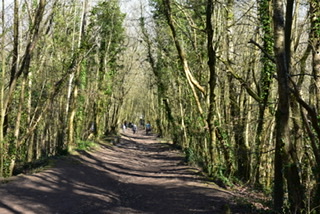
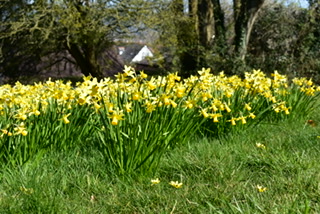
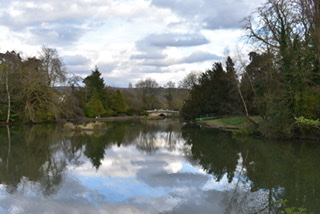
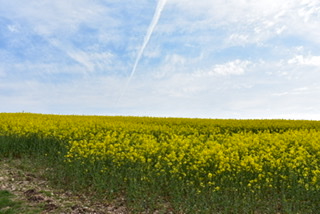
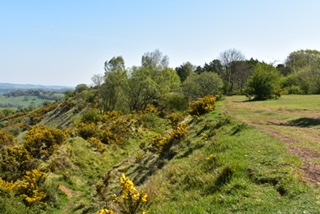
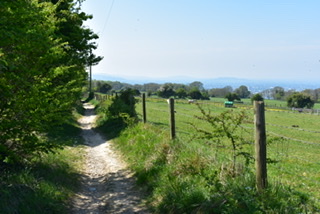
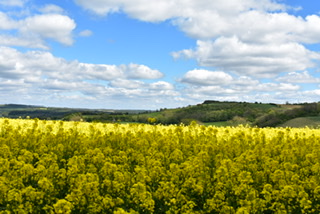
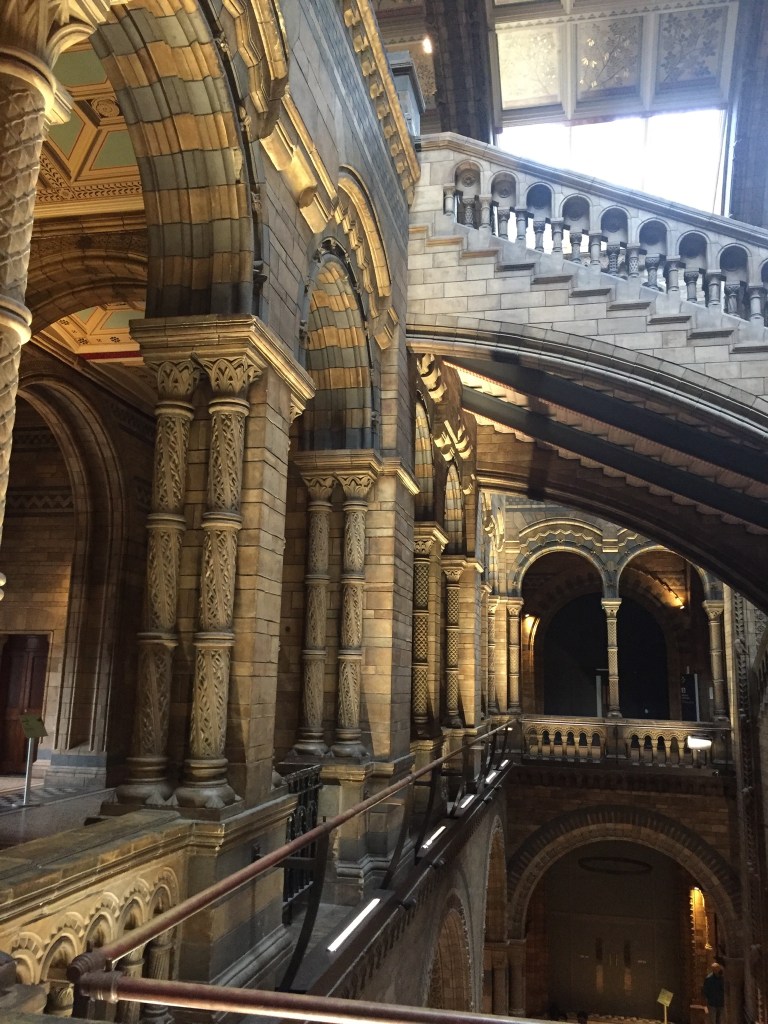

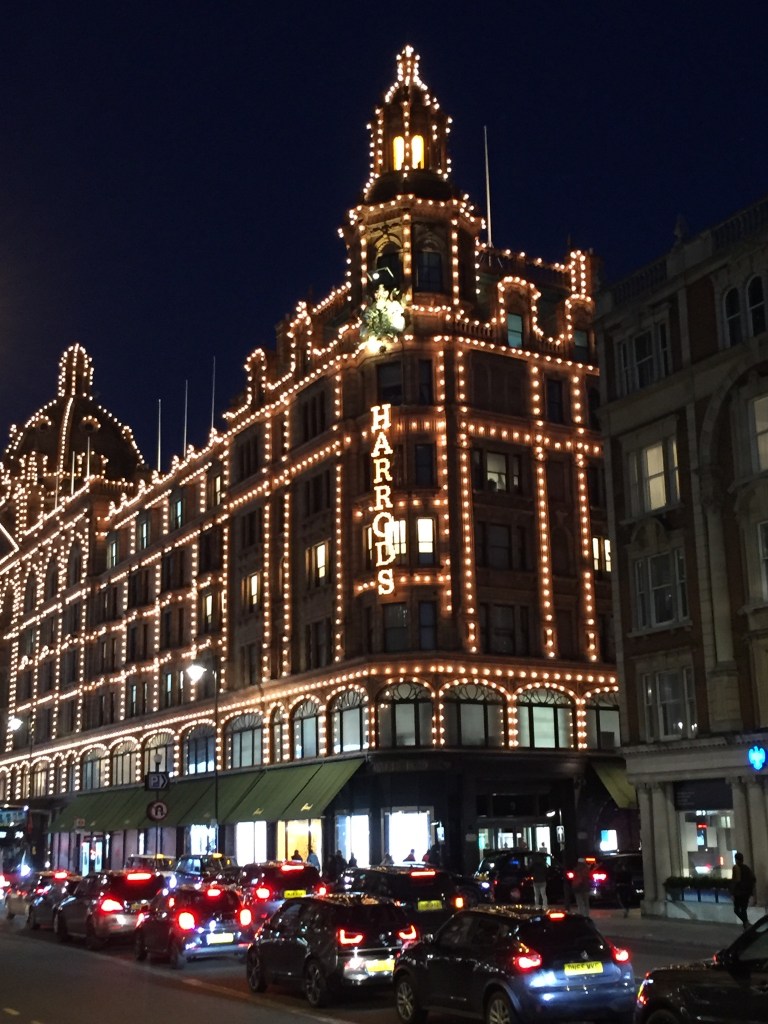
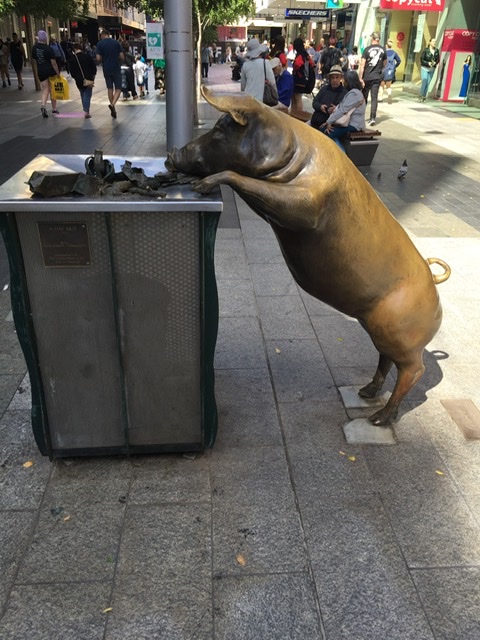
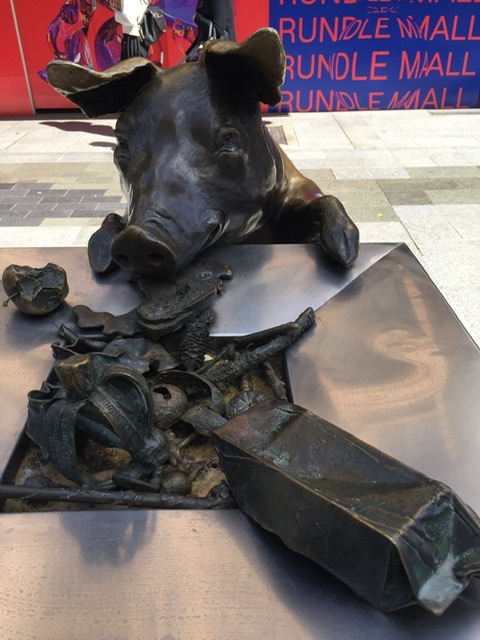
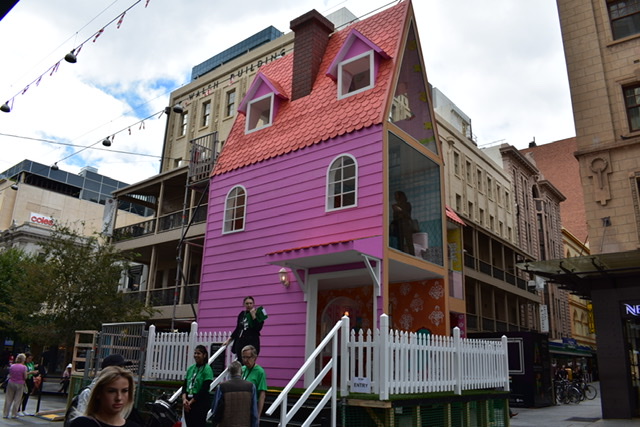
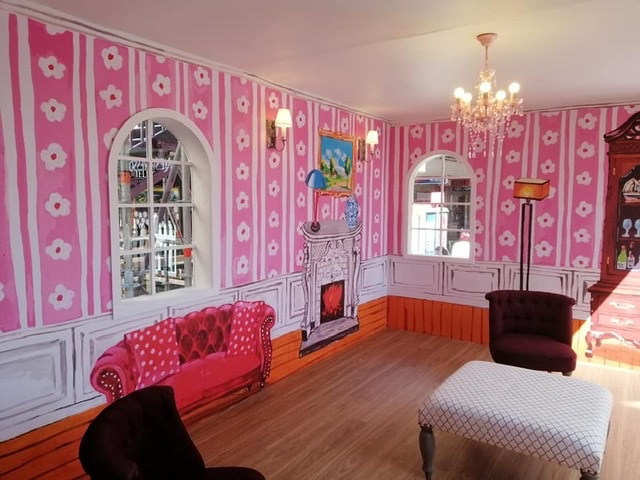
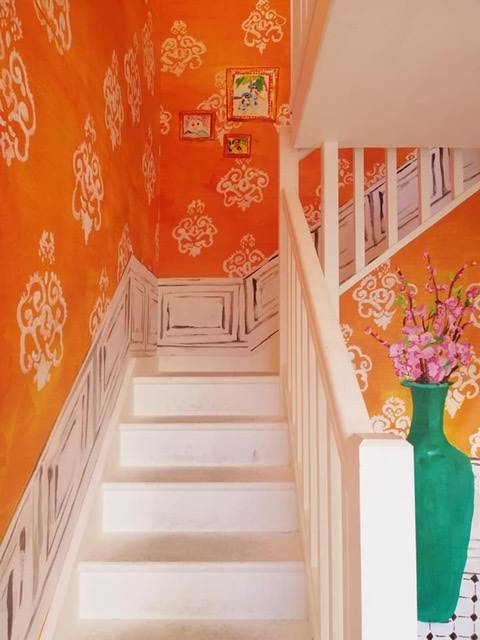
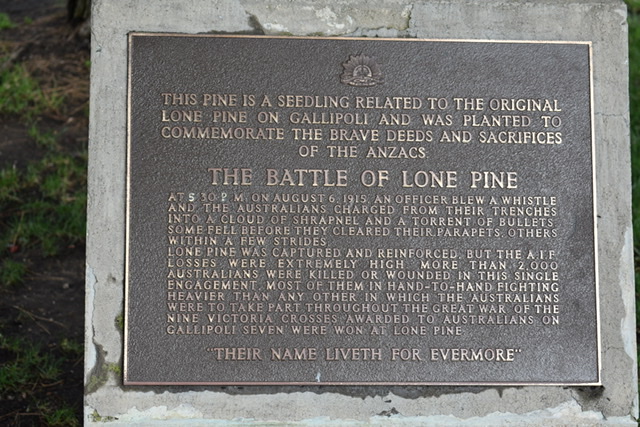
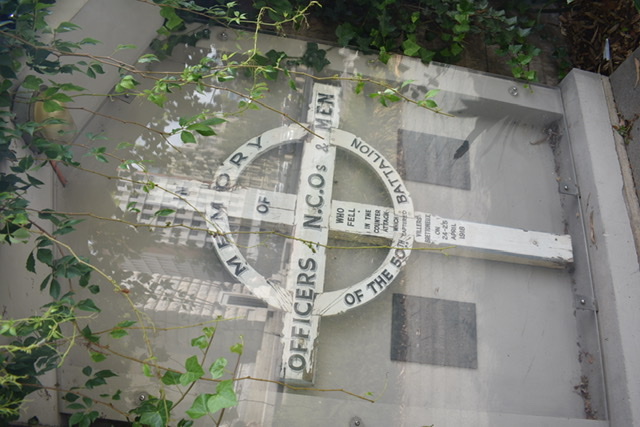
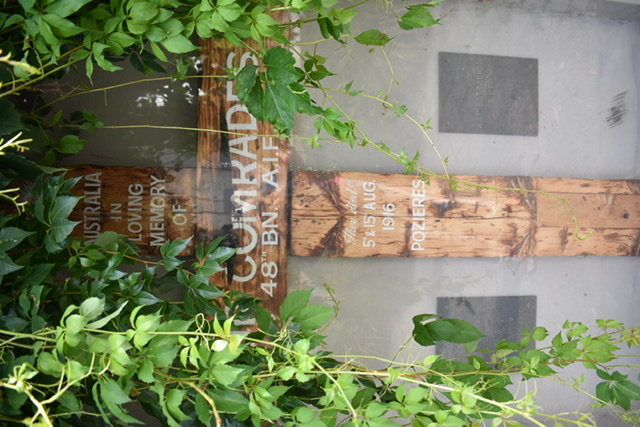
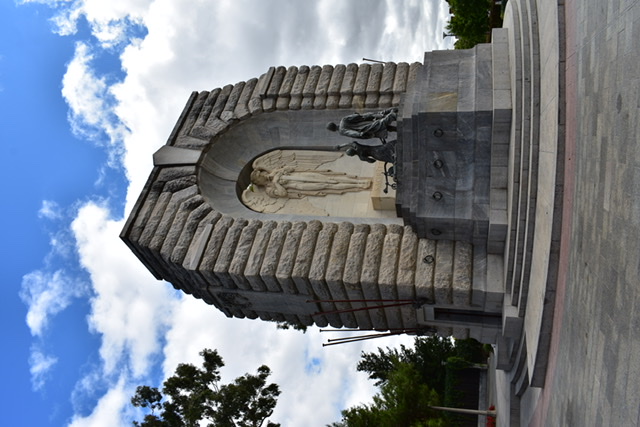
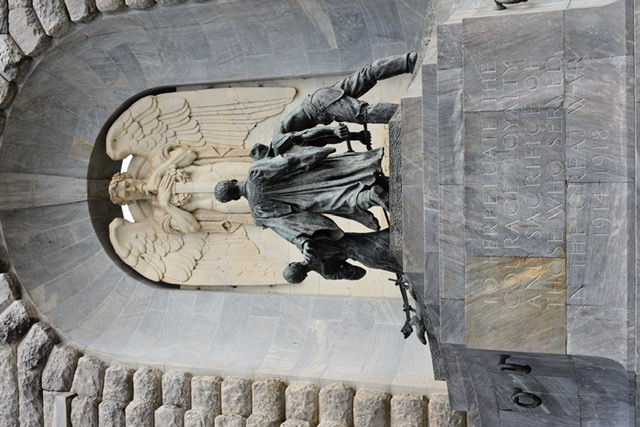
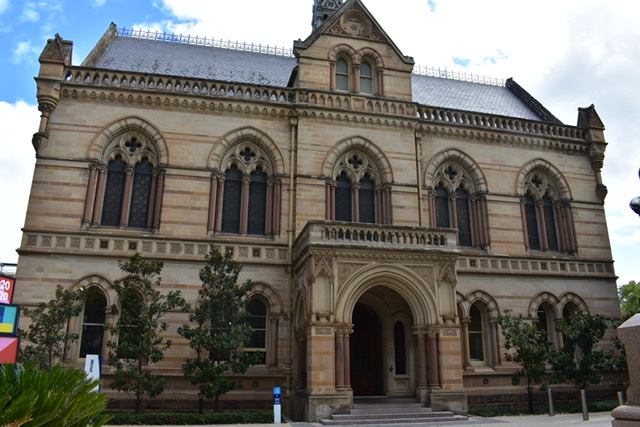


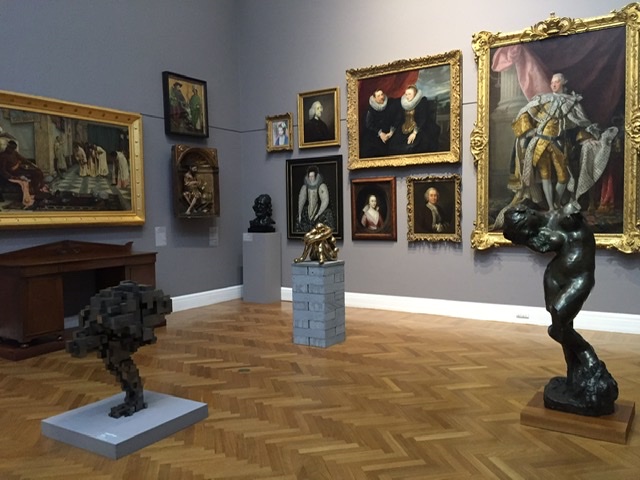

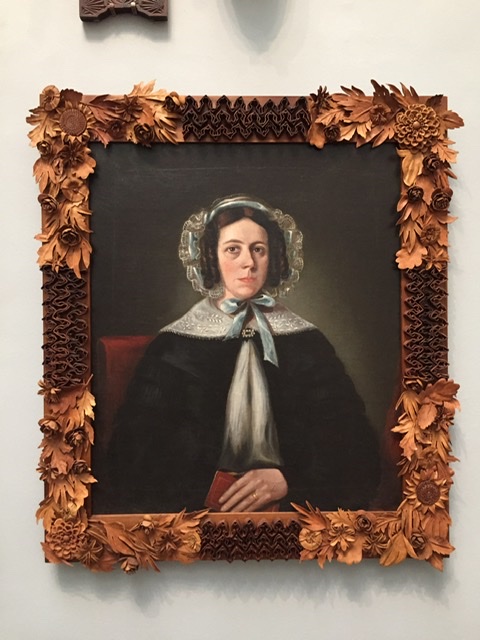
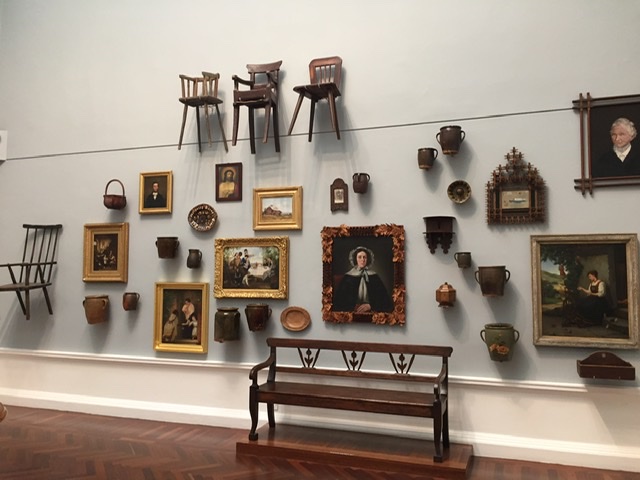
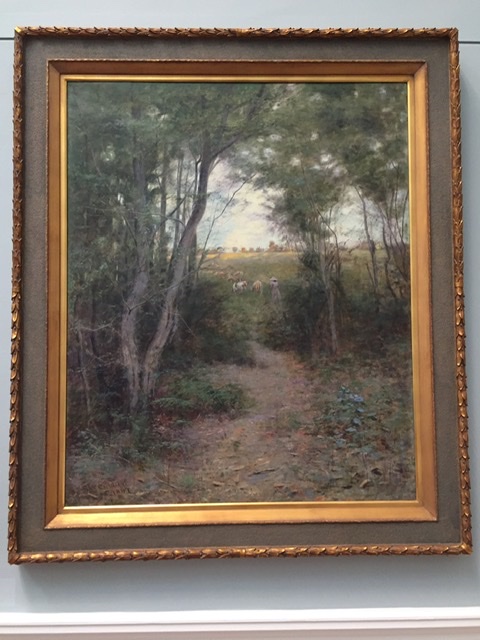
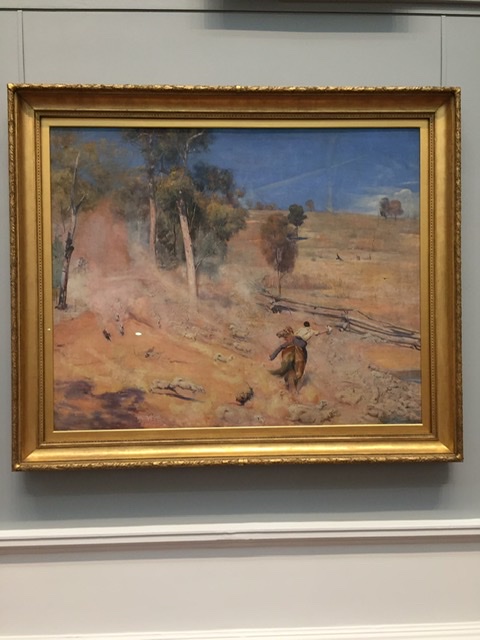
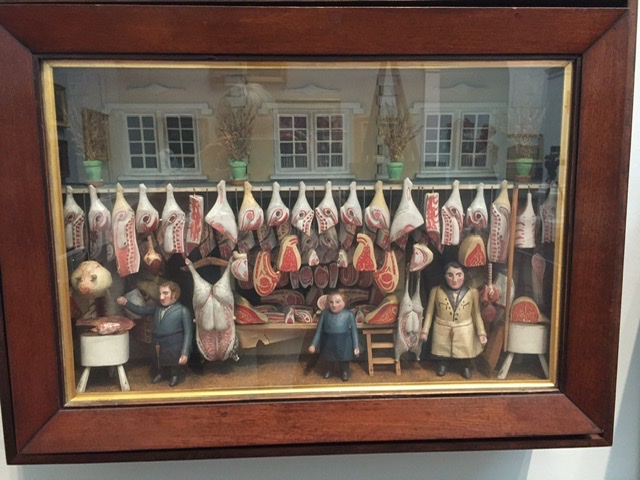
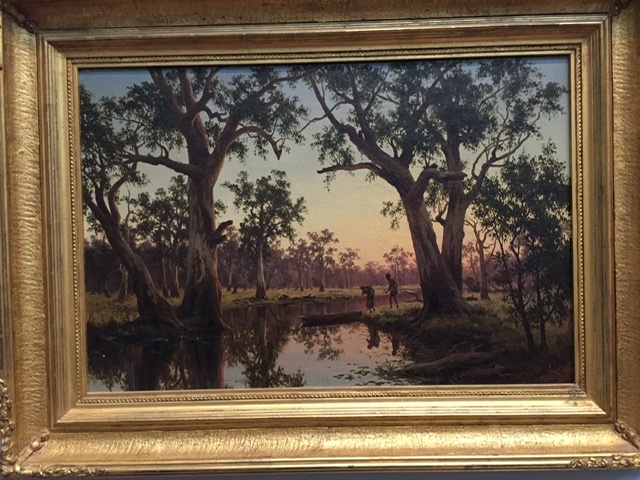
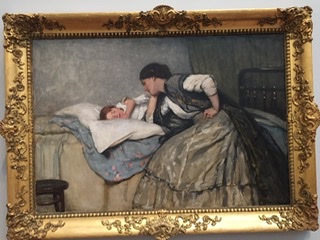
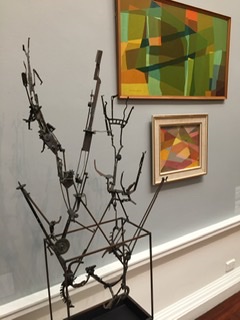

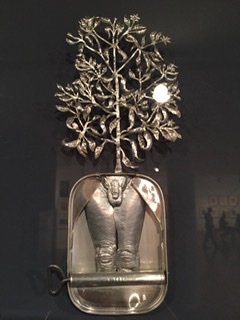


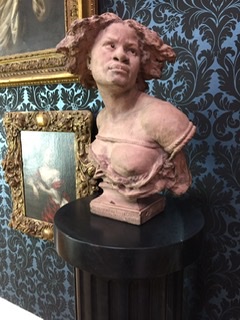
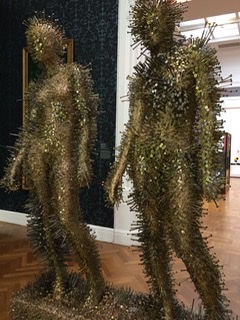
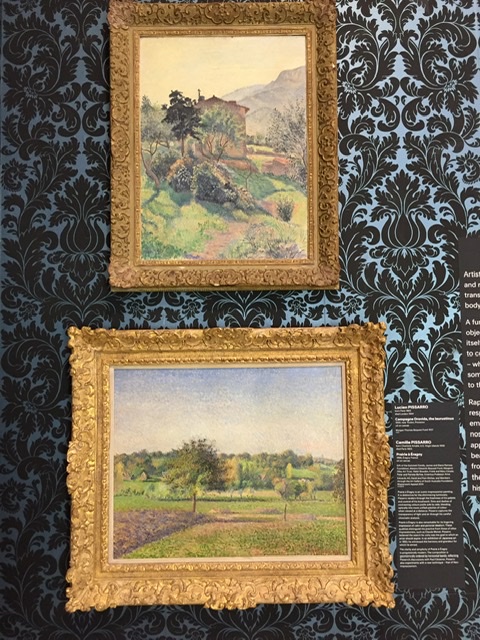
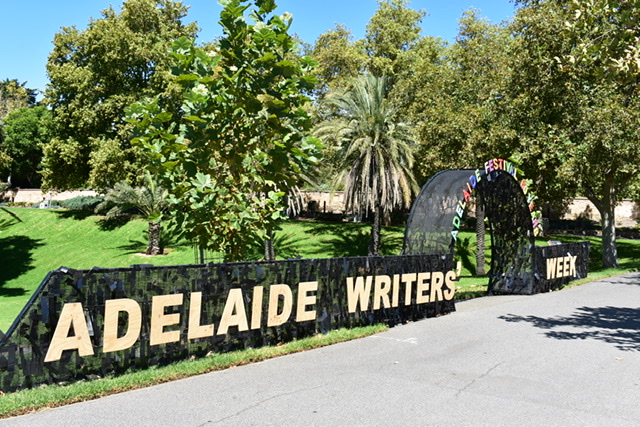
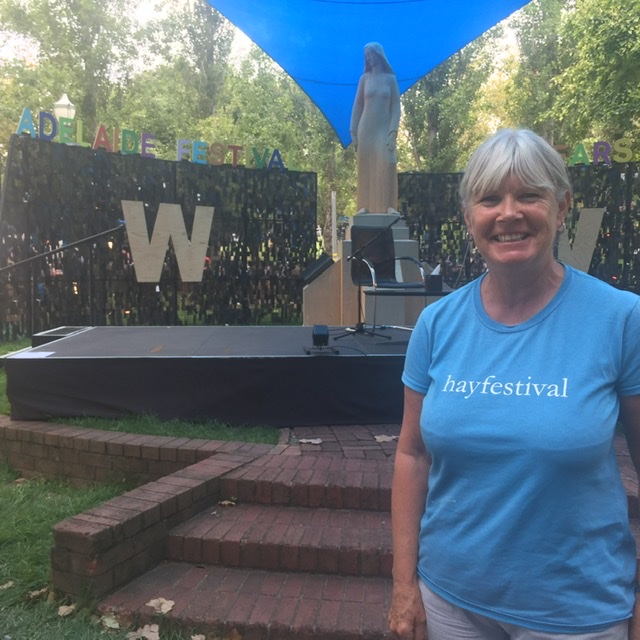
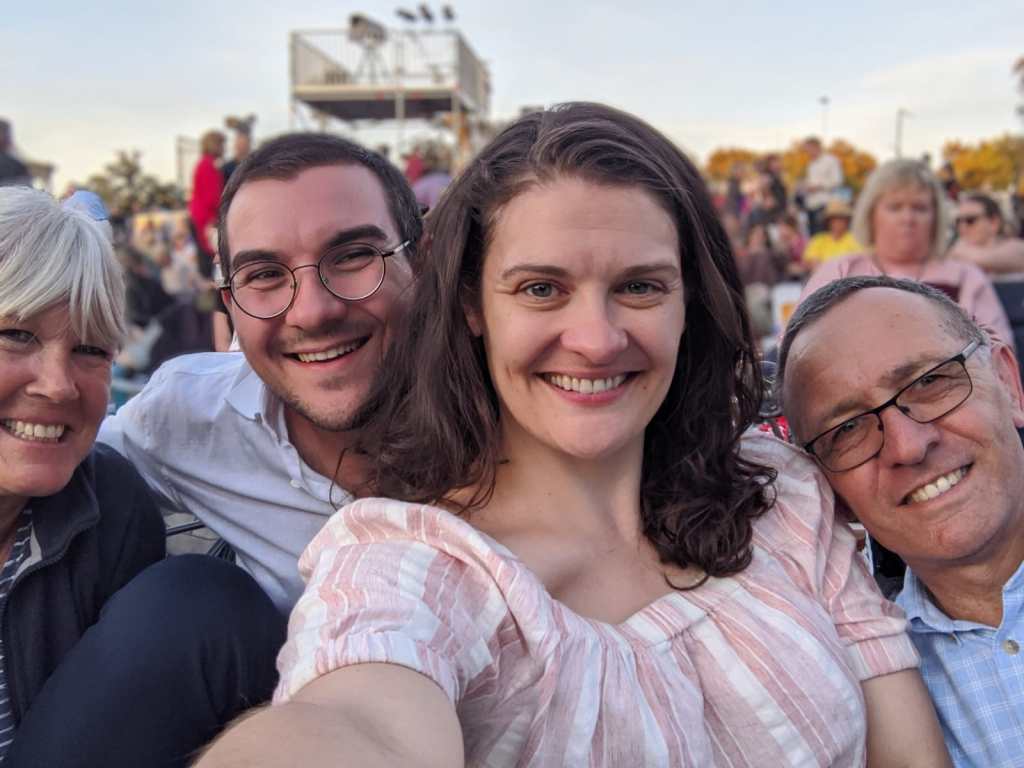
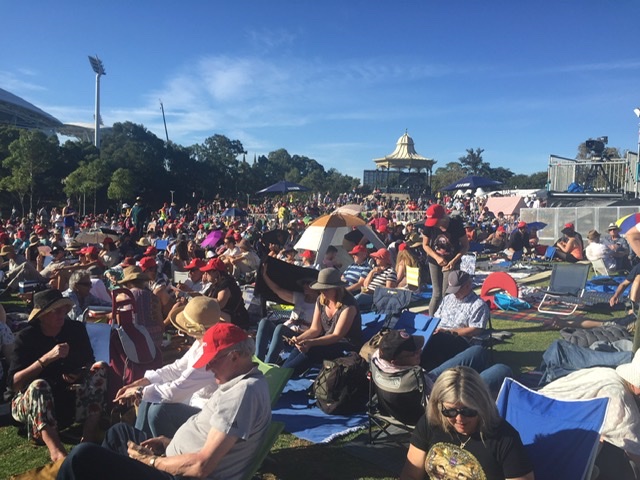


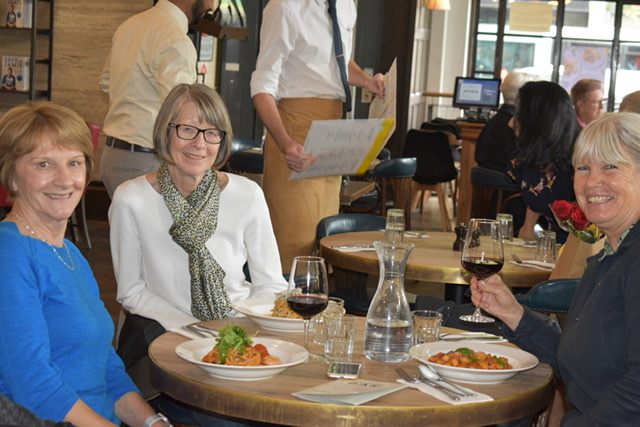
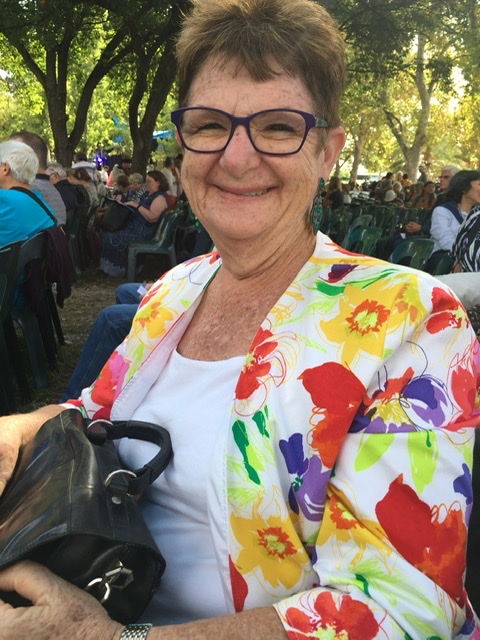

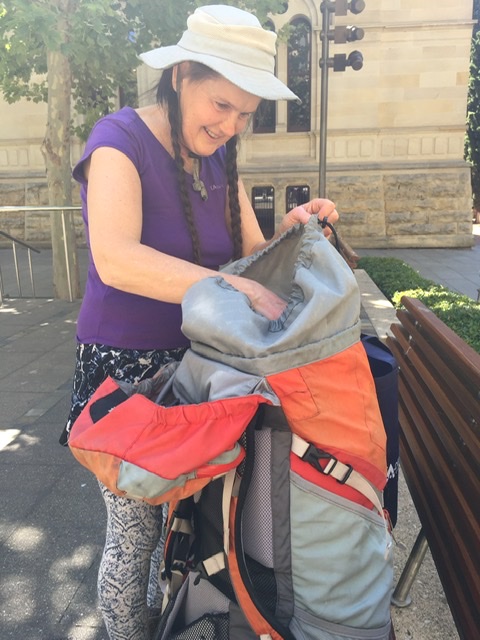
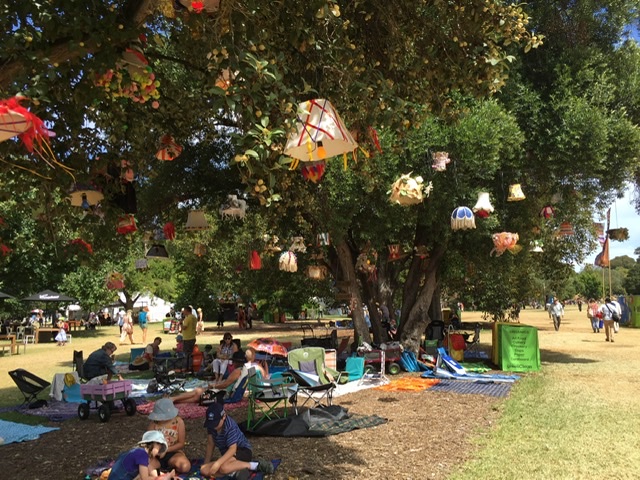
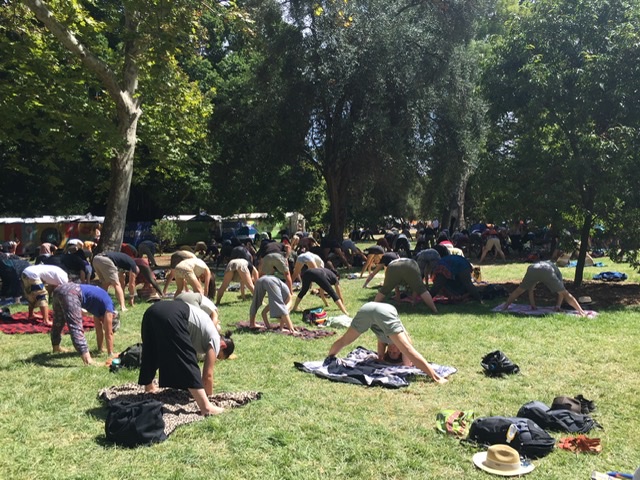
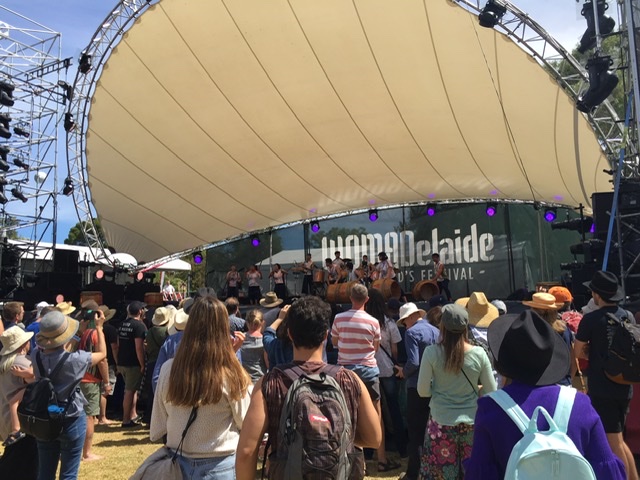
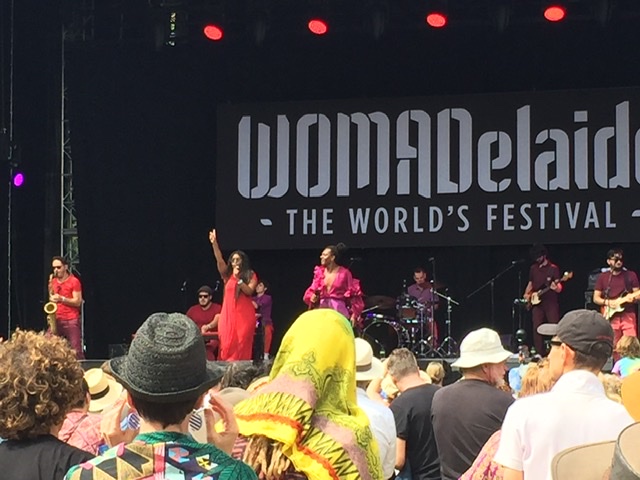
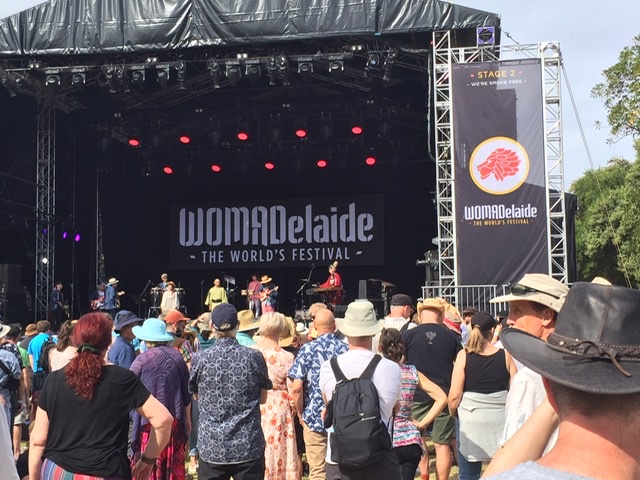
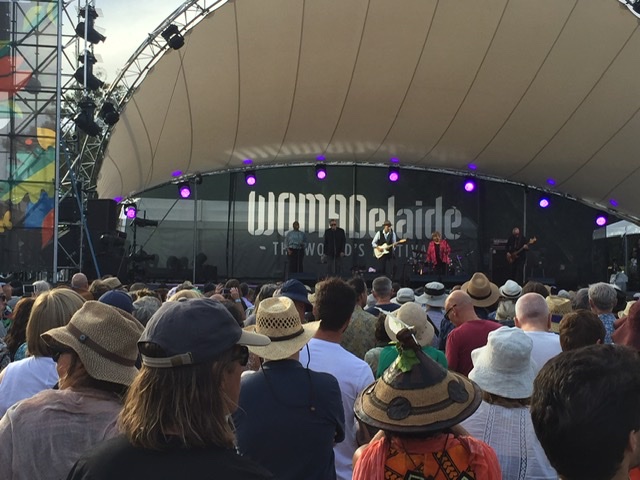

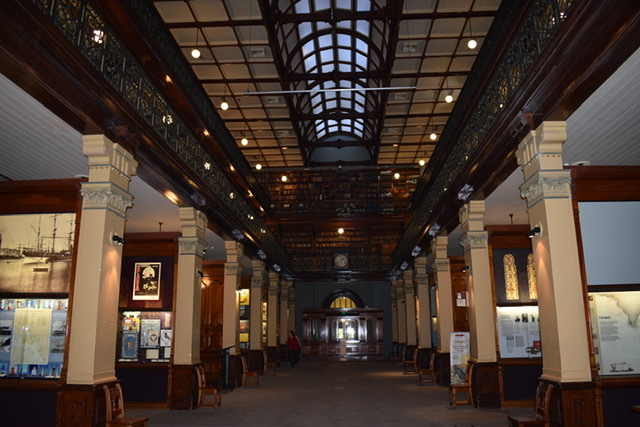
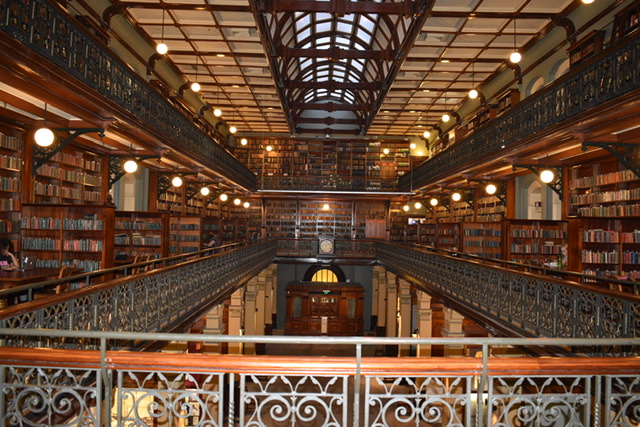
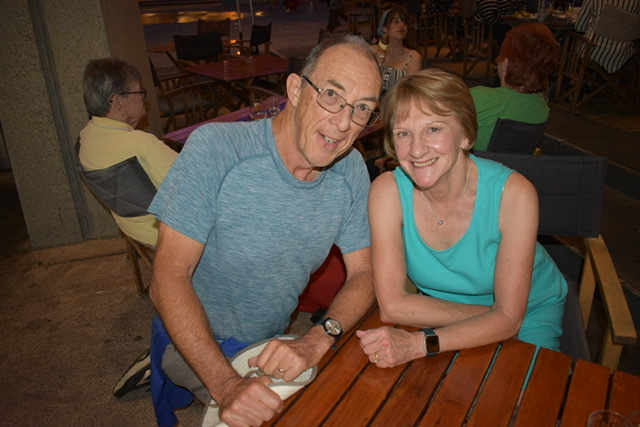
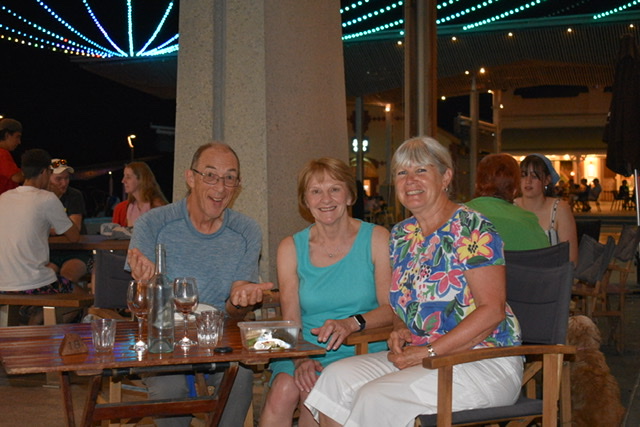
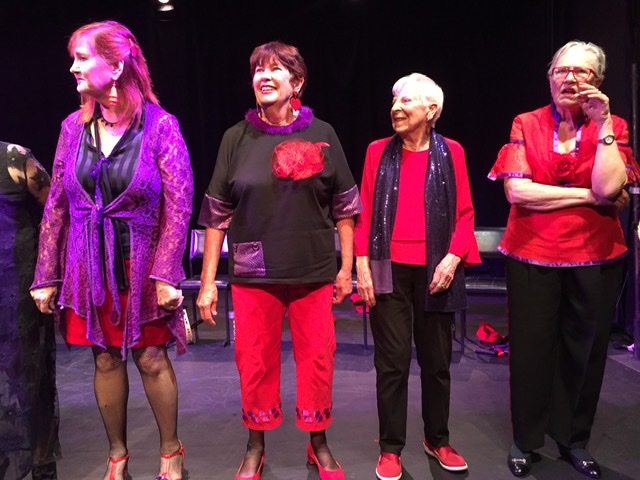
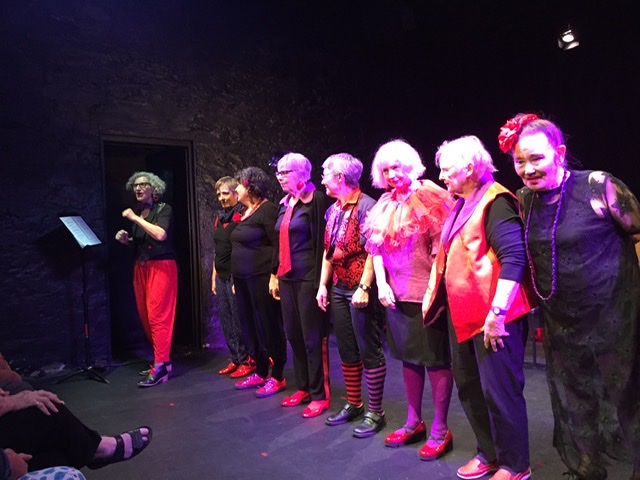
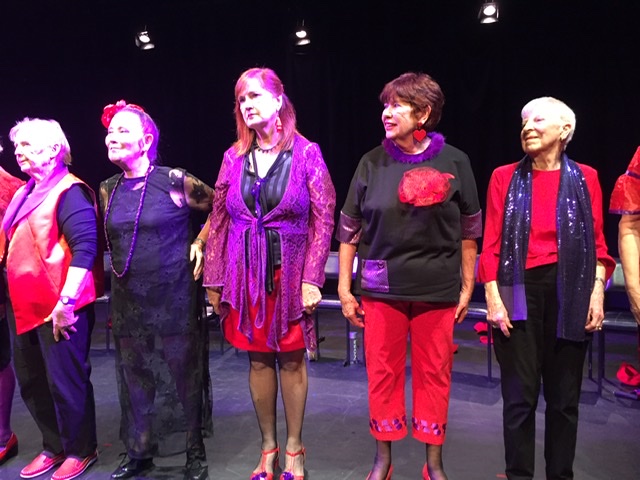
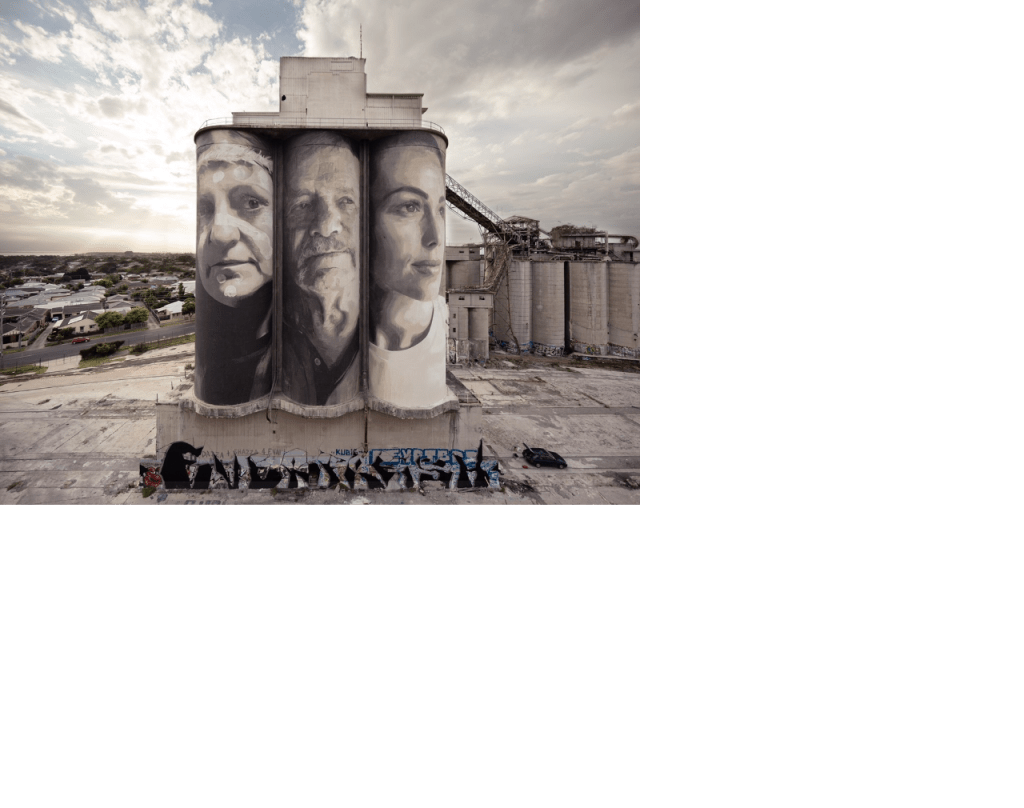

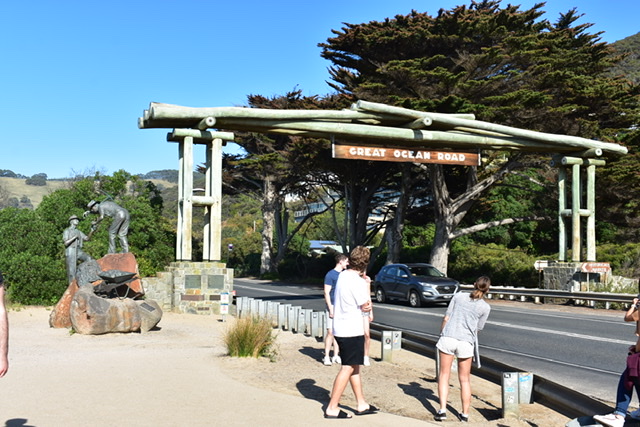

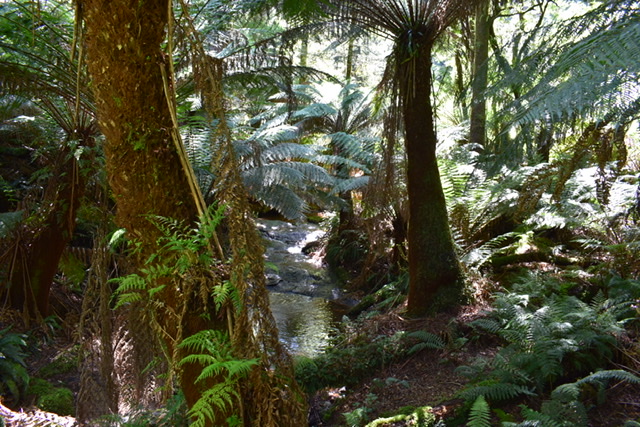
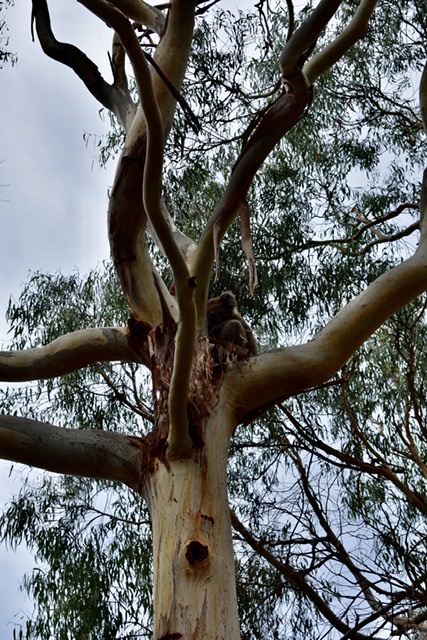
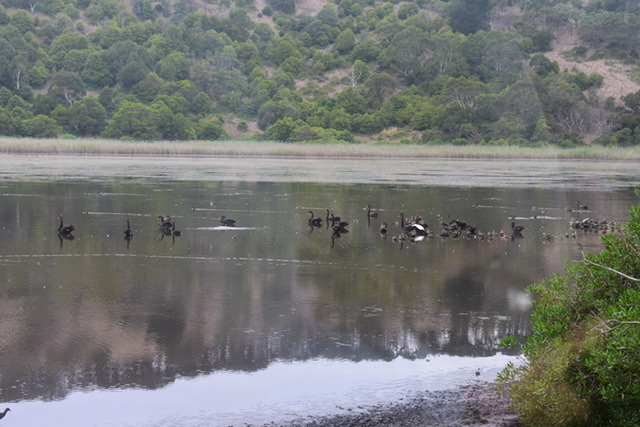
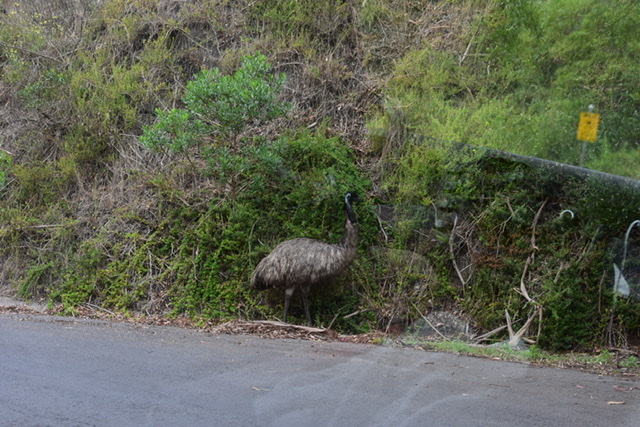
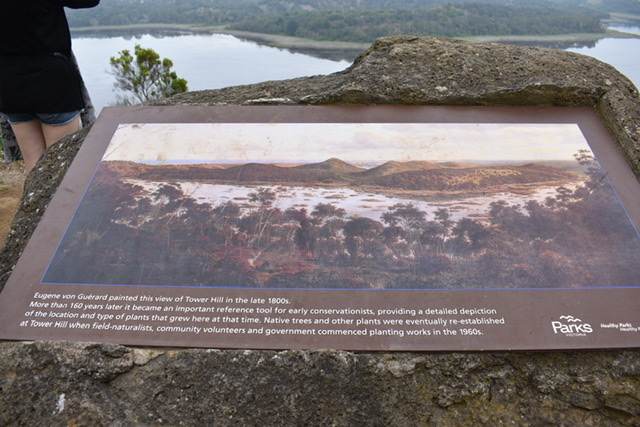
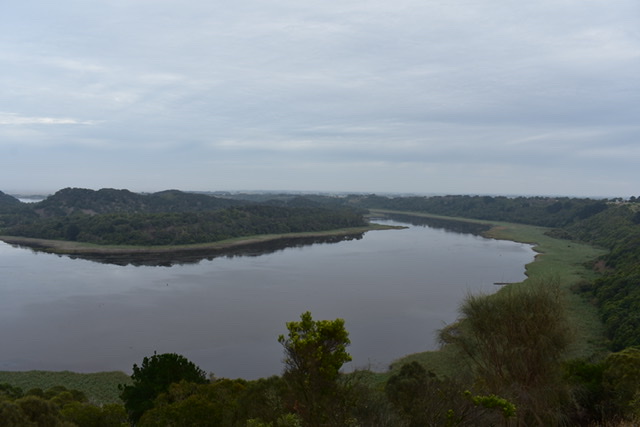
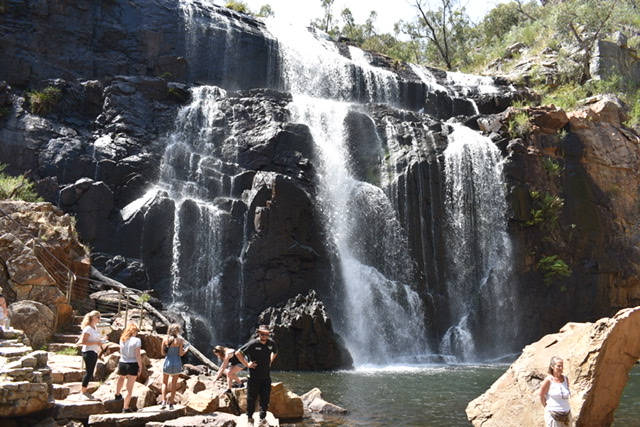

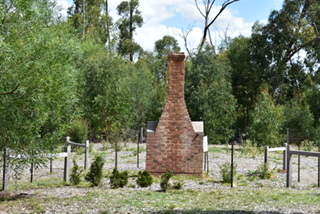
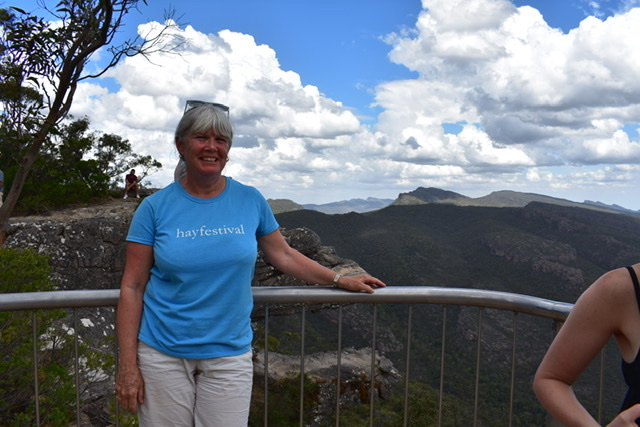
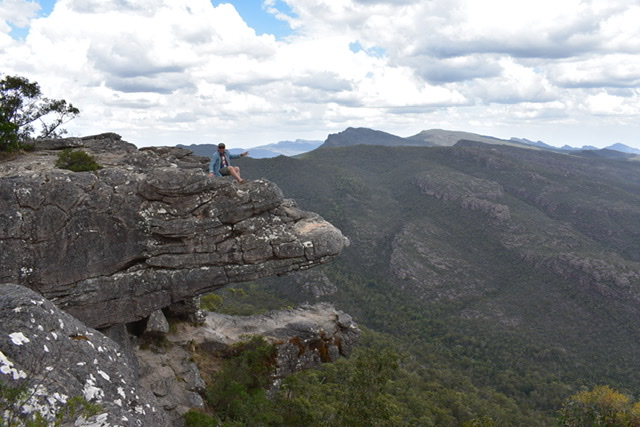


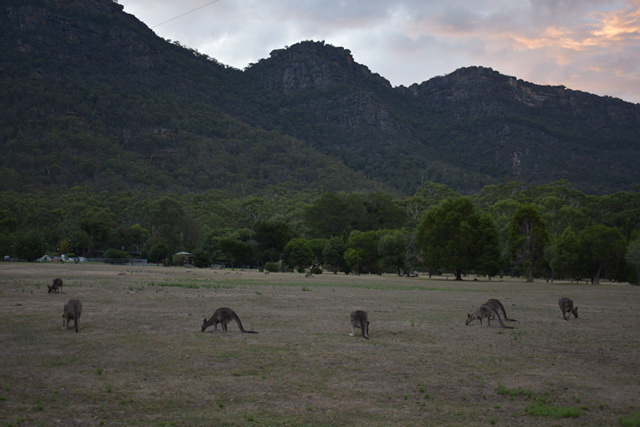
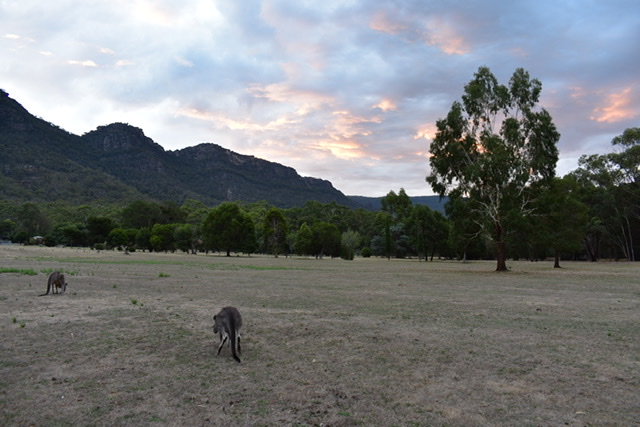
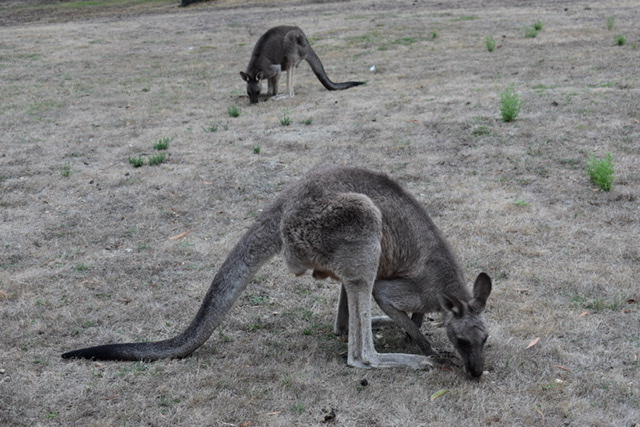
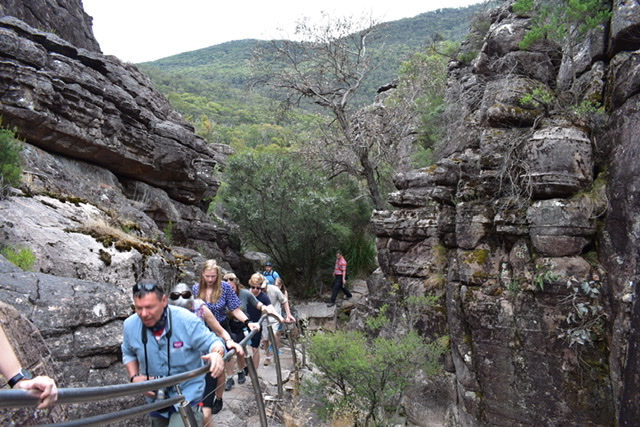

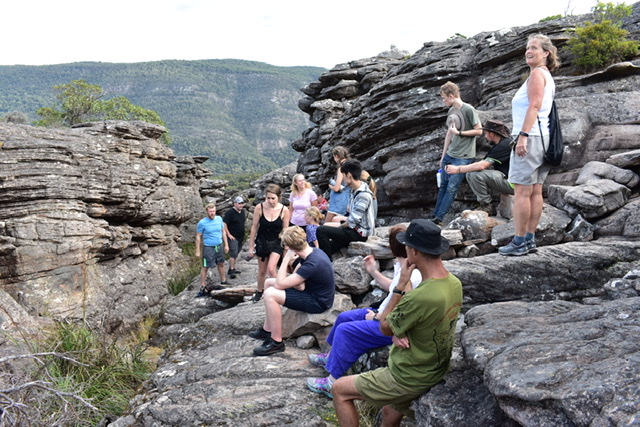
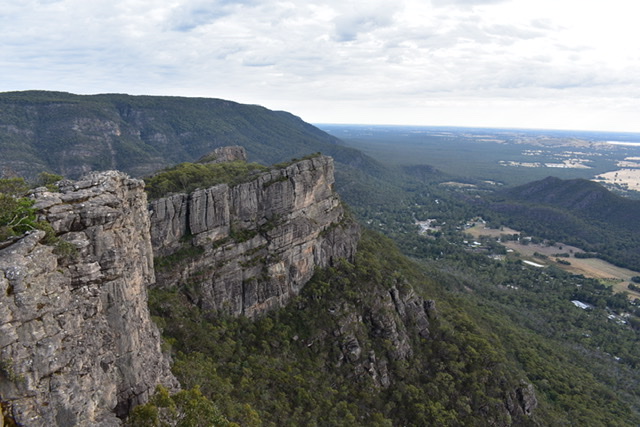
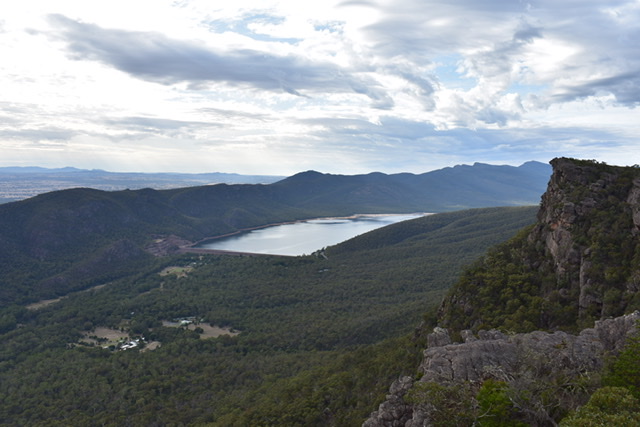
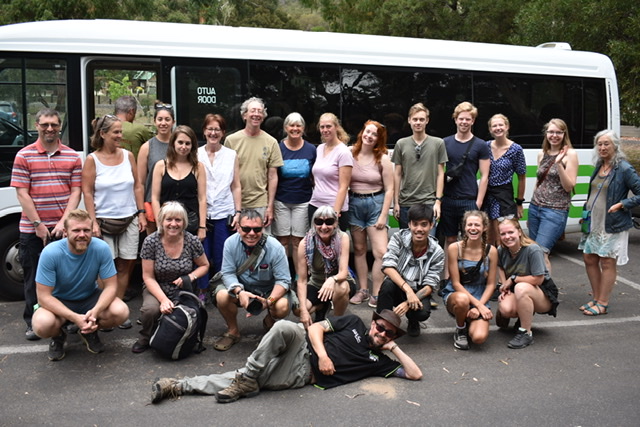
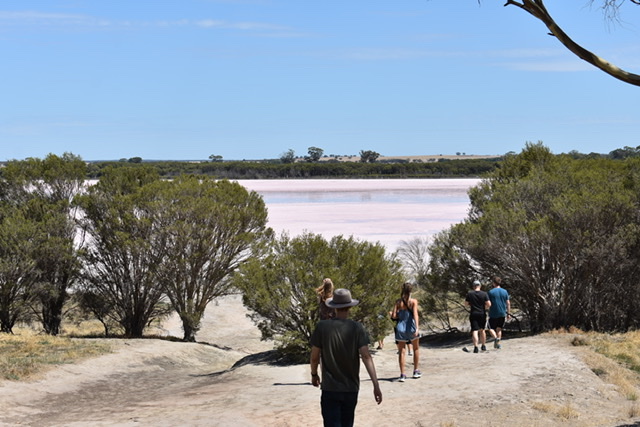

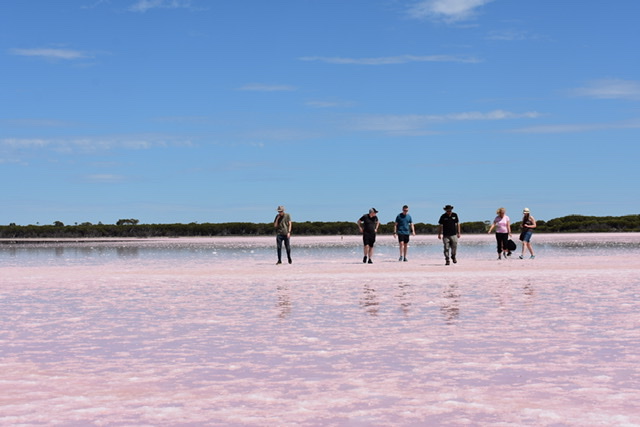
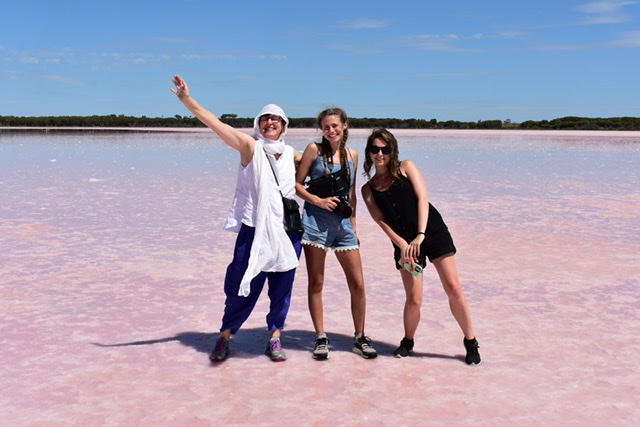
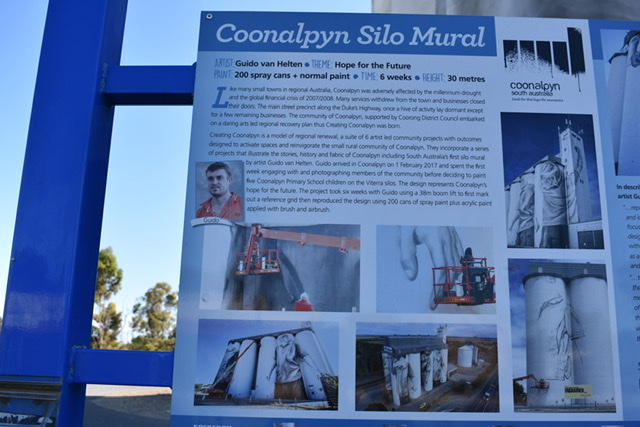
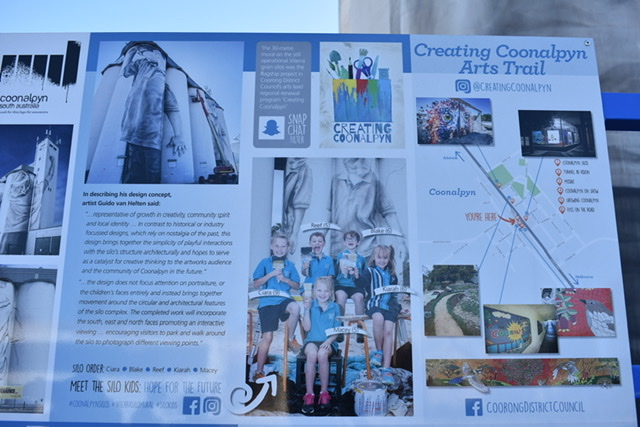
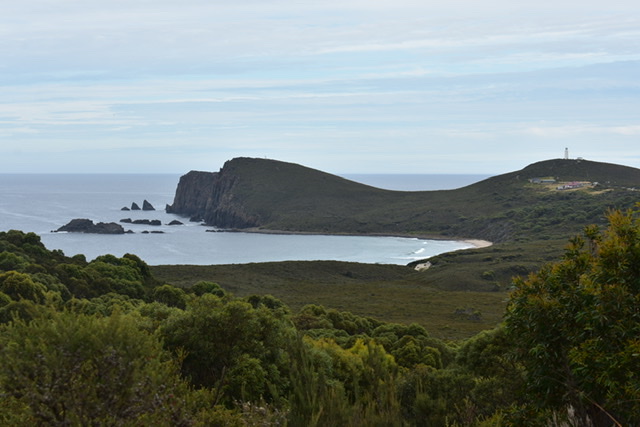
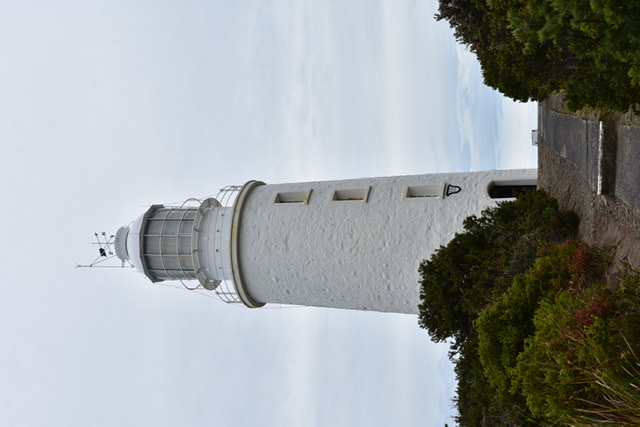
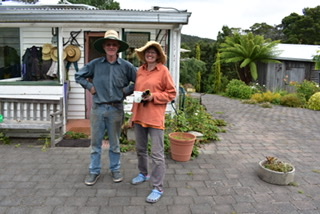
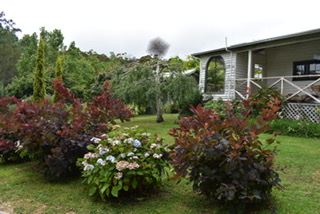

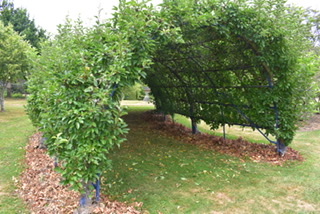
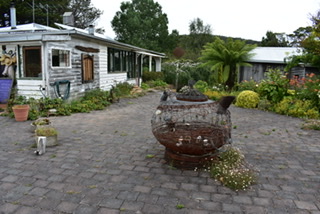
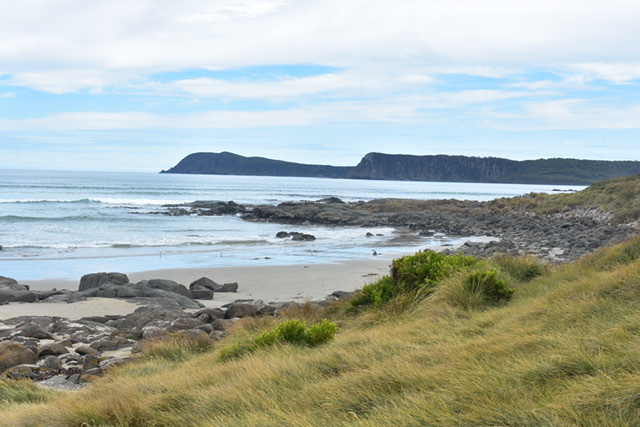
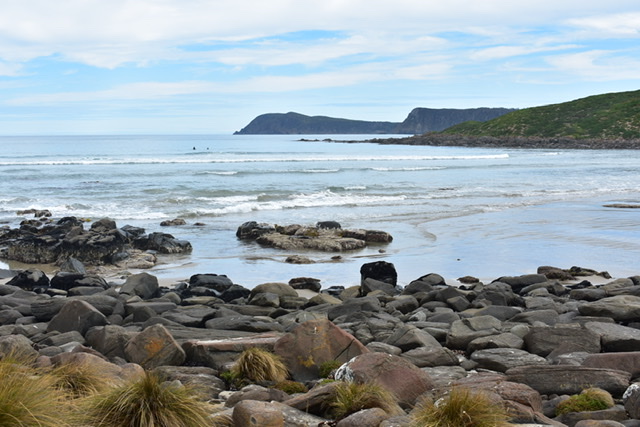
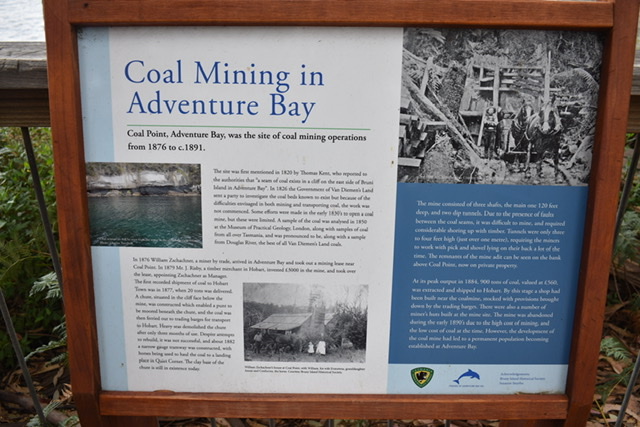


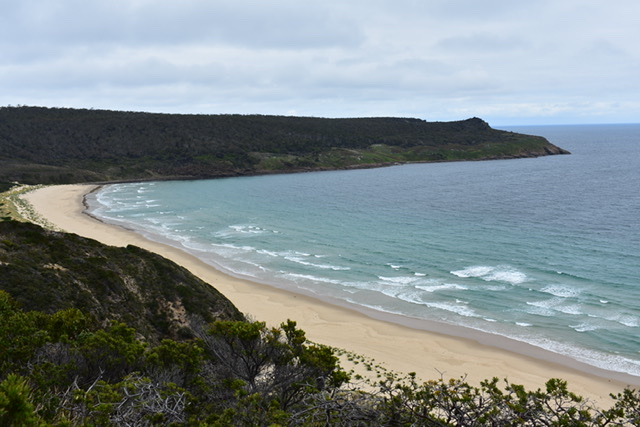

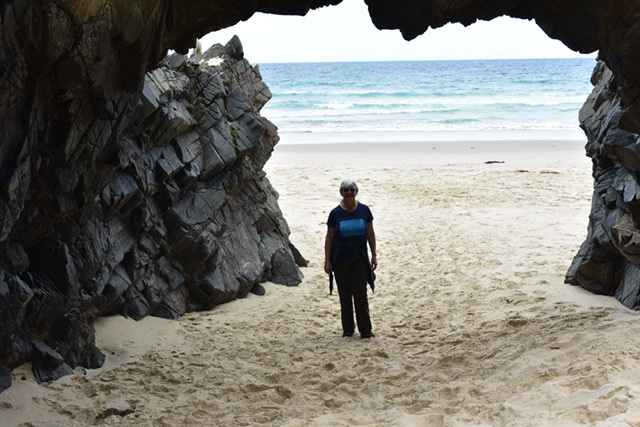
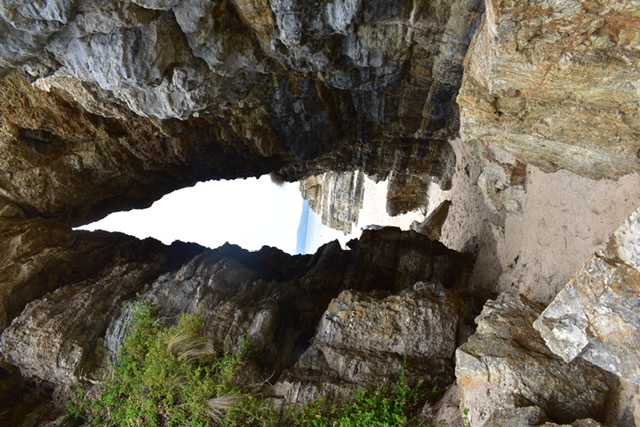

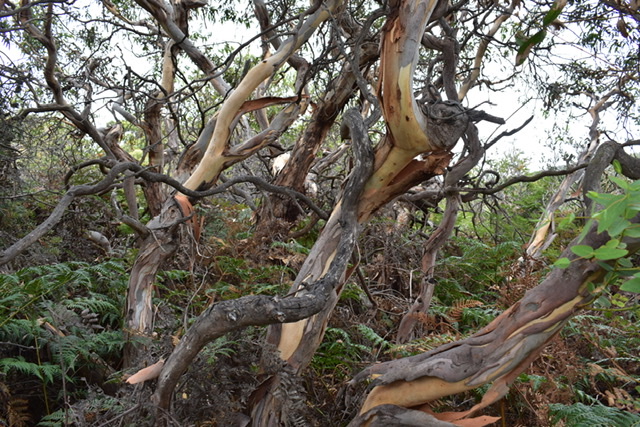

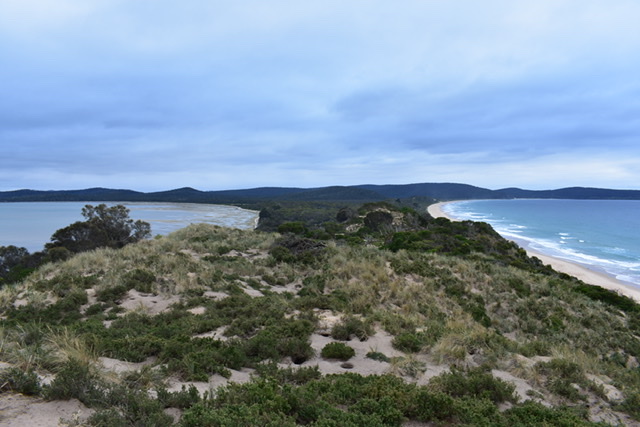
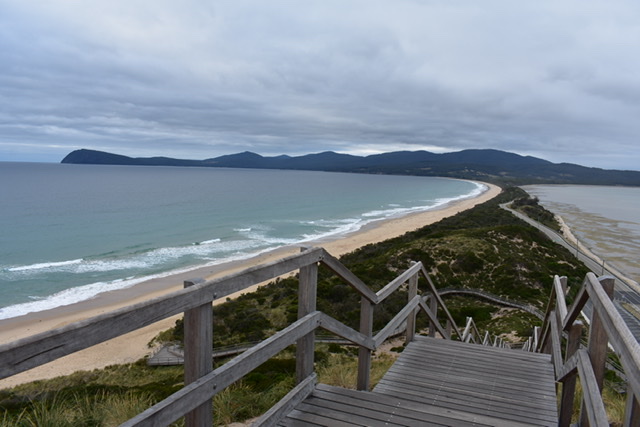
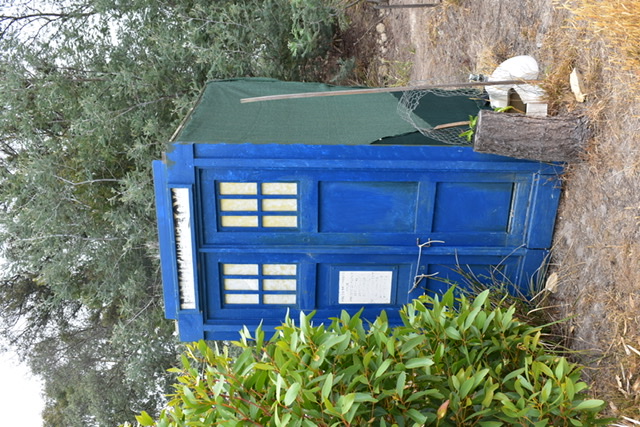
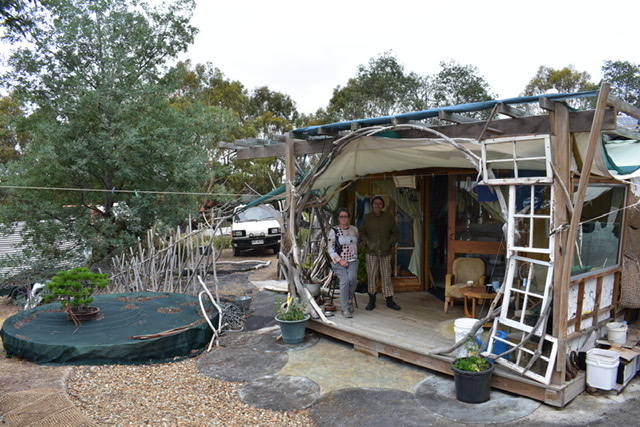
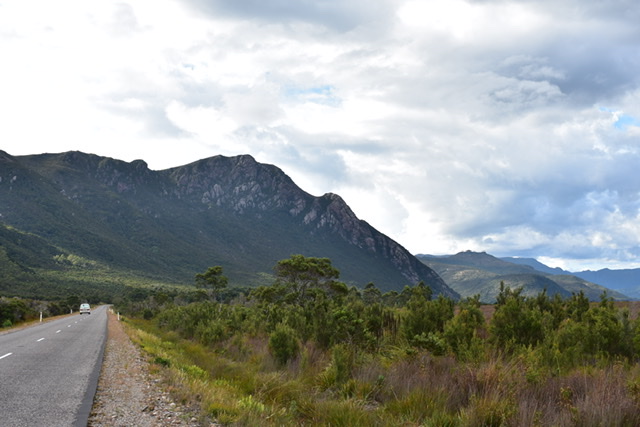
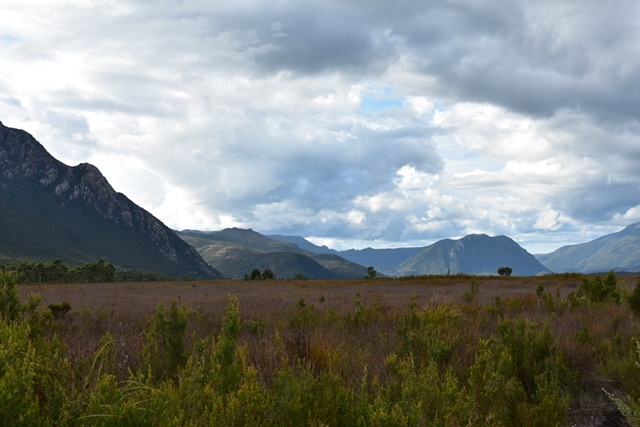
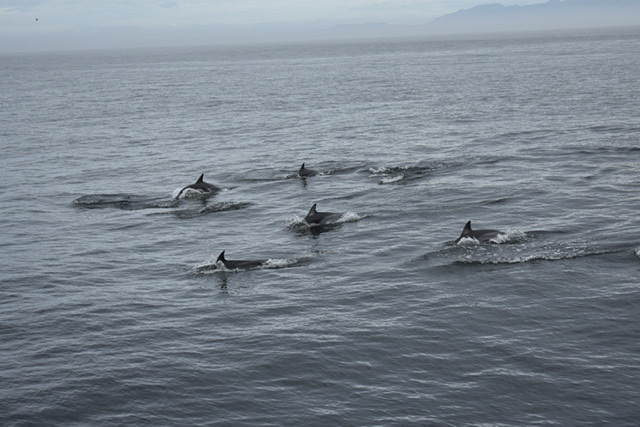
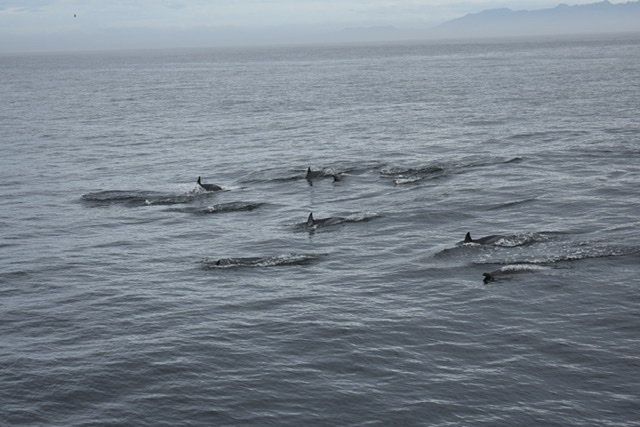
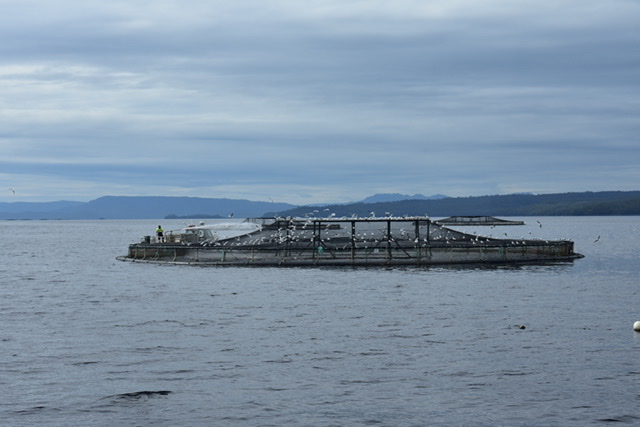
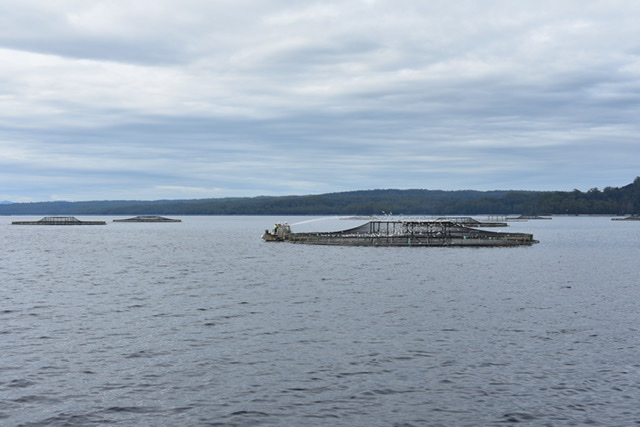
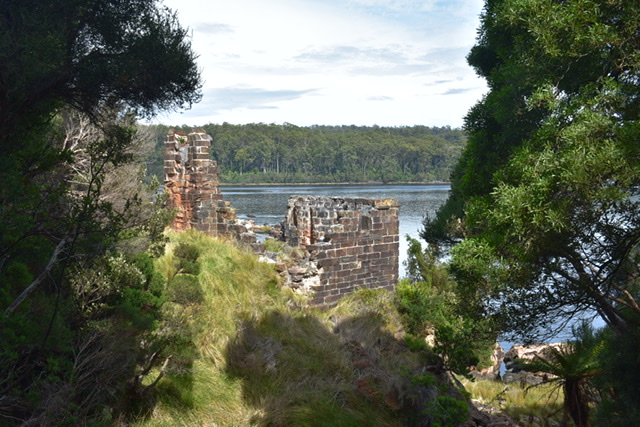
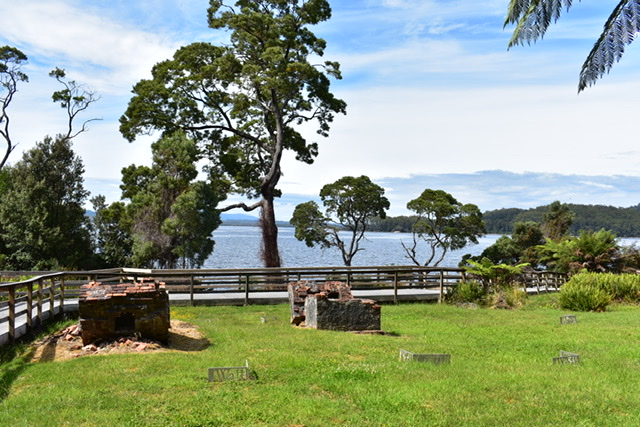
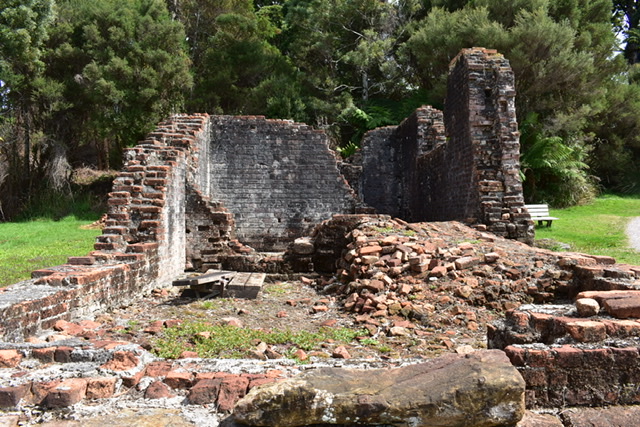
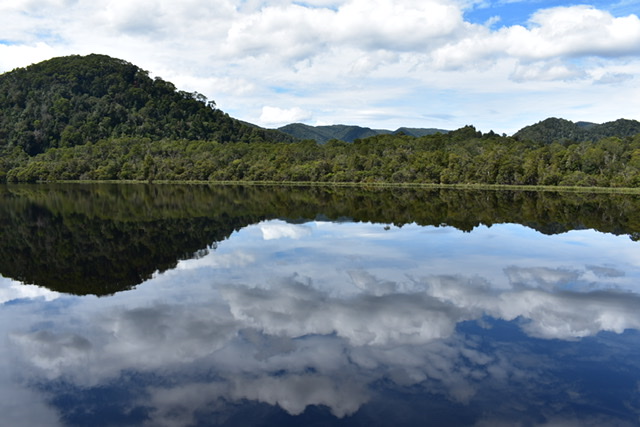
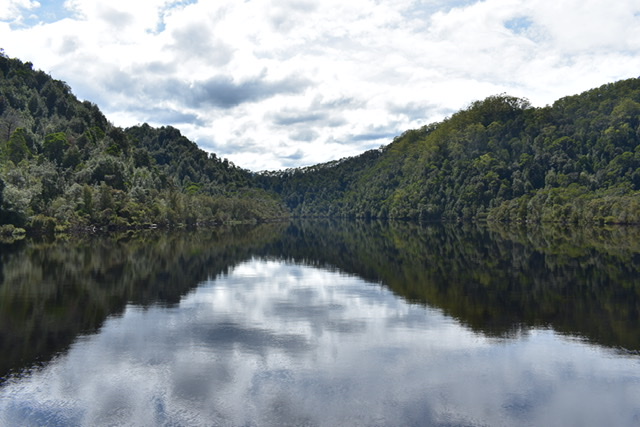
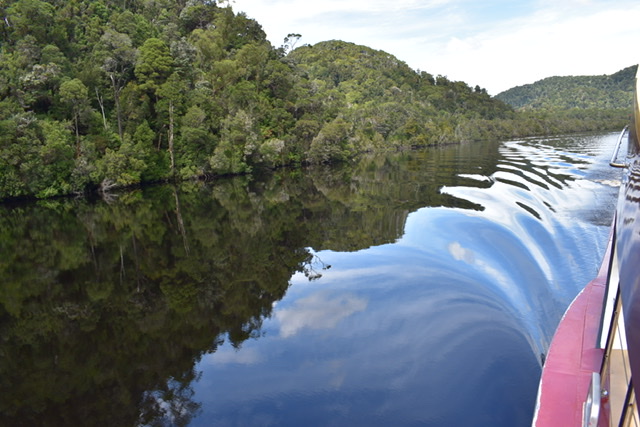
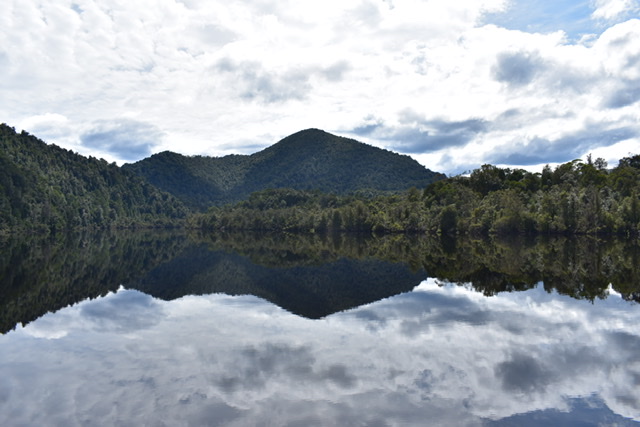
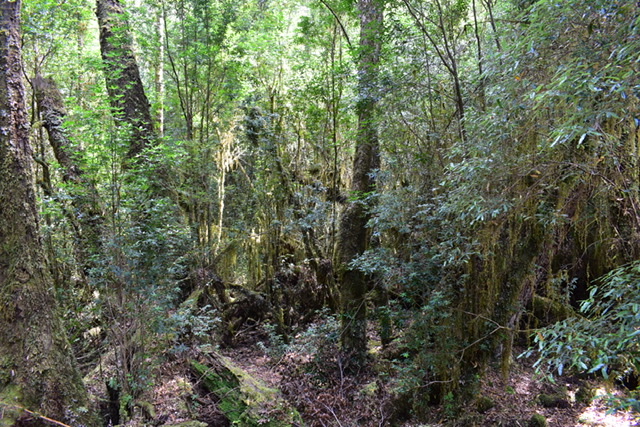

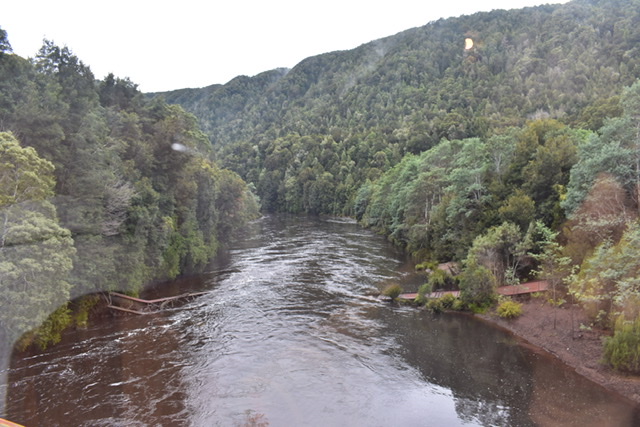

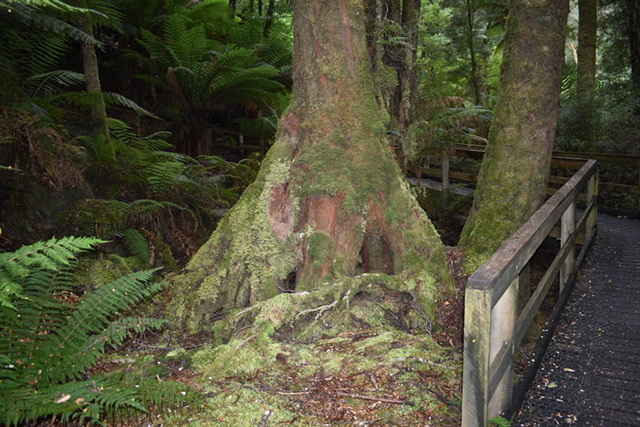
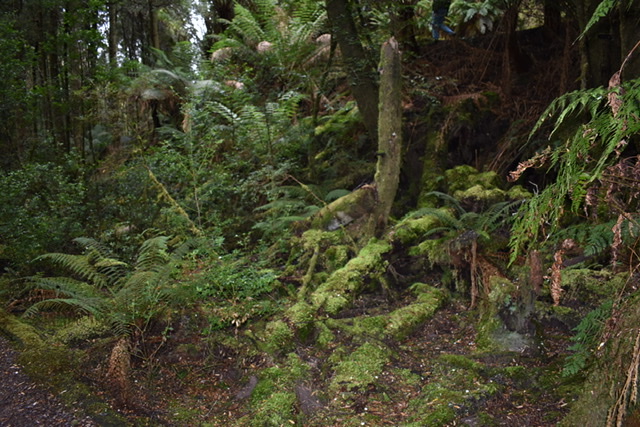

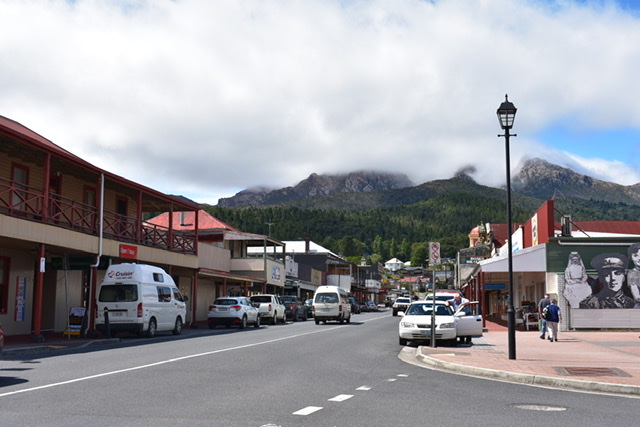
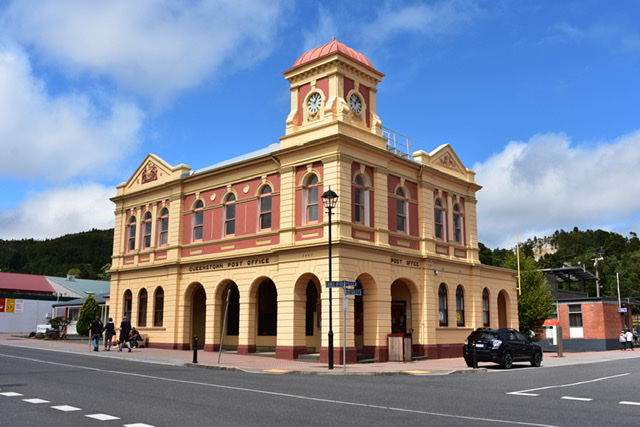


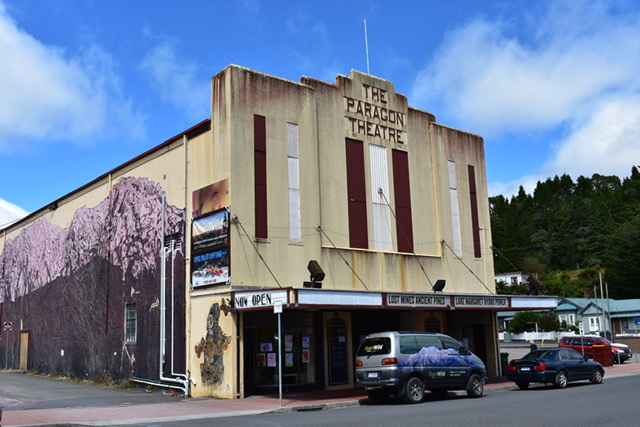
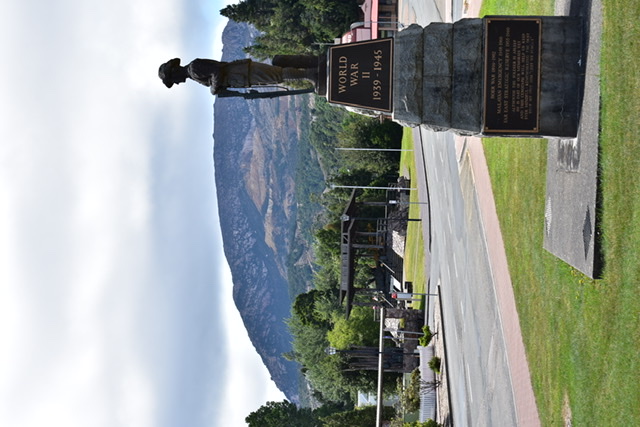
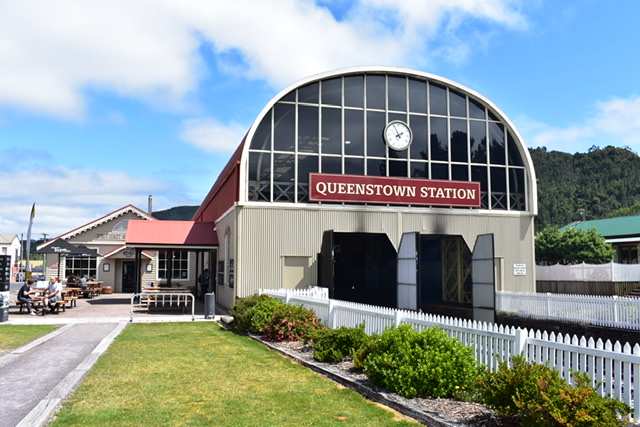
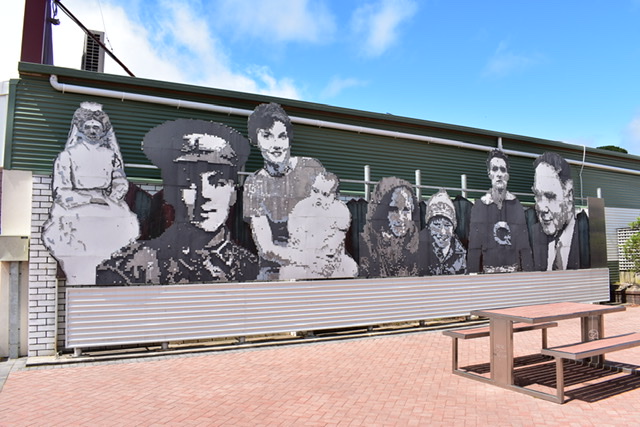
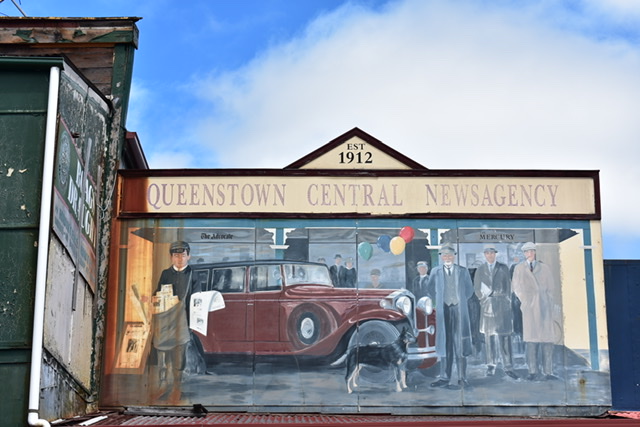
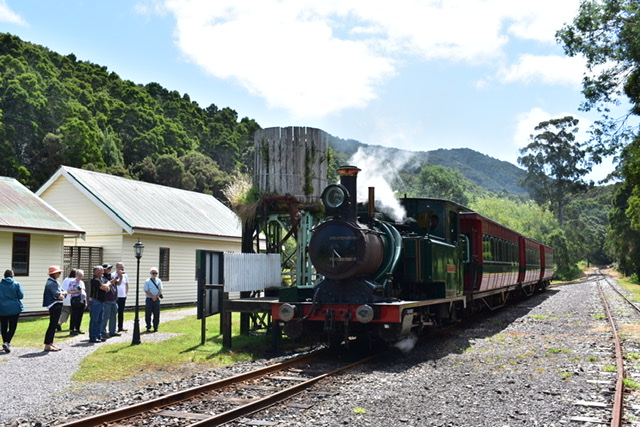
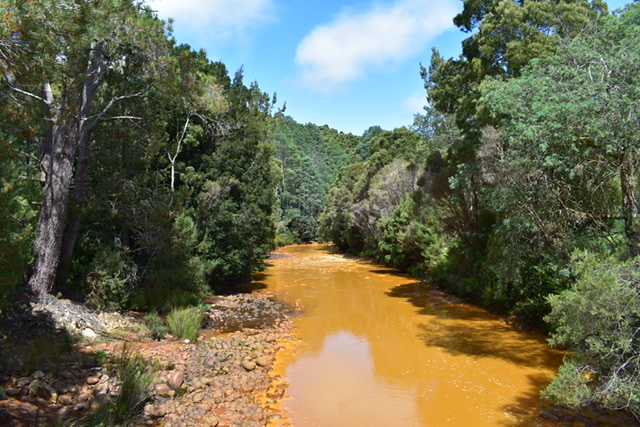

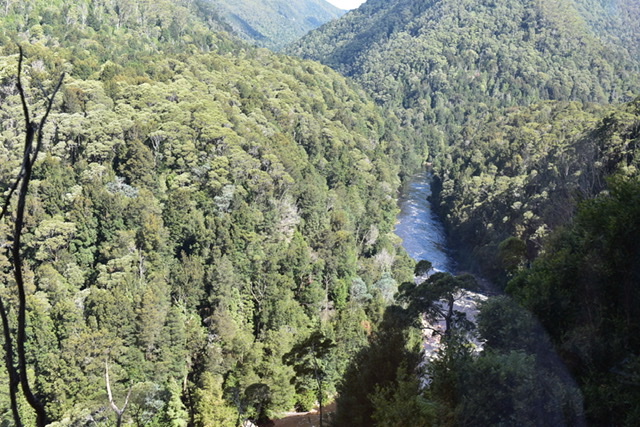
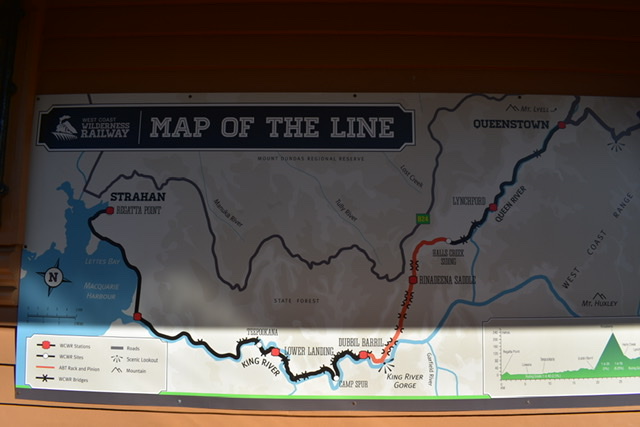

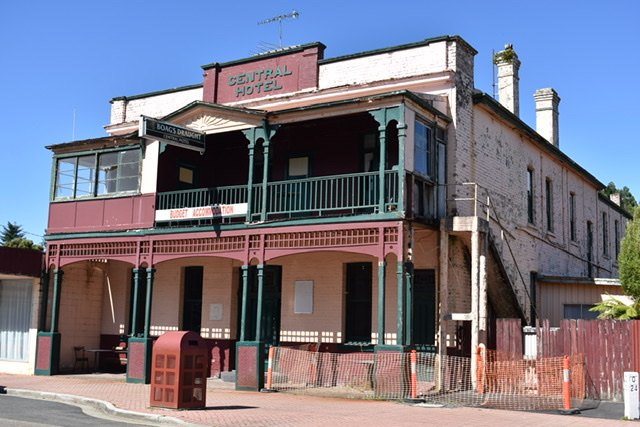
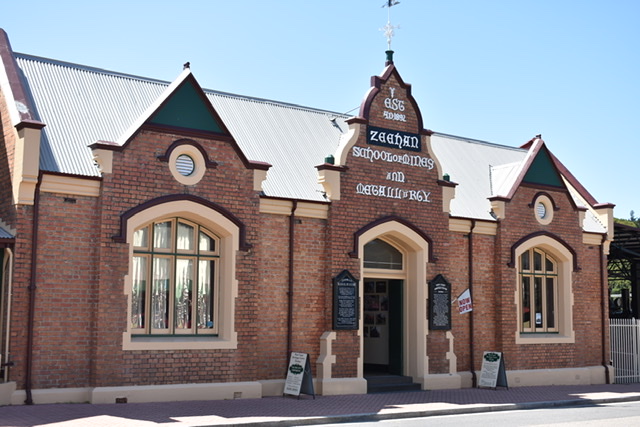
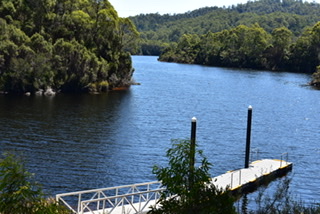
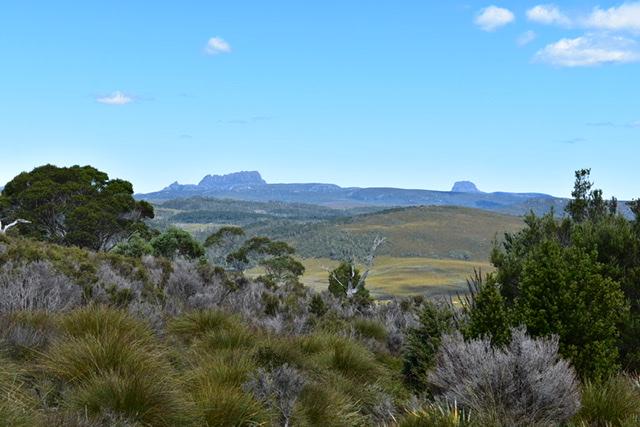
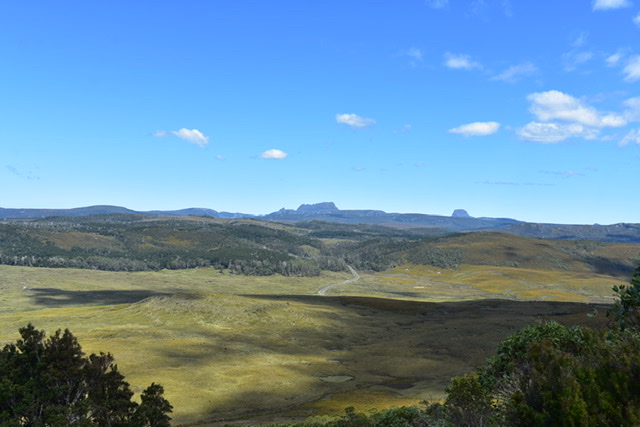
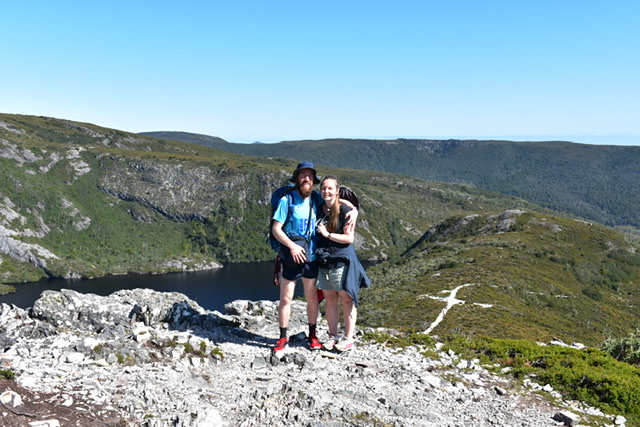
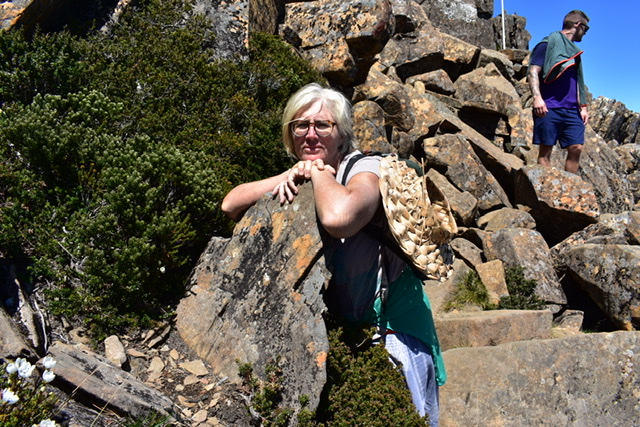
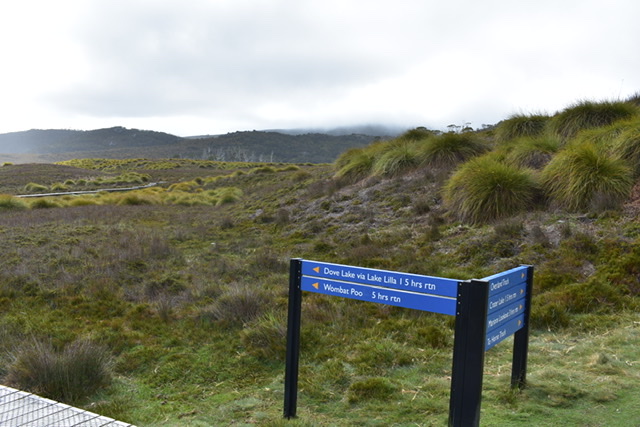
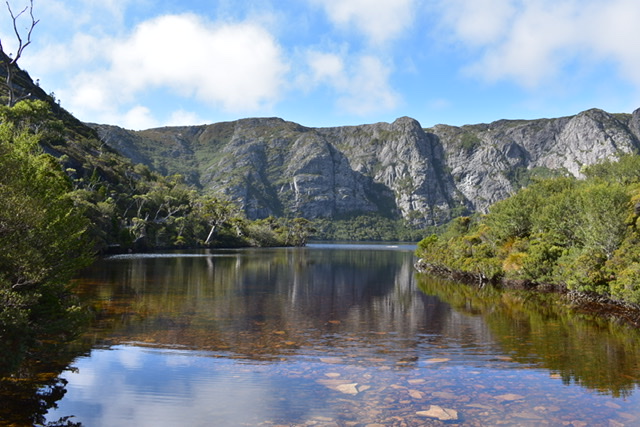
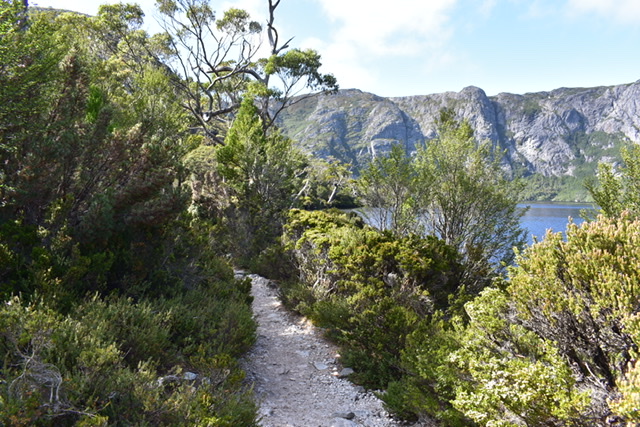

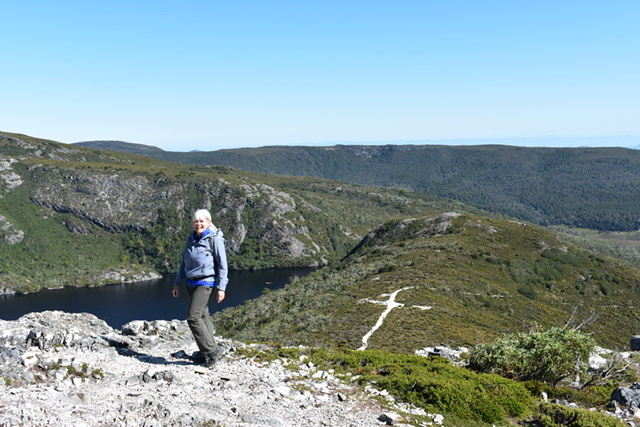
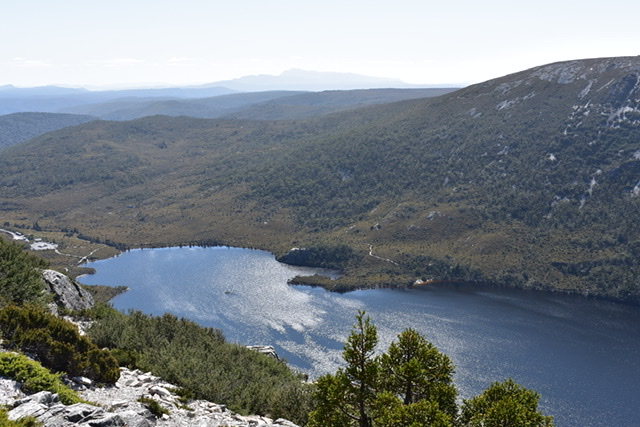
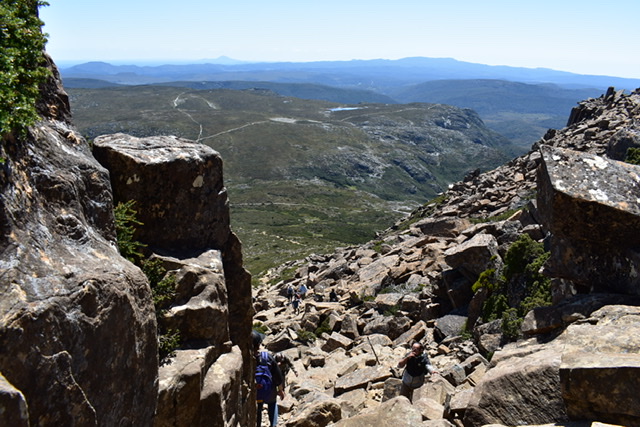
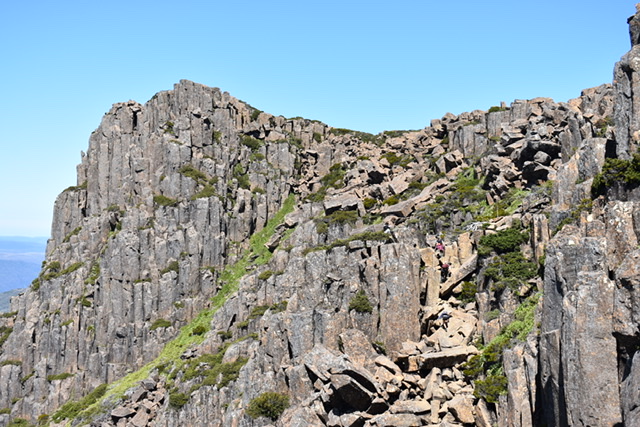
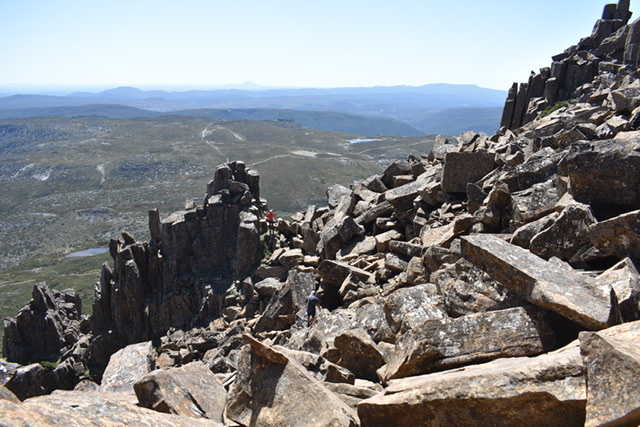

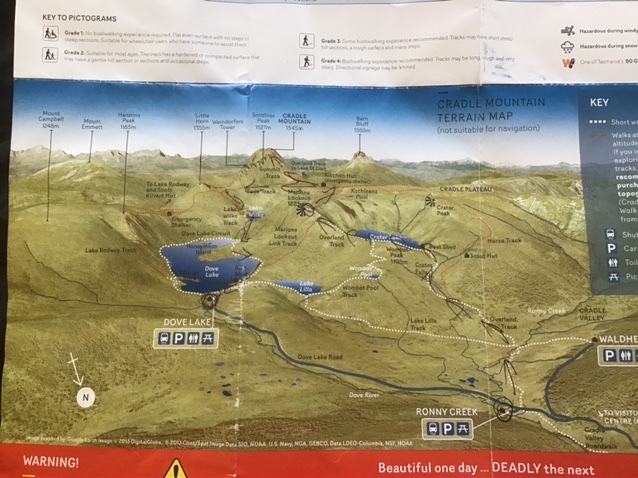
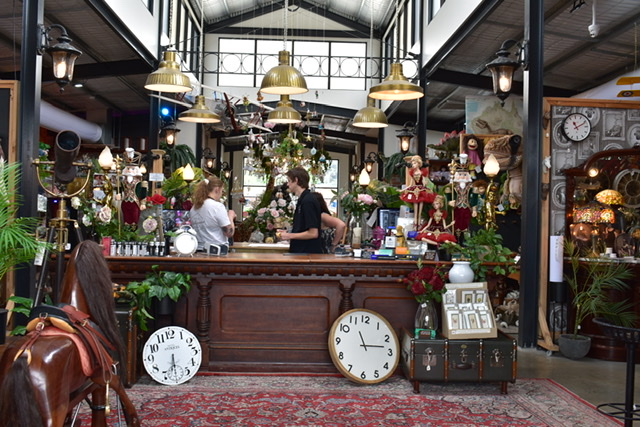
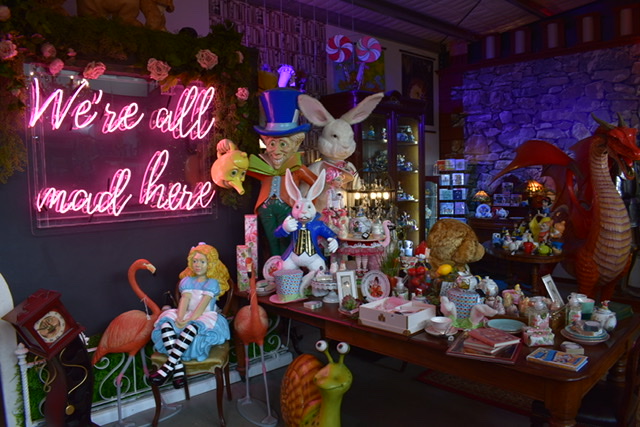

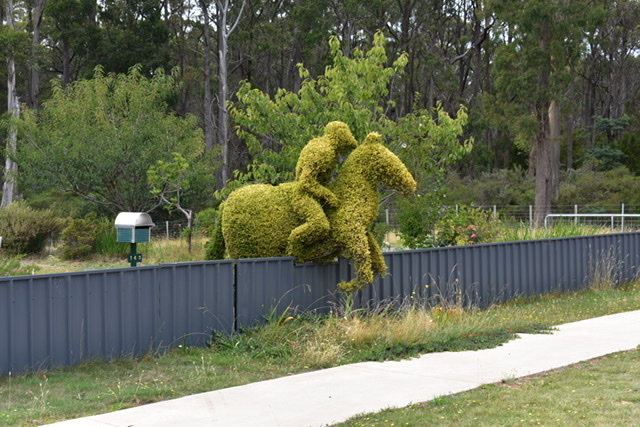


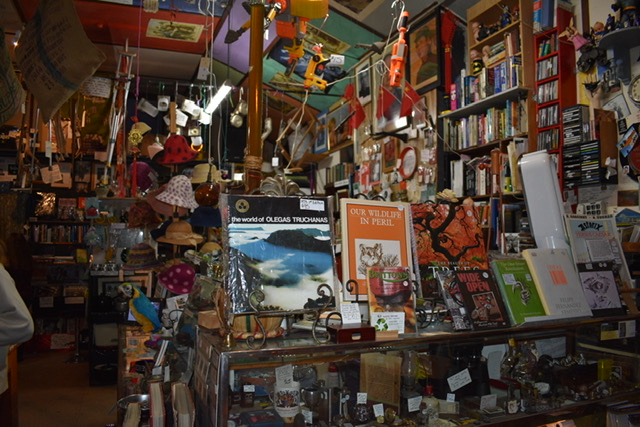

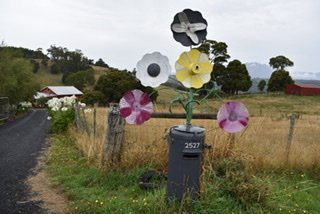
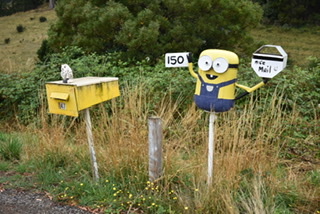
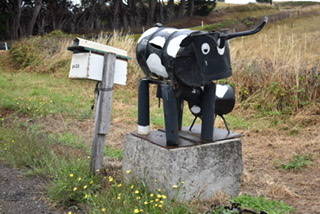
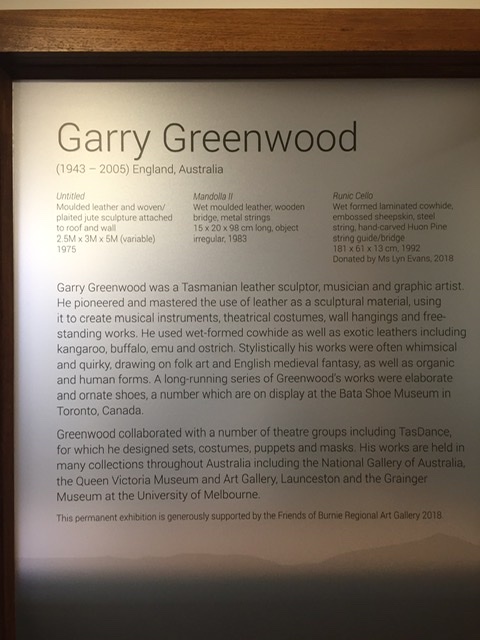
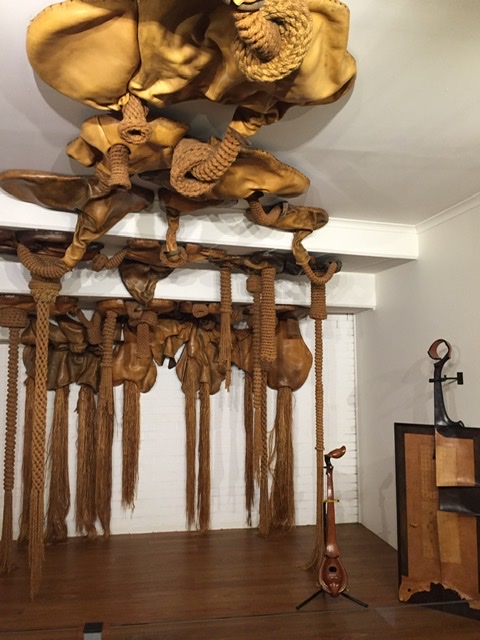

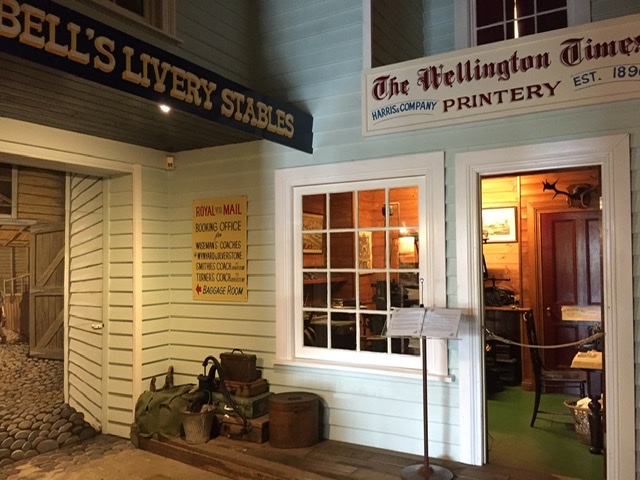
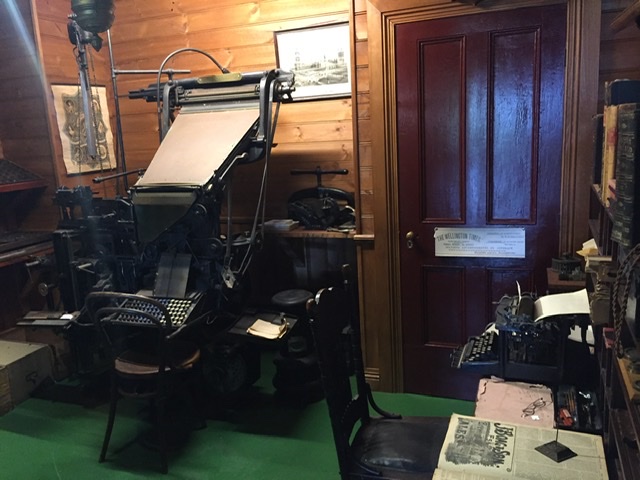
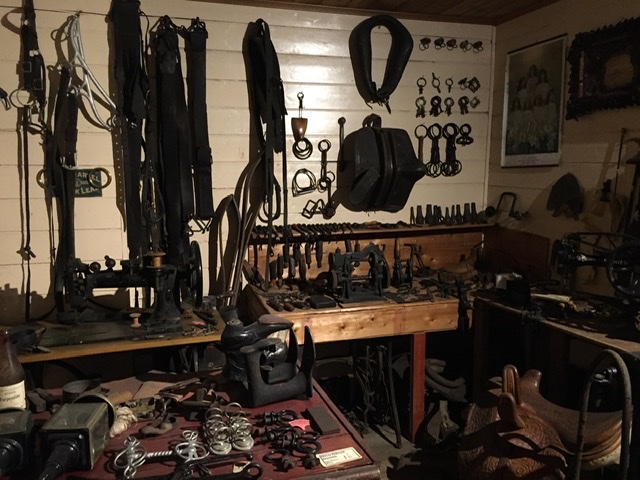
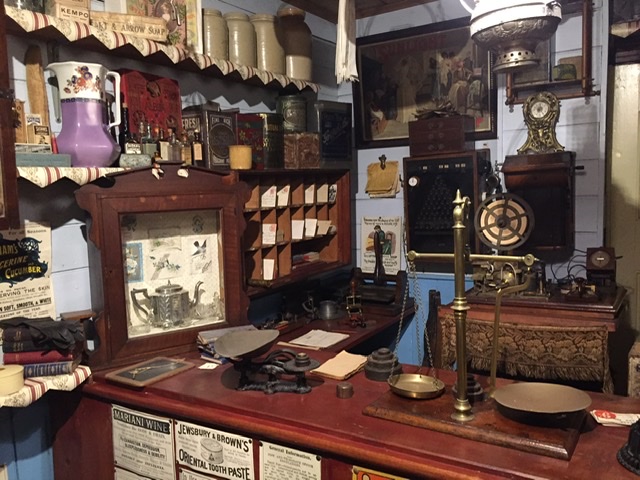

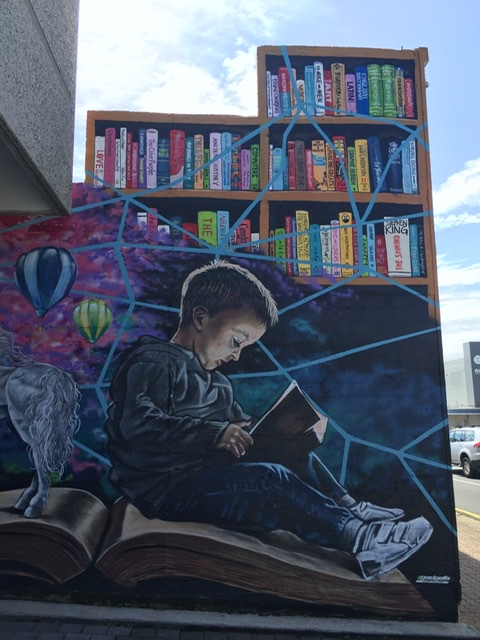

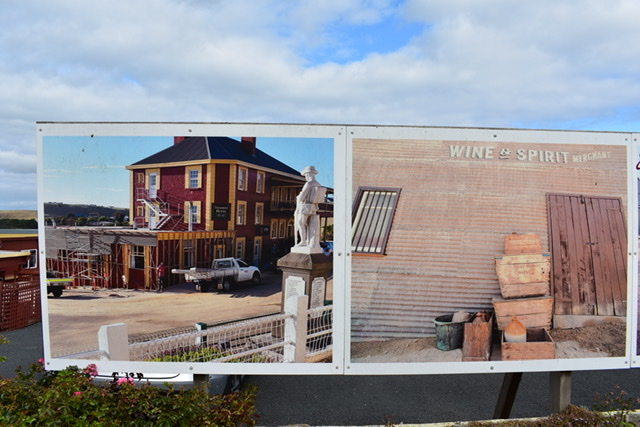
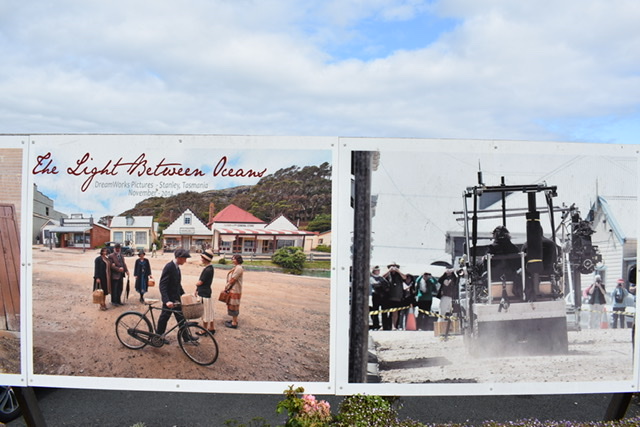
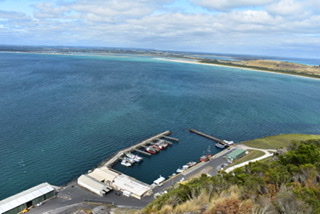
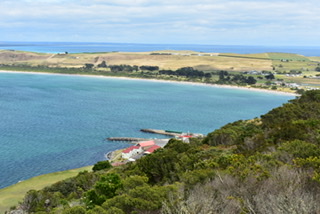

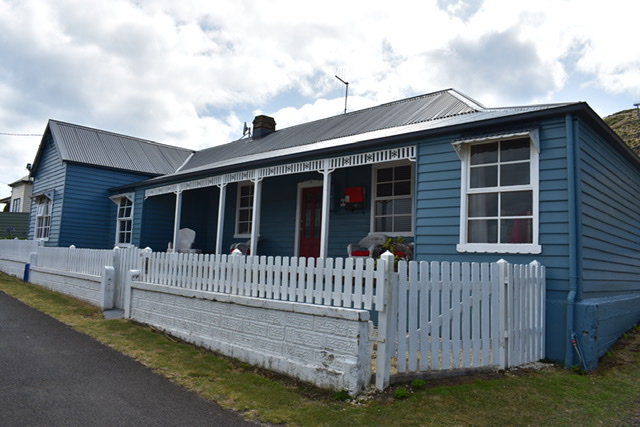
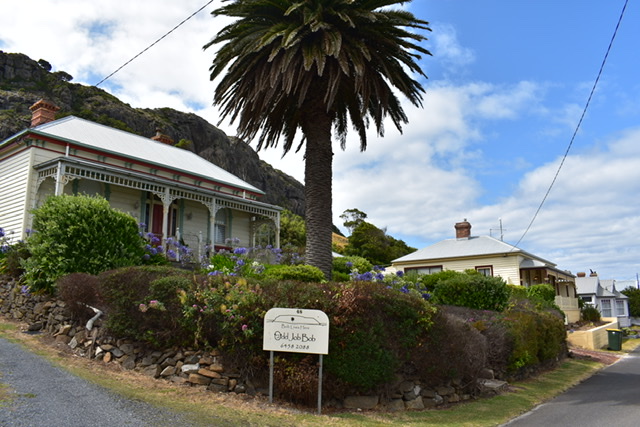



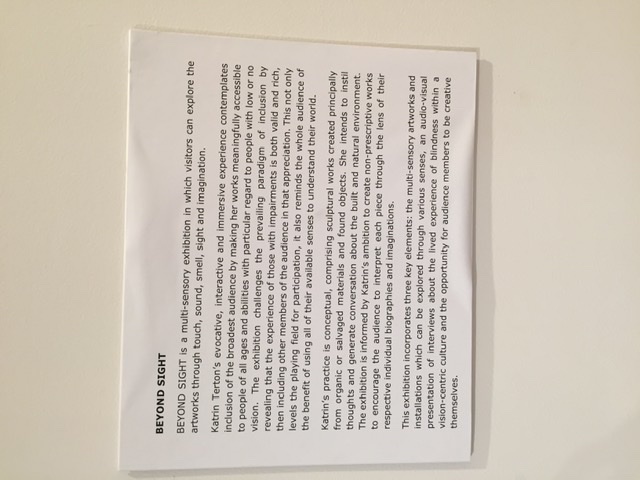
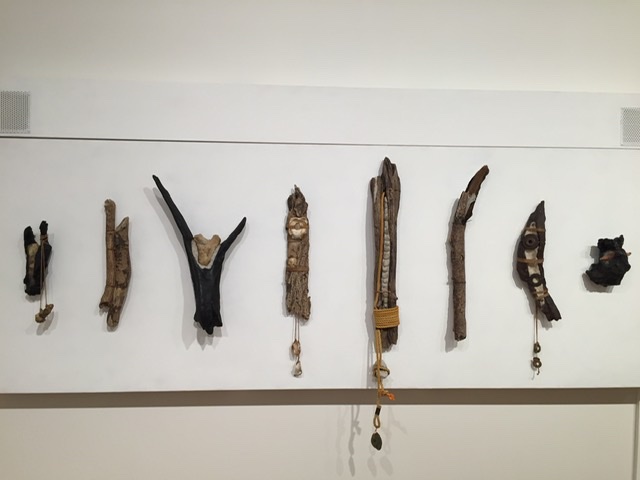
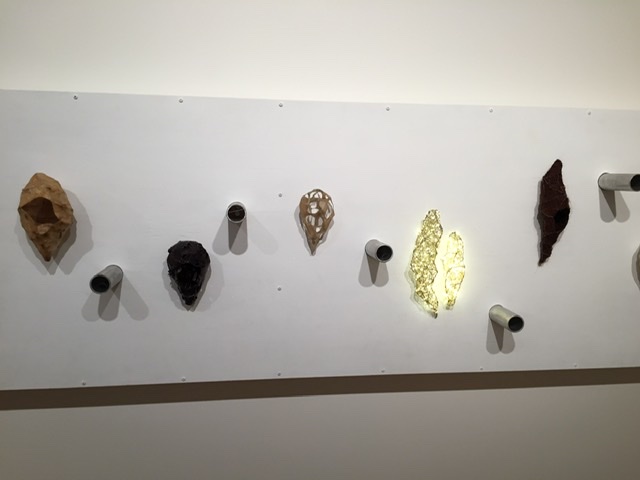
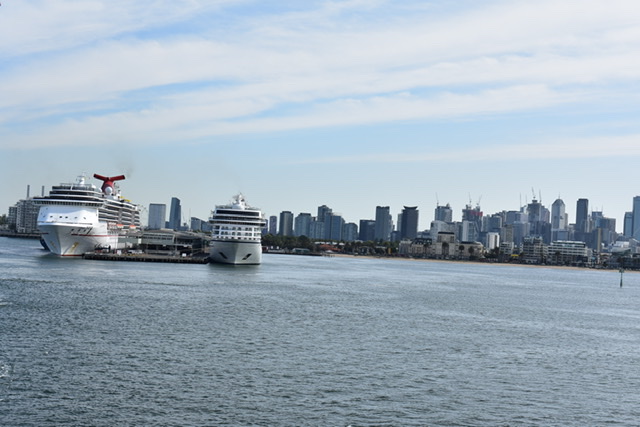

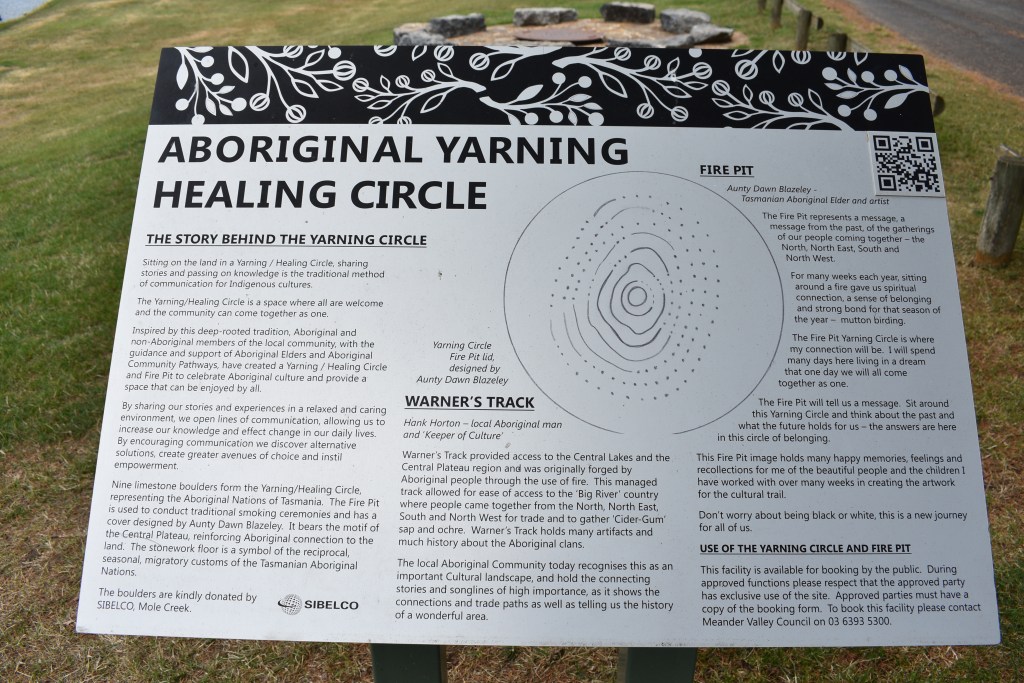
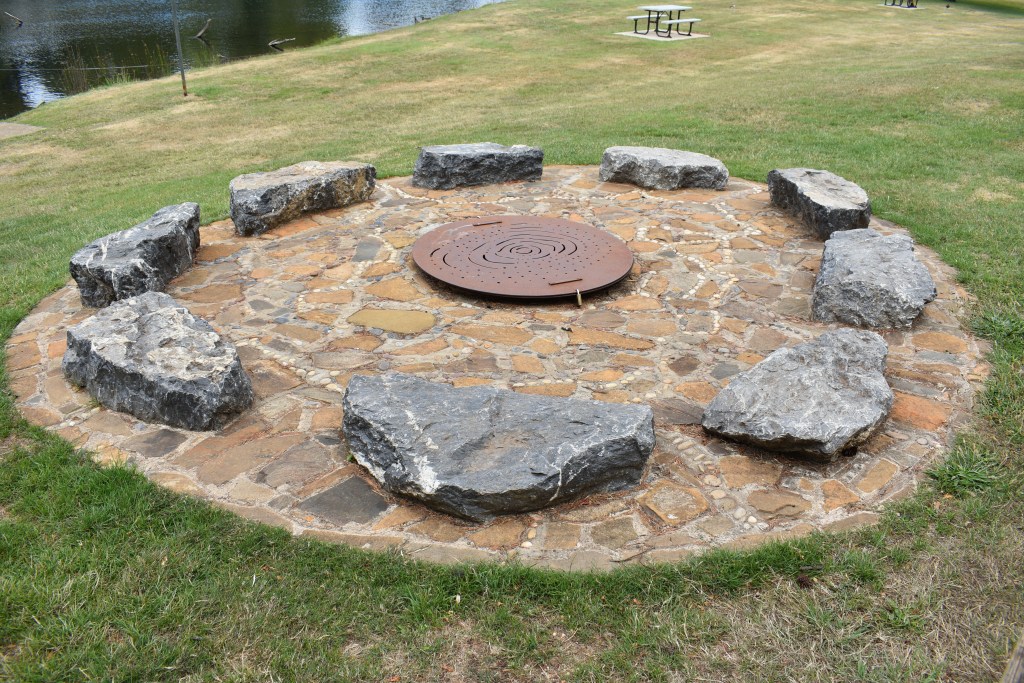

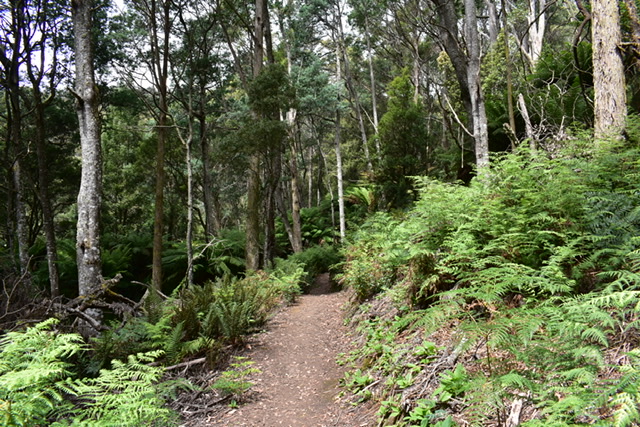
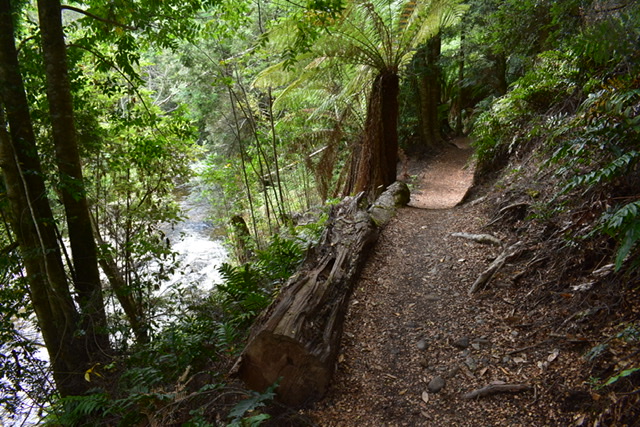
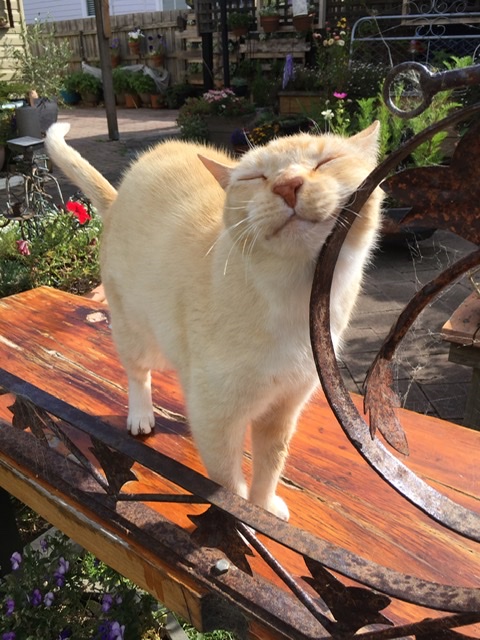
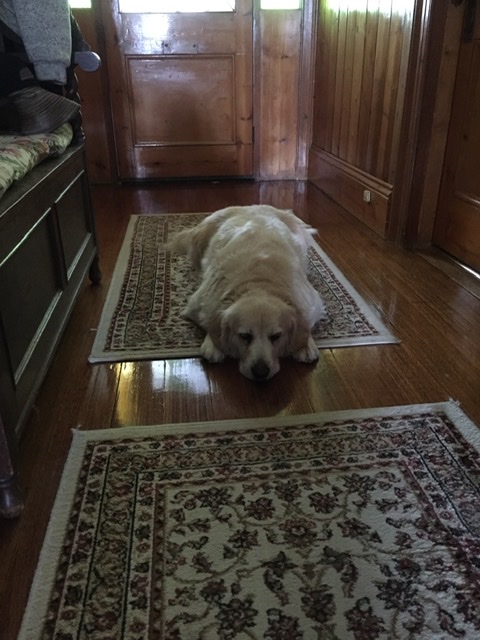
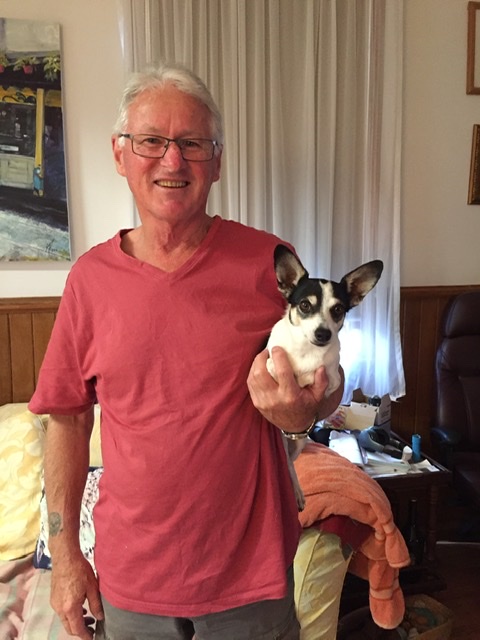
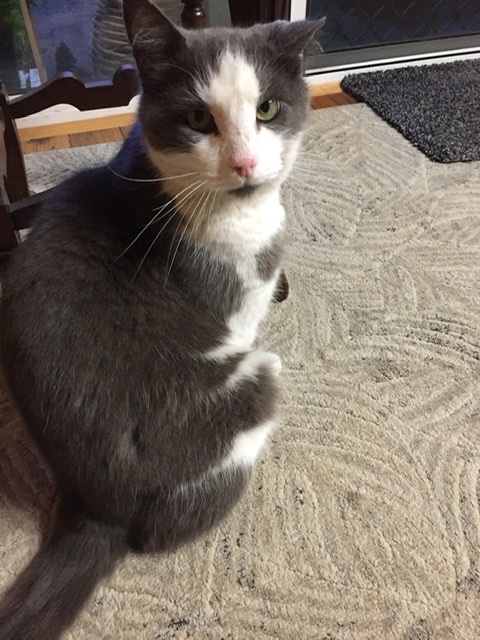
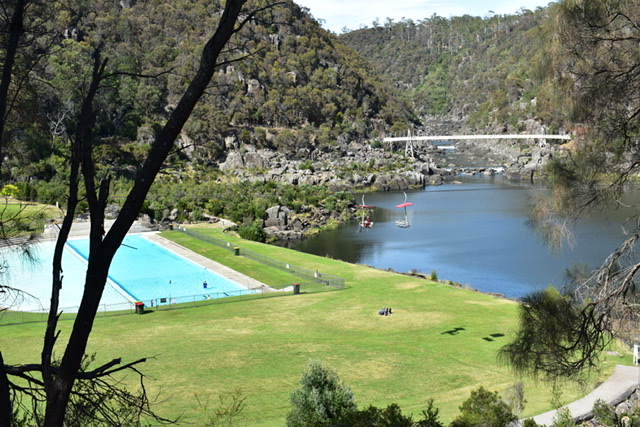
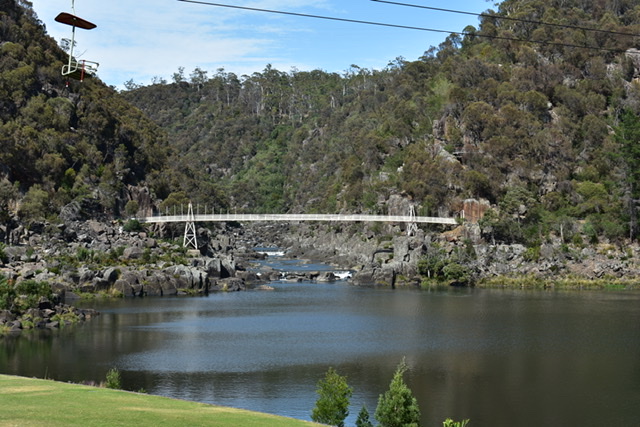
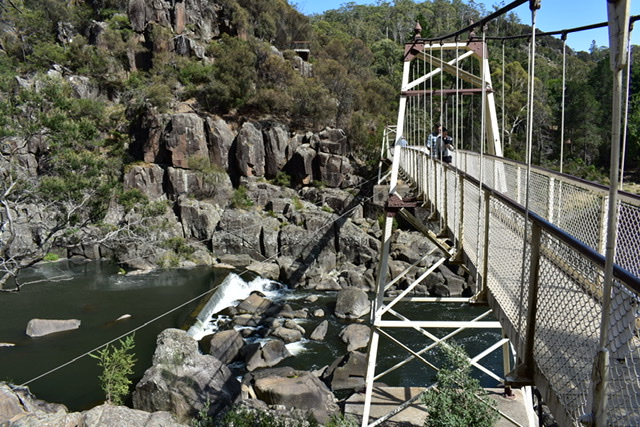
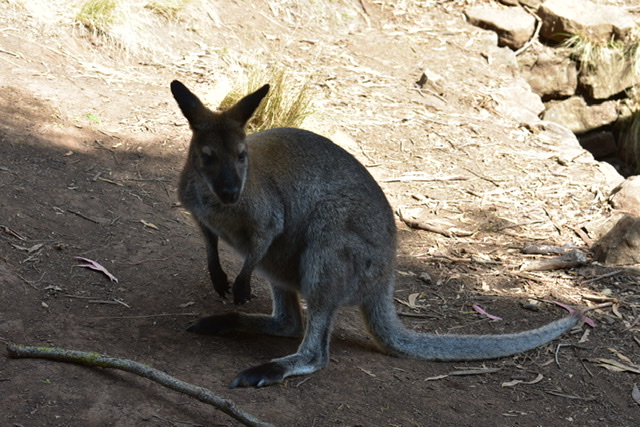
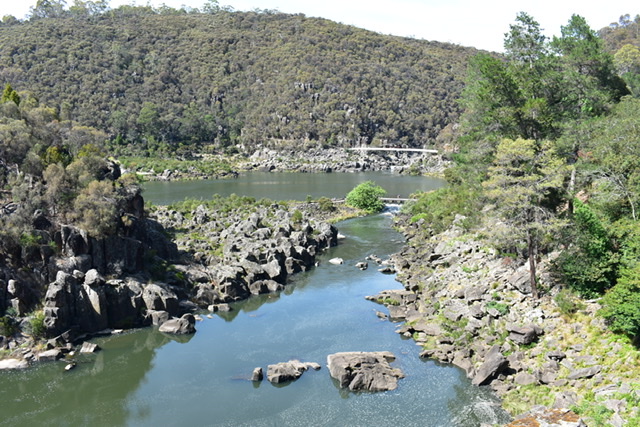
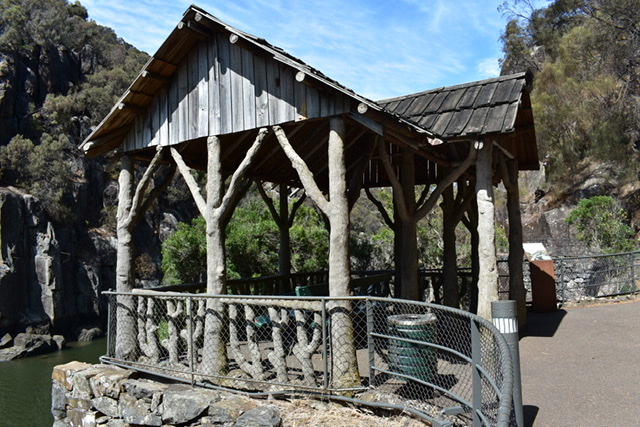
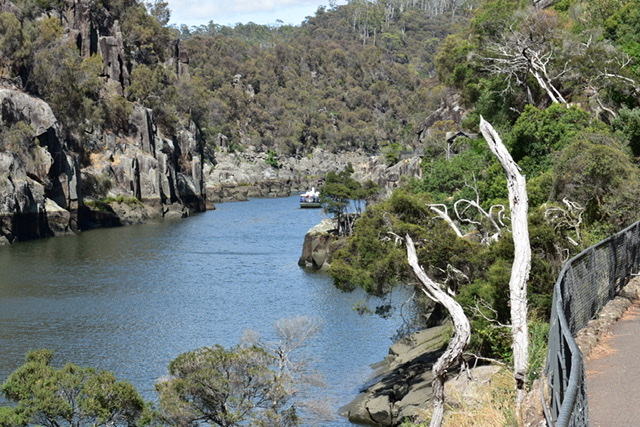
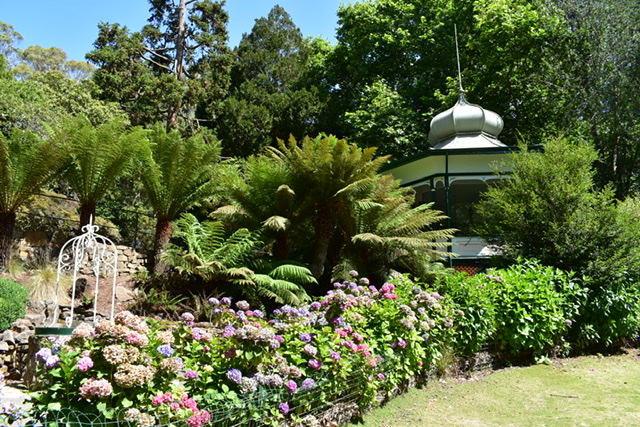
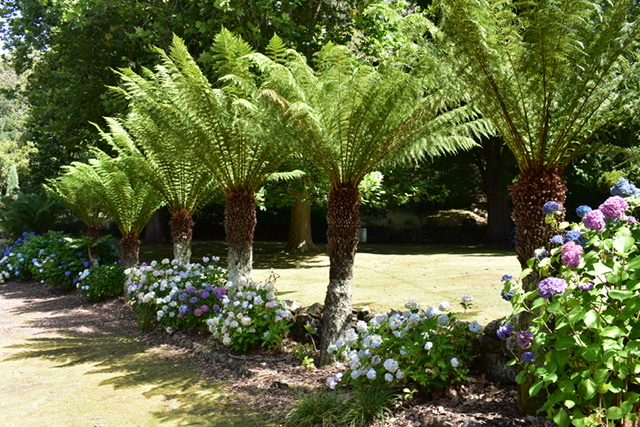

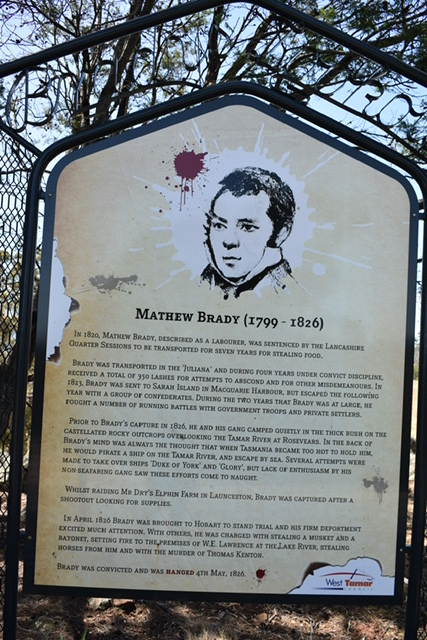

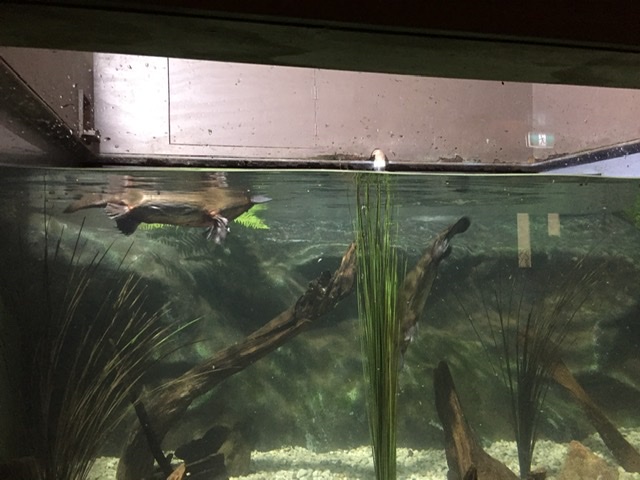
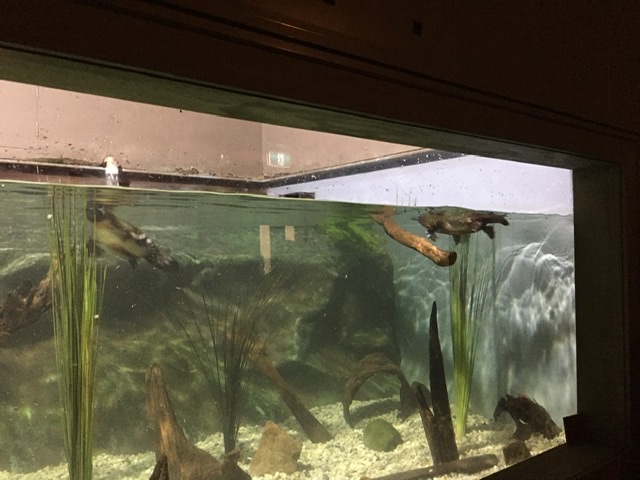
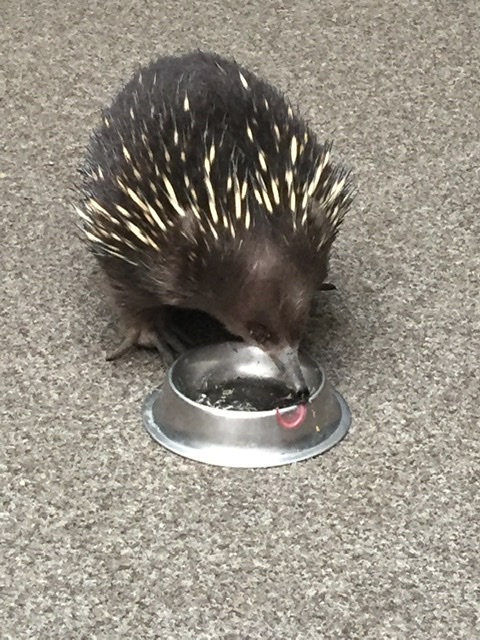
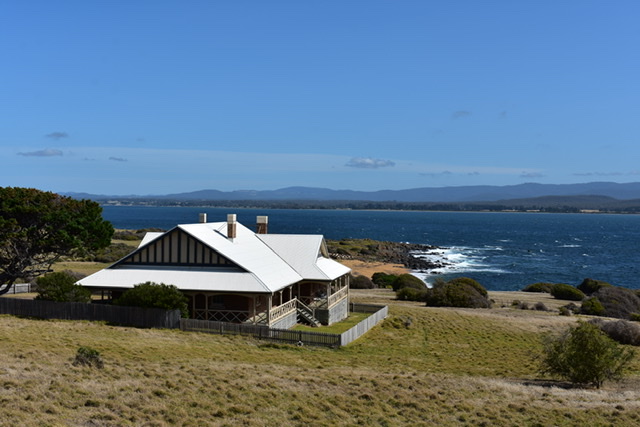


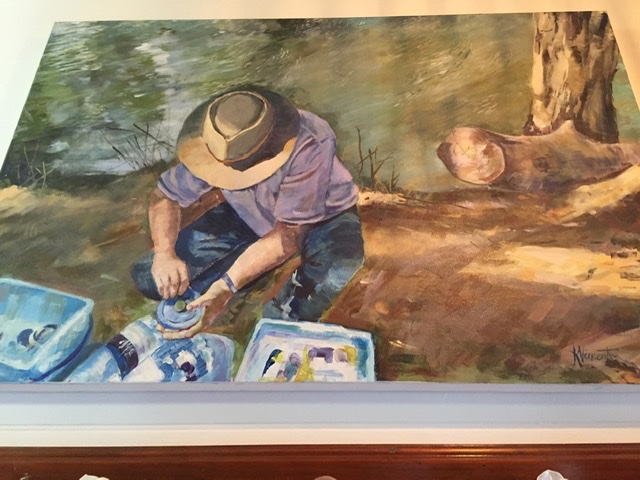
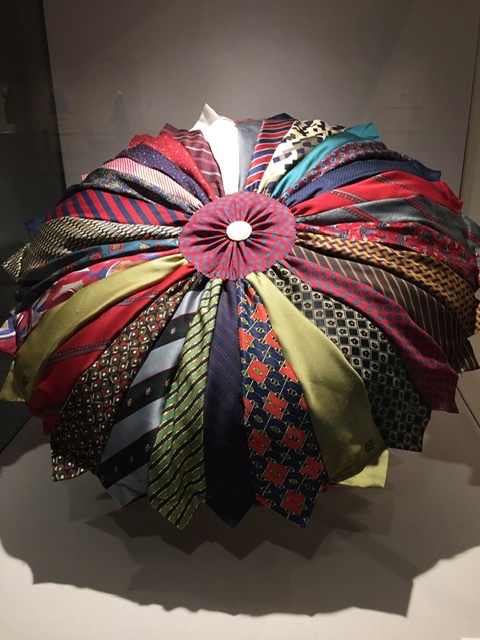
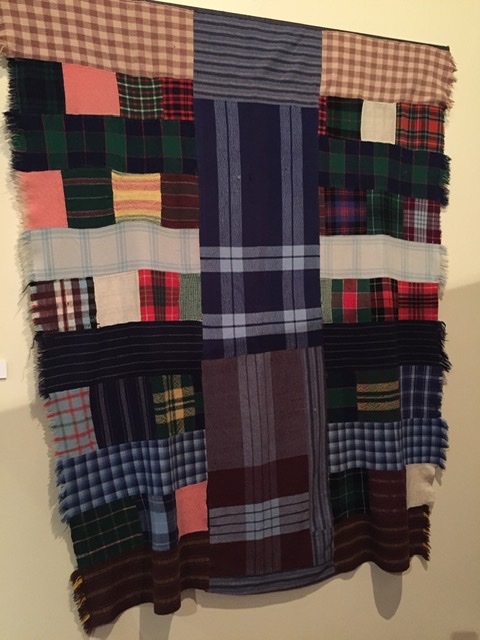
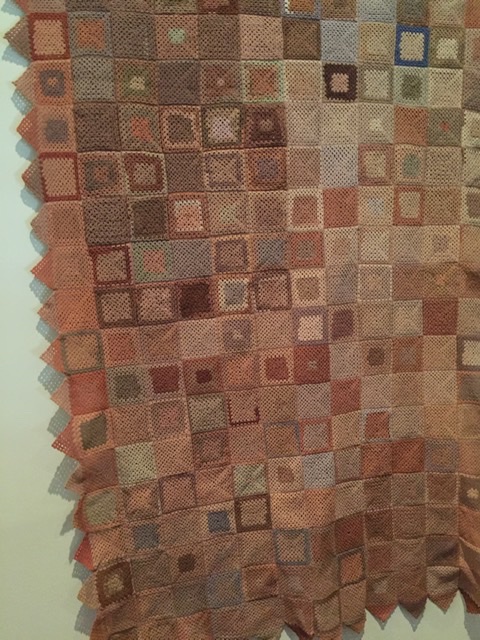

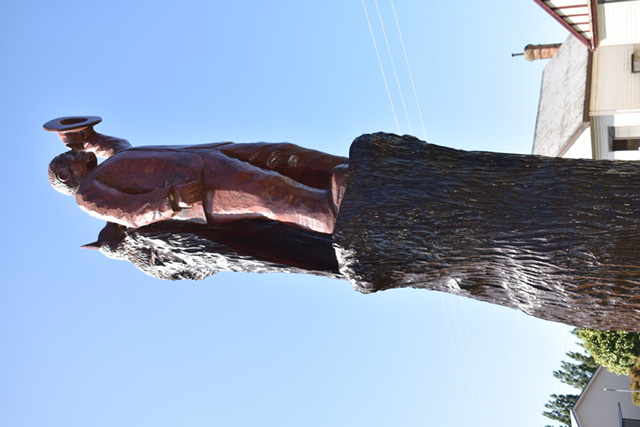

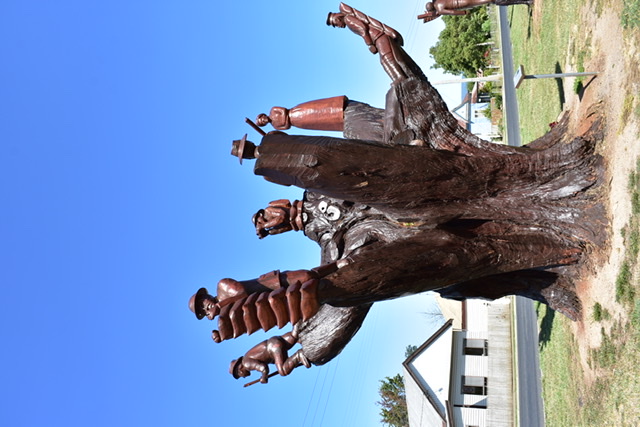
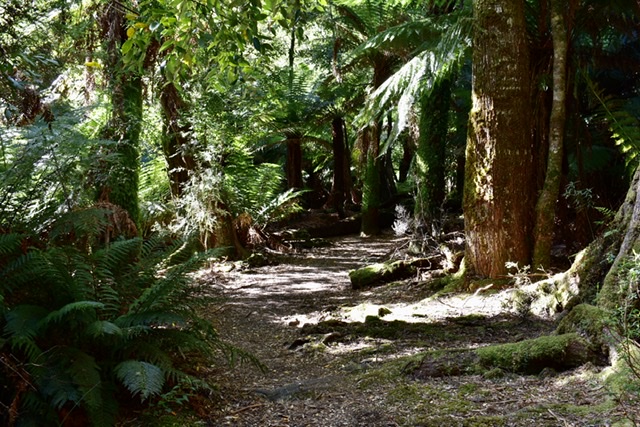
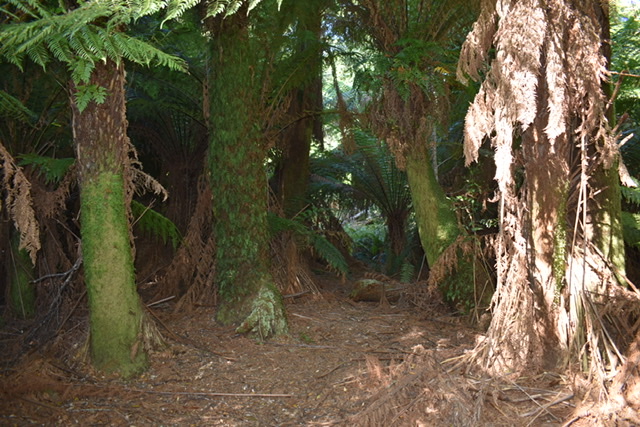
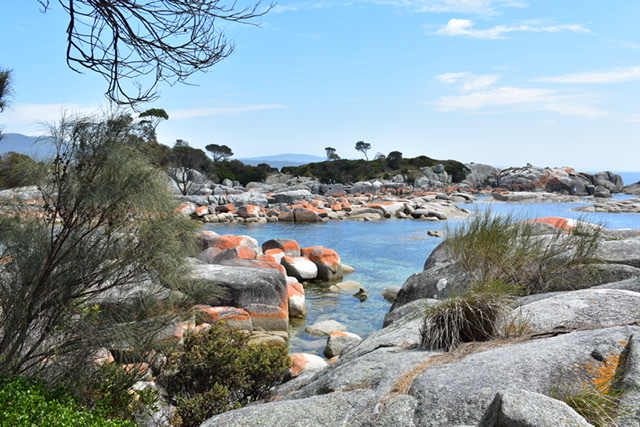

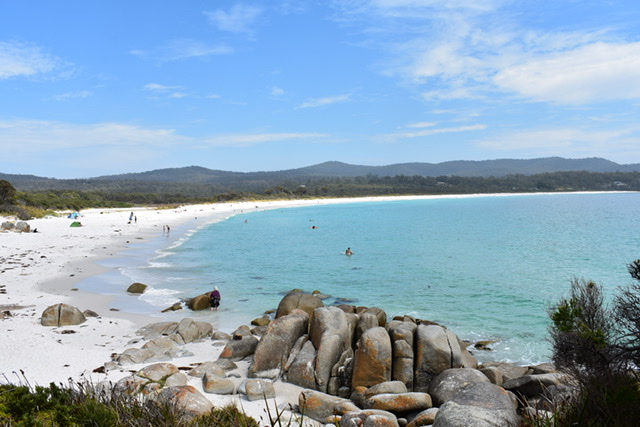

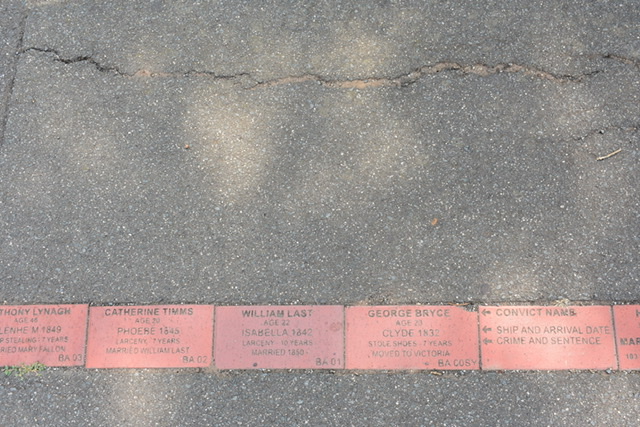
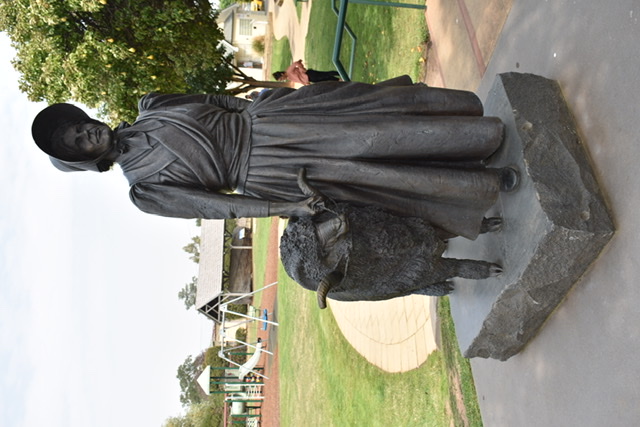
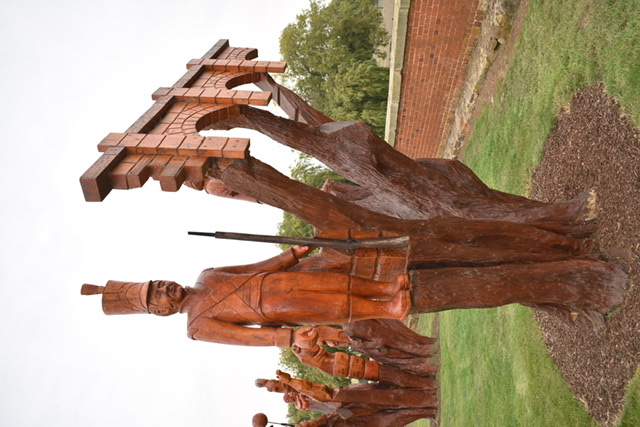
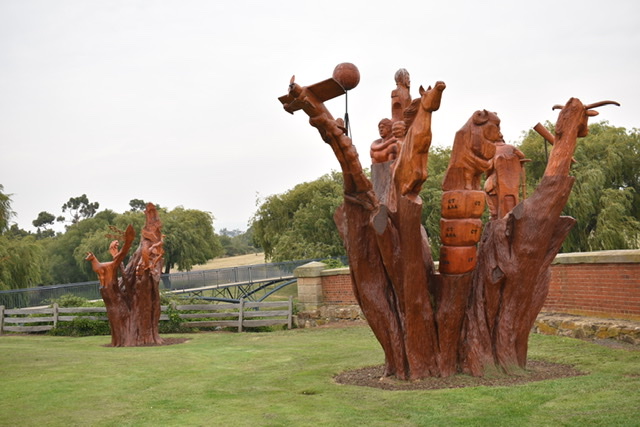
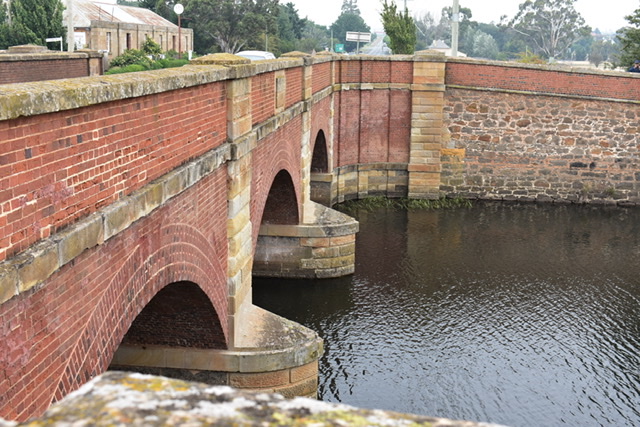

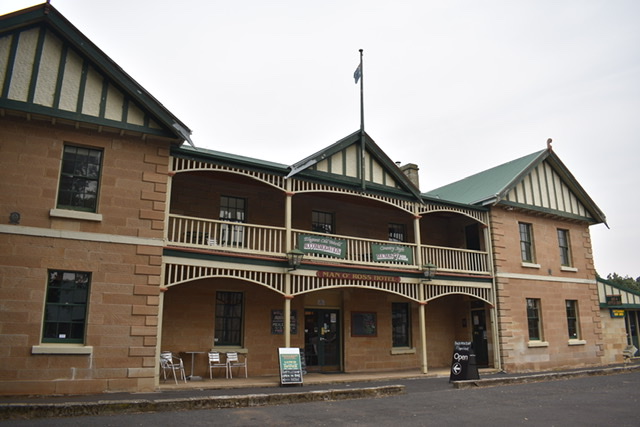
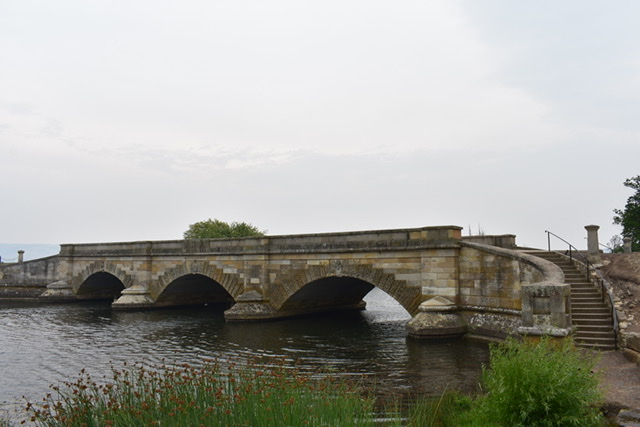
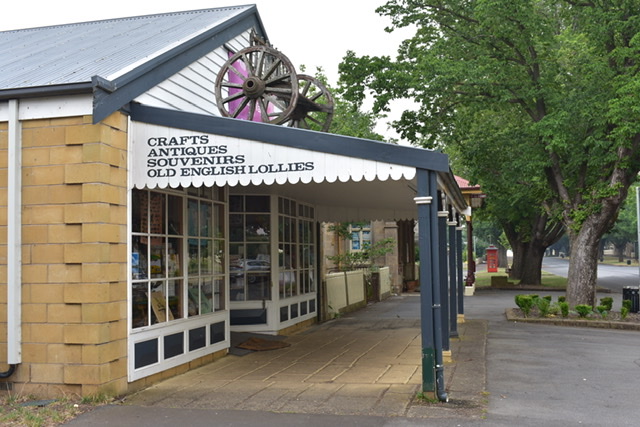
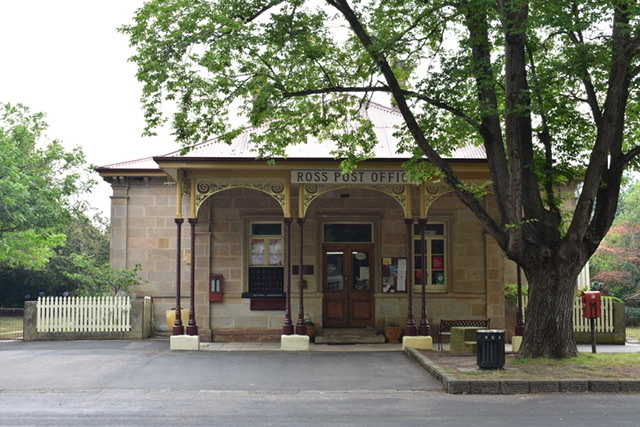
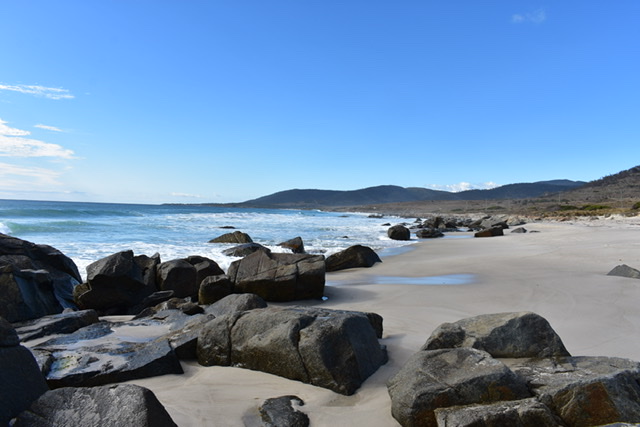
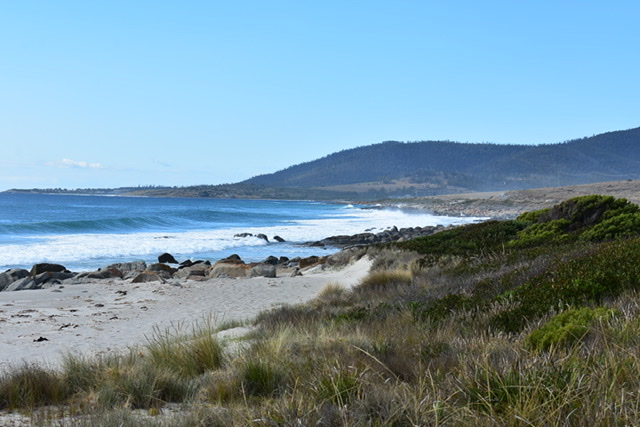
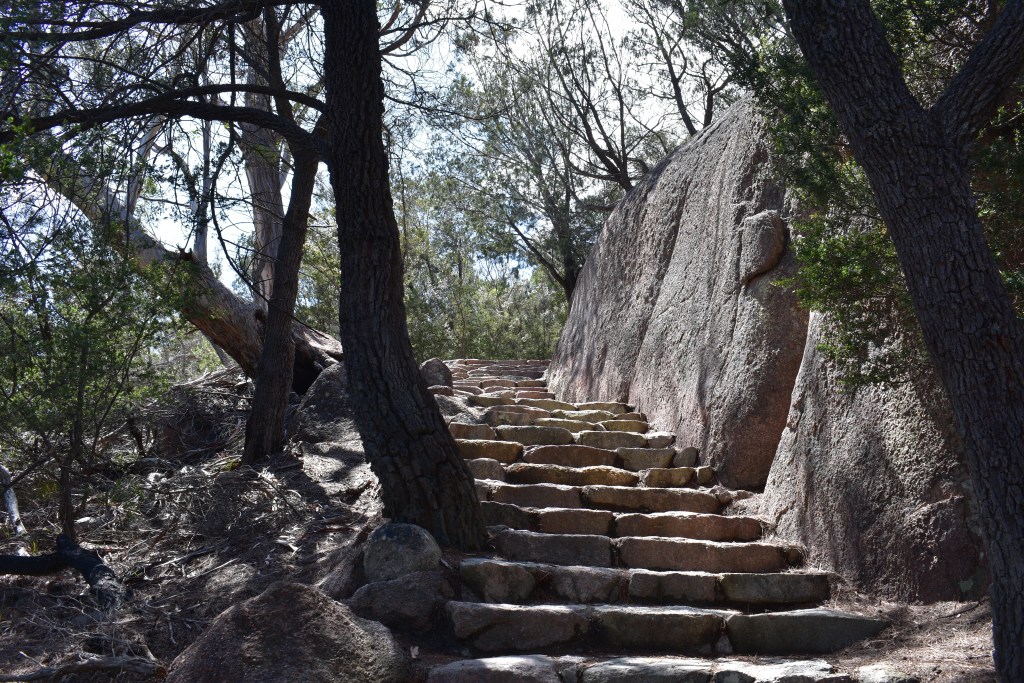
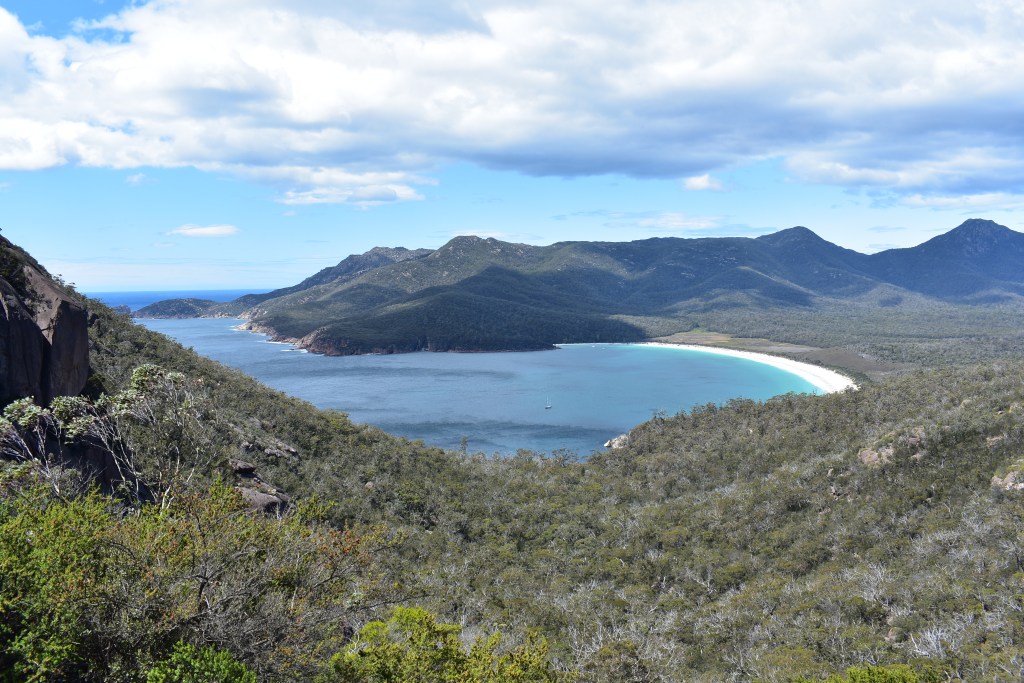

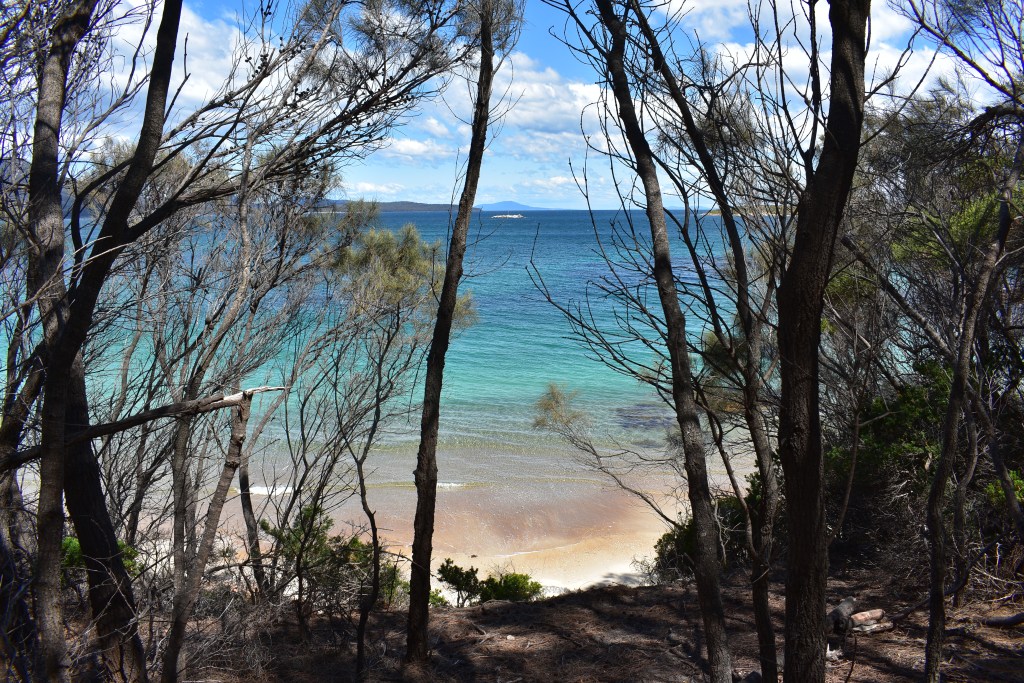
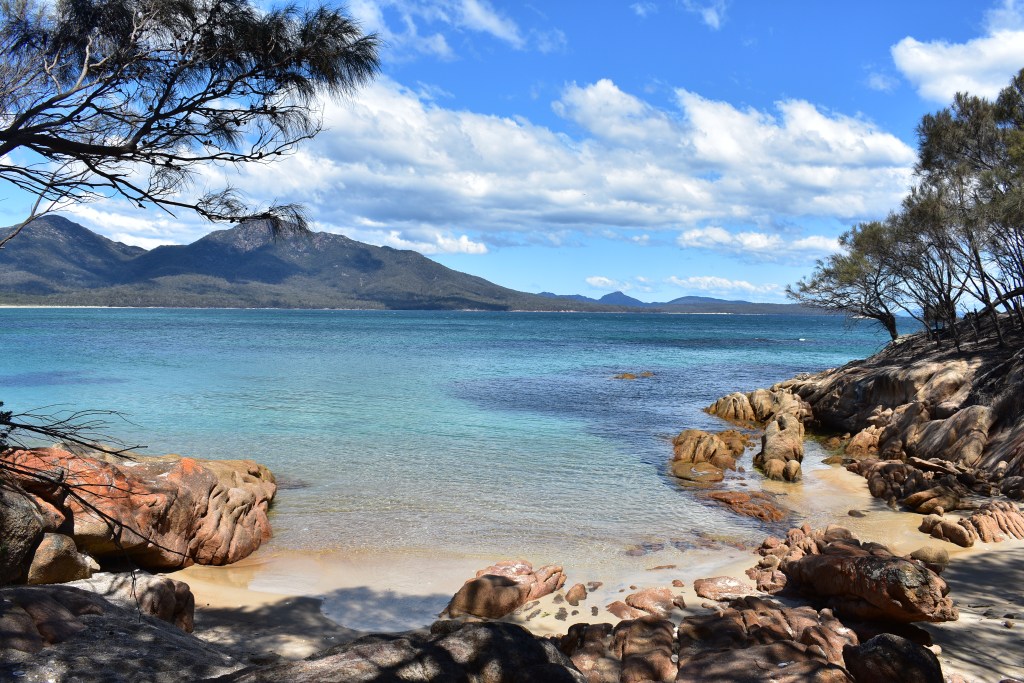
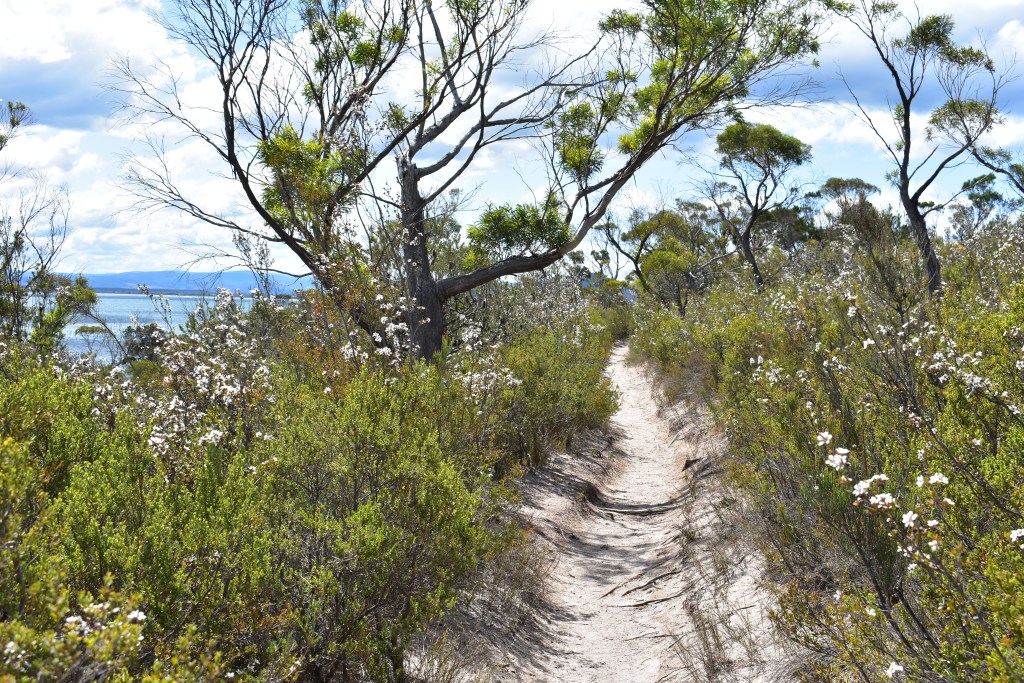

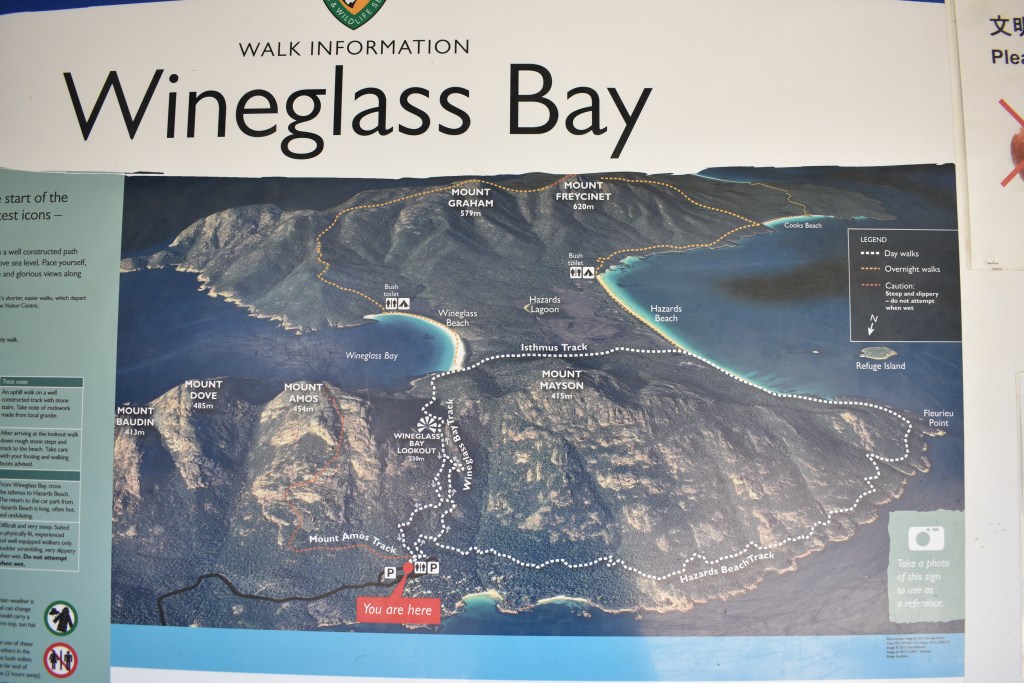
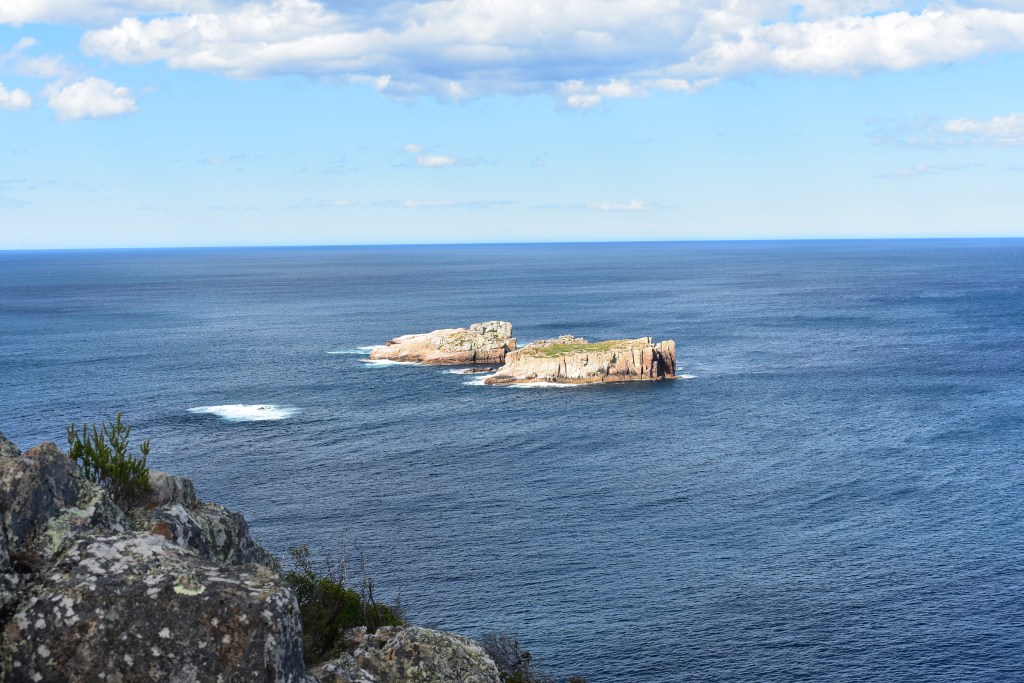
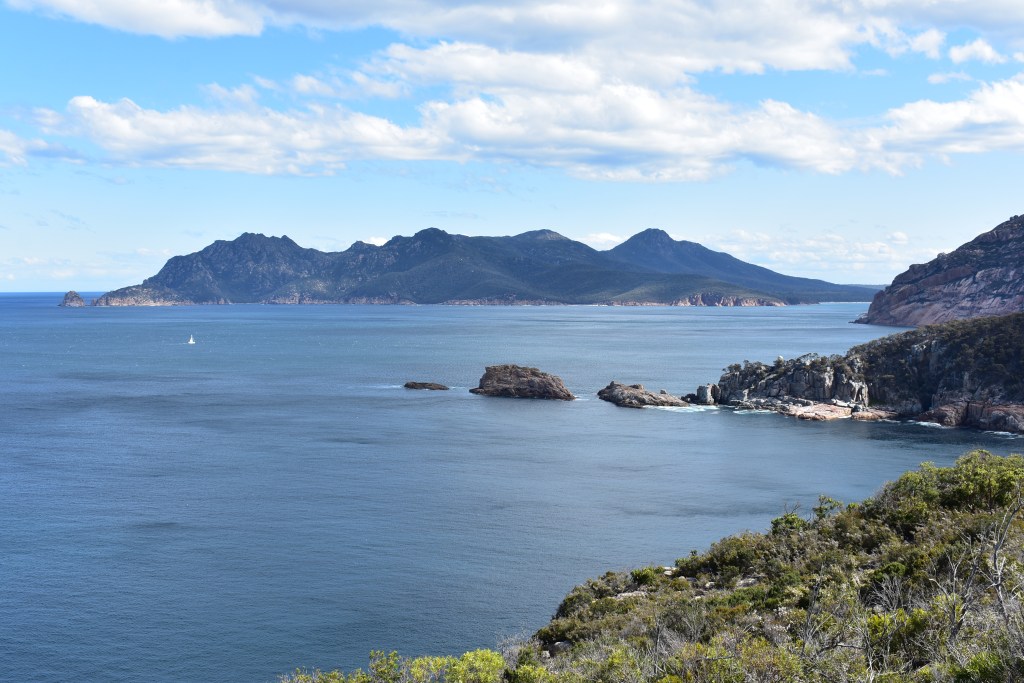
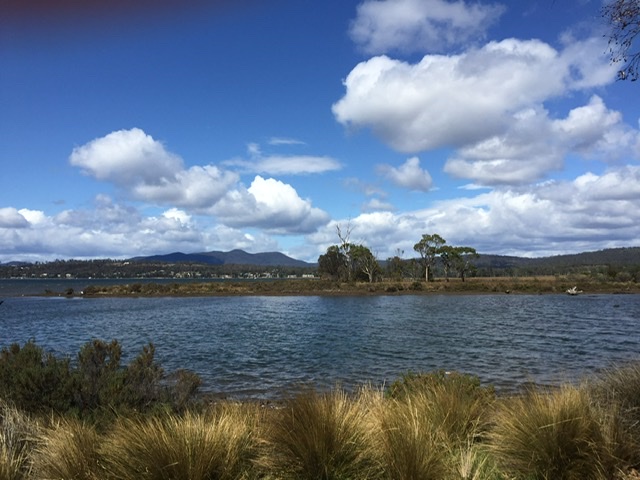
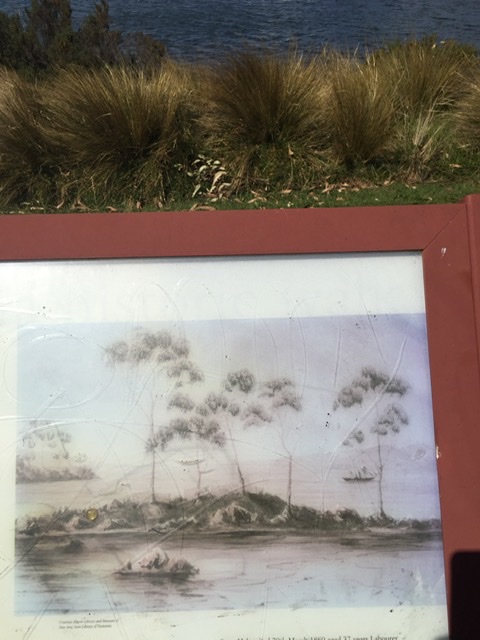
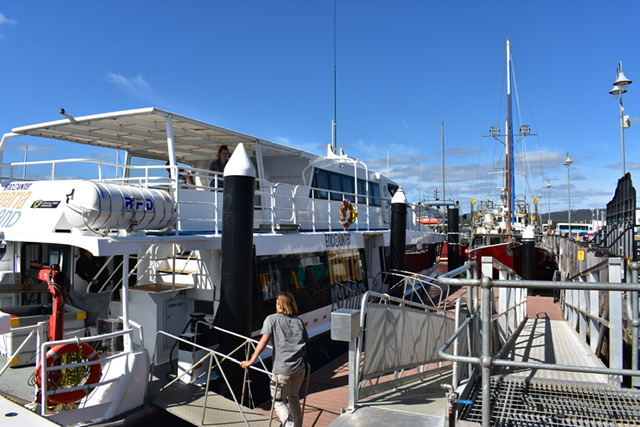







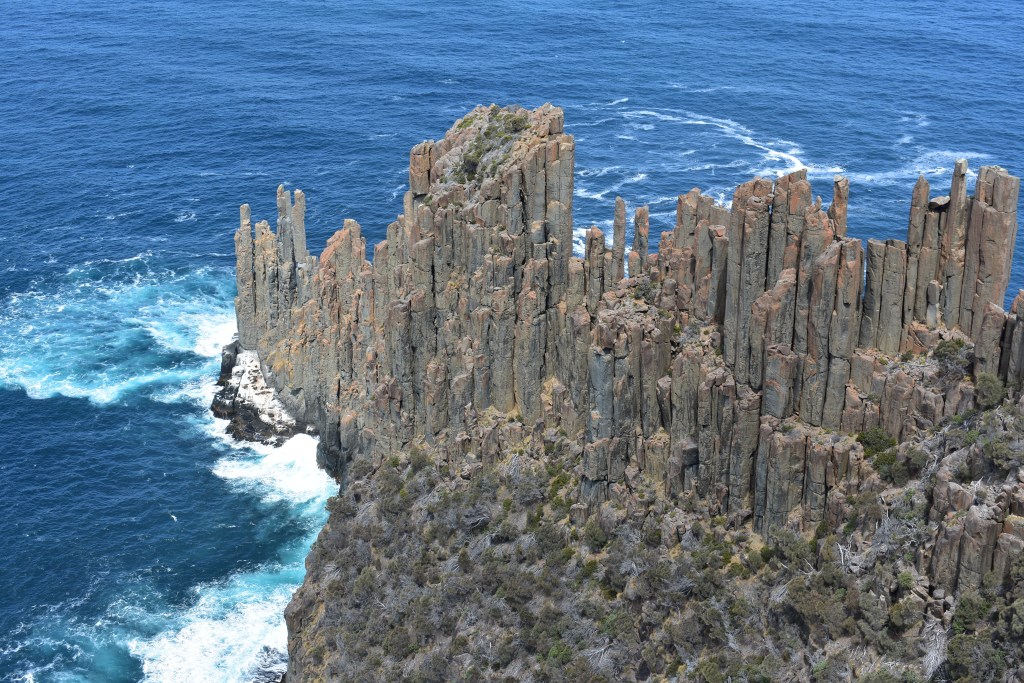
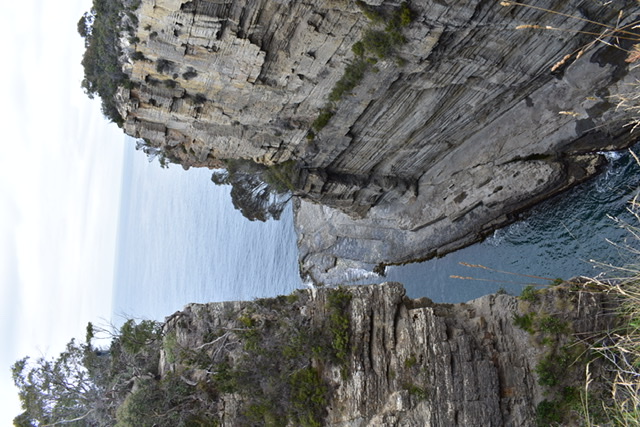
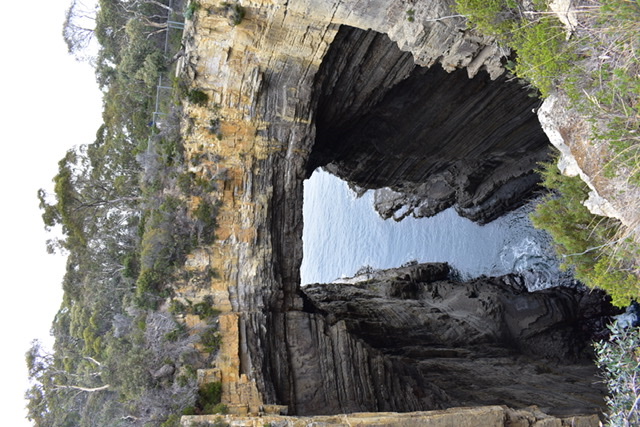
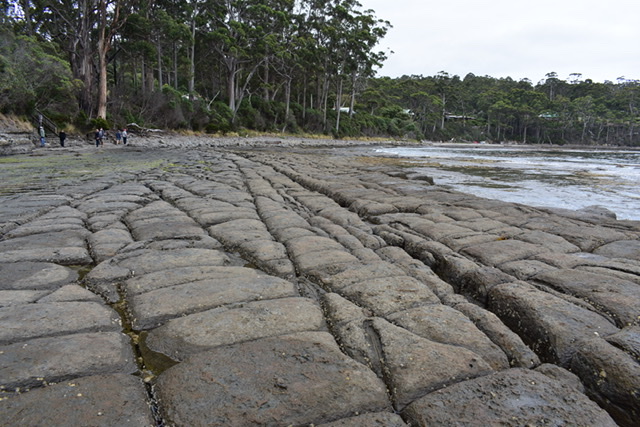
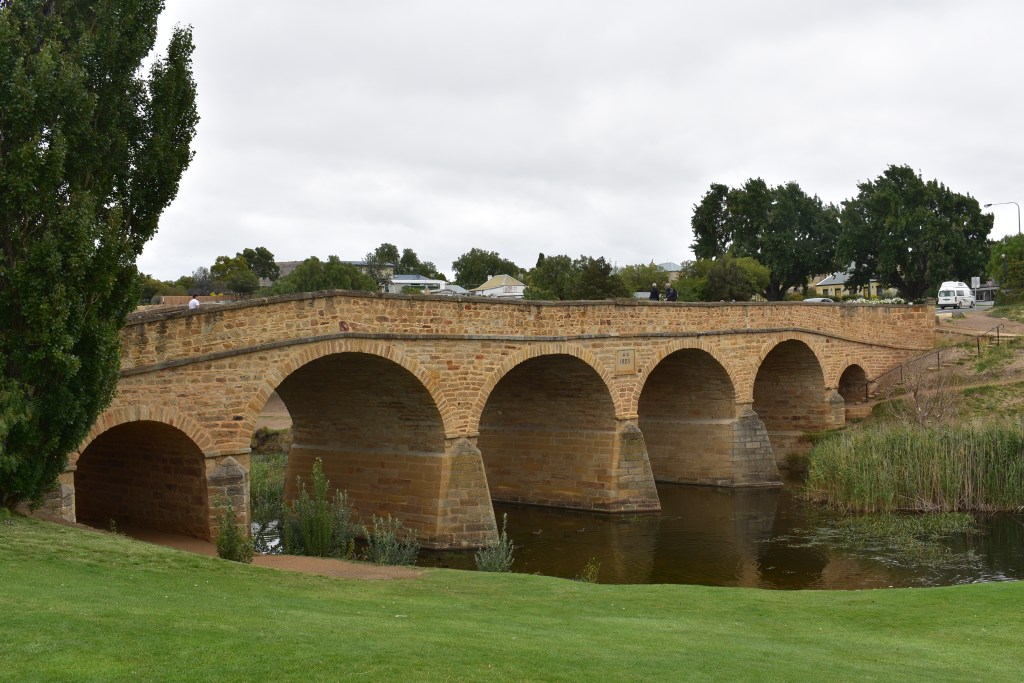

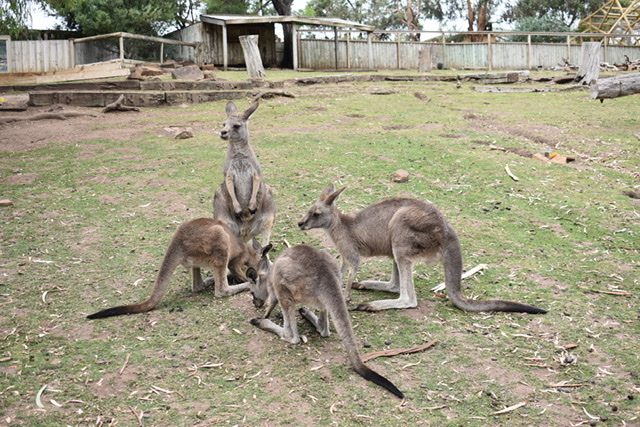
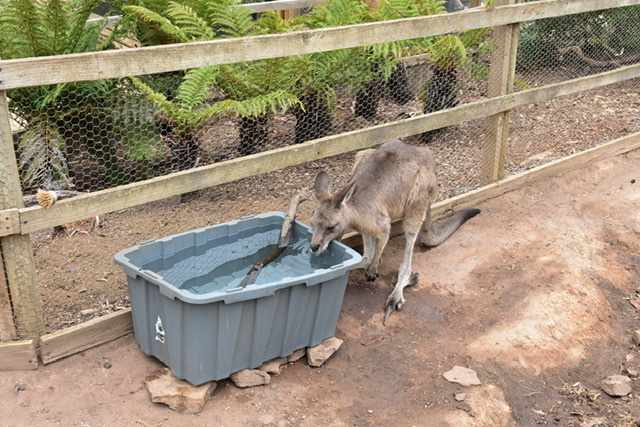
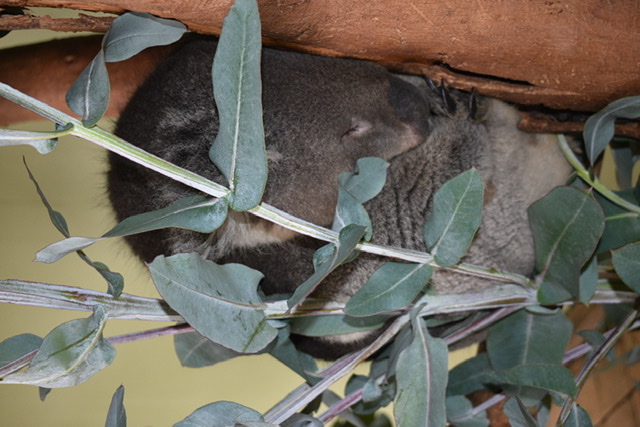
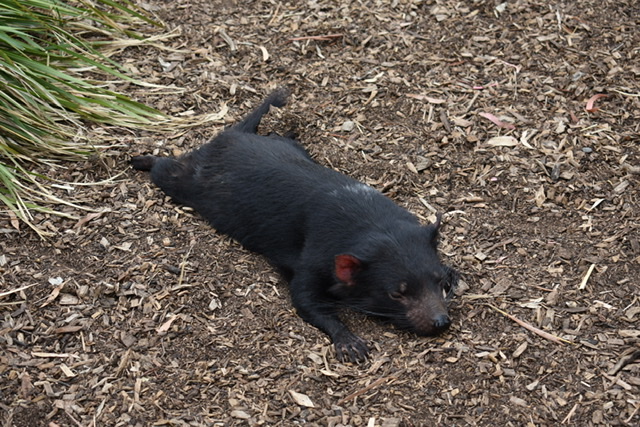
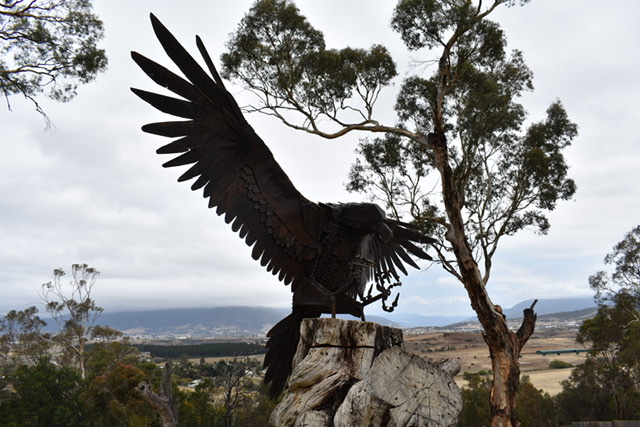
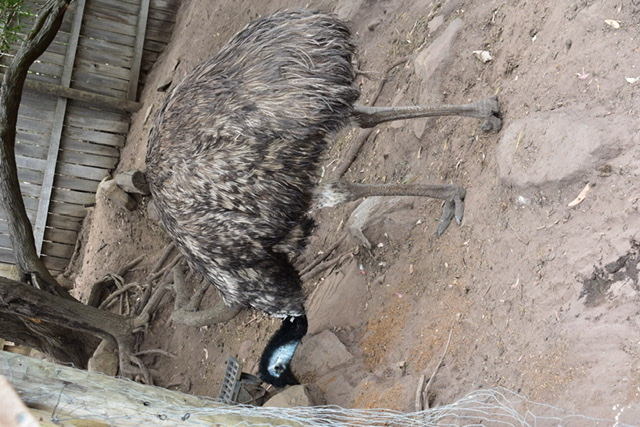
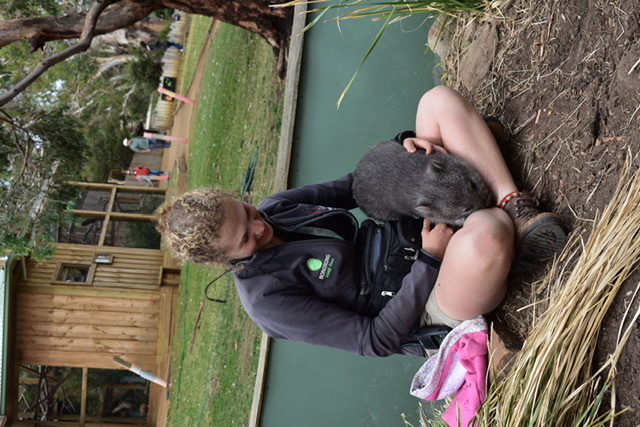
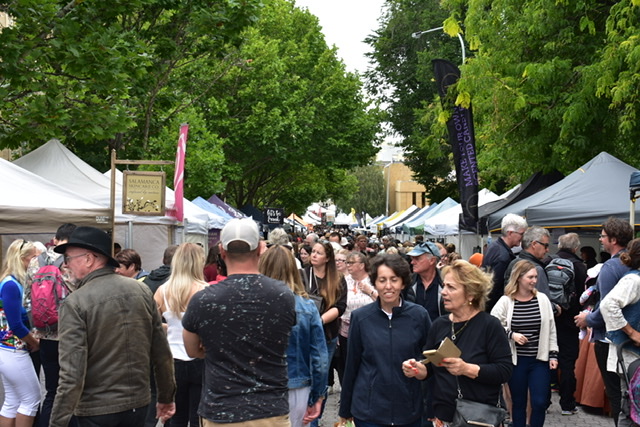
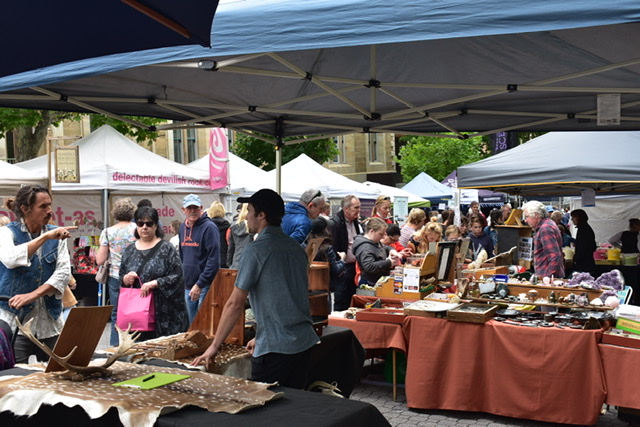
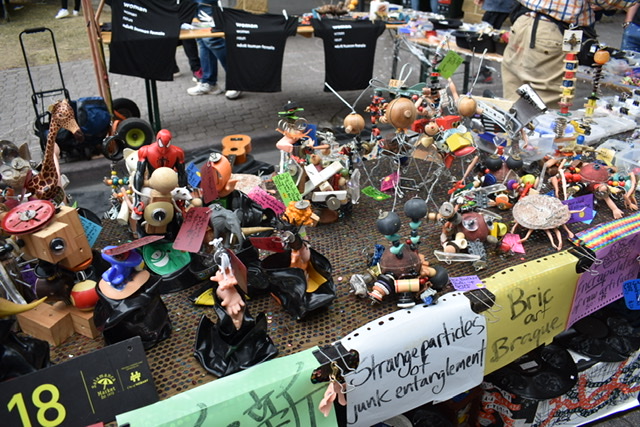
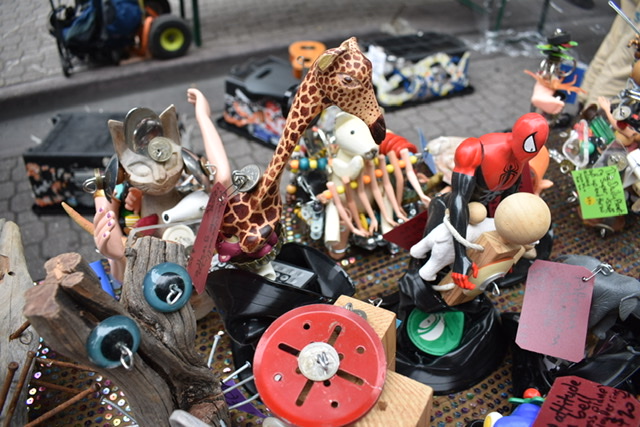
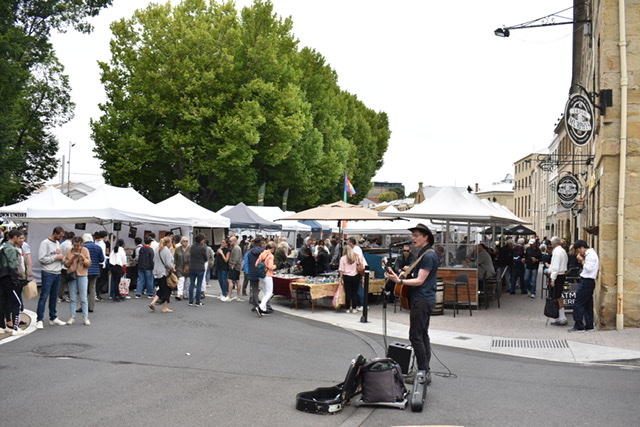

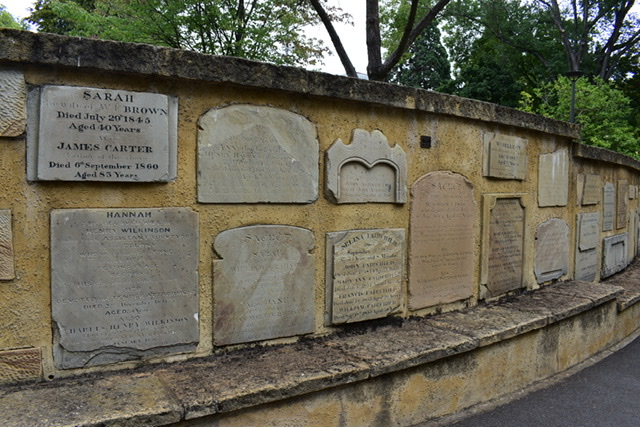
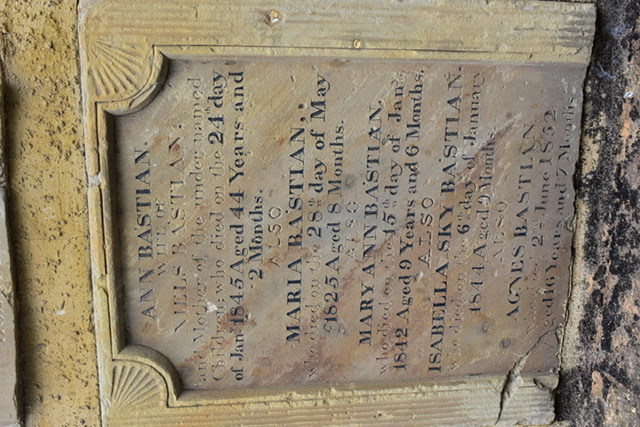
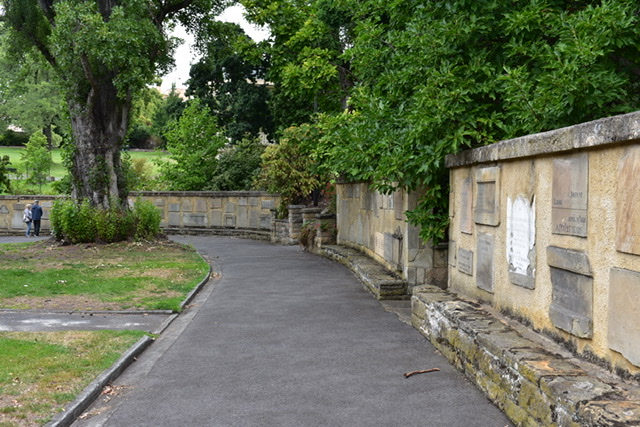
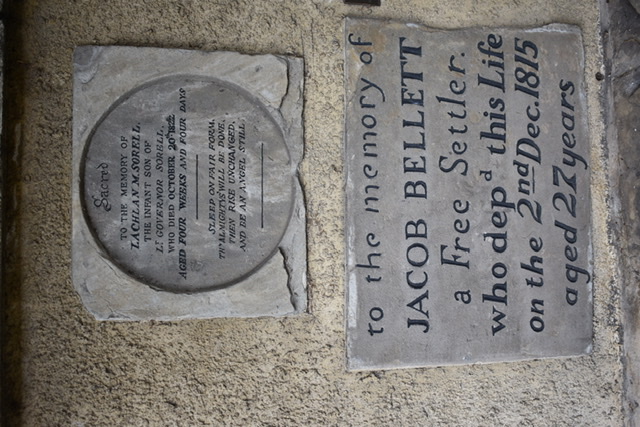


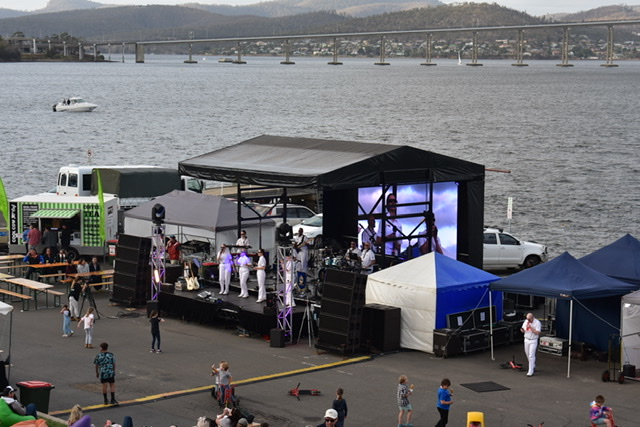

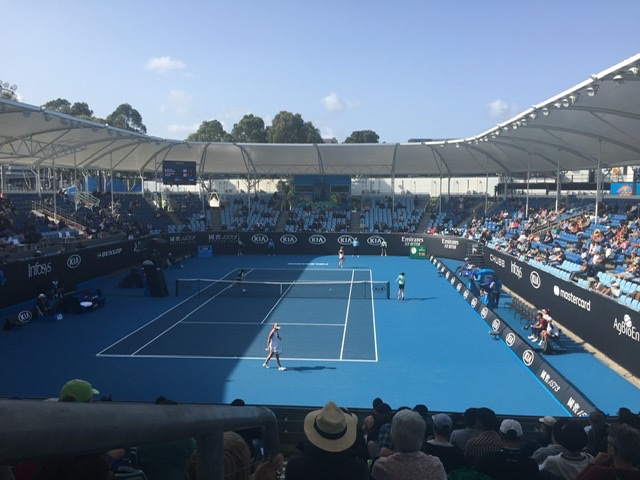
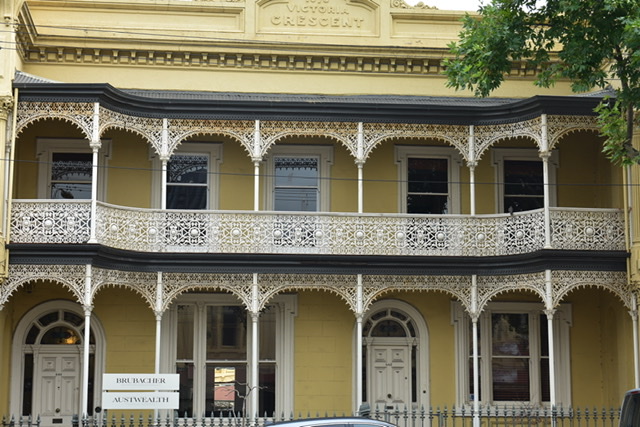
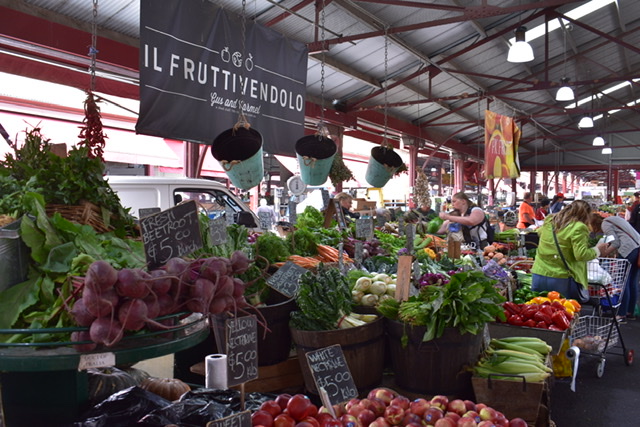
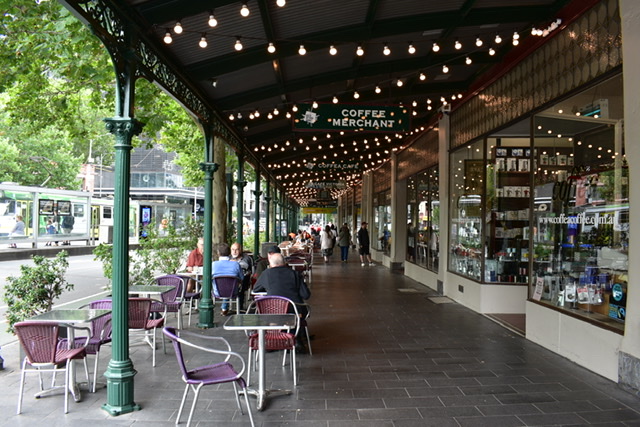
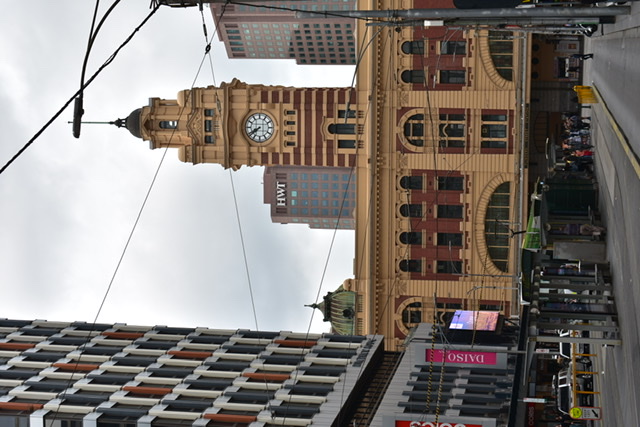
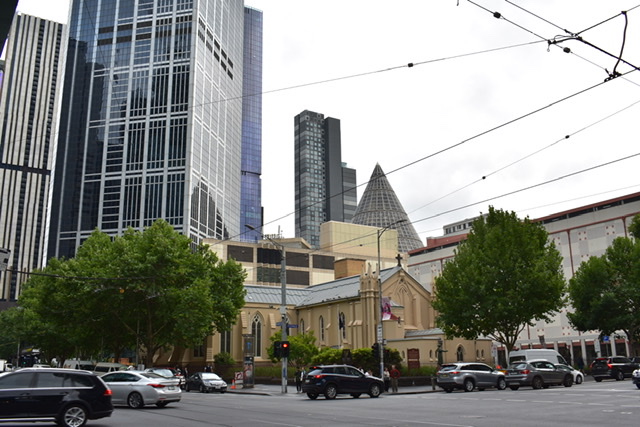

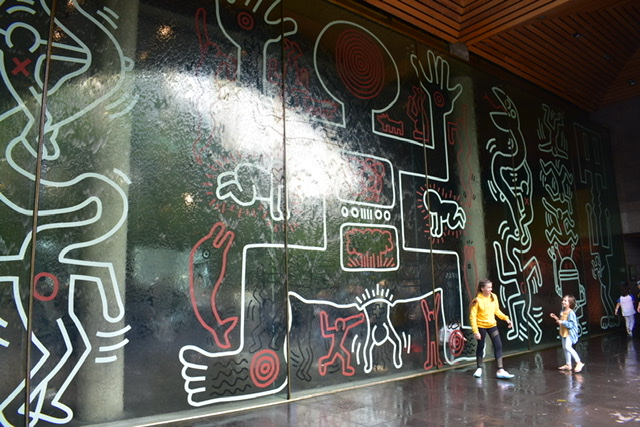


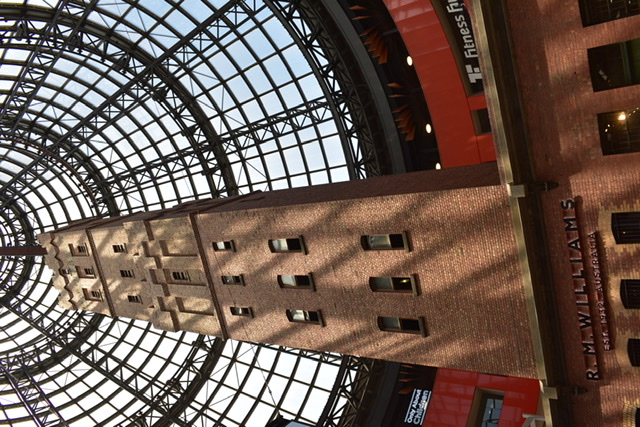
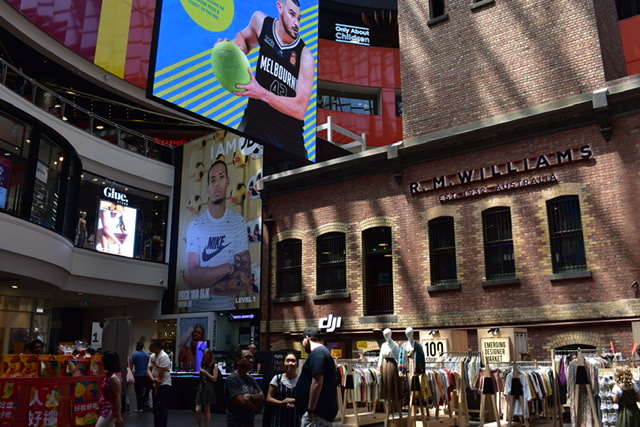


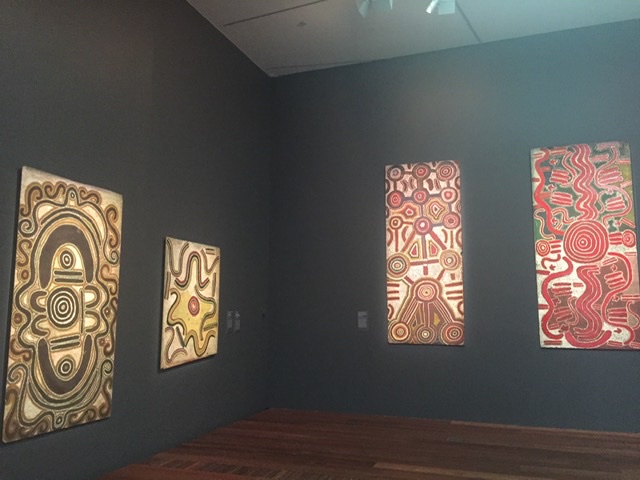
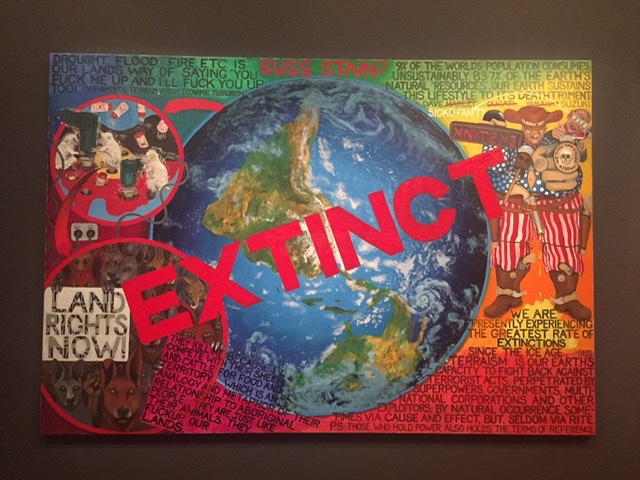
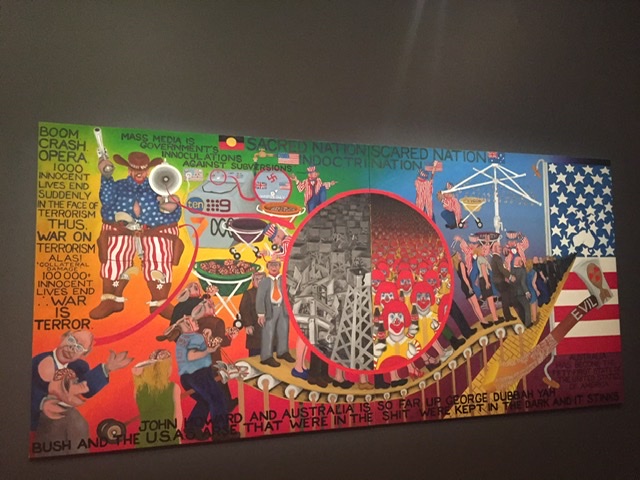
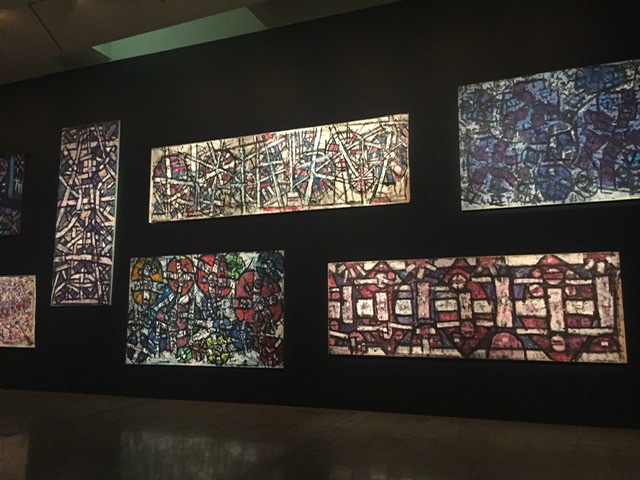
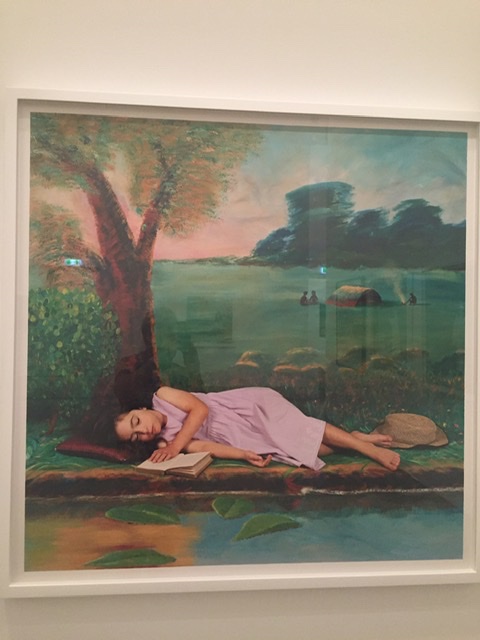
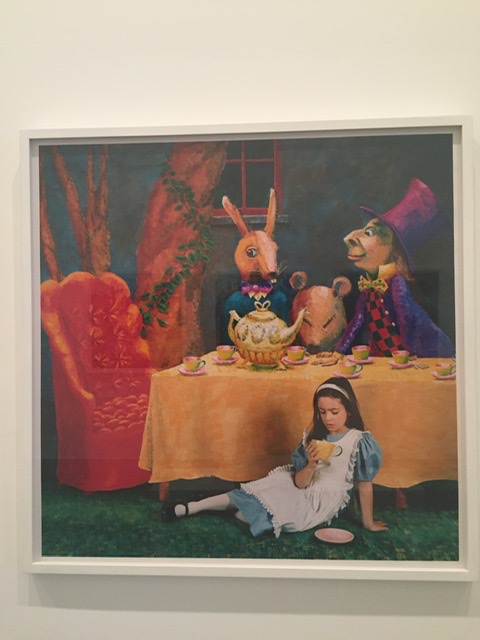
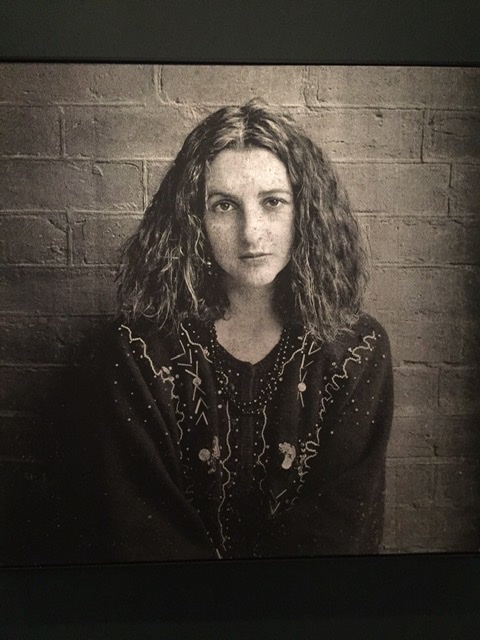
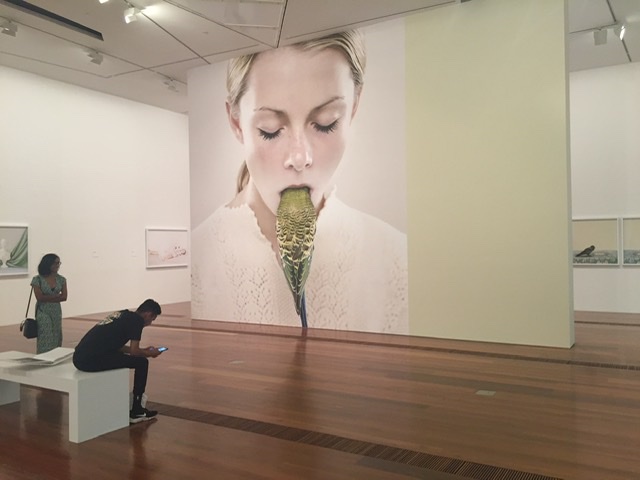
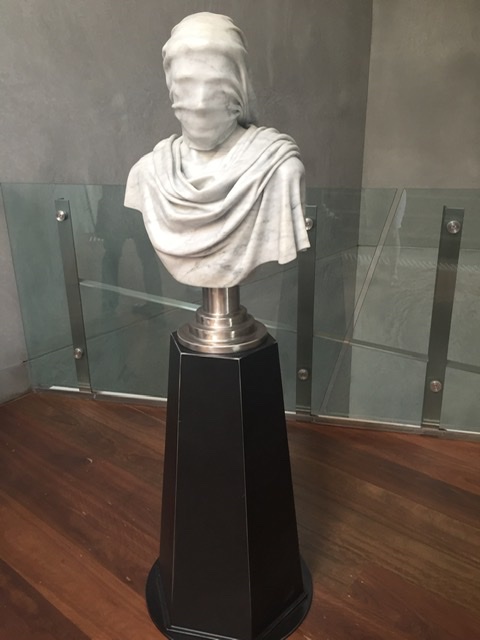
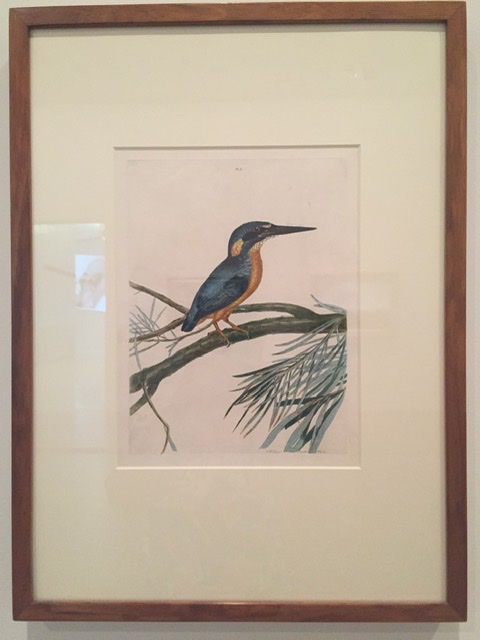
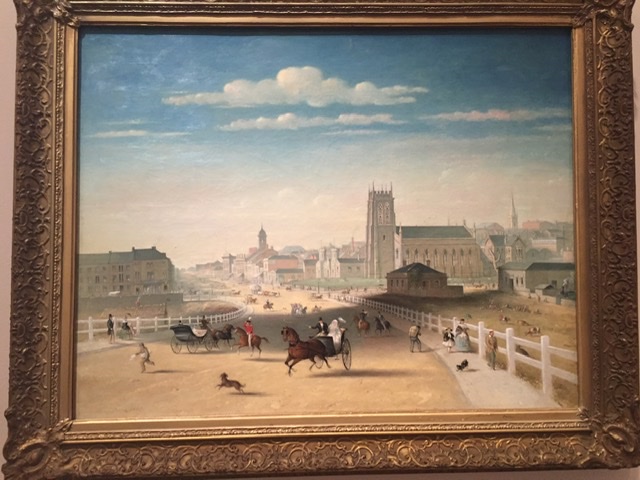
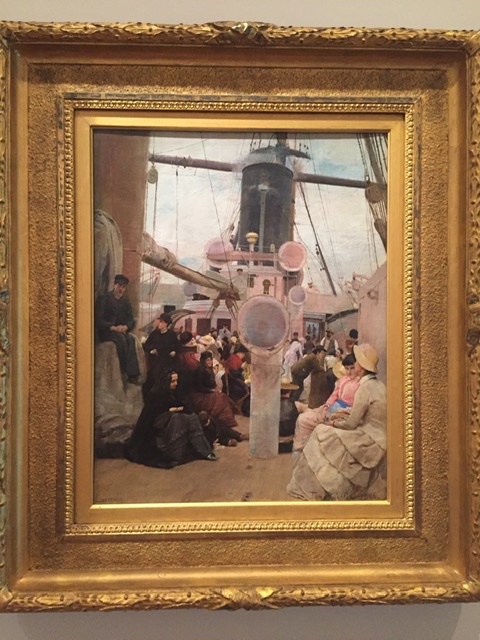
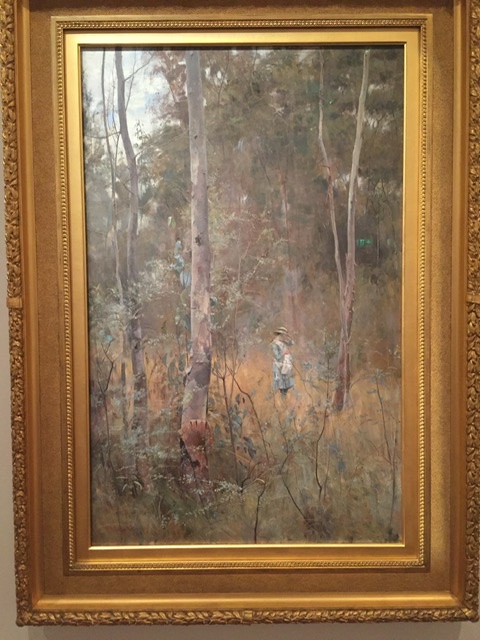
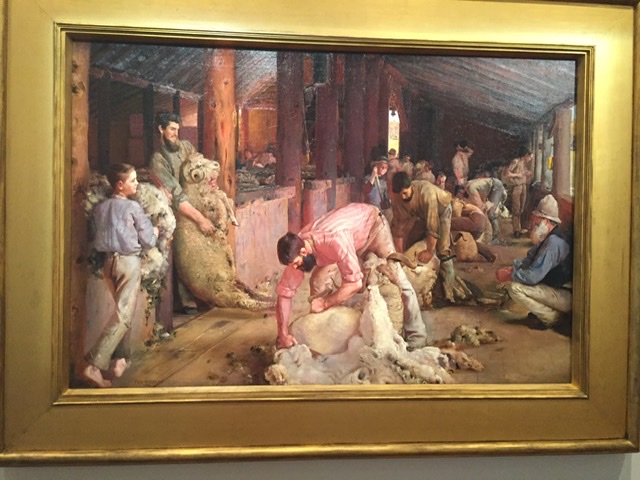

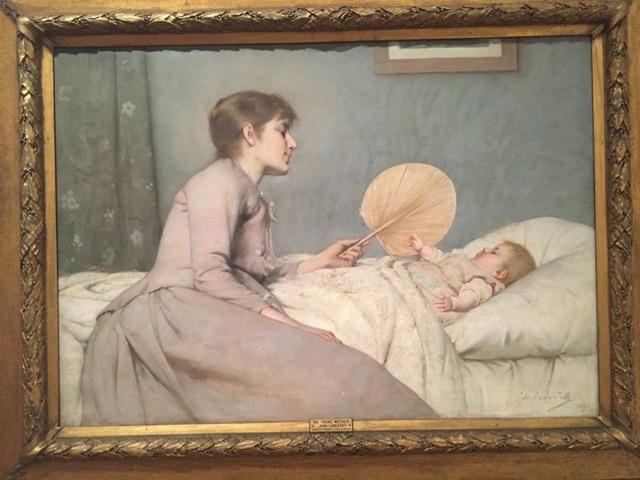
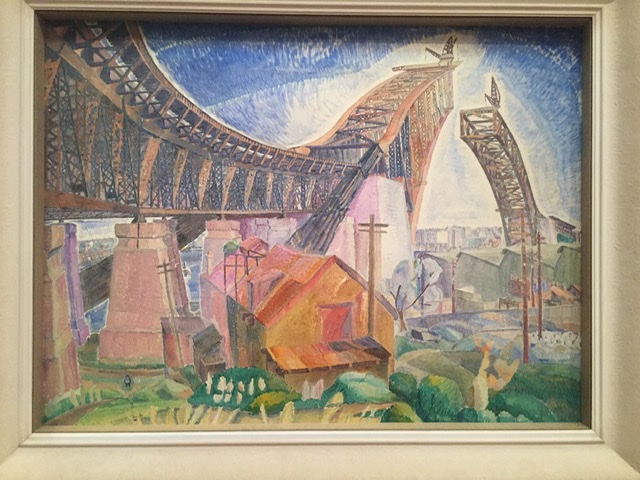
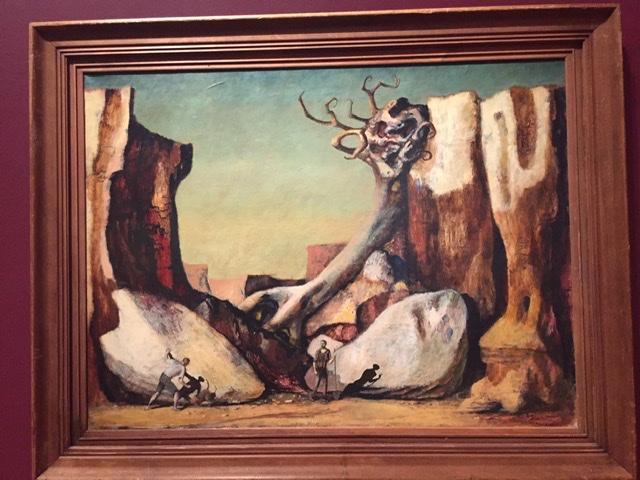

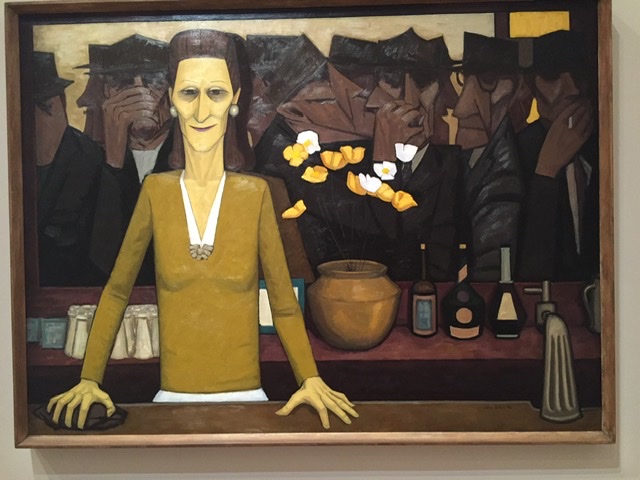
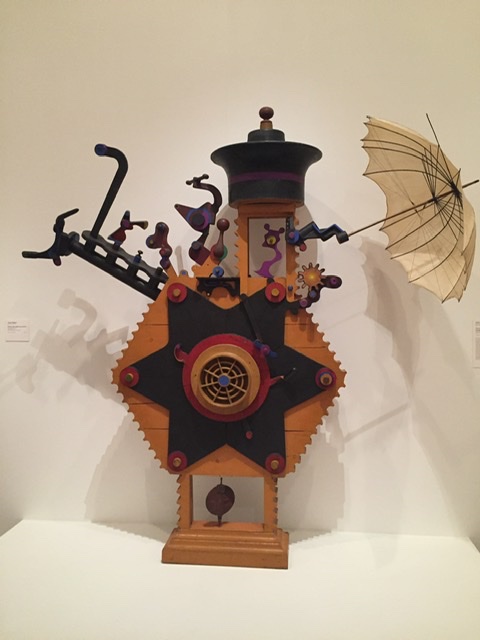
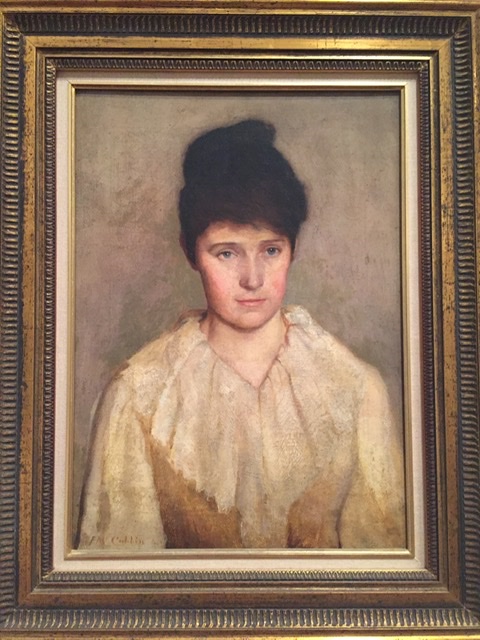
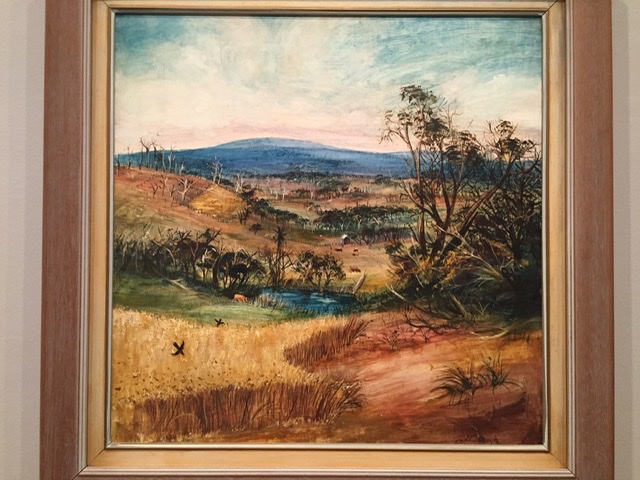
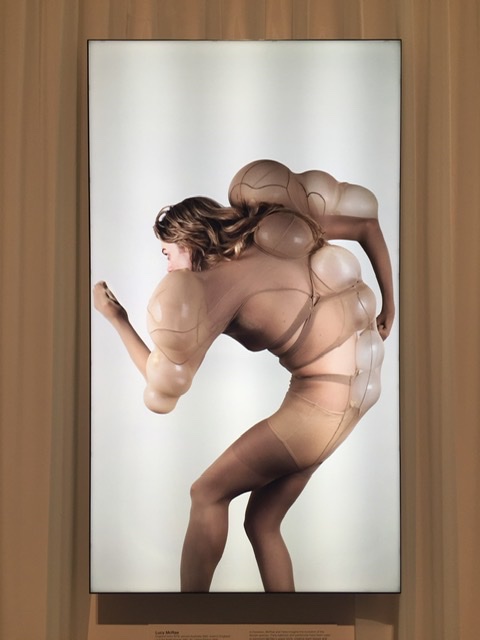
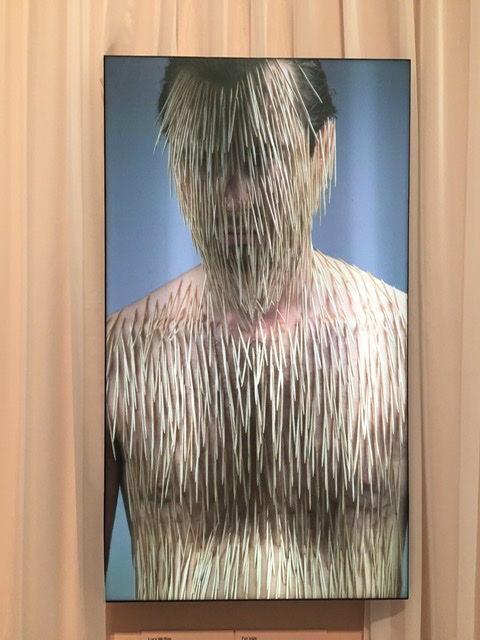
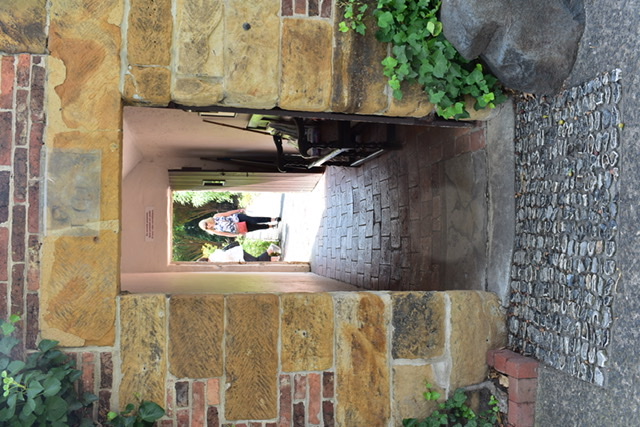
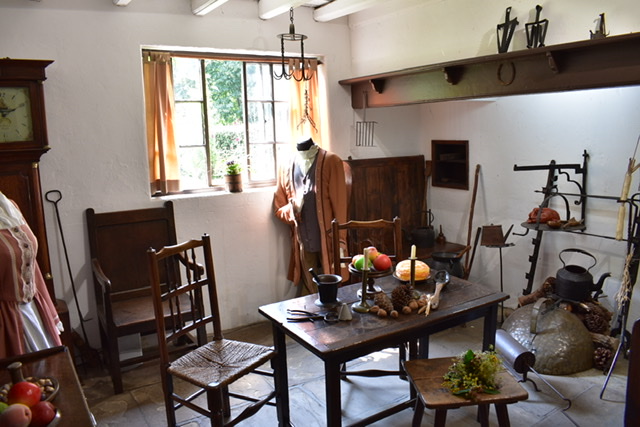
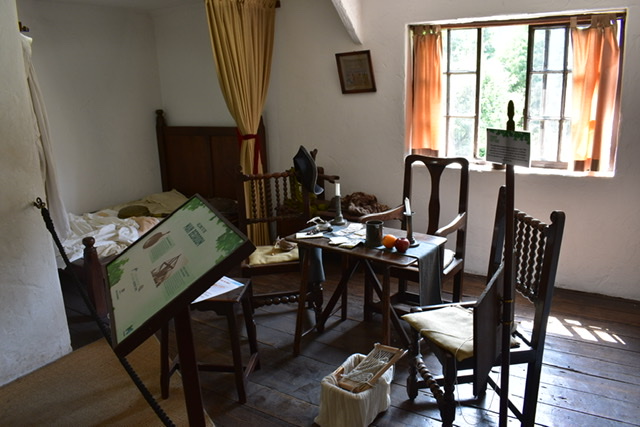
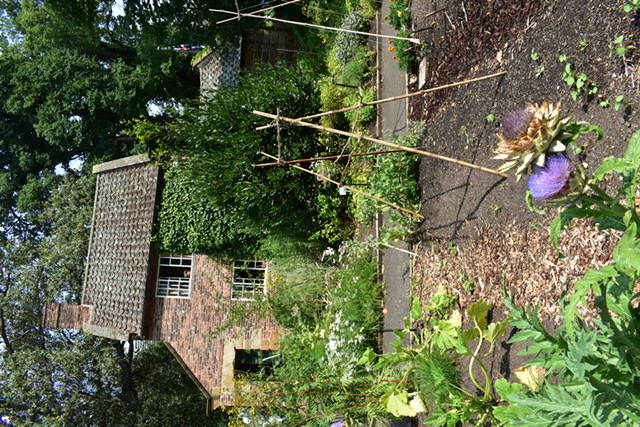

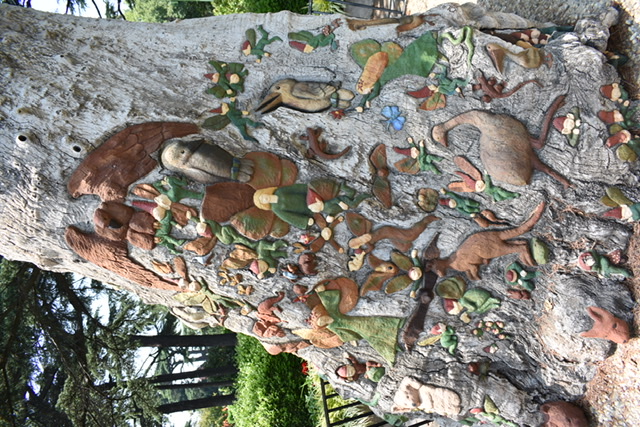
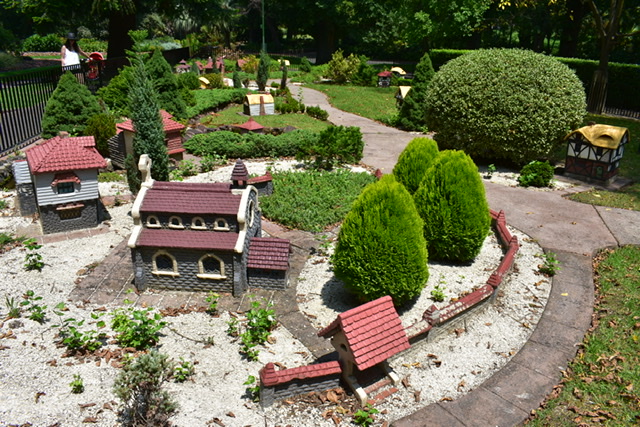
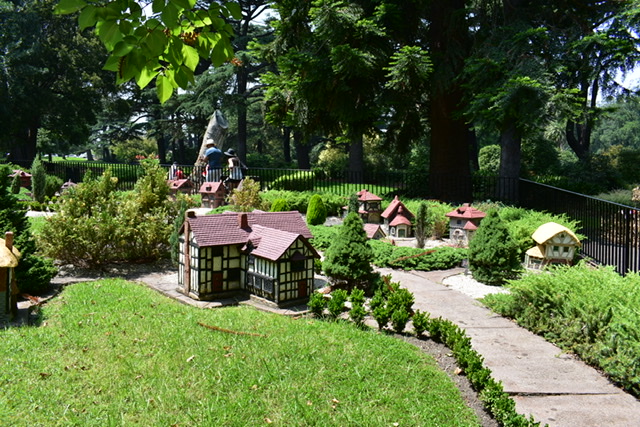
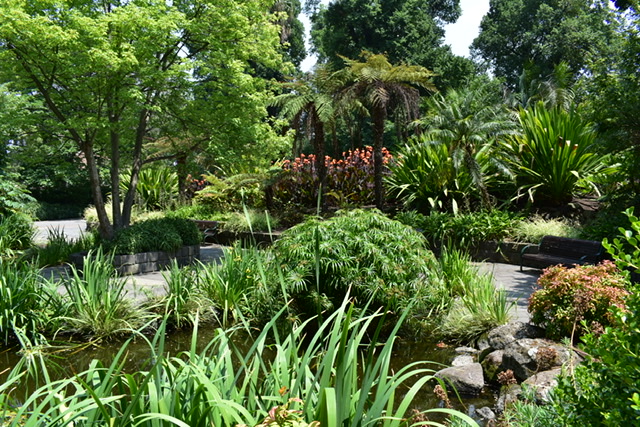
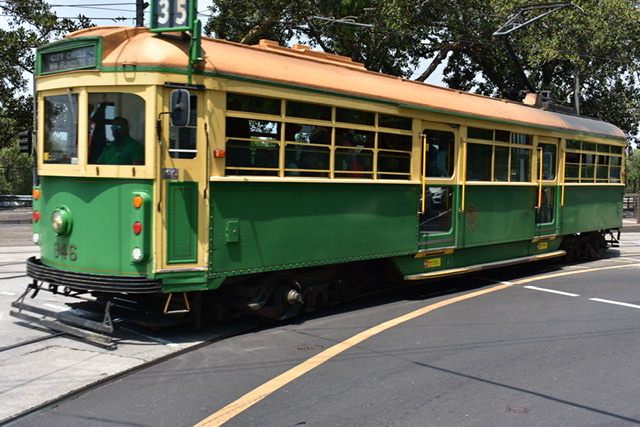
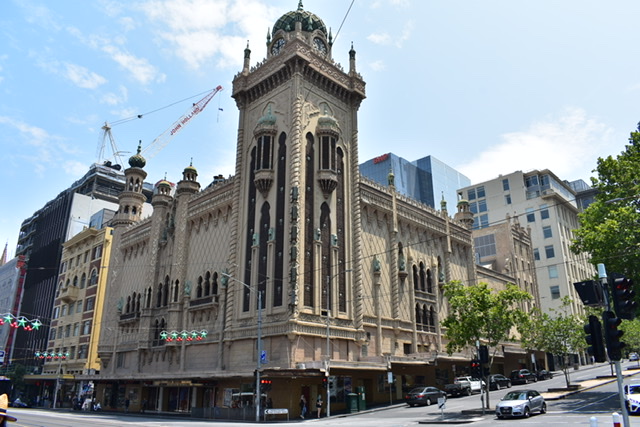
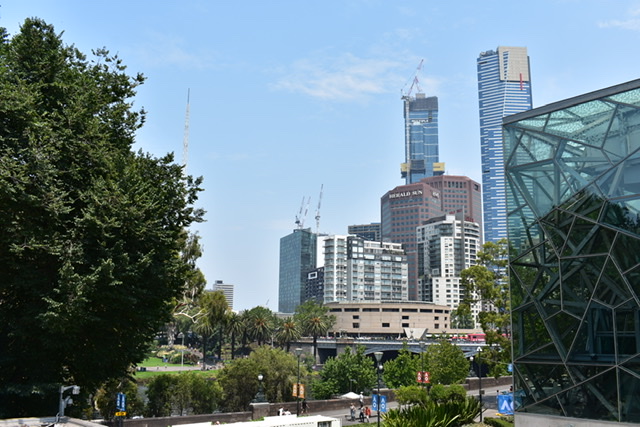
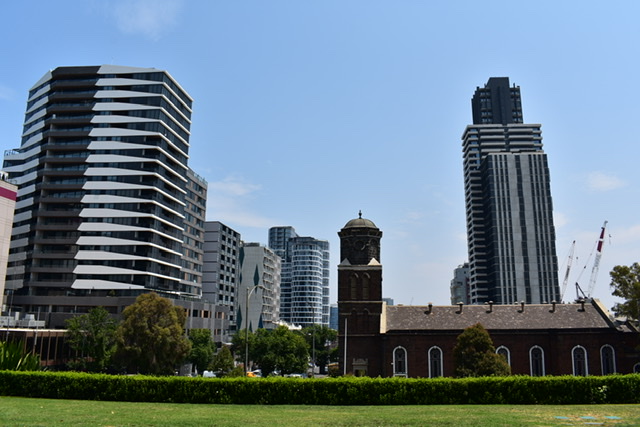
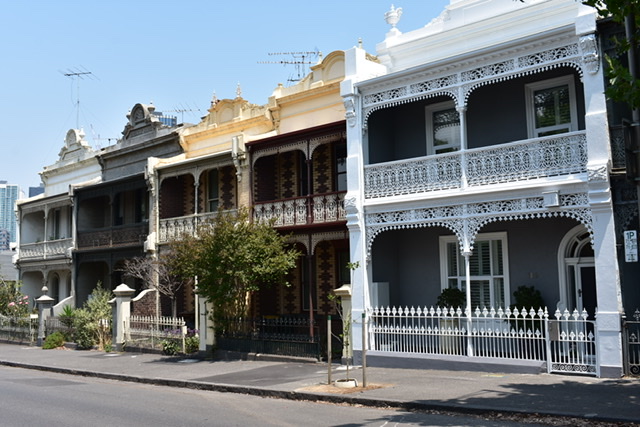

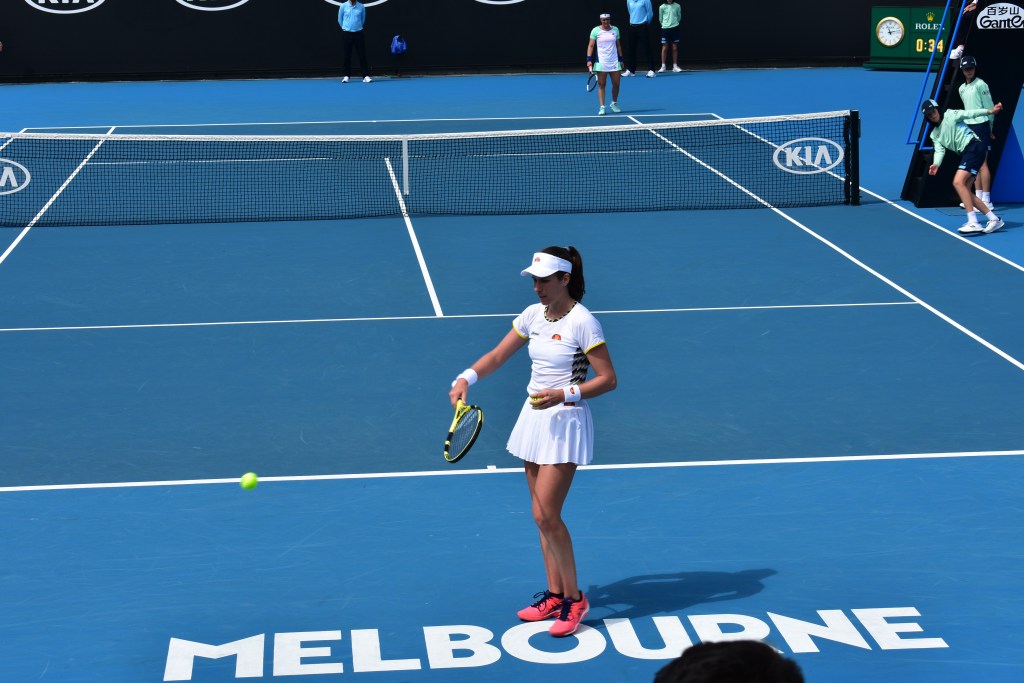

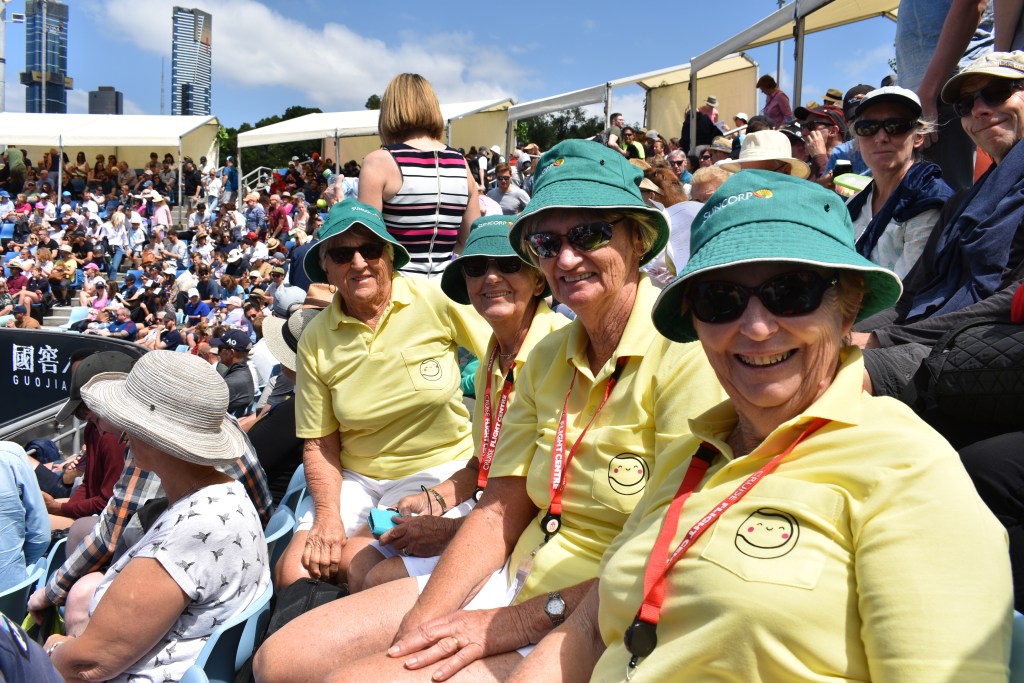
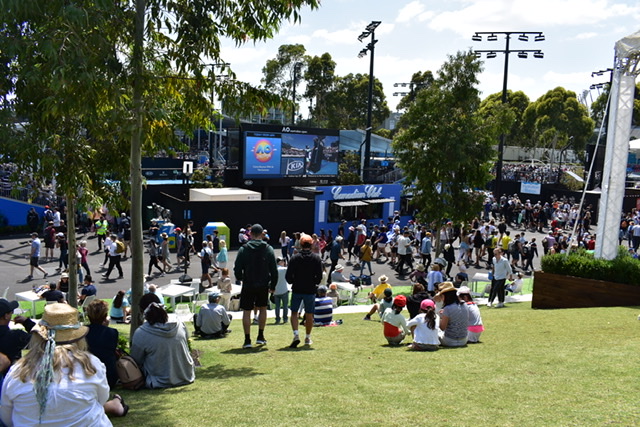
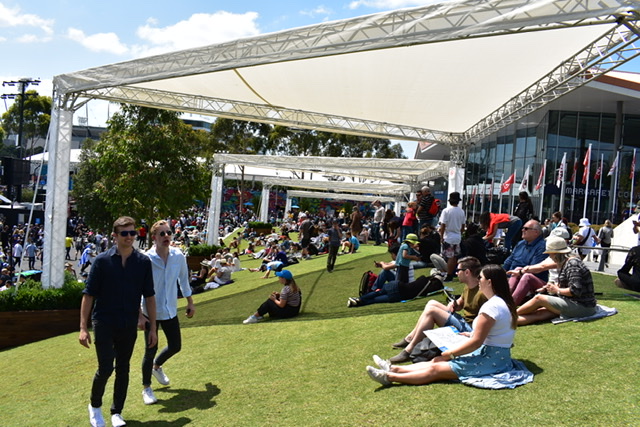

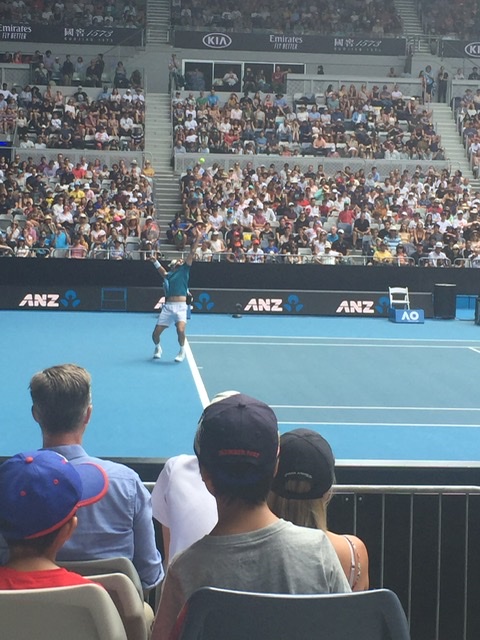
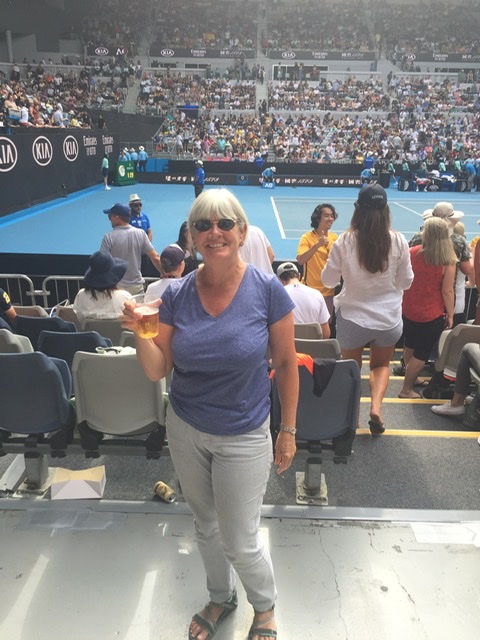
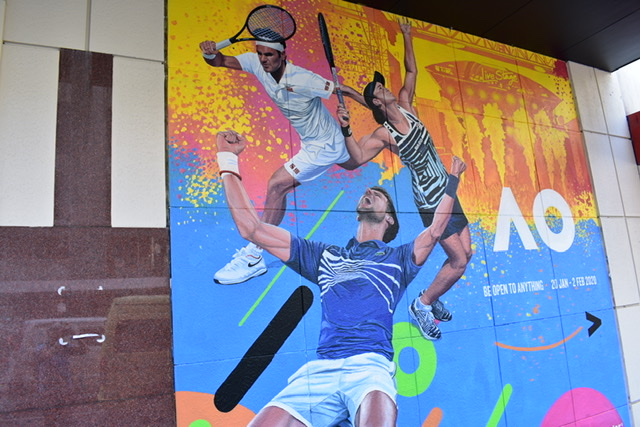
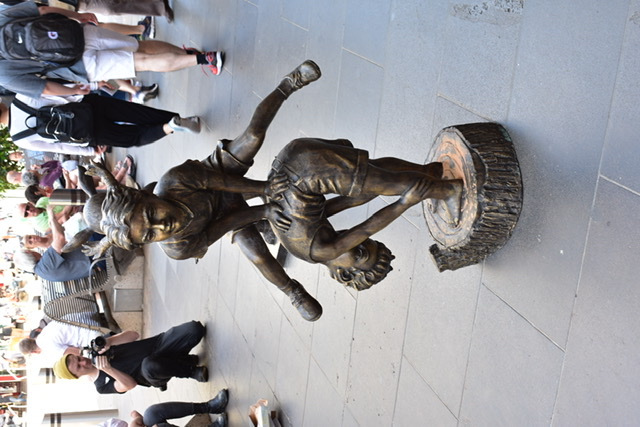
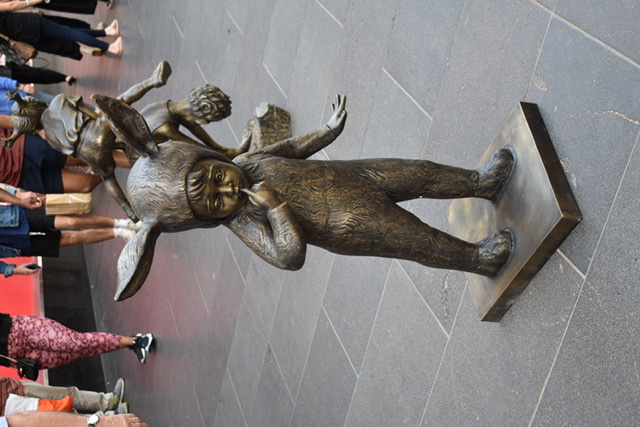
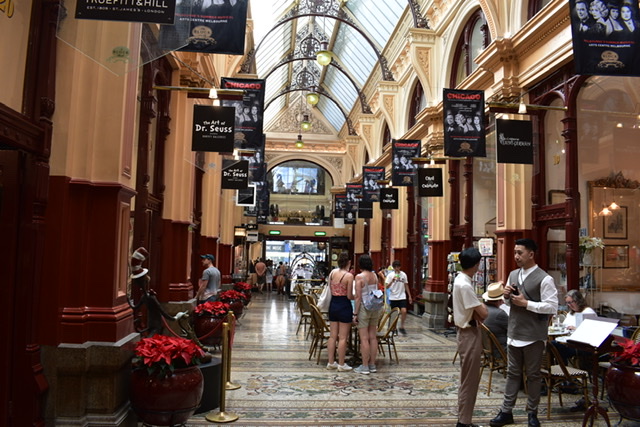
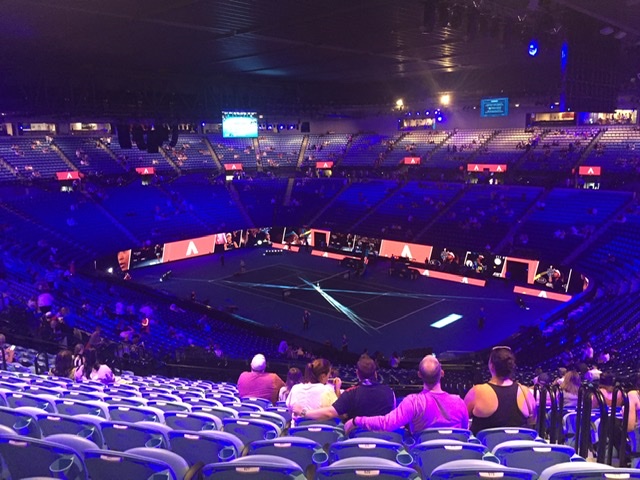
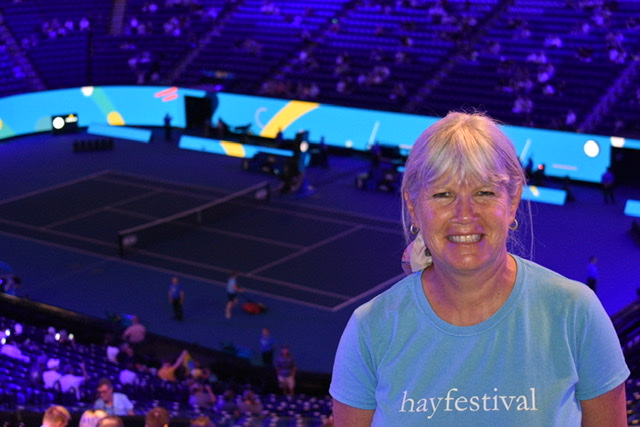
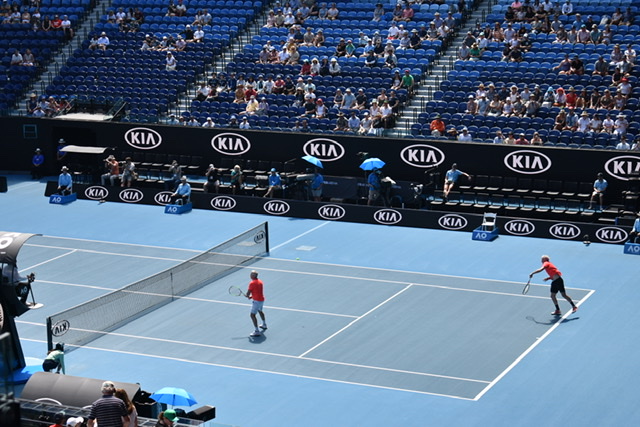

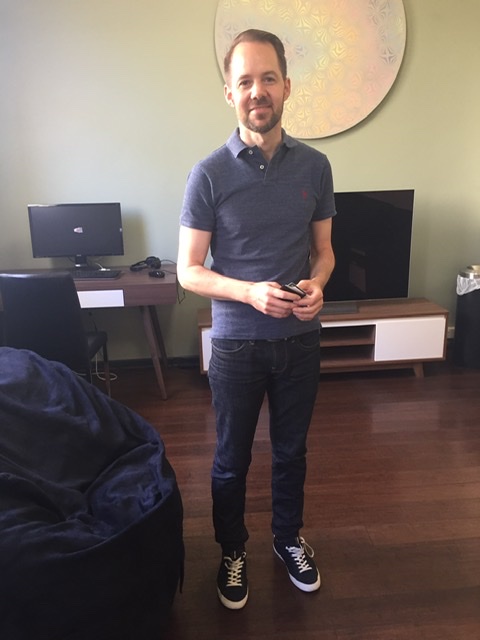
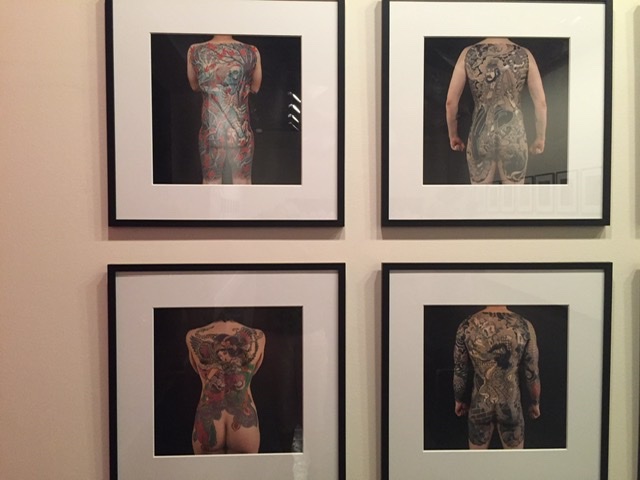
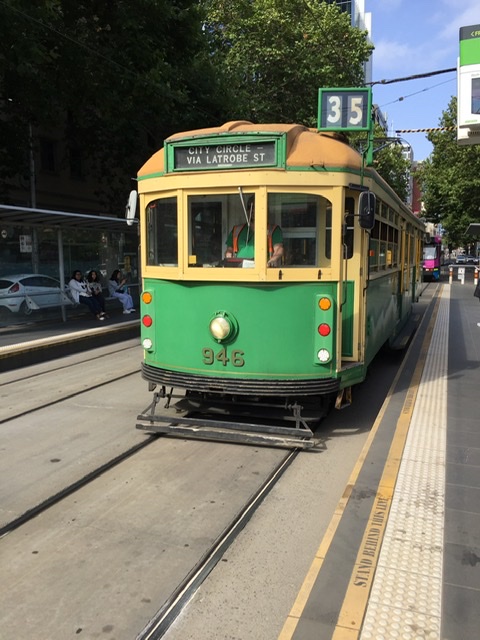
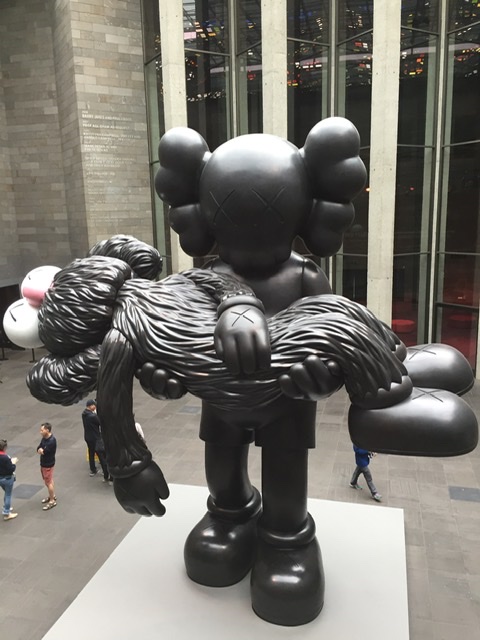
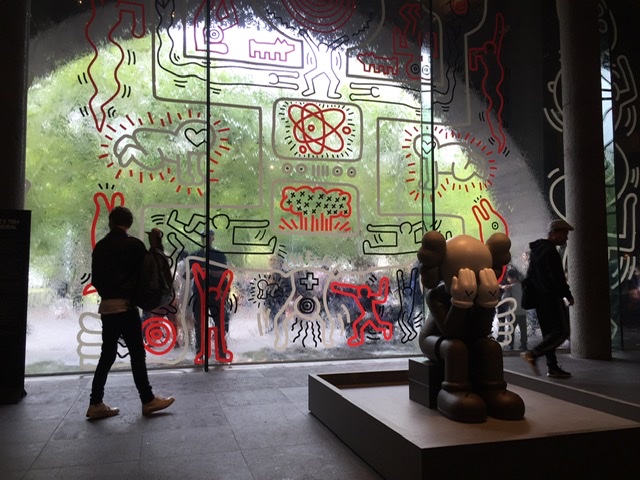
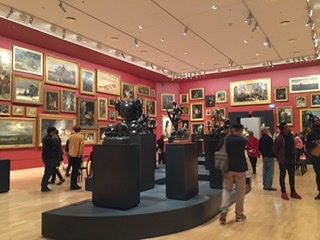
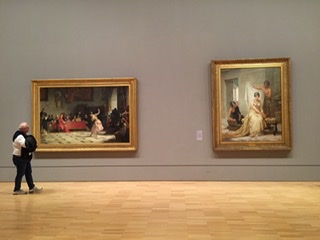
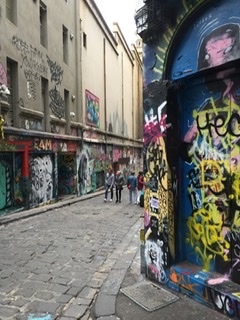
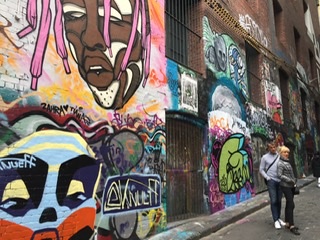
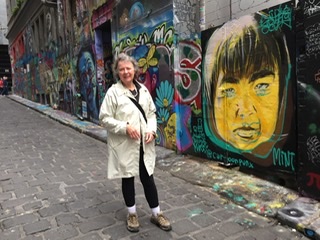
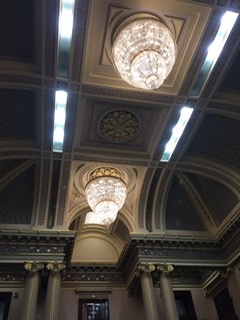
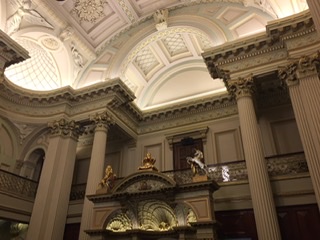
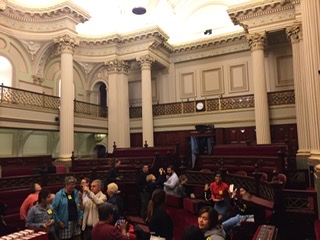
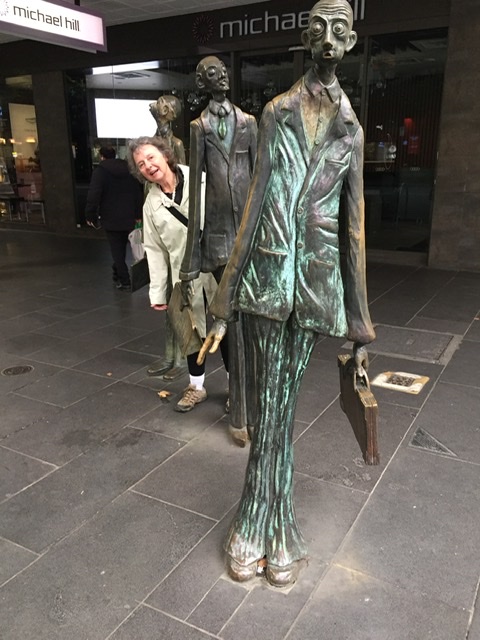

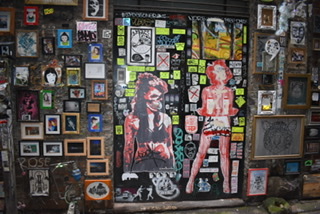
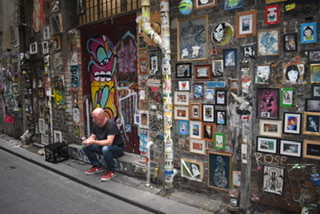
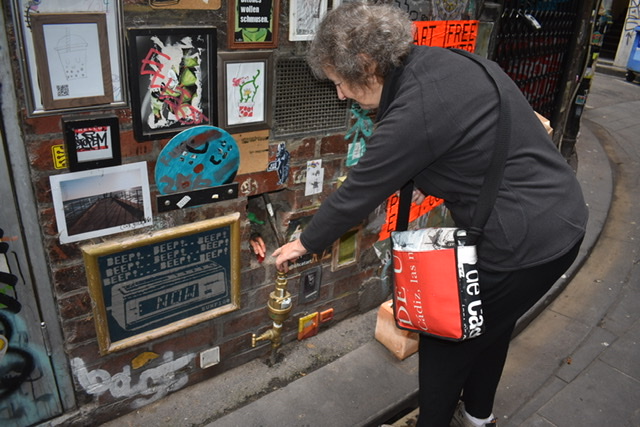
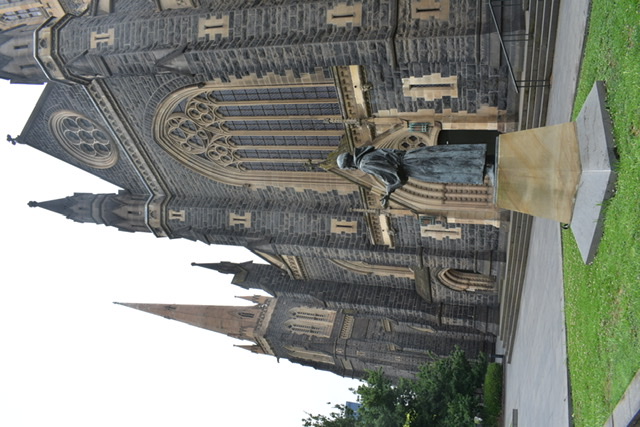
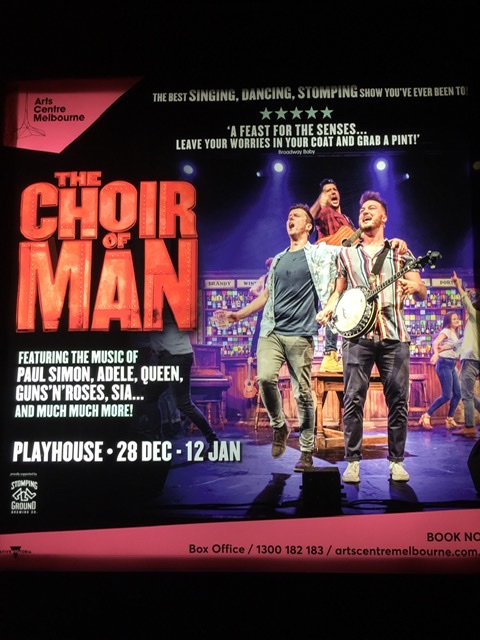
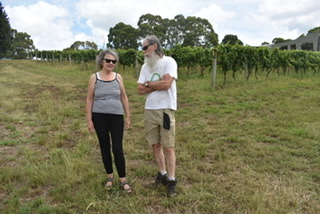
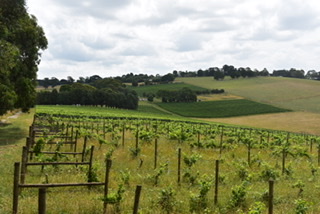

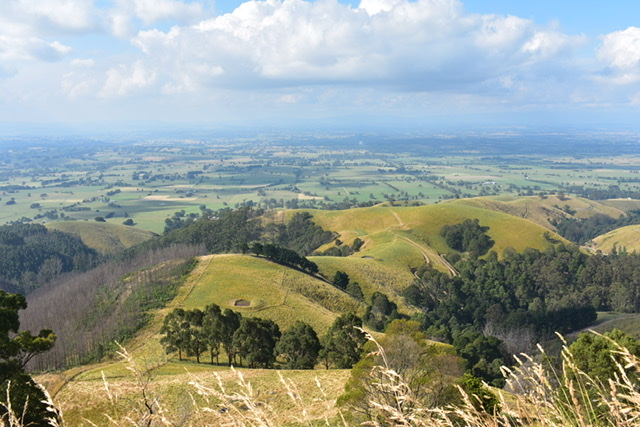
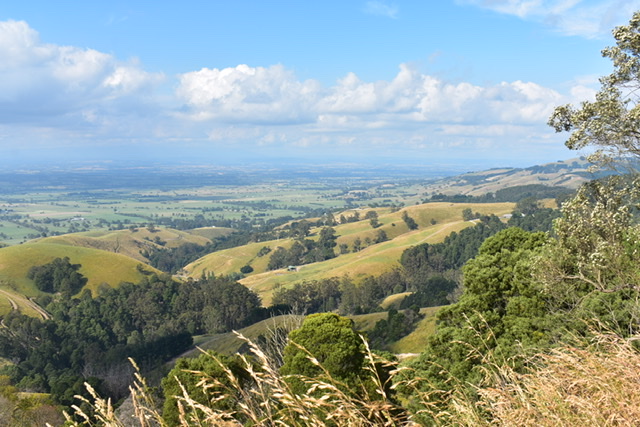

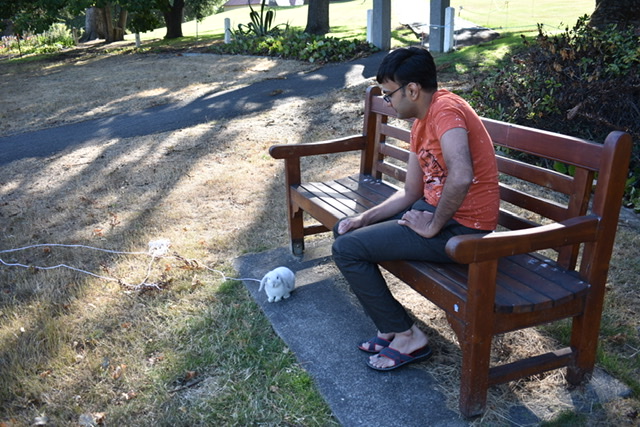

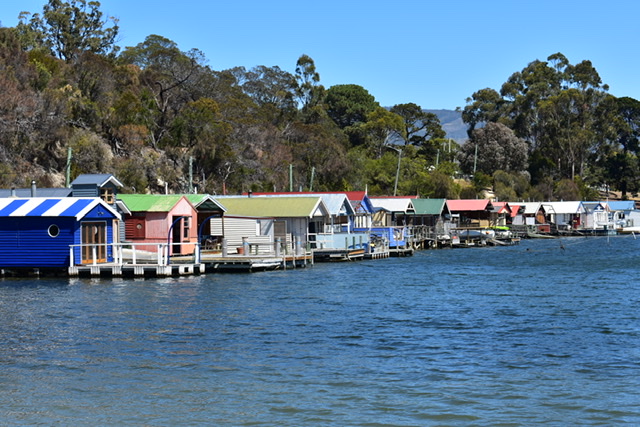
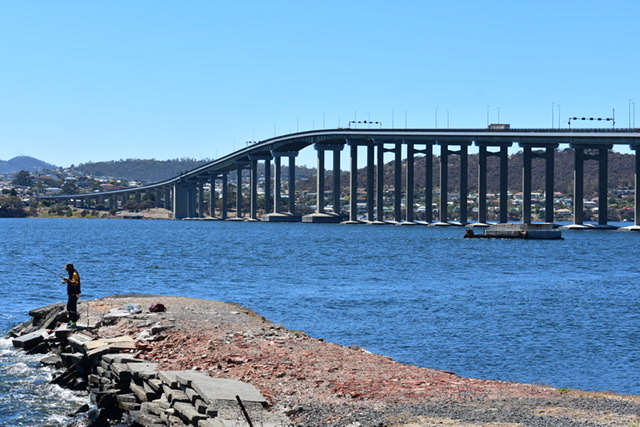

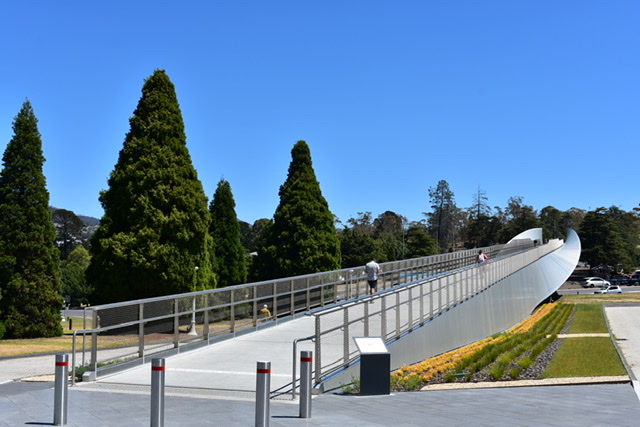
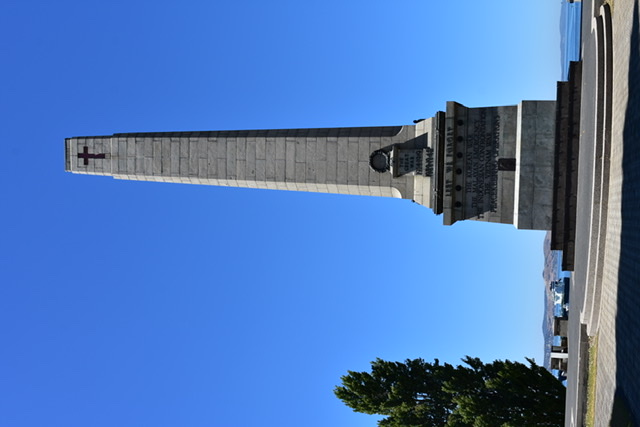
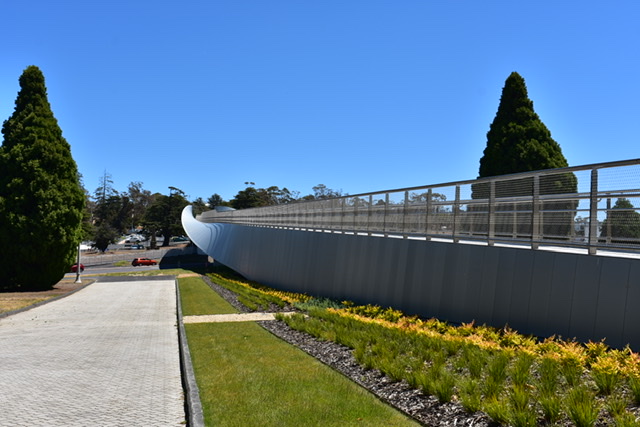
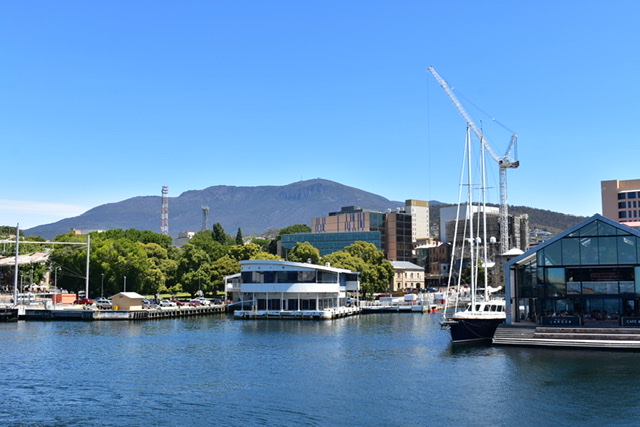
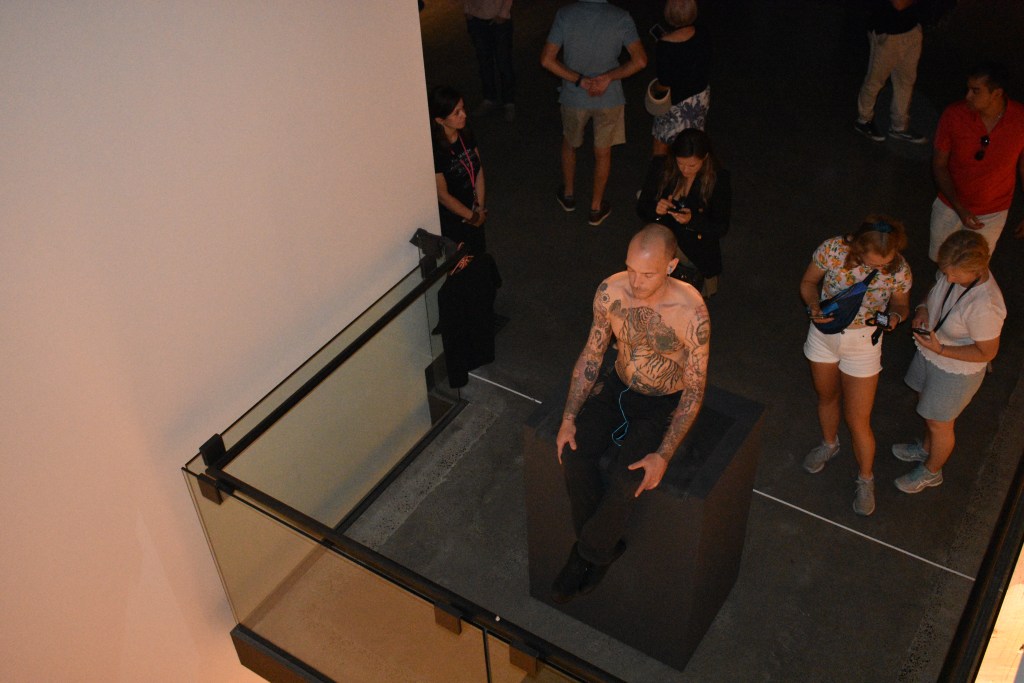
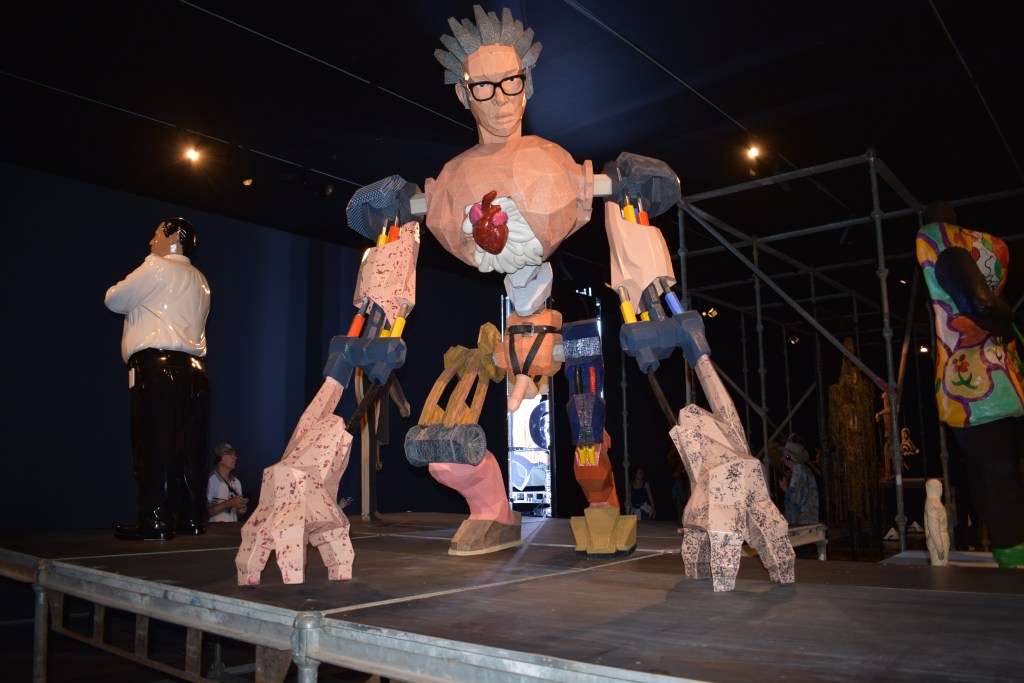
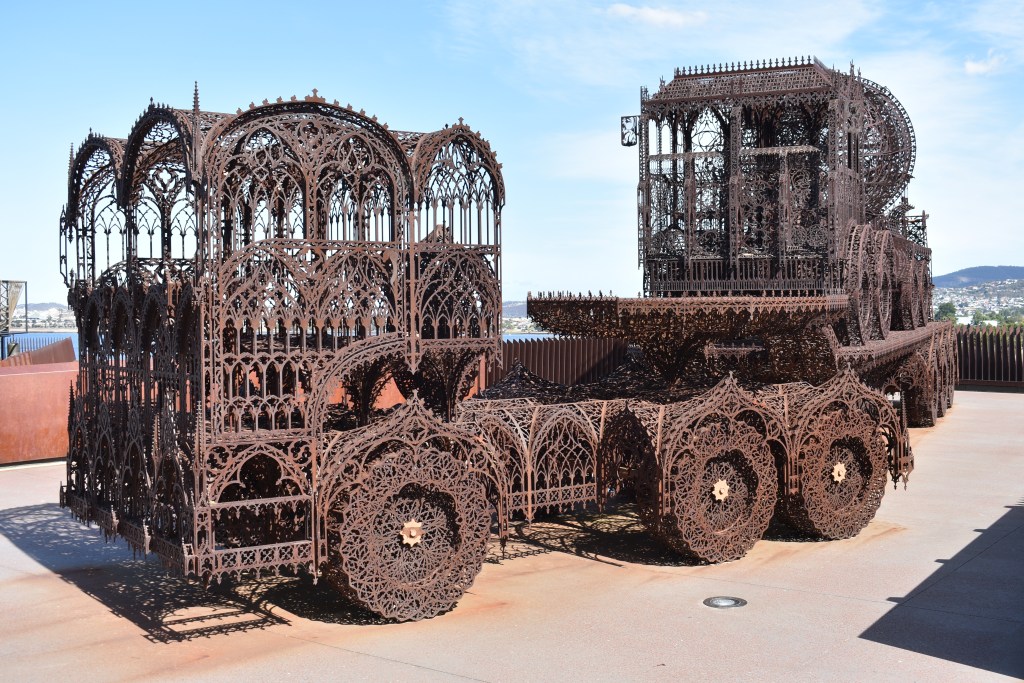
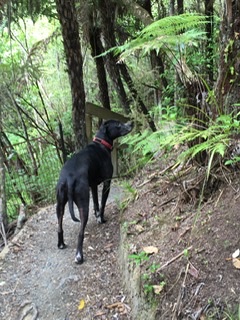
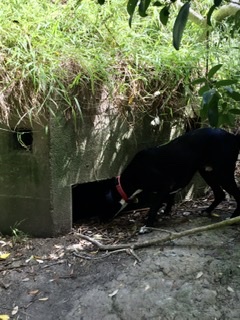
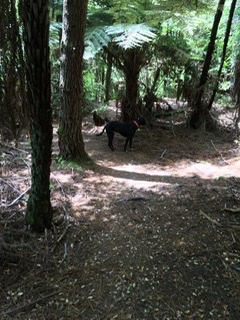
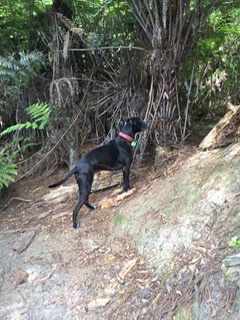
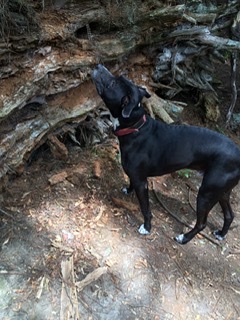


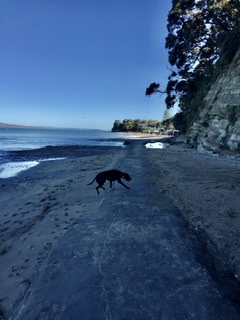
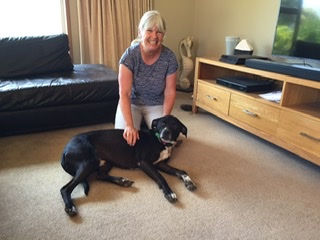
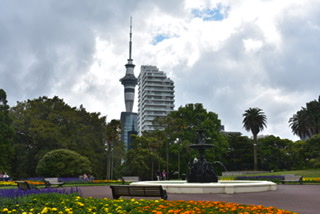
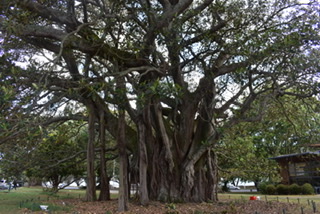
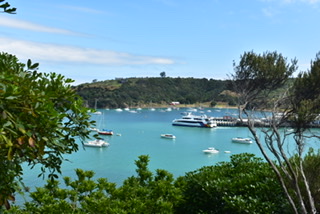
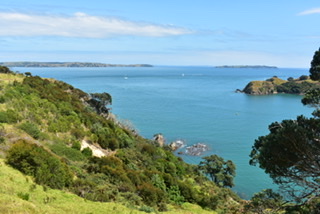
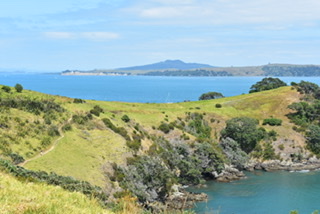
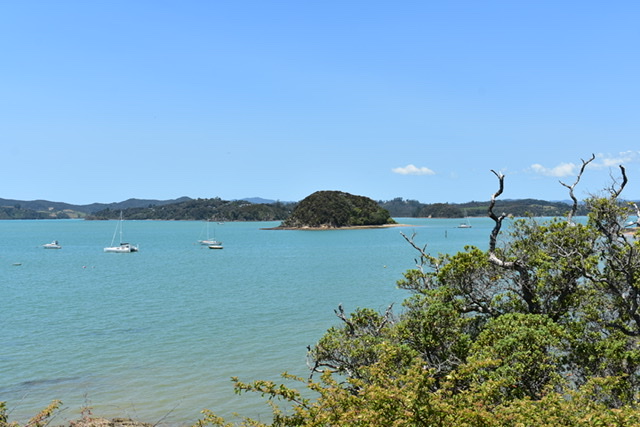
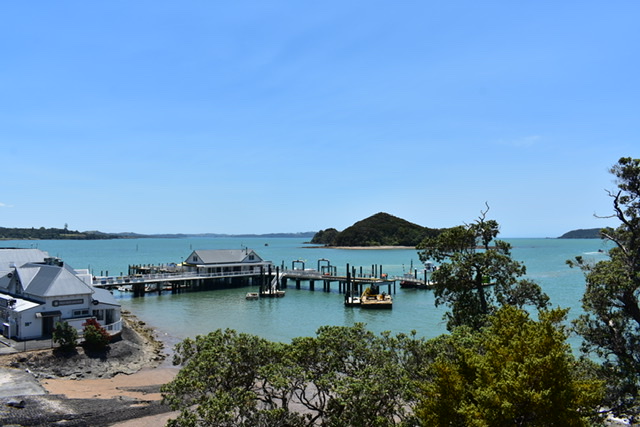
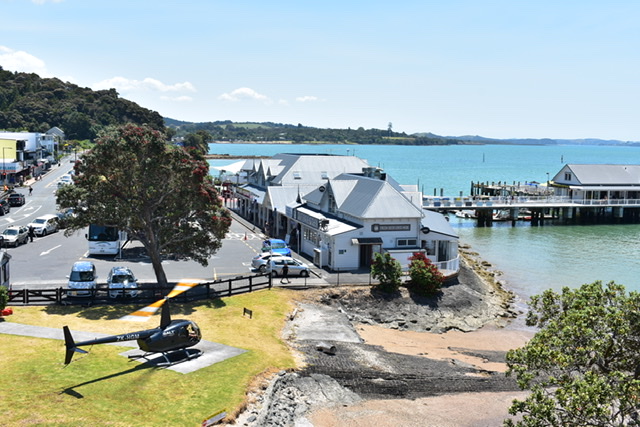
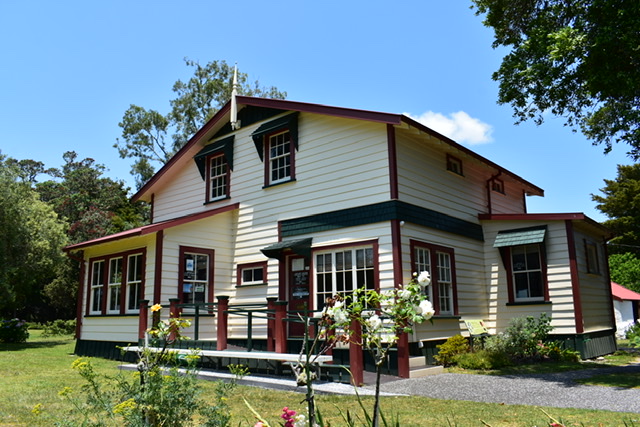
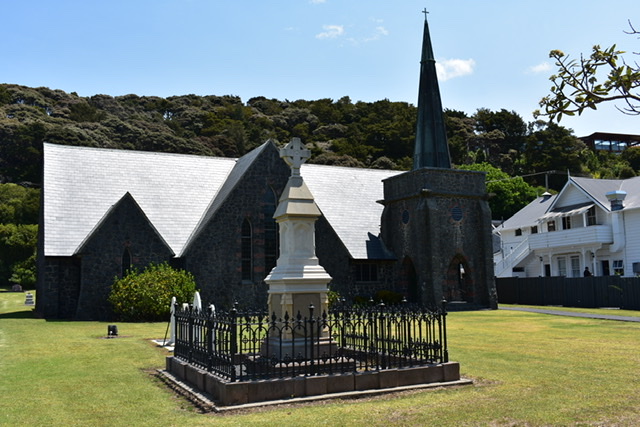
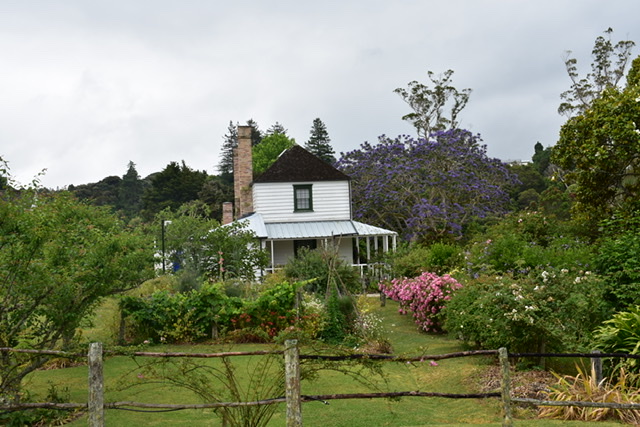


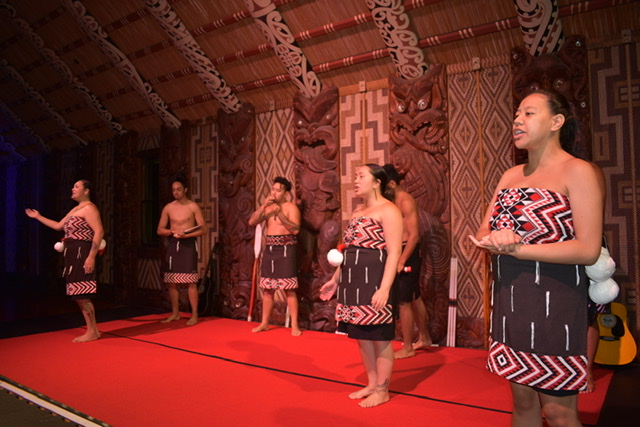
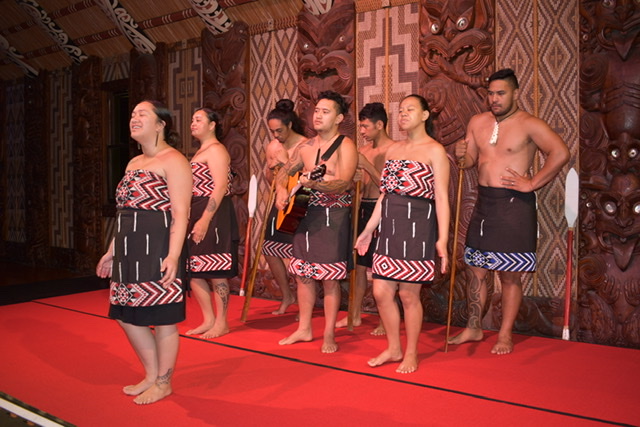
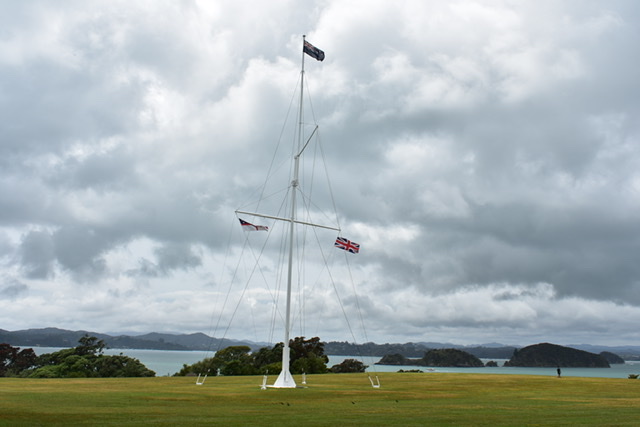
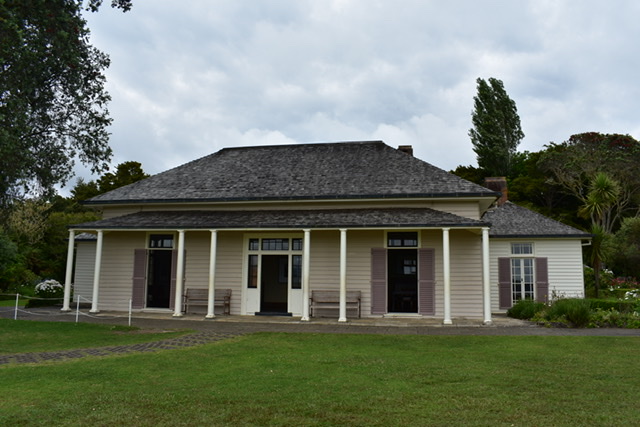



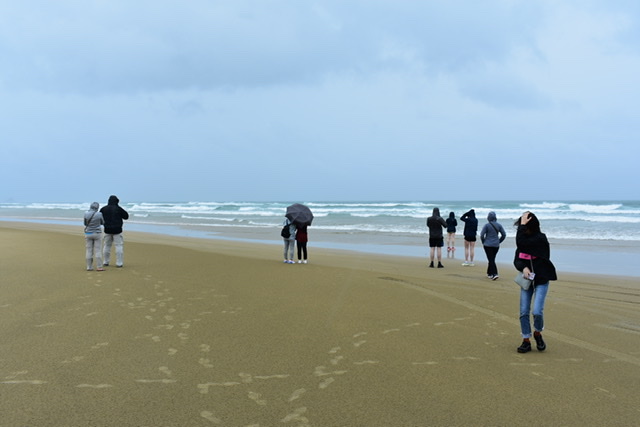
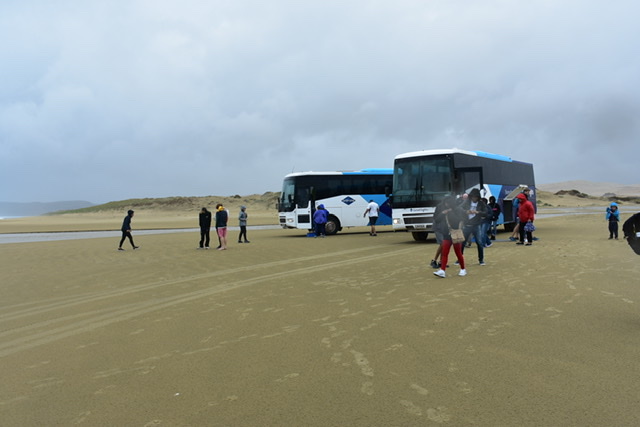
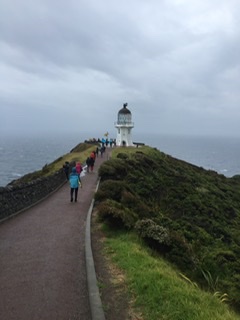
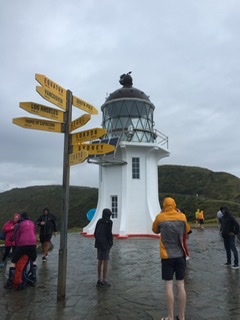

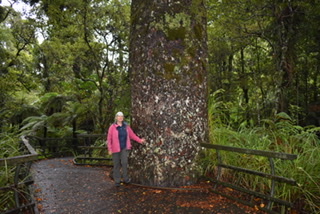
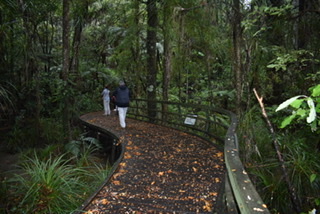
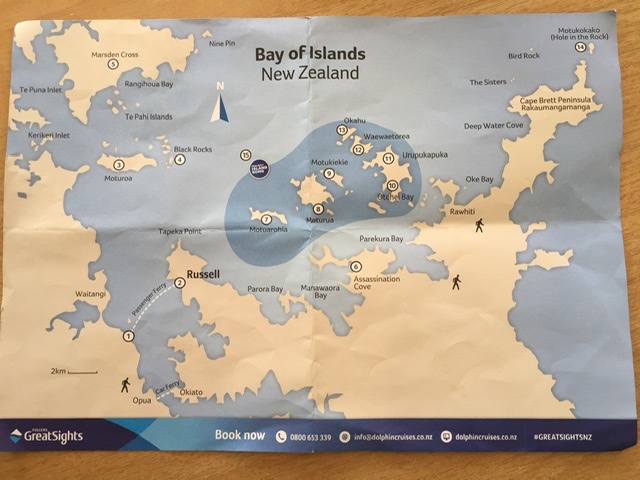

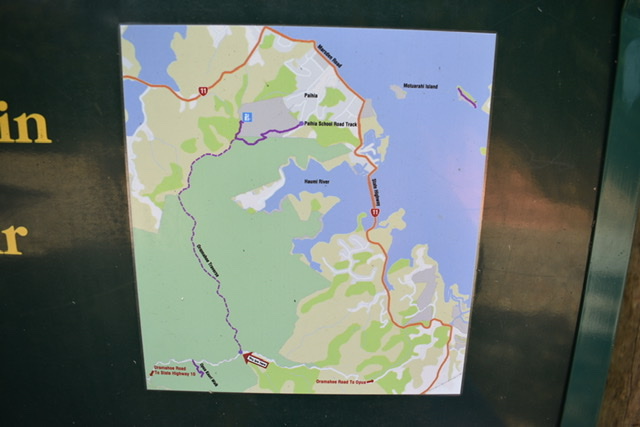
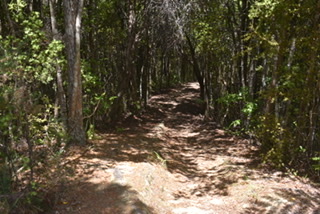
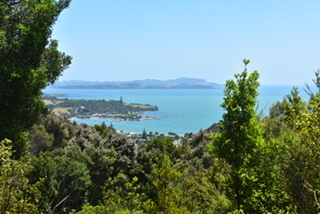
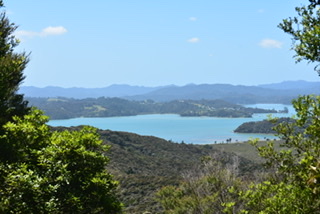

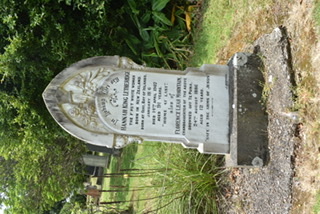


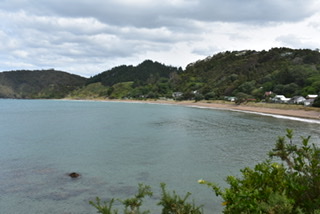
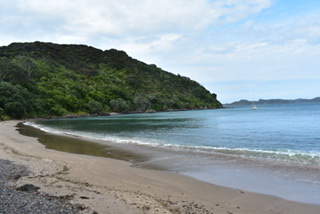
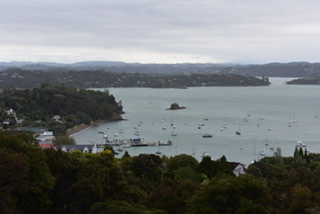
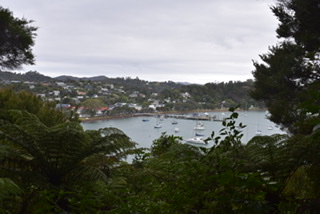

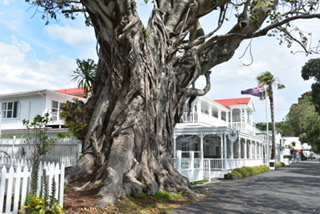
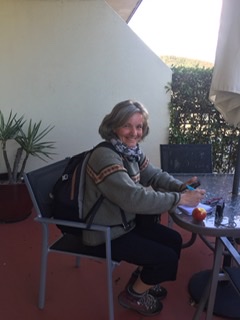
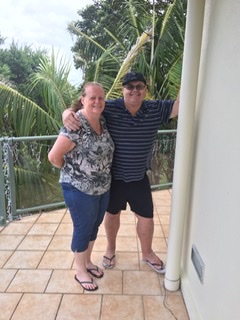
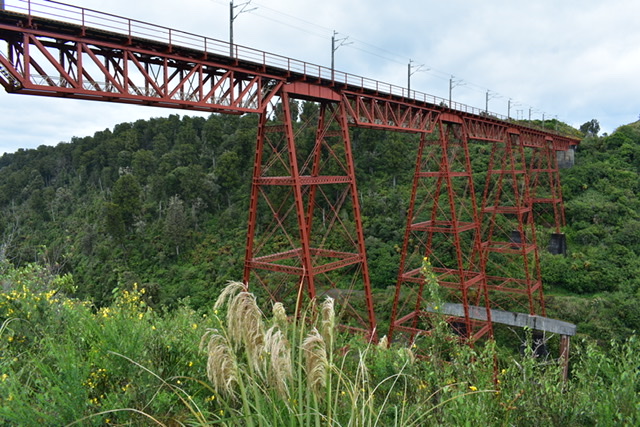
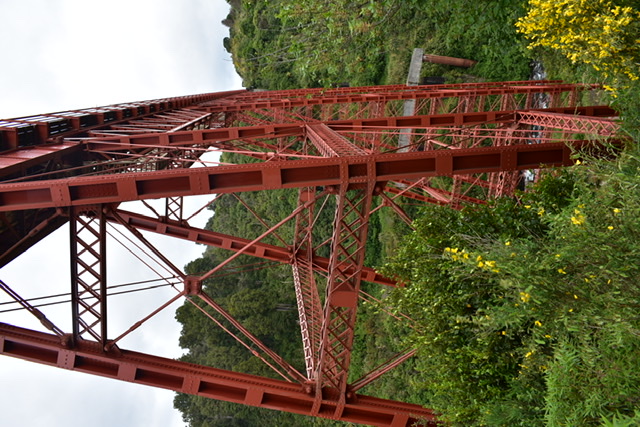
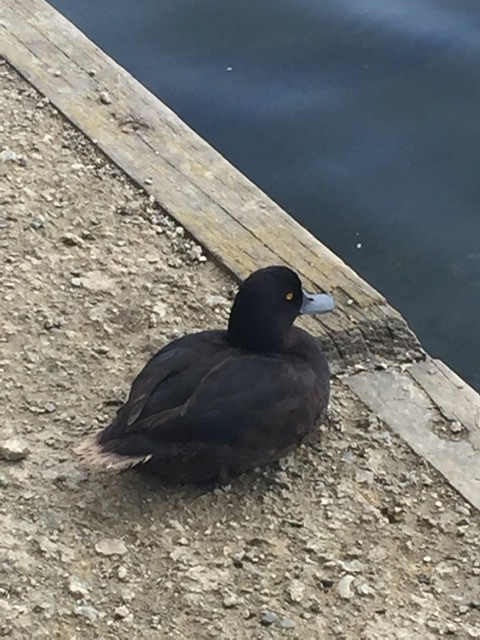
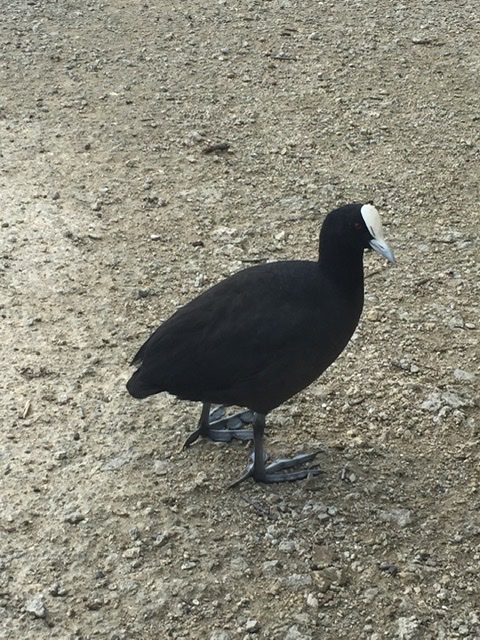
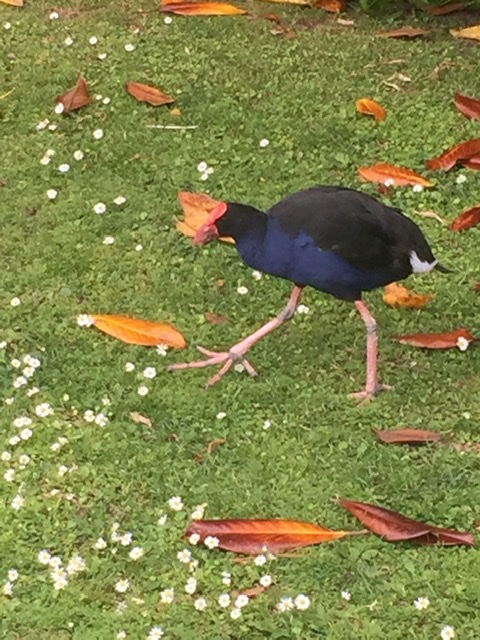
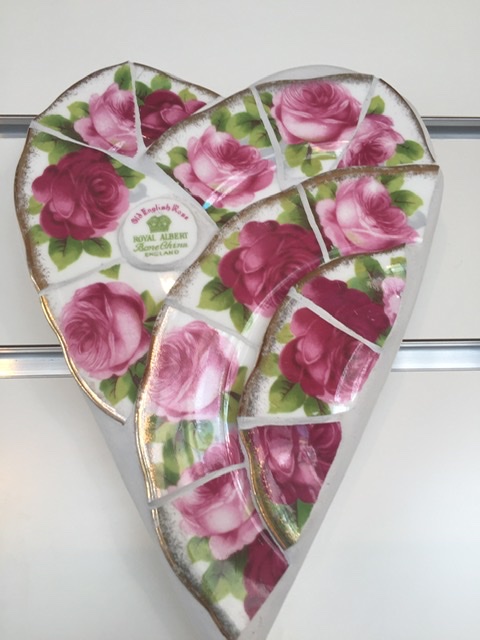
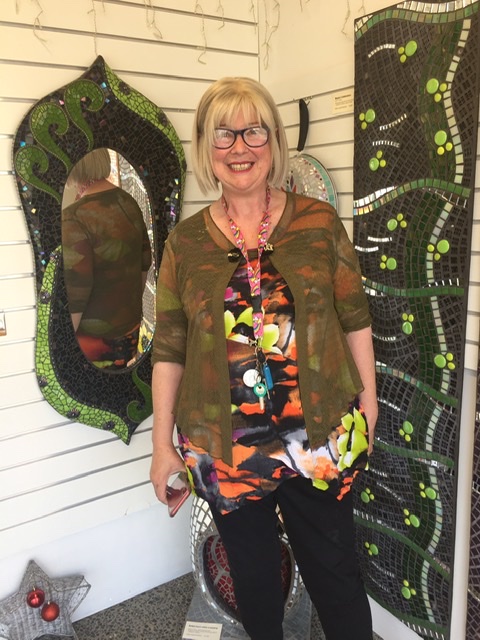
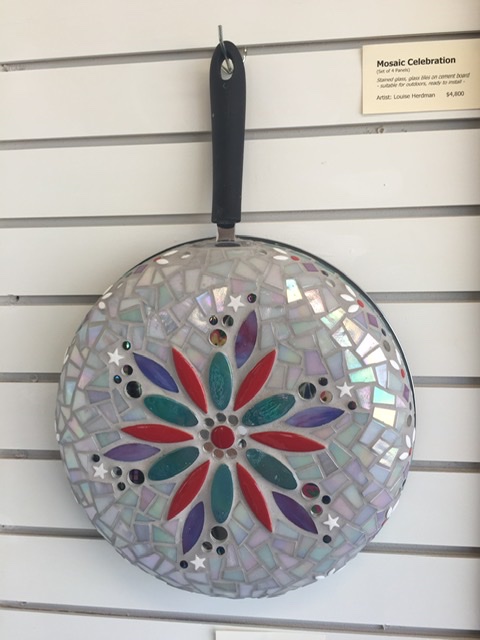
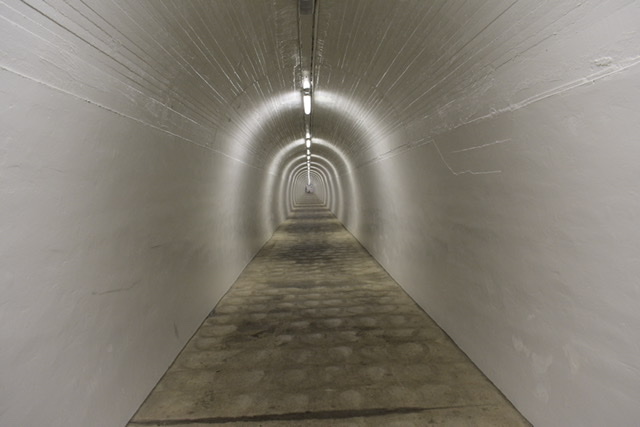
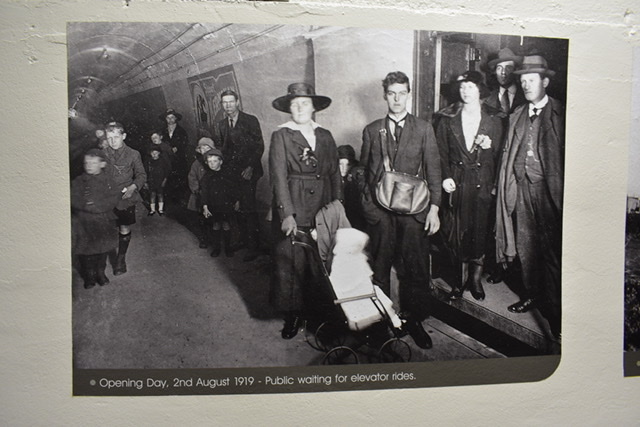
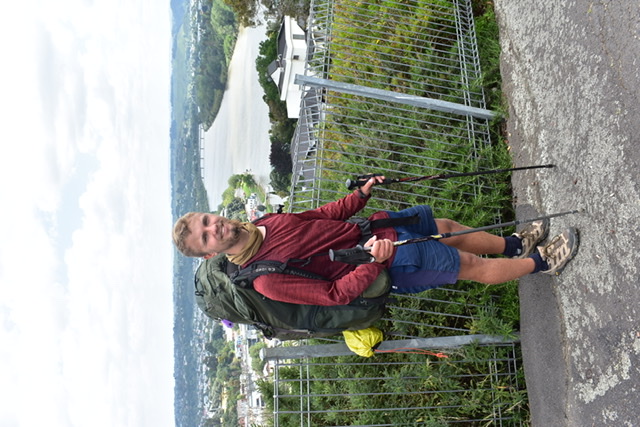
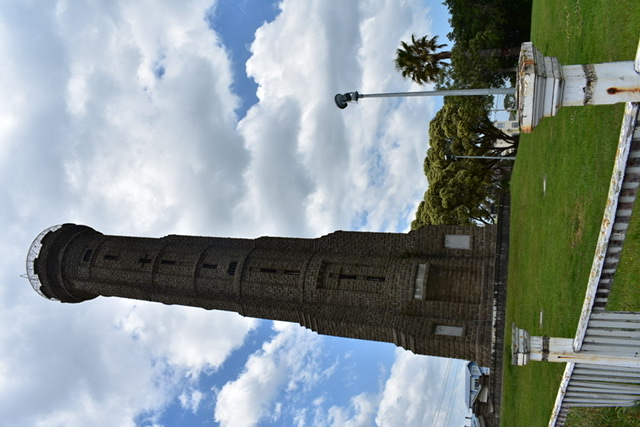
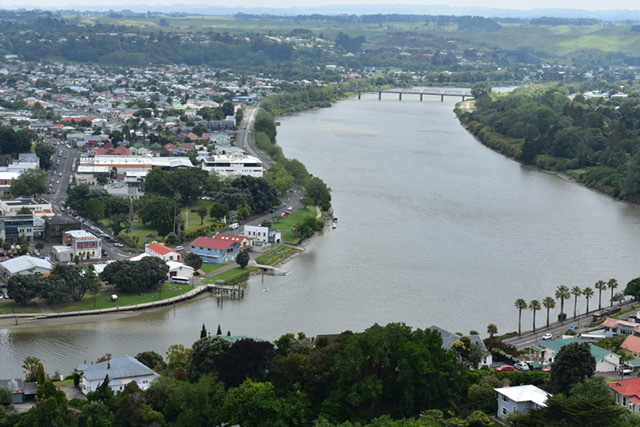
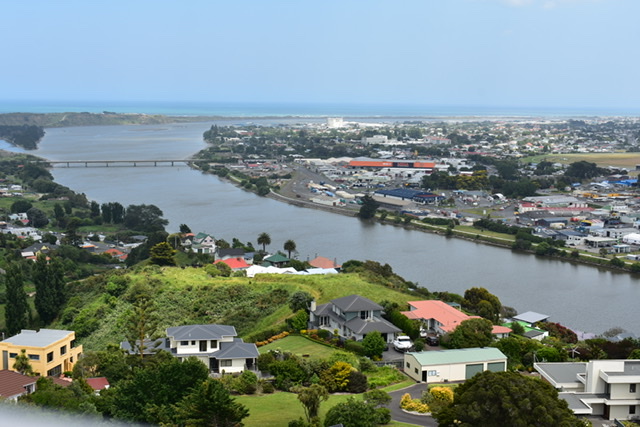


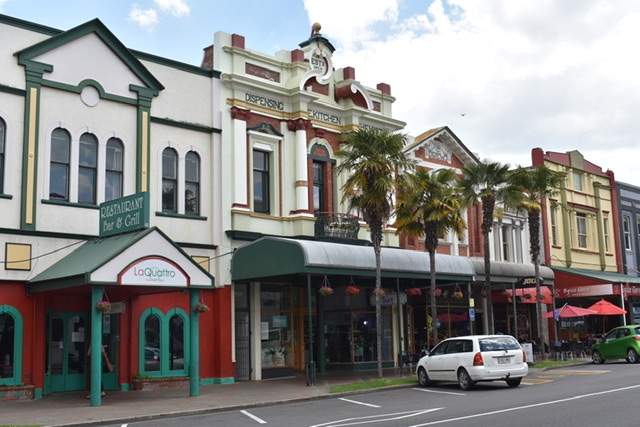

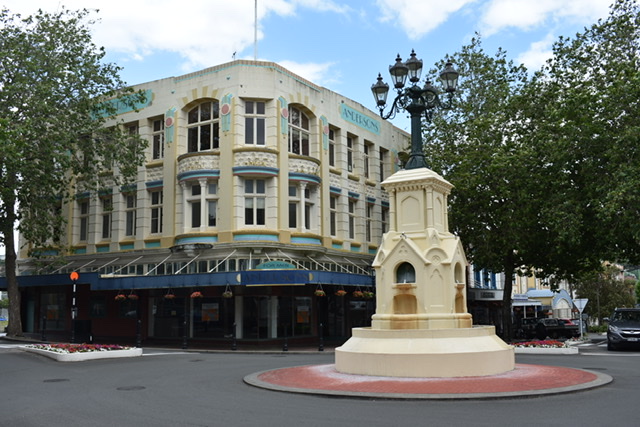
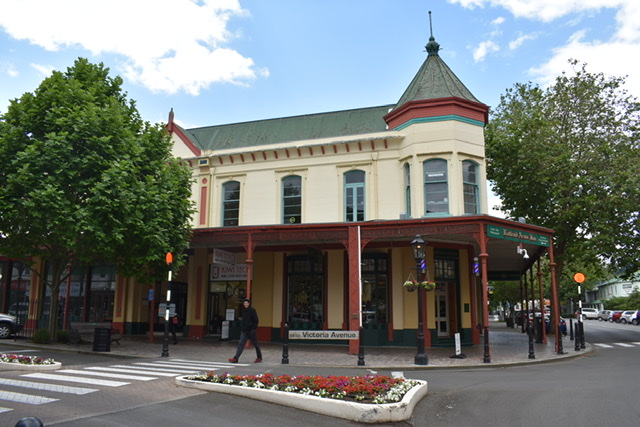
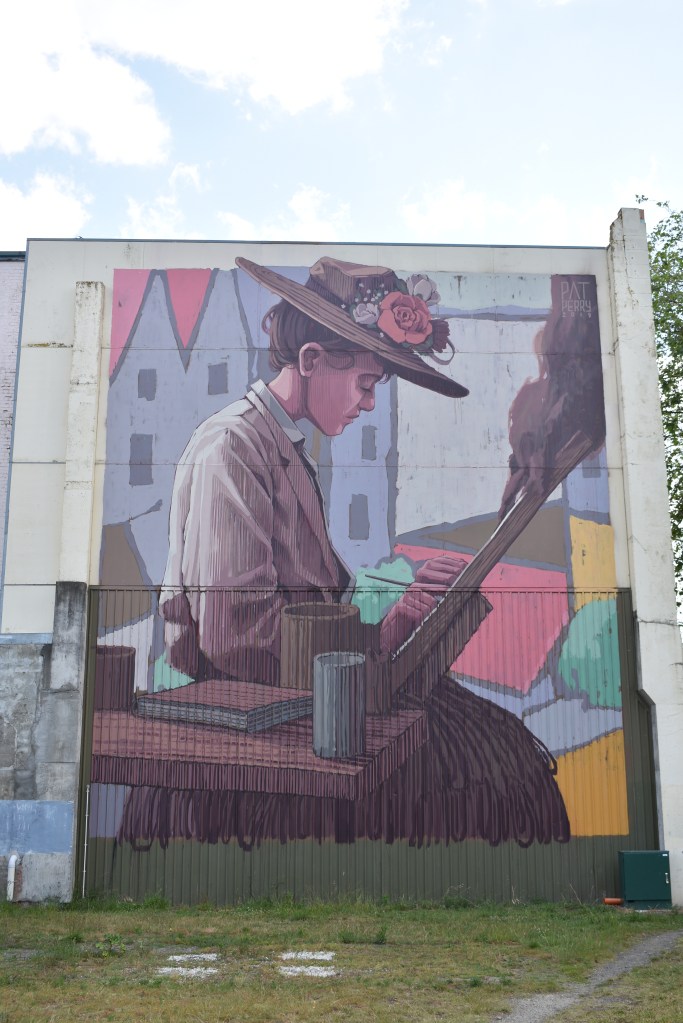
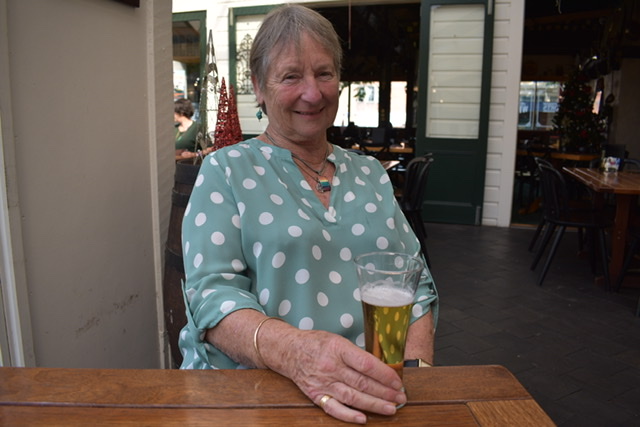
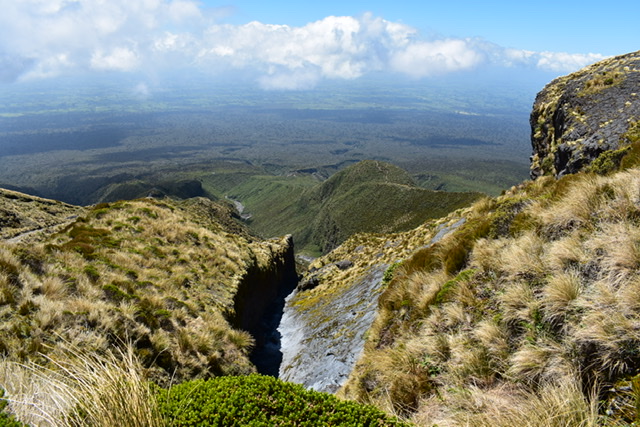
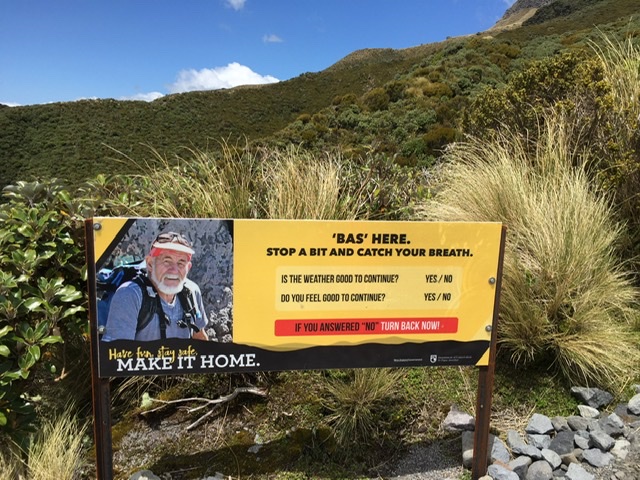
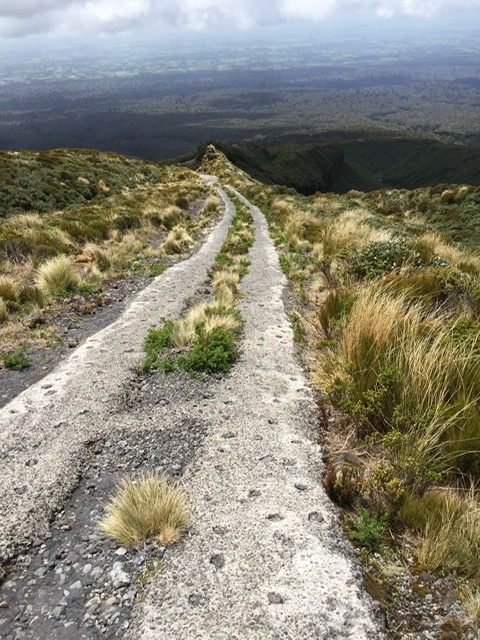
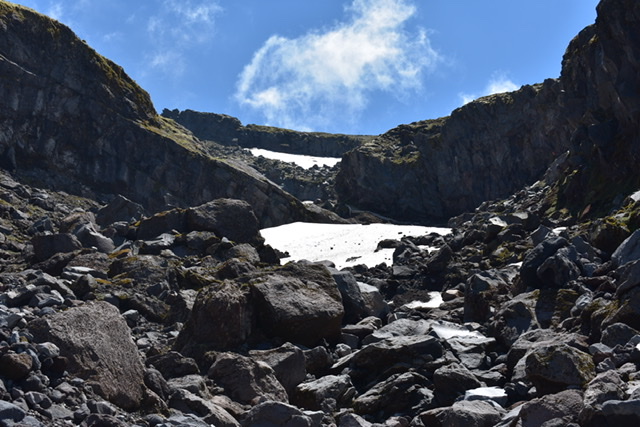
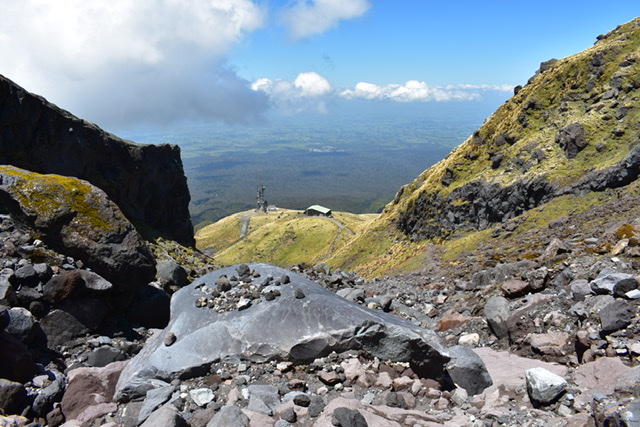

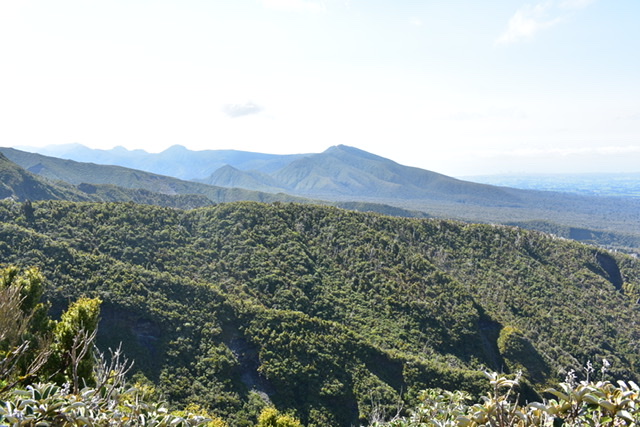
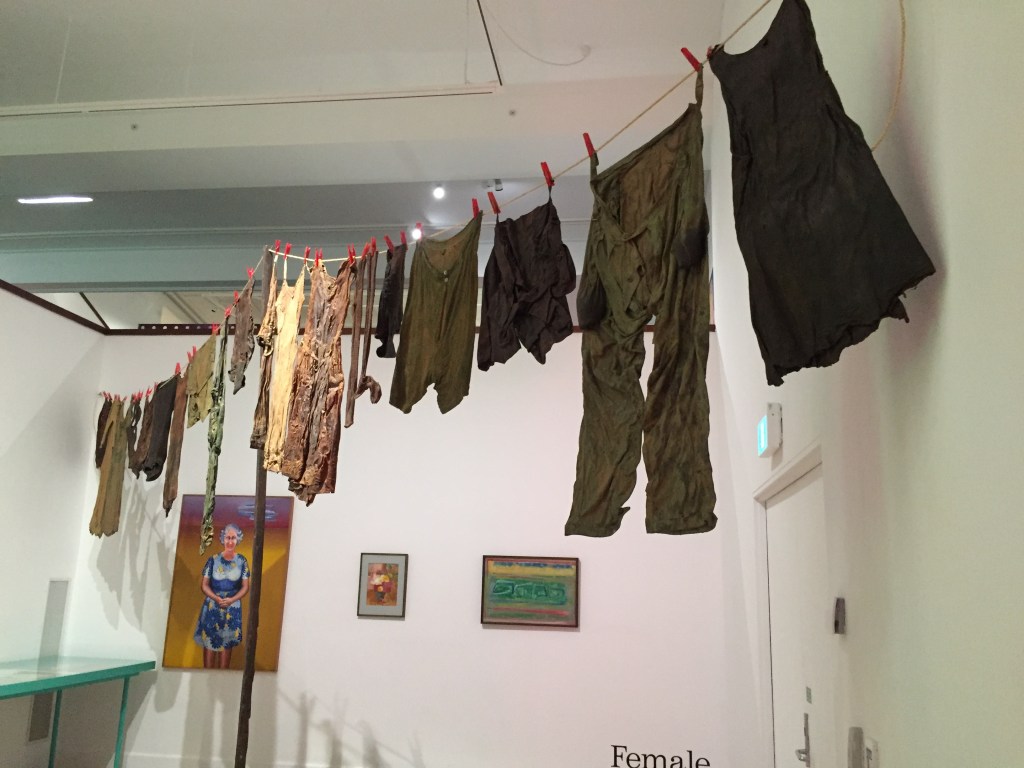
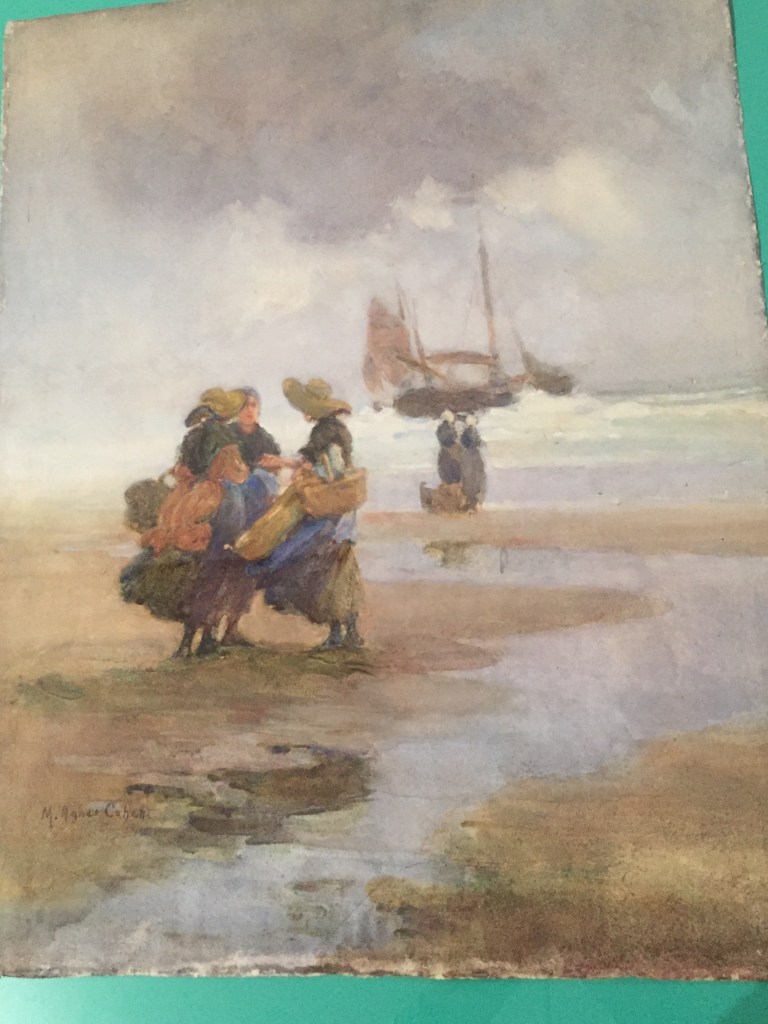

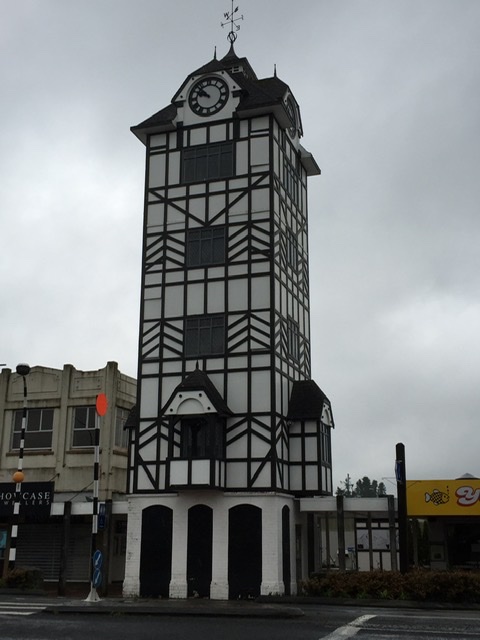
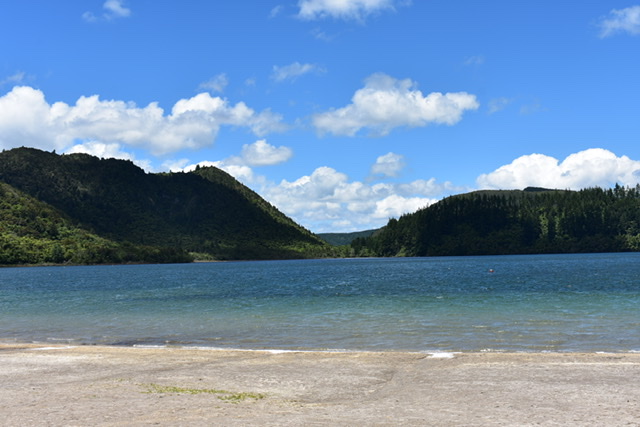
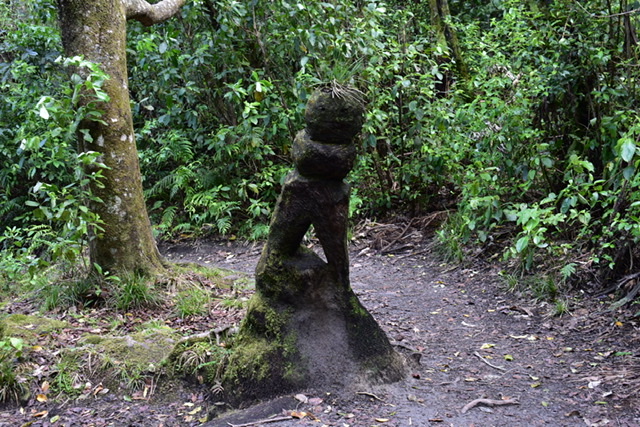

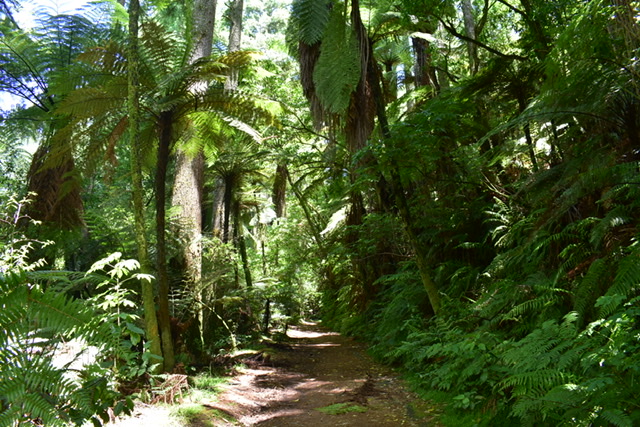
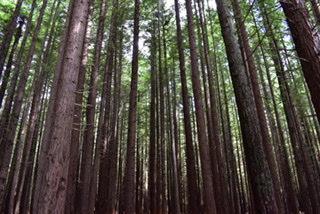
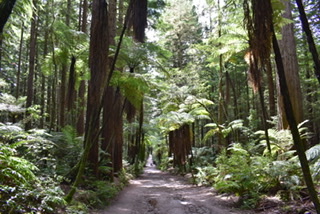
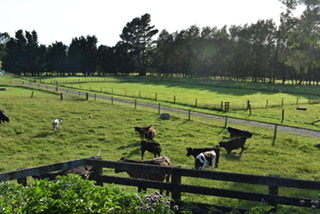
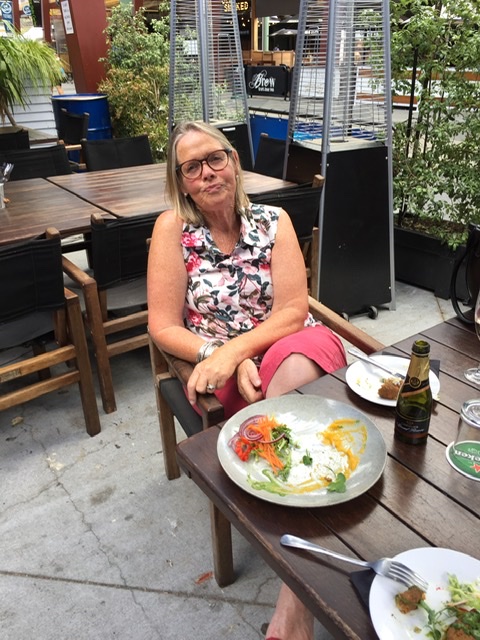


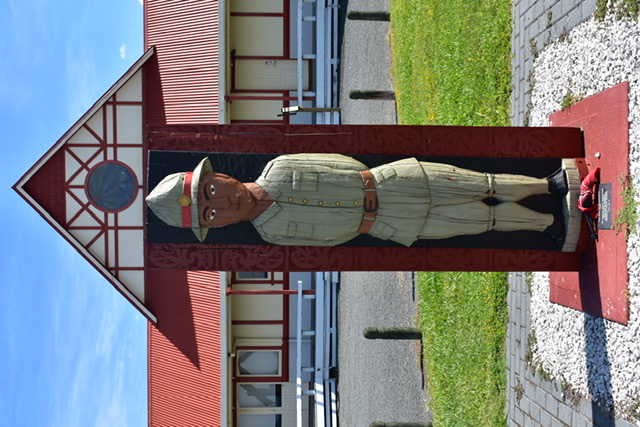
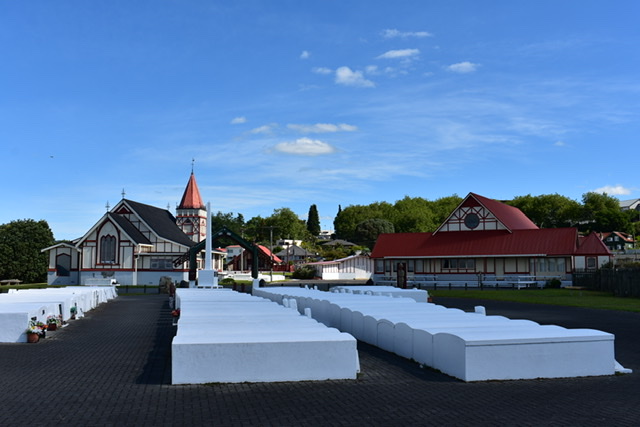
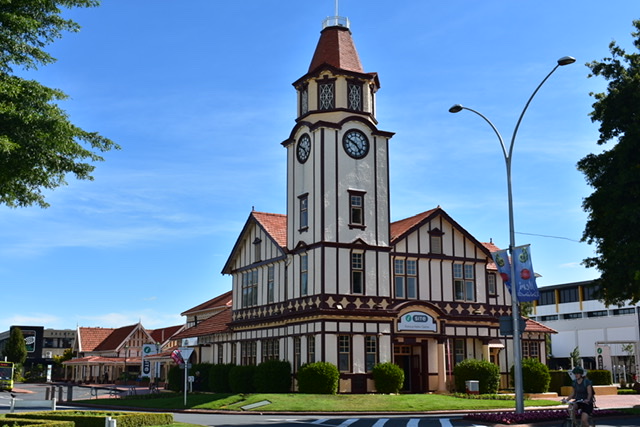
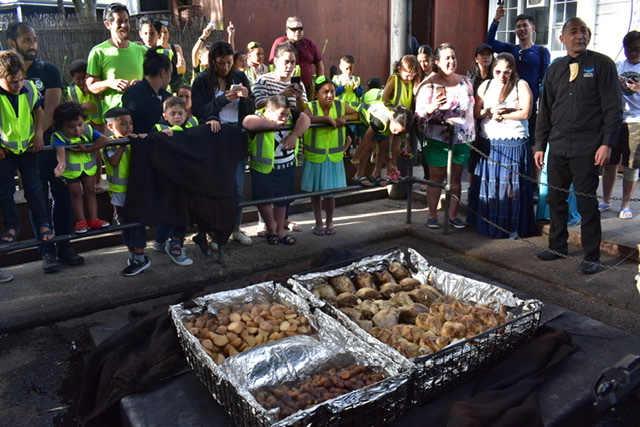
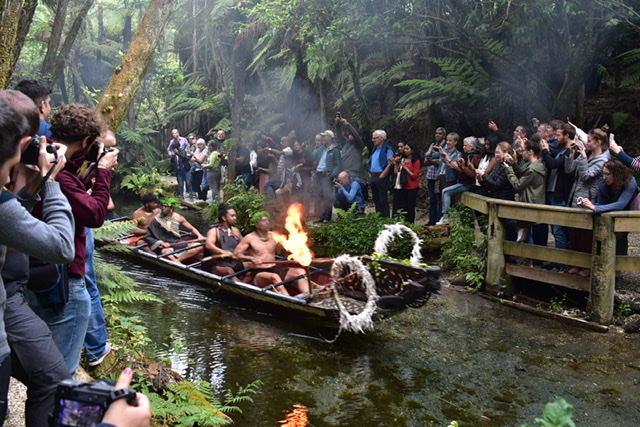
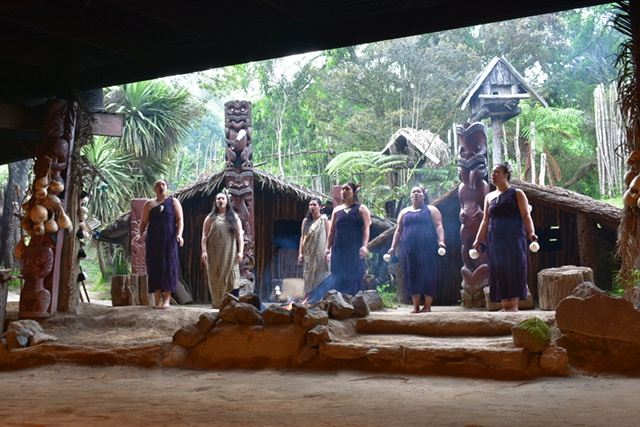
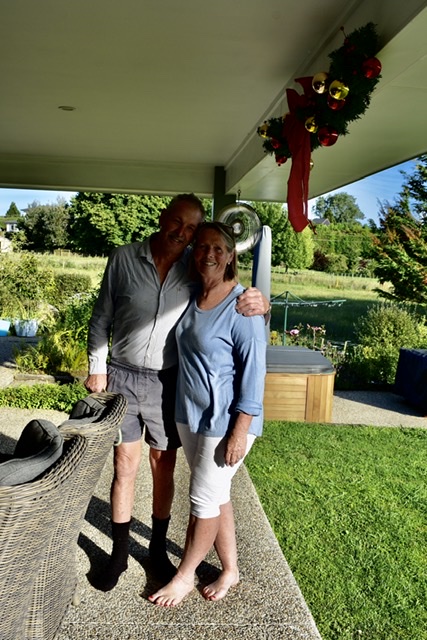
 NeverSayNeverNomad