
I was sad to leave Spike and Ted on Monday 29th July, especially leaving before the family returned, and savoured my last short walks with them along the boardwalk.
I then experienced my first Inter City bus which left Auckland at 1225 to arrive in Thames, on the west side of the Coromandel Peninsula at 1410. It was a double decker so I chose to sit on top, although the front seats with the best view had already been taken. I really enjoyed the journey once we got away from the city, with rolling fields interspersed with lots of small strangely shaped hills dotted about (no doubt formed as a result of volcanic activity) the odd farm but, otherwise, quite unpopulated. I guess that isn’t surprising given that a third of New Zealand’s entire population lives in Auckland.
Arriving too early to check into the Lady Bowen b & b that was to be home for the next 2 nights, I had tea and cake (becoming a habit) at a little cafe and got talking to the lady owner, Jude. When I told her where I was staying she said she hadn’t realised it was still going and that it had been a brothel!
The town itself has a look of the Wild West about it and I felt as if I’d stepped straight onto the set of a Western. The east side of the Coromandel Peninsula was the area where James Cook first set foot and also where the Maori first arrived. Cook named the town Thames because he thought the Waihou river, going inland from the town, was similar to London’s River Thames. The Coromandel Peninsula is quite spectacular, with beaches along the west and east coasts, although those on the east side are nicer with whiter sand, and running along the middle rises thick forest/bush with lots of walking (or tramping as they say in NZ) trails. It’s one of the places New Zealanders flock to for their summer holidays, if they haven’t gone to Bali or Fiji that is!
I got to the b & b at the allotted check in time of 3pm and was warmly welcomed by Stu who was missing quite a few teeth and said “No worries” at least 30 times, which of course I felt obliged to reprimand him for! He gave me a potted history of the Lady Bowen building which had been one of many hotels built in the 1860s when people also flocked to the area in the hope of becoming rich on the gold that had been found. There is no doubt it would have been used as a brothel. Stu and his wife Barbara bought the building a year or so ago which was then being used as a backpackers’ hostel called ‘Sunkist’ and rather unloved. They are restoring it and renamed it Lady Bowen as it was originally called.
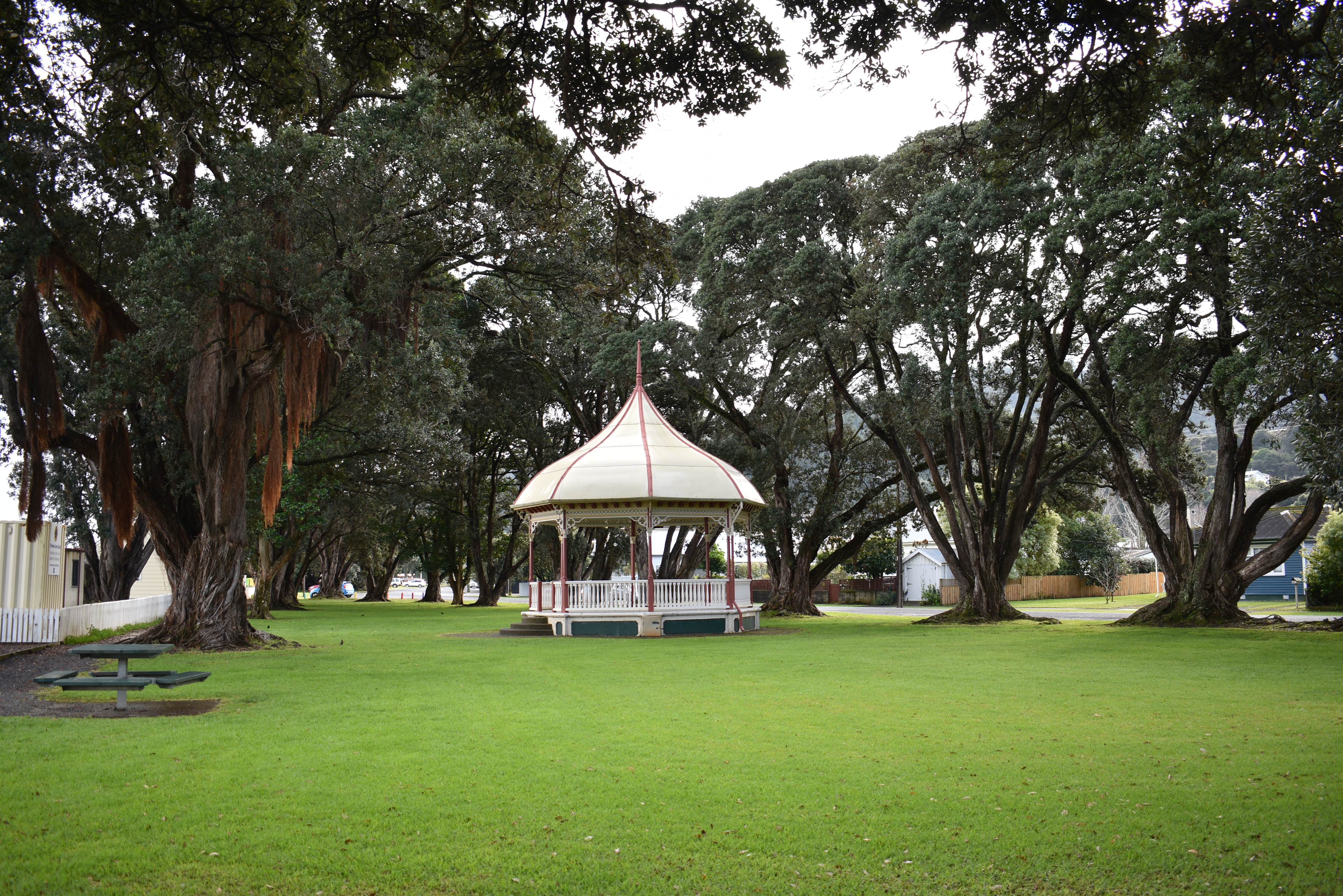
Thames bandstand 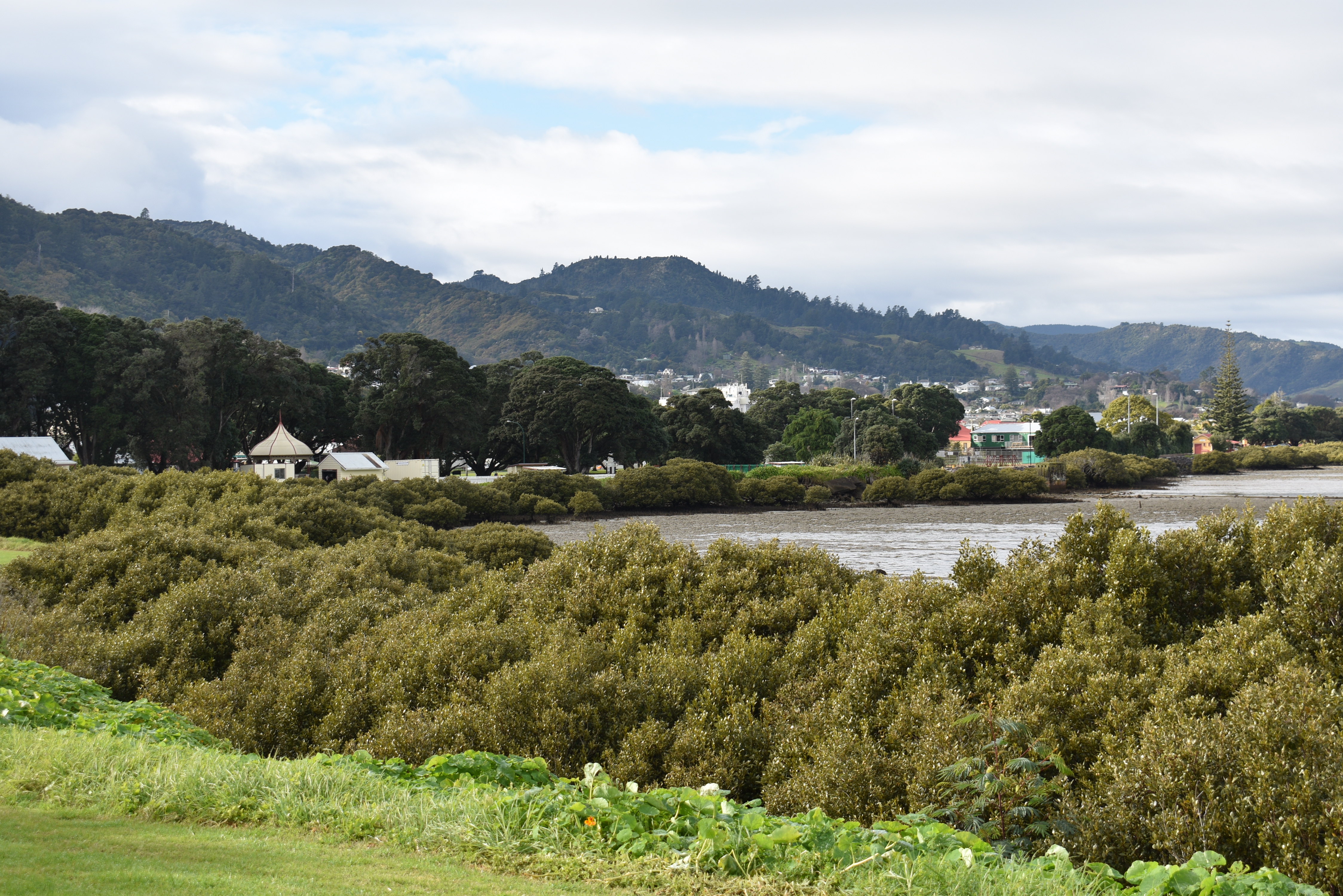
View from coastal walkway 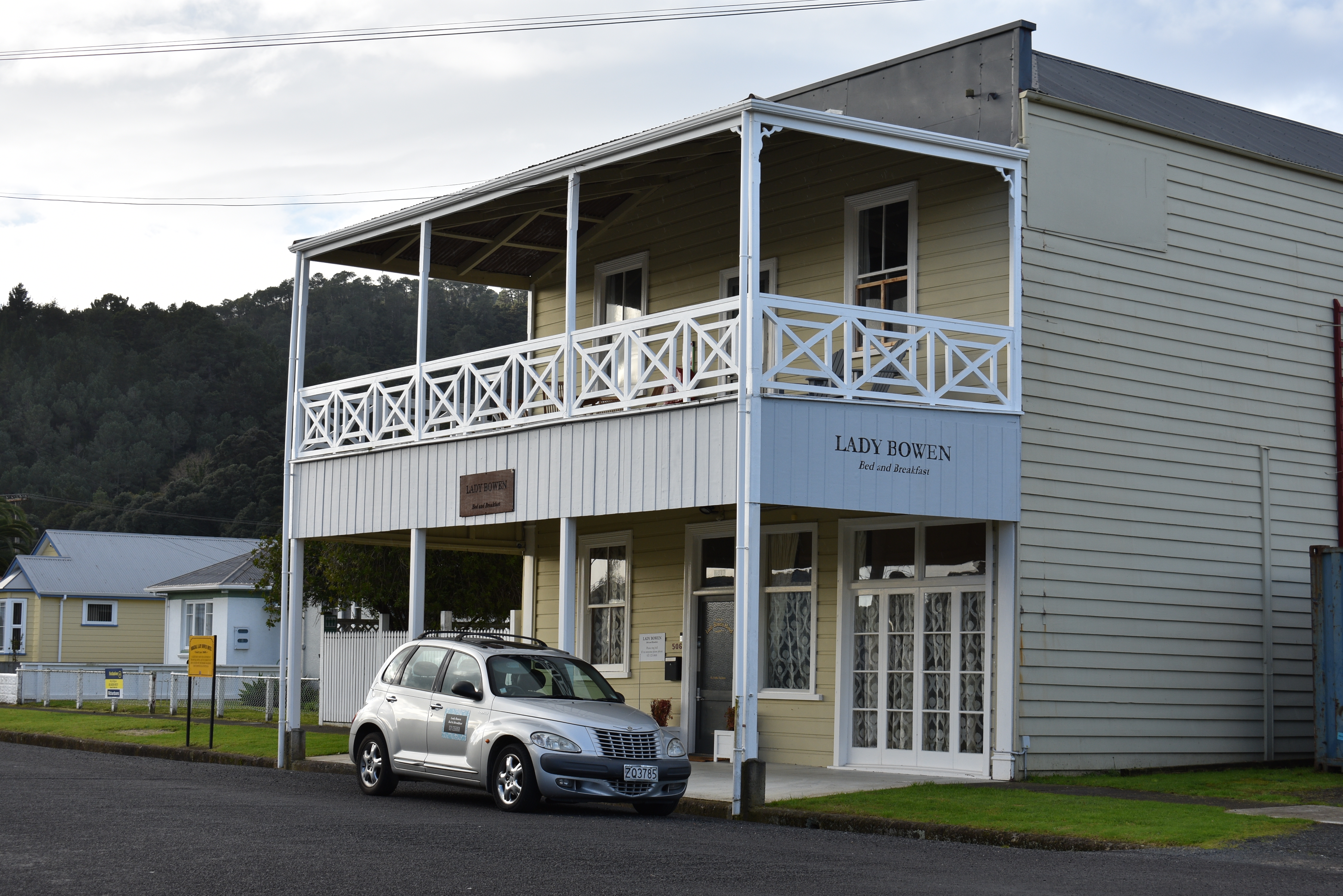
Lady Bowen b & b
Opposite the b & b is a coastal walkway, fairly short, going north and south, so I walked south. Along the way was a hide, which I sat in for all of 5 minutes (there wasn’t much to see as the tide was out). I had a brief conversation with a young South African couple who, with their 3 young children, had arrived in NZ 6 weeks before to make it their home. After departing the young woman of the couple ran after me to ask me to dinner, which was really kind but, despite the fact I had told myself before leaving England that I would accept any such offers I declined very graciously. Something to do with the 3 children and my having to decline meat, but I know I should have accepted…
So, instead, I ate at the Junction Hotel which was very pleasant despite the fact the portions were small.
Some of the buildings in Thames:
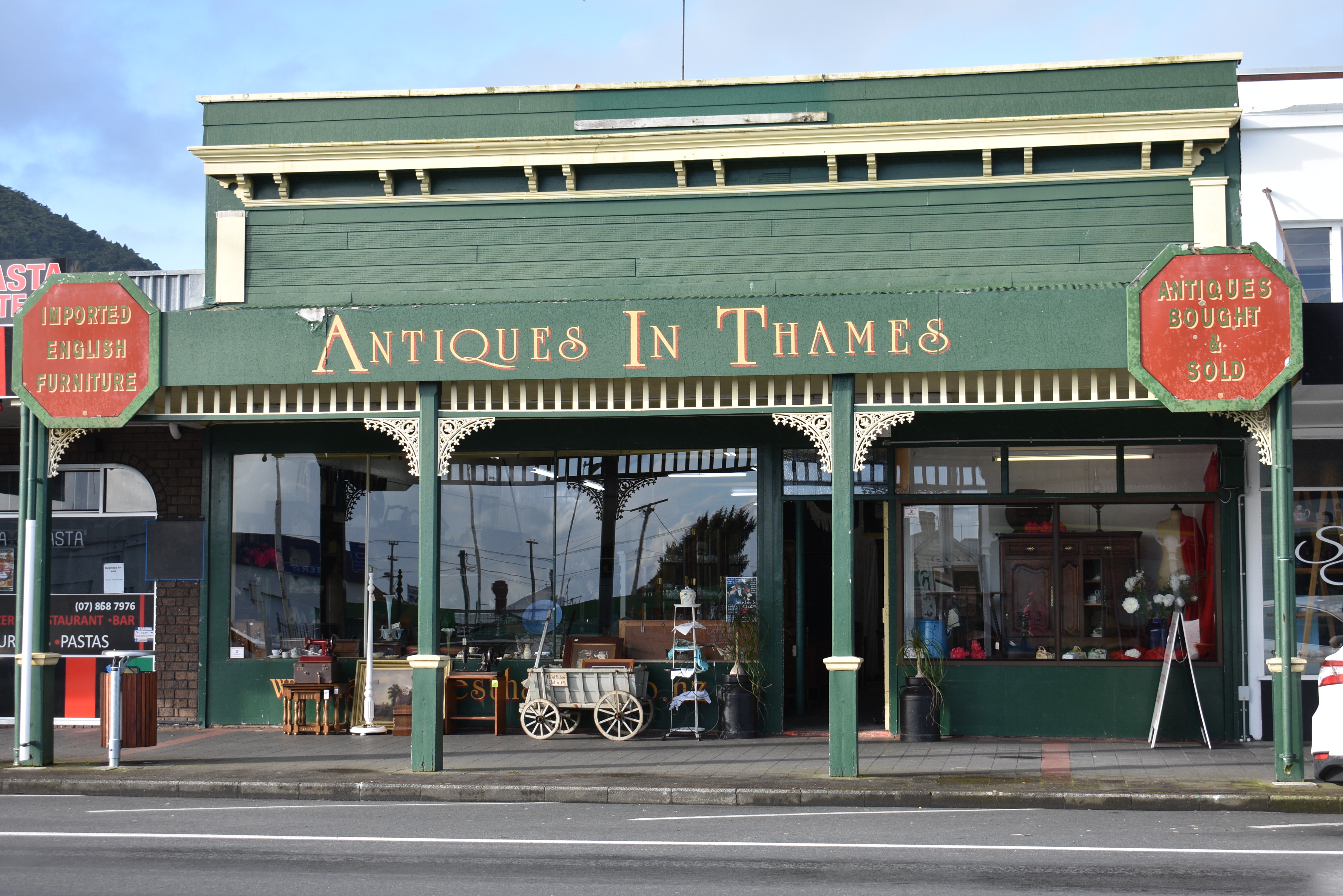
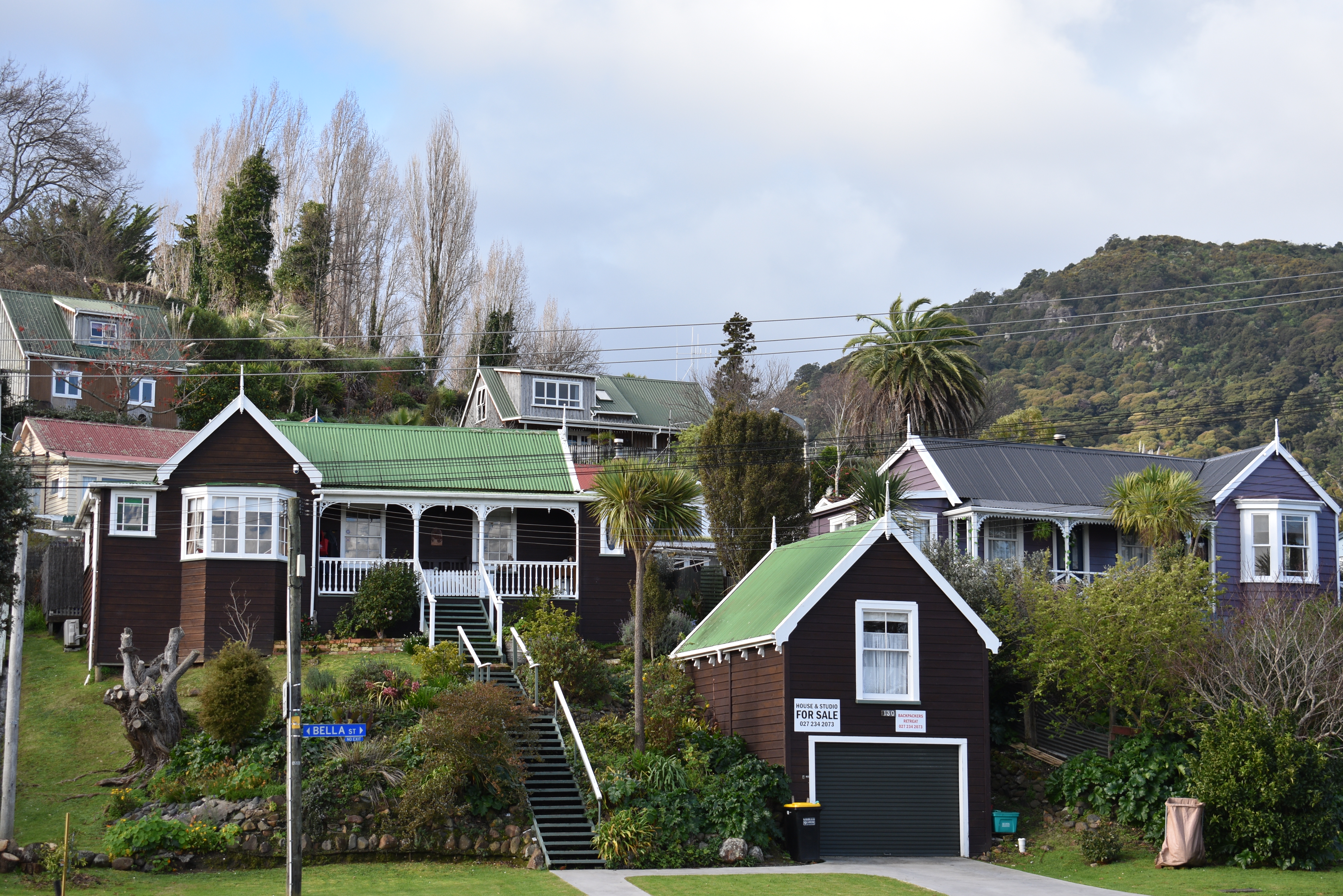
Almost Alpine 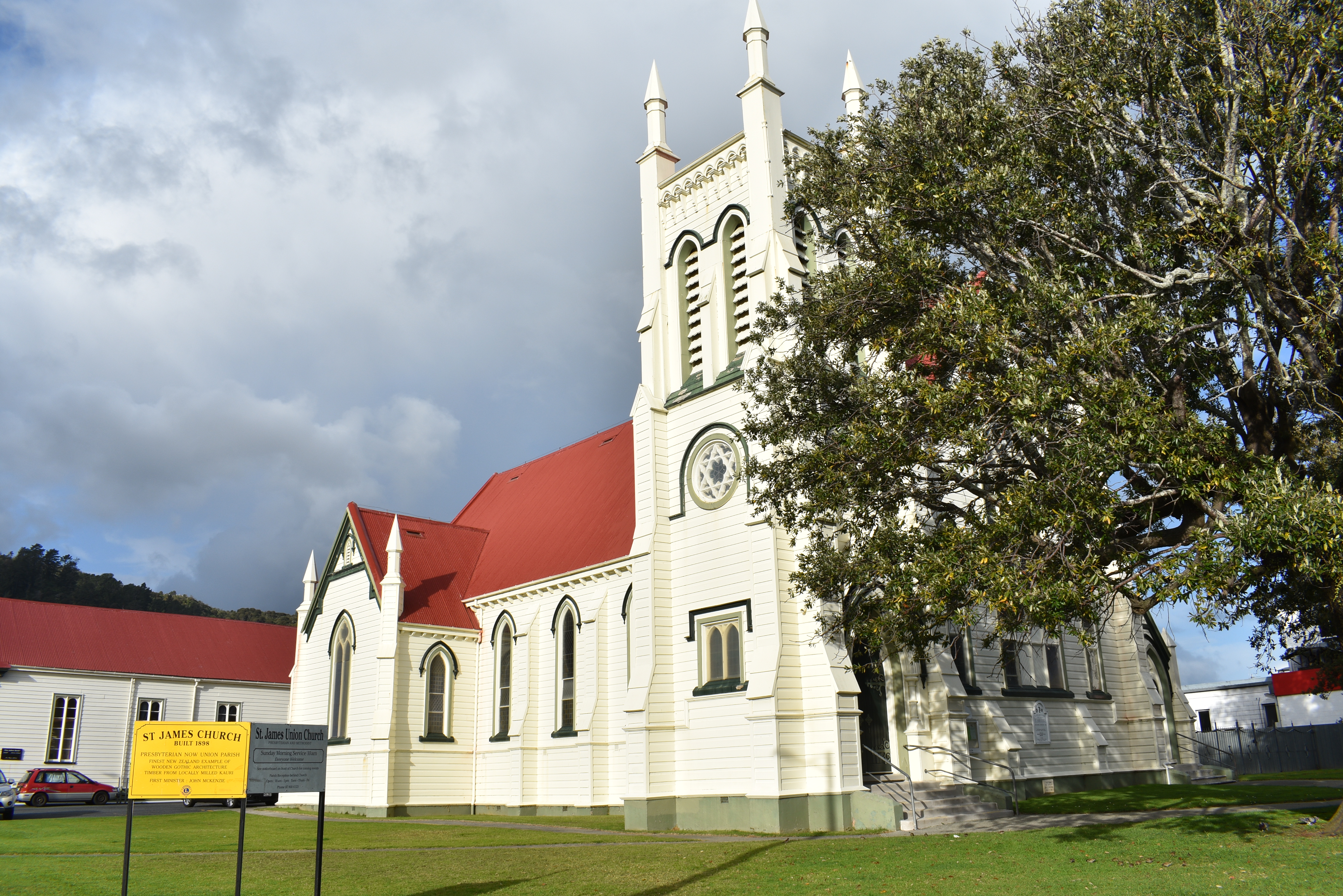

Originally a hotel in the 1860s now a family home
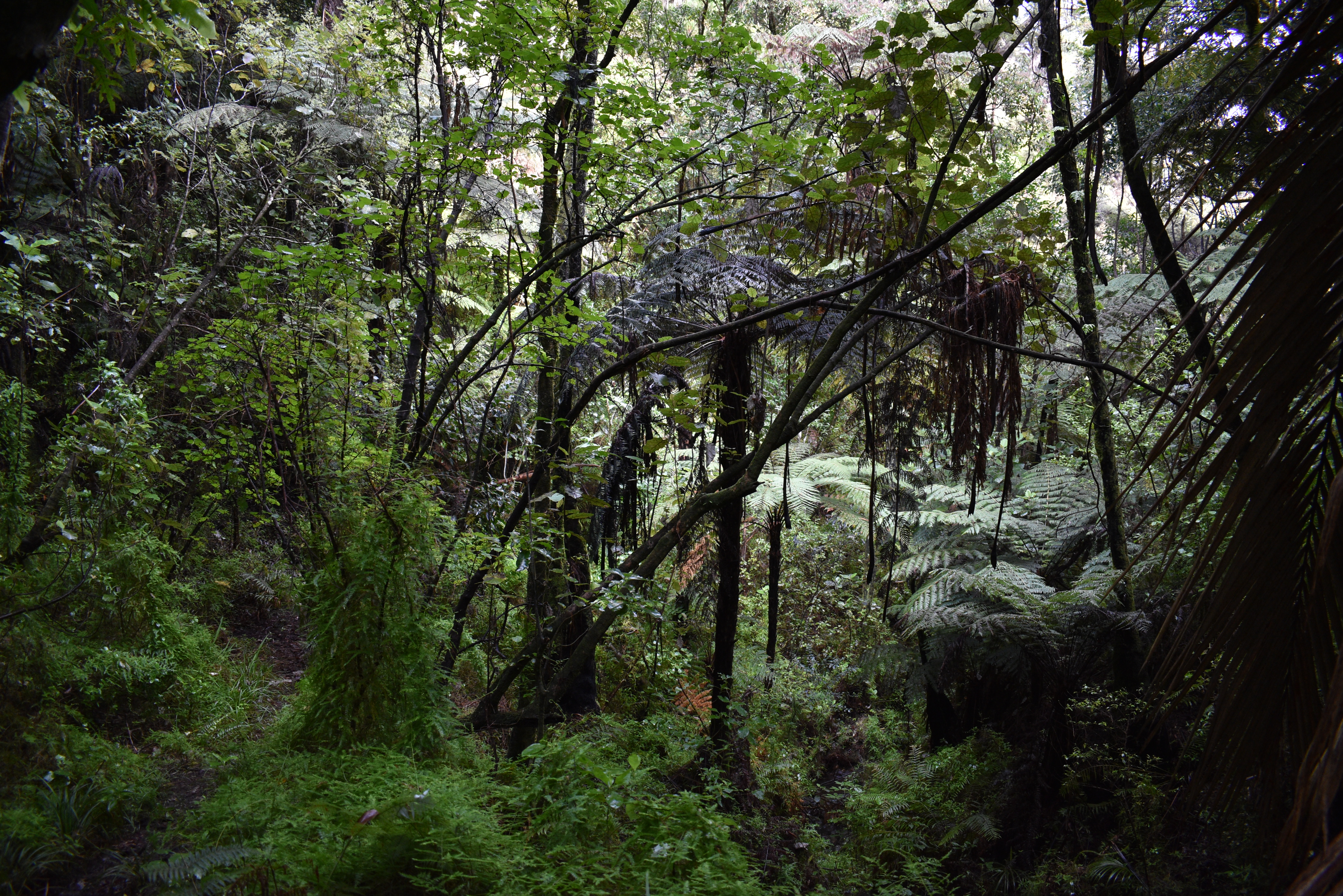
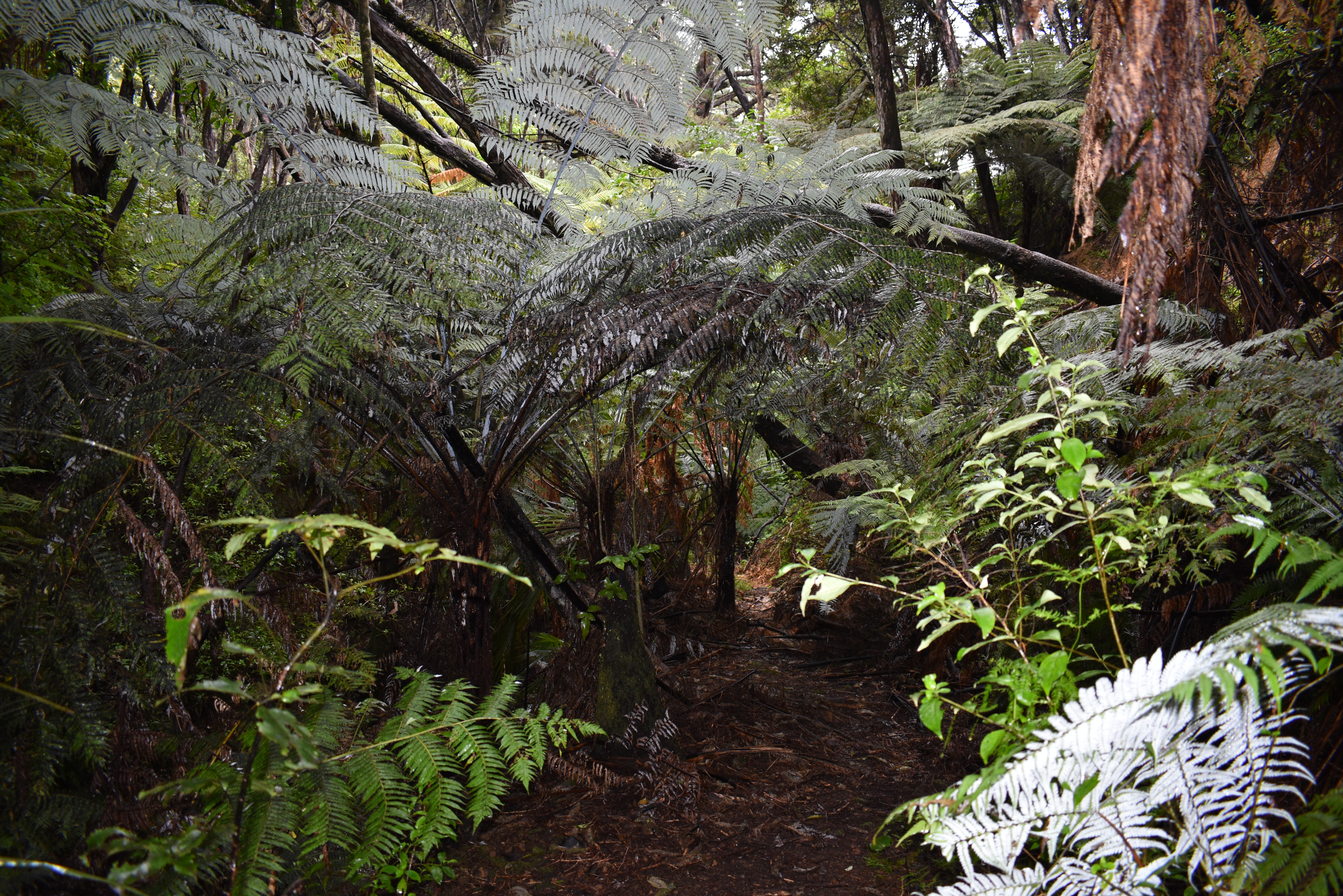
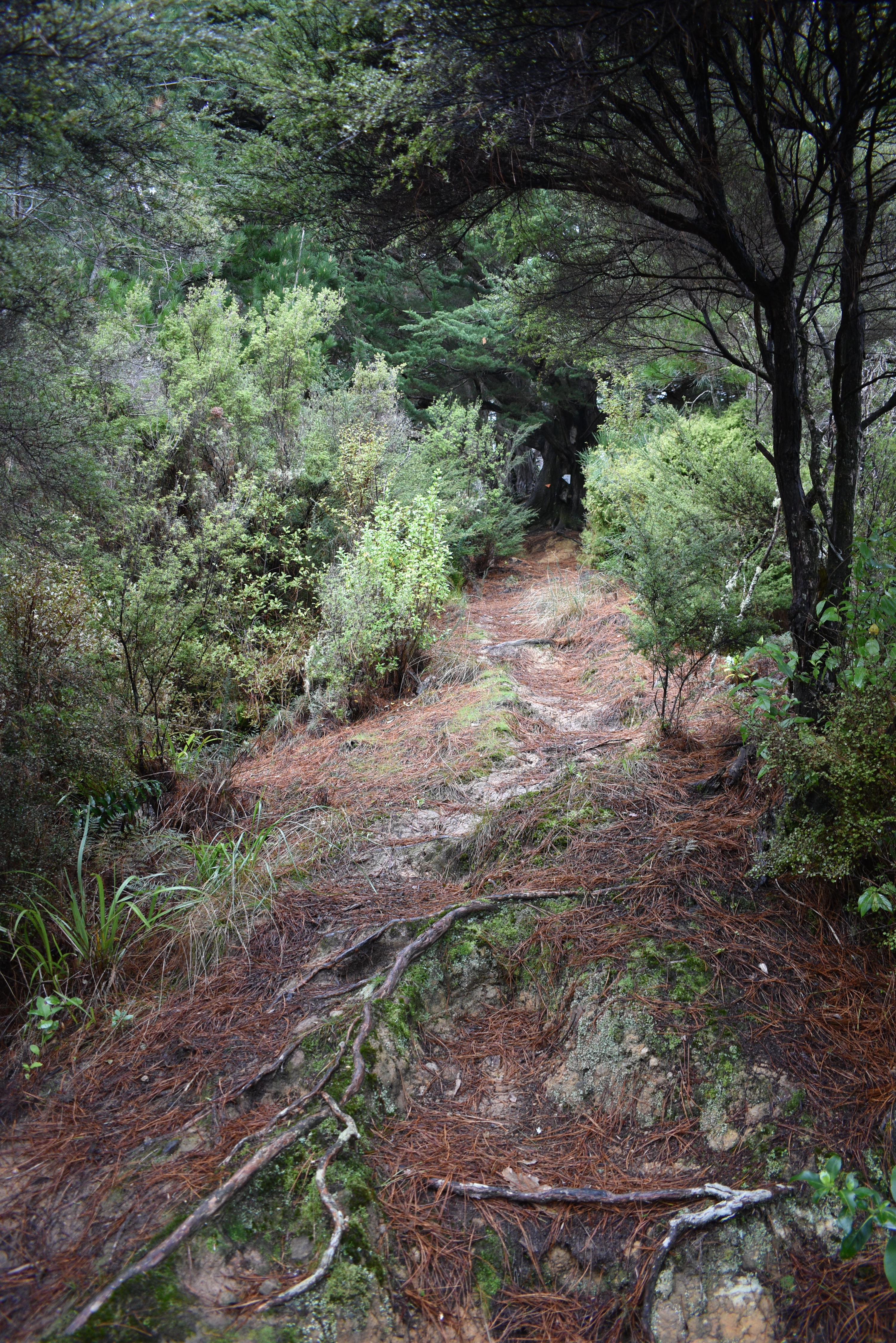
On Tuesday 30th I decided to go for a walk and investigate historic ‘Rocky’s walk’ just off the main road in the northernmost part of Thames leading up into the forest in a semi circle and then back down to Victoria Street which led to the main road. What could possibly go wrong? I walked along the northern section of the coastal walkway and on to Ash Street the end of which appeared to be the start of the walk. Whether it was or not, I certainly had an adventure and kept walking up and up, negotiating fallen trees at times and balancing on a narrow trunk to avoid walking ankle deep through water. It was very slippery in places and I could have done with my walking poles which were languishing in the bottom of my case in my room, not having yet seen the light of day!
I wasn’t too worried as there was just the one path and orange markers or red chalk markings on trees along the way. There were also pink markers which I later found out were places were poison had been laid for possums. After two hours however, and not looking like the track was going to reach Victoria Street, I thought it sensible to turn back, despite a dislike of retracing steps on walks preferring circular walks where possible. It was much more difficult, needless to say, walking down and I slipped a couple of times getting covered in mud but, fortunately, injury free. However, somehow I ended up getting down to Victoria Street, and had no idea how as I hadn’t seen another path on the way up. Weird! This appeared to be the actual start of the walk, so I’d been way off.
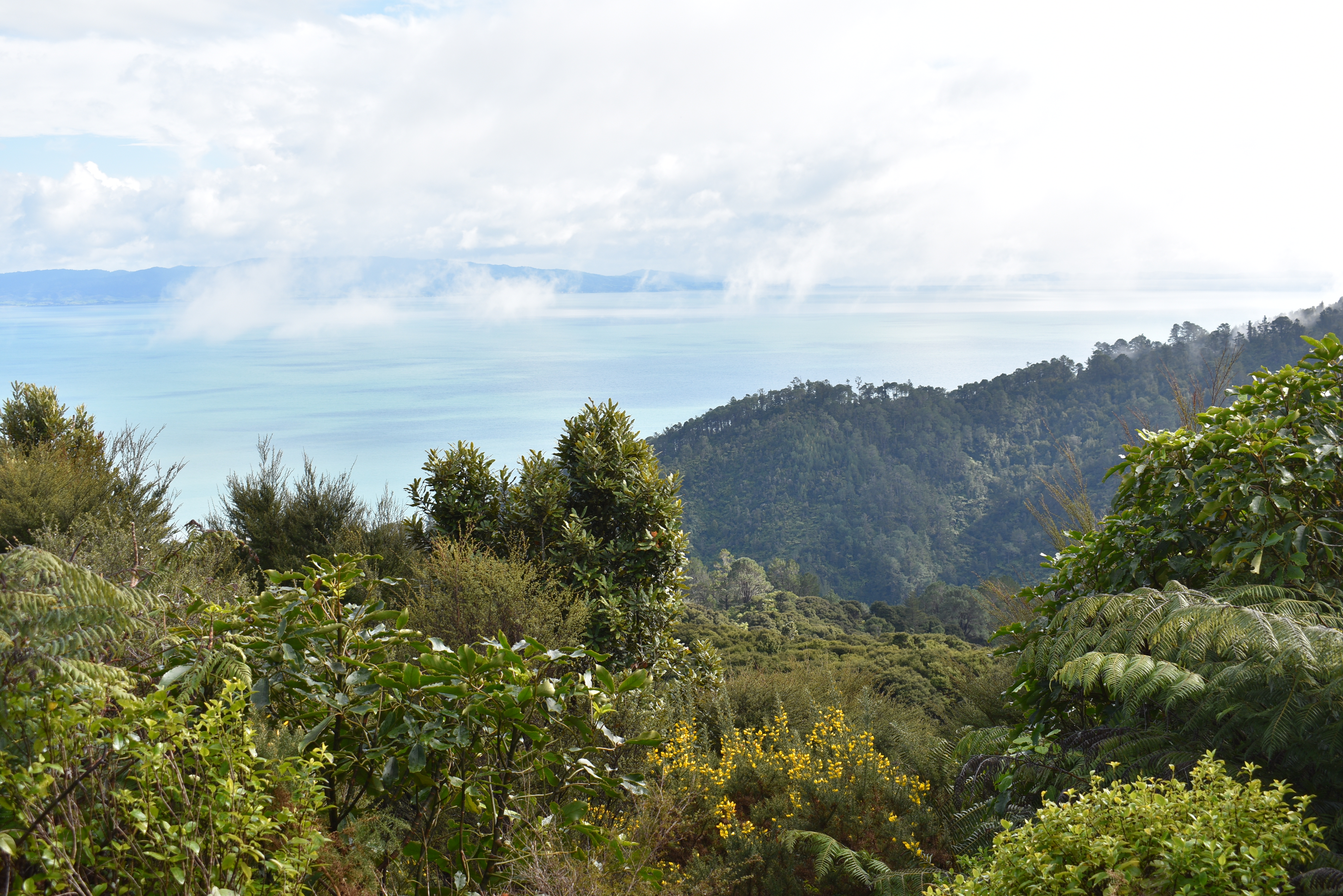
Some pics from the walk:
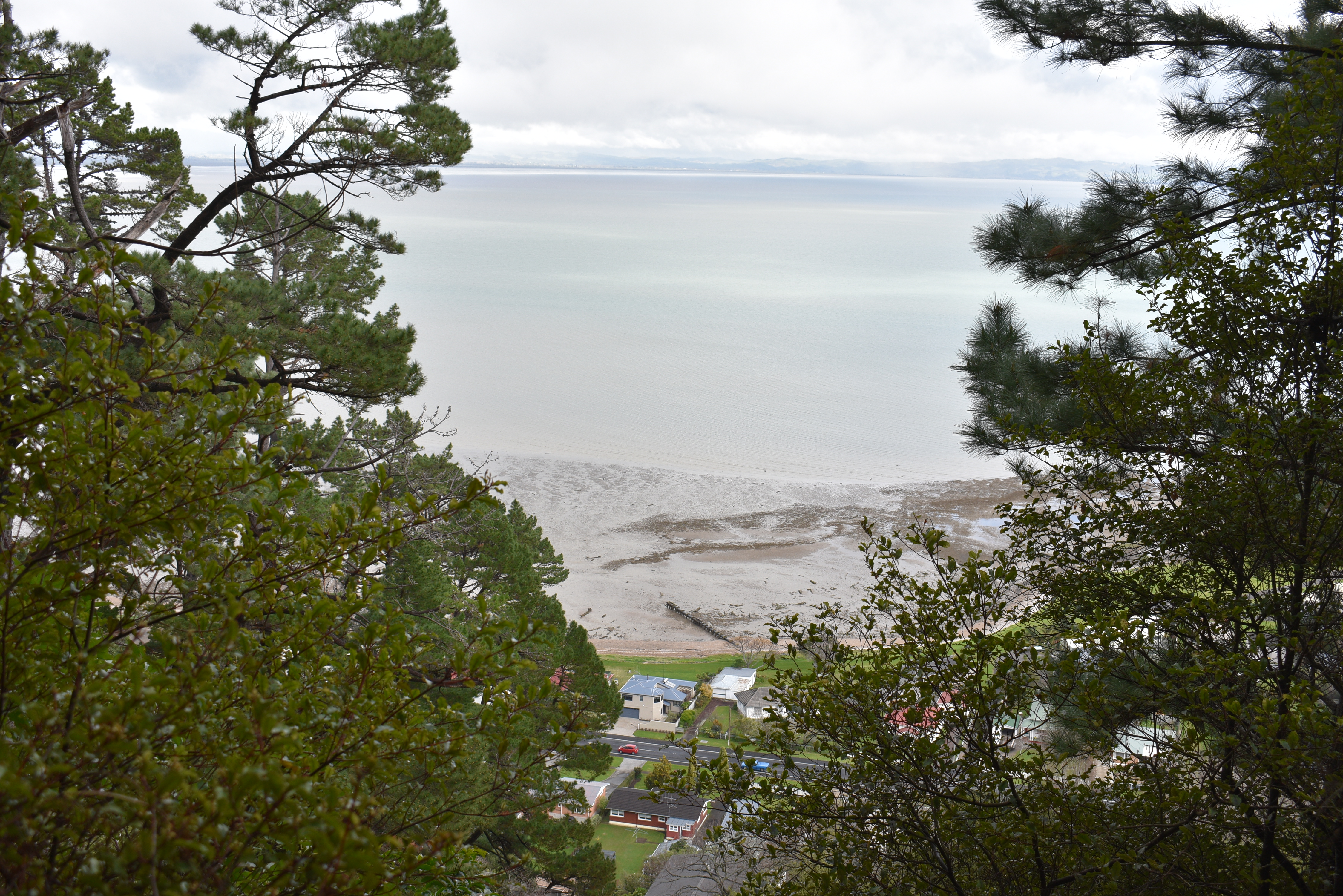
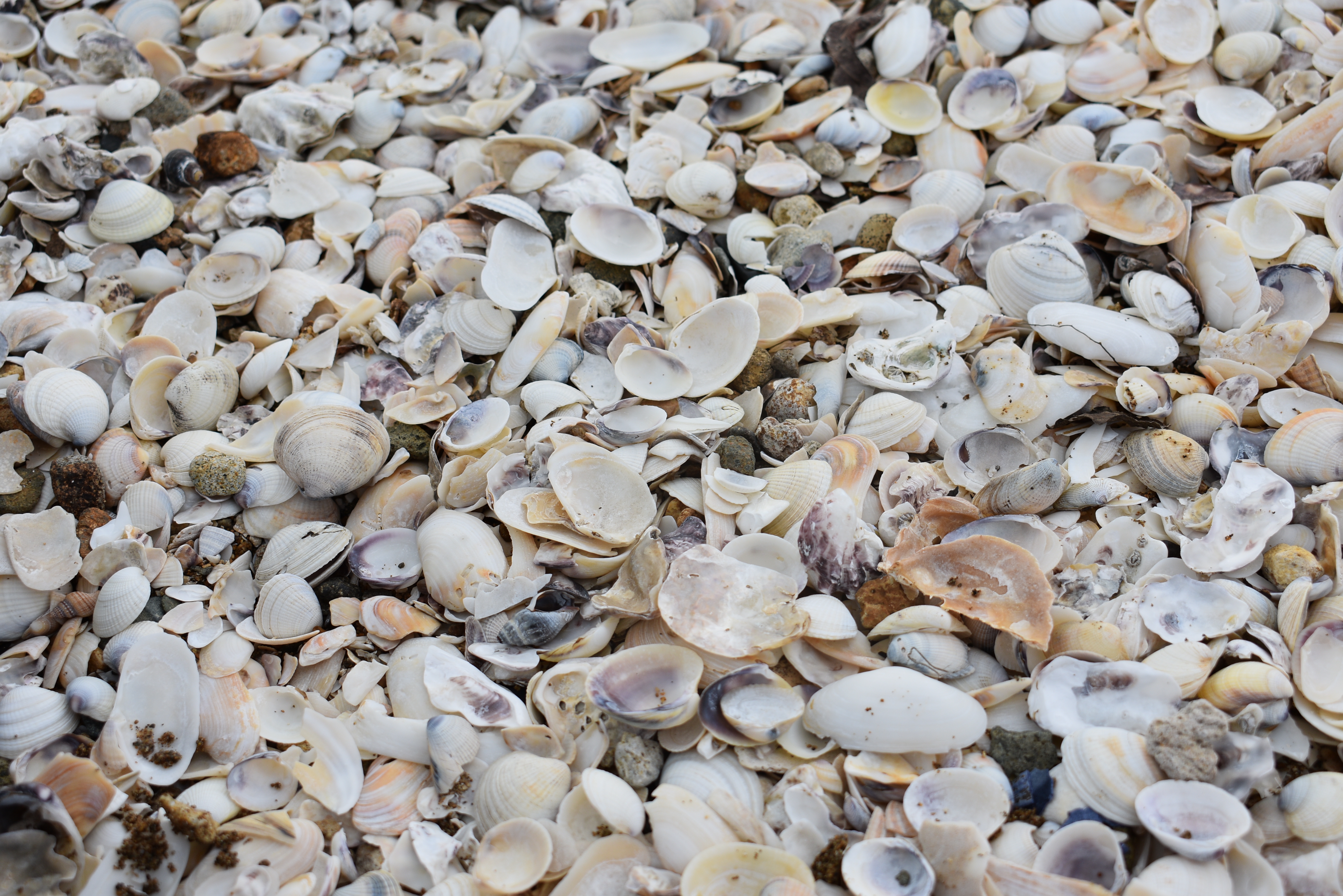
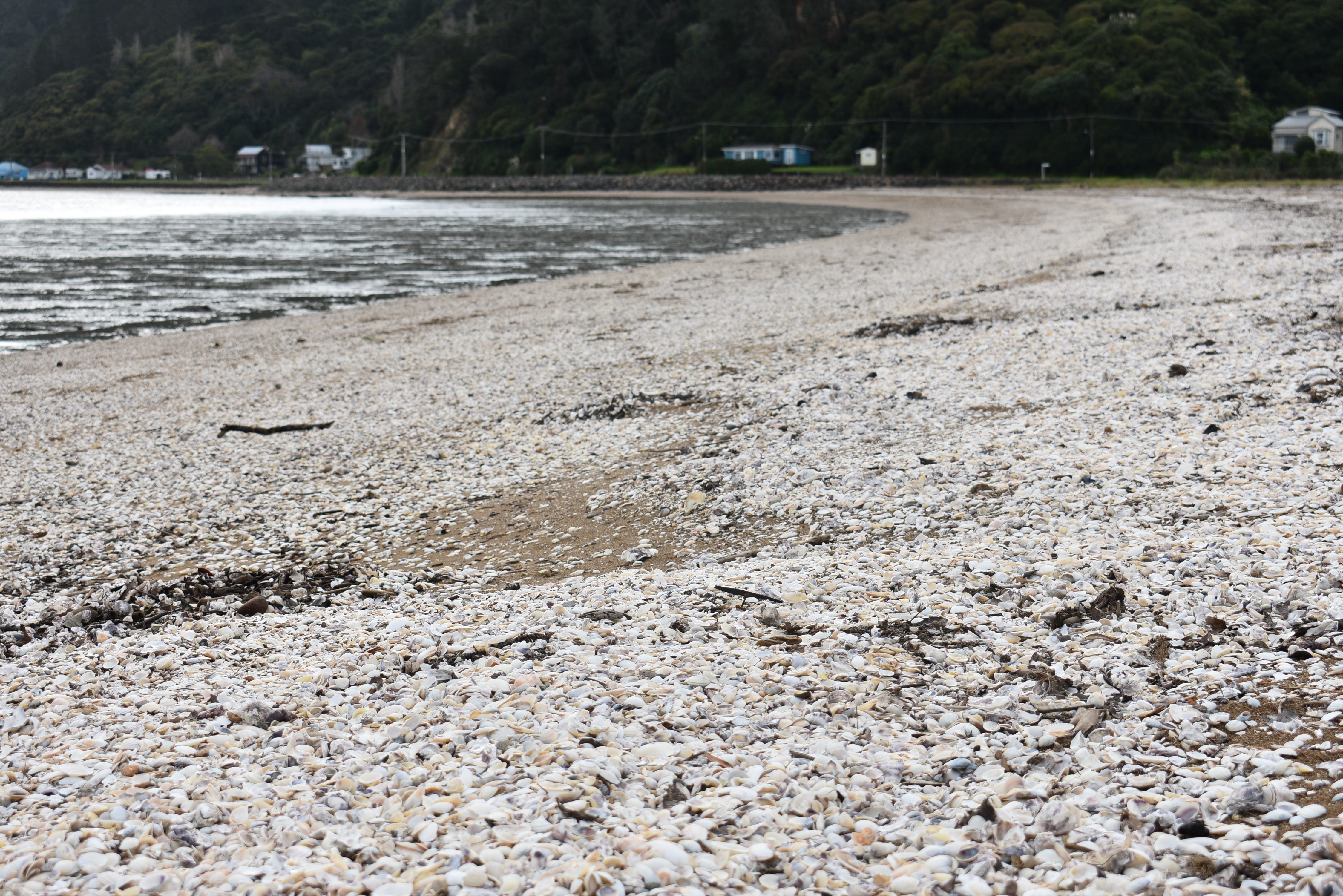
Anyway, all hot and flustered by this stage I was very pleased to see civilisation again and walked back along the beach, stopping to admire the ‘Variable Oystercatchers’ scrabbling along the beach and shore. The beach, by the way, is completely covered in shells, many empty oyster shells amongst them. An information board told me that the Oystercatchers here are called ‘Variable’ as they’re not all the same, some black some grey and others black and white and only found in NZ:

After walking into town still covered in mud in search of tea and cake I went back to the b & b for another cuppa, shower and change. There had been 5 people, including me, staying last night but tonight just me and an older man. He arrived as I was leaving for dinner but I didn’t stop to chat as was starving and was concerned he might want to join me….should have let him! I really fancied some fish and chips which I thought I deserved and went to another restaurant called ‘Gastronomics’ which was pretty much full mainly with parties of people but, despite that, I was warmly welcomed and served efficiently by the three young waitresses. Date and toffee steamed pudding with ice cream followed the fish and chips, all very delicious and I waddled back.
The next morning at breakfast I discovered that the other guest was a private detective called Mike who was on a job and staying for 2-3 nights. I assumed it would be the normal matrimonial type of thing, following a spouse to see if he/she is having an affair but he told me he deals mainly with fraud cases. He was a police officer for 13 years and set up his own private investigation business when he had a young family and wanted to earn more money. It seems he earns rather a lot now and despite having just celebrated his 70th birthday wasn’t going to retire any time soon. He was an interesting and funny chap and I was sorry I had to leave to catch a bus, and should have had dinner with him last night if I’d known! Before I left he wanted to put me in touch with an ex Essex Police Officer who now lives in New Plymouth, called her up on his phone so I could chat. So if I make it there she’ll show me the sights.
Barbara kindly drove me to the bus stop and while waiting for it I chatted to a couple of ladies sitting on a bench who I assumed were mother and daughter waiting for the bus too. I ‘assumed’ wrong on both counts as they were Jehovah’s Witnesses (I hadn’t spotted the tell tale stand with booklets nearby). To their credit they never once mentioned this until I asked where they were going.
It was just a 50 minute journey to Waihi for which I managed to get a seat in the front of the top deck this time. My accommodation for two nights was an Airbnb at a woman called Julie’s home and I was to be her first guest, so thought she might be nervous. She very kindly met me at the bus stop and walked me to the Real Estate Agent’s where she works as a rental property manager. I left my big case there and was to investigate the little town until 5 pm when she was leaving for home.
Waihi is another gold mining town (NZ’s ‘Heart of Gold’ in actual fact) and Julie suggested I might like to walk to the edge and round the rim of the Martha mine. Before doing so I went to one of the many cafes in Seddon Street, the main drag, for some lunch. Then, afterwards, as I headed for the mine it started to pour with rain so went instead to the library spending a good two hours in there reading and writing.
The town is dominated by a Cornish Pumphouse which looms over Seddon Street. It was built in 1906 to house steam engines and pumping equipment to dewater Martha Mine, and pumped out 7,000 litres of water per minute. It ceased being used from 1913 when it’s steam power was replaced by electricity. The pumphouse, which weighs 1840 tons, was moved from its original site above the mine to its current site in 2006 when underground workings threatened its stability. I walked to the rim of Martha mine and read that 7 vertical shafts were sunk into the mine, the deepest being 600 metres, from which radiated a network of 175 km of tunnels on 15 levels. At its peak, in 1909, there were about 1500 people working at this mine and at the Victoria Battery which I was to see the next day. The original mine was closed in 1952 but was the first to be commissioned following a resurgence of the gold mining industry in NZ in the late 1970s.
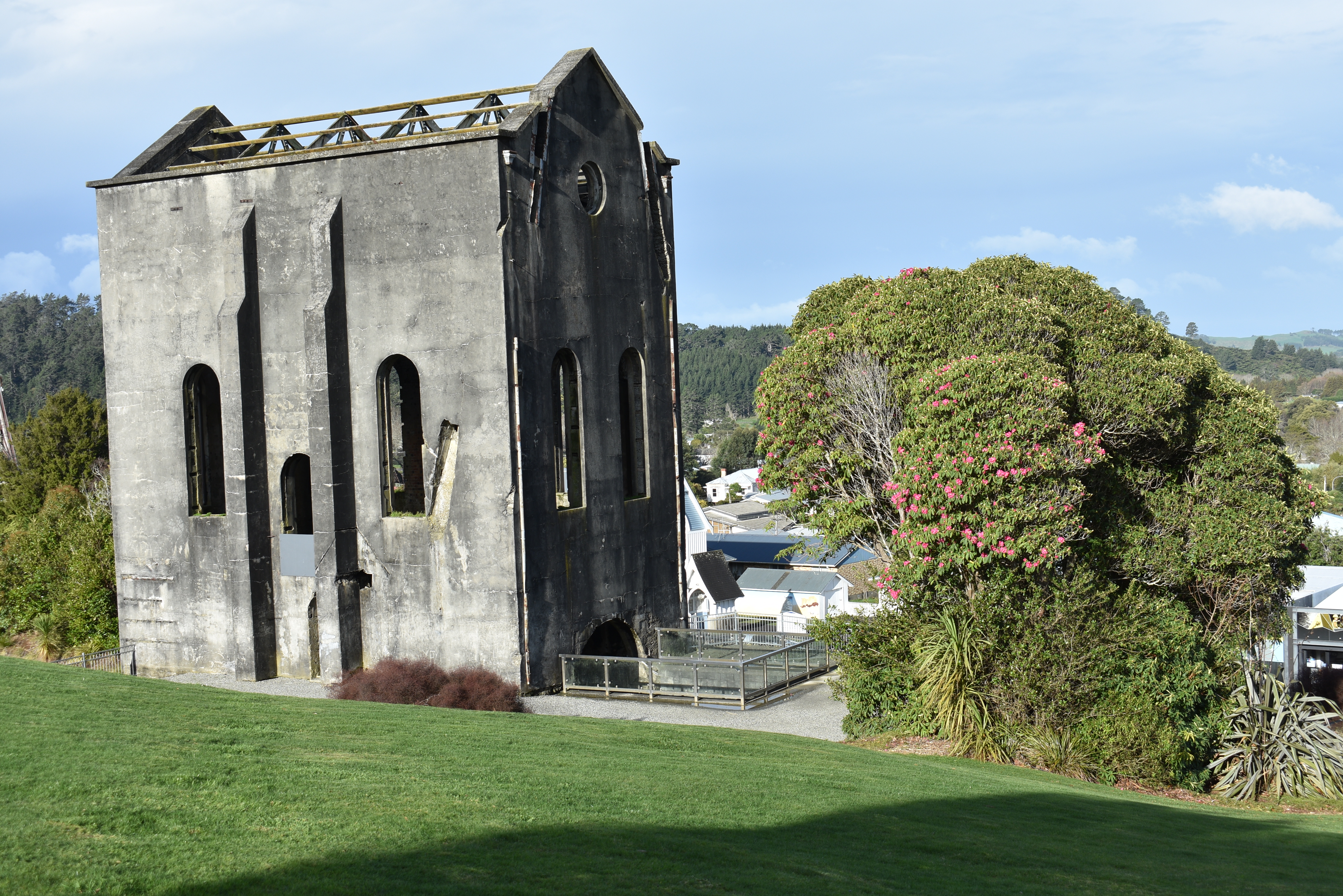
Cornish Pumphouse 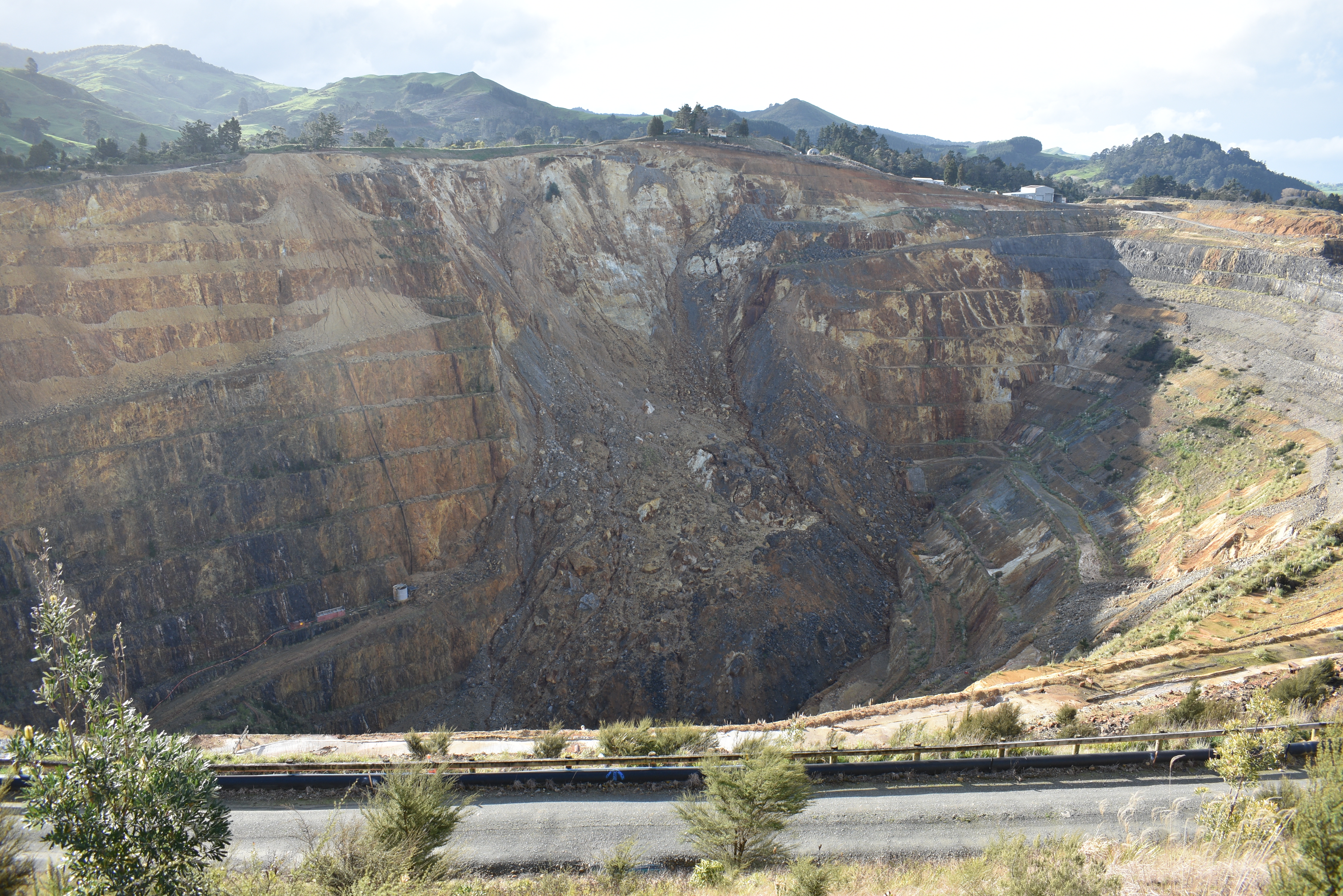
Martha Mine 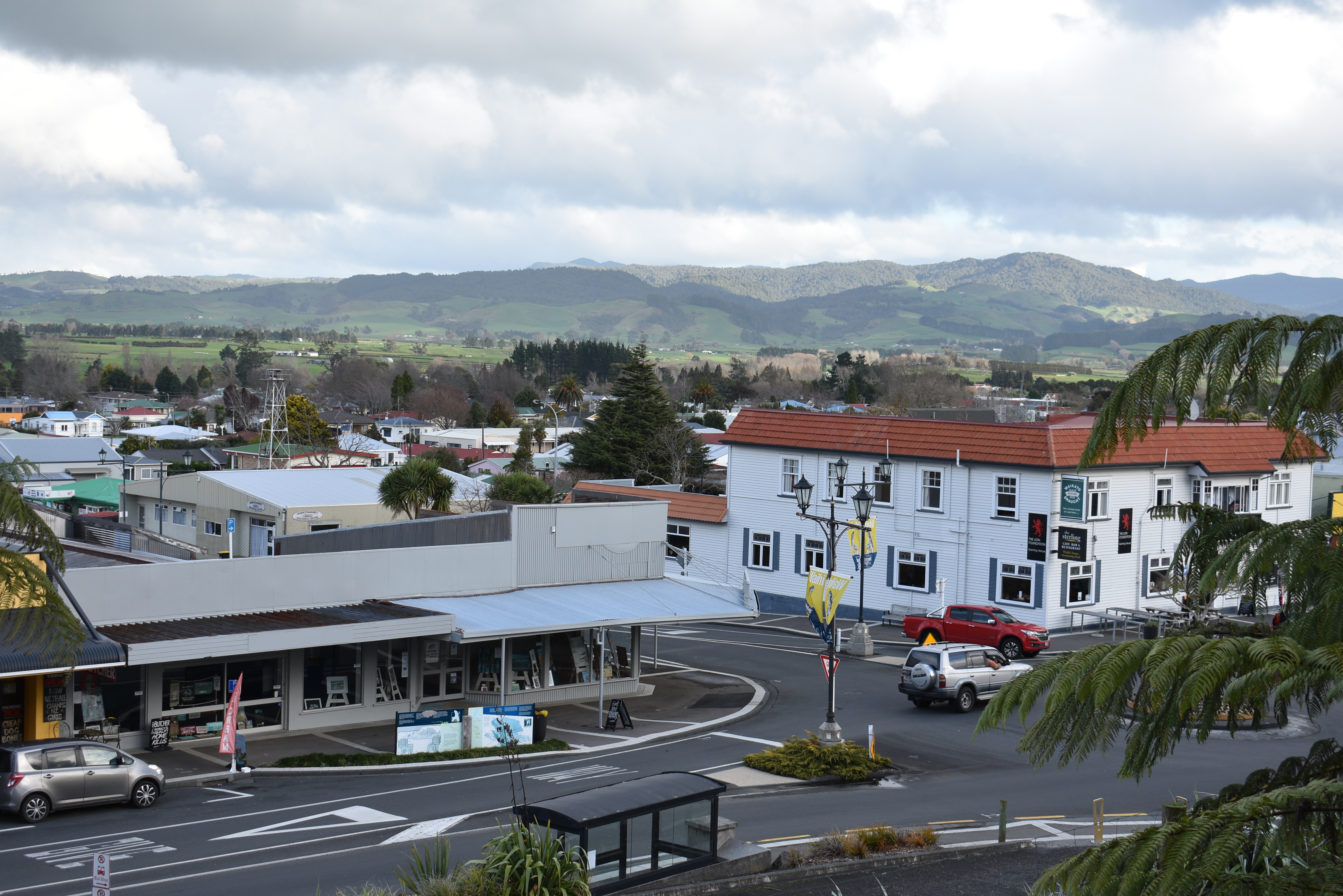
View of Waihi town
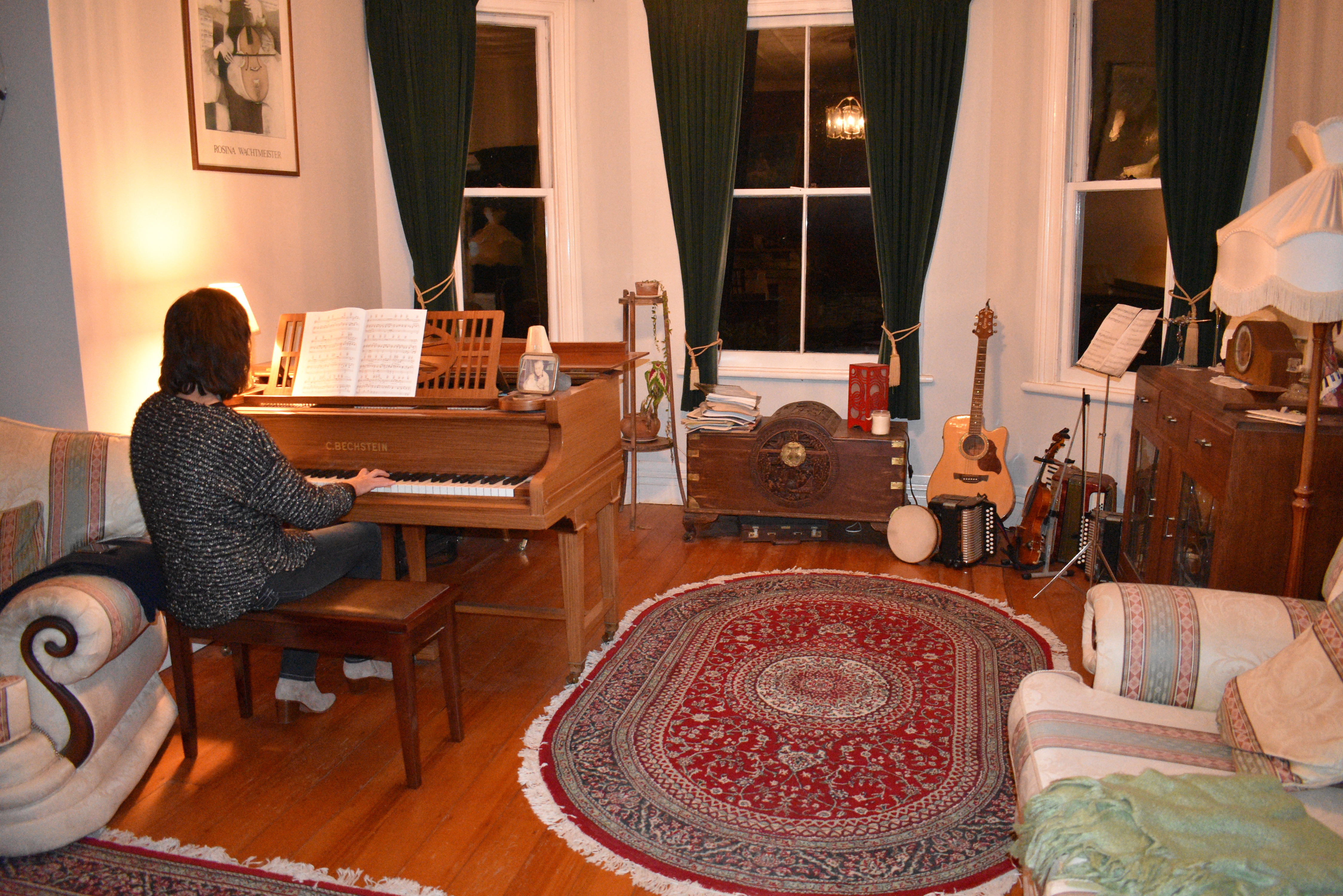
I went to meet up with Julie for a lift to her home and on the way she drove me around the town to orientate me. She admitted she was nervous and was keen to get things right. Being her first guest she’d got some little bottles of Prosecco to celebrate, I’d bought some nibbles, and we enjoyed a very open and frank conversation in her music room/lounge in front of her wood burner. That and a wood burner in the lounge off the kitchen/diner was the only form of heating and my bedroom and bathroom were freezing. There was, fortunately, an electric blanket on the bed so that was toasty. Julie and I had a lot in common and it was great for me to have her company and a proper talk.
Despite her full time job Julie teaches piano some evenings, is a tour guide (as and when) for http://www.toursbylocals.com which I hadn’t heard about but worth knowing, sometimes accompanies singers/instrumentalists, does the odd gig with a band playing keyboards and keeps the books for her partner, Lee, who lives in Auckland. She told me she decided to have a go at Airbnb for company!
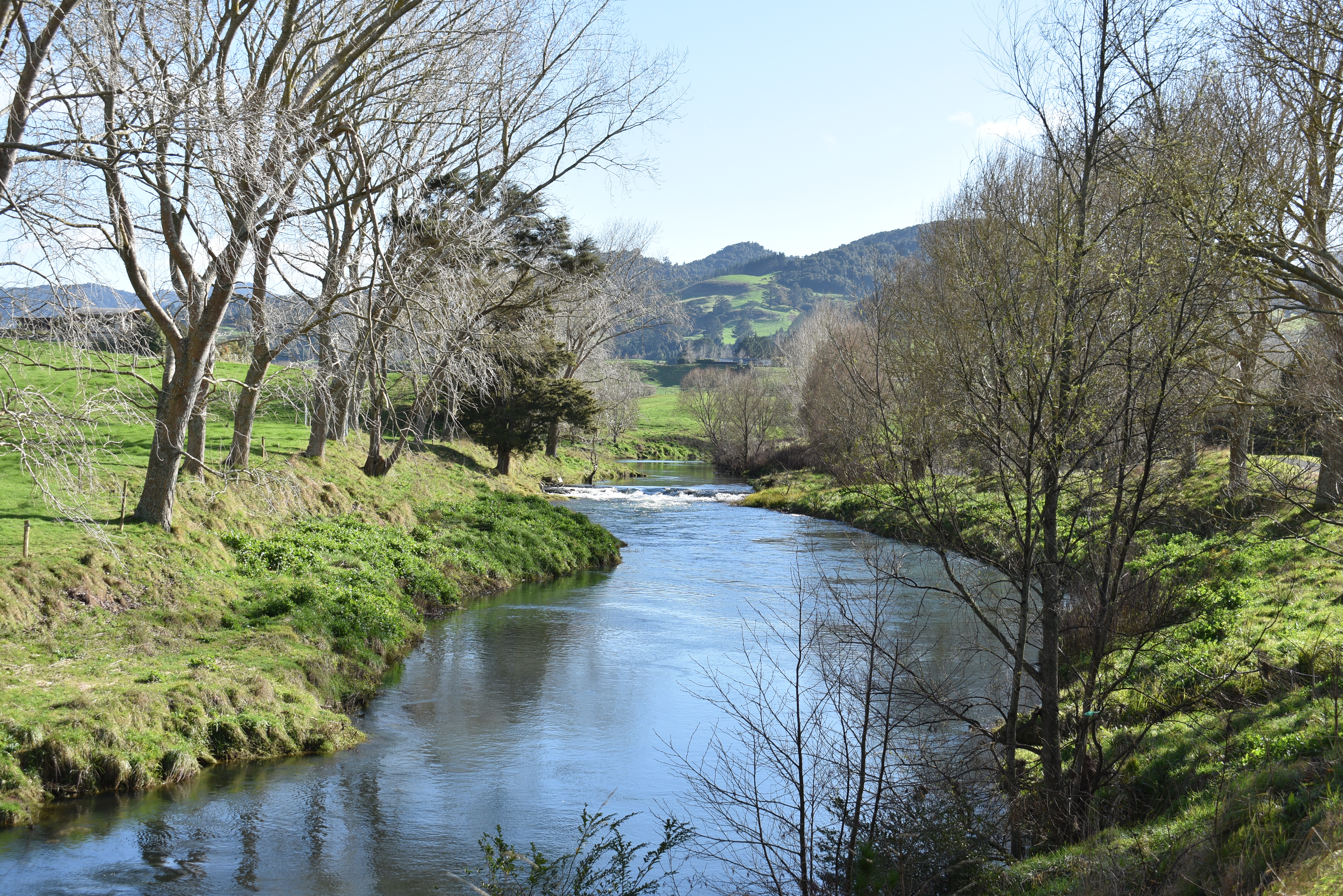
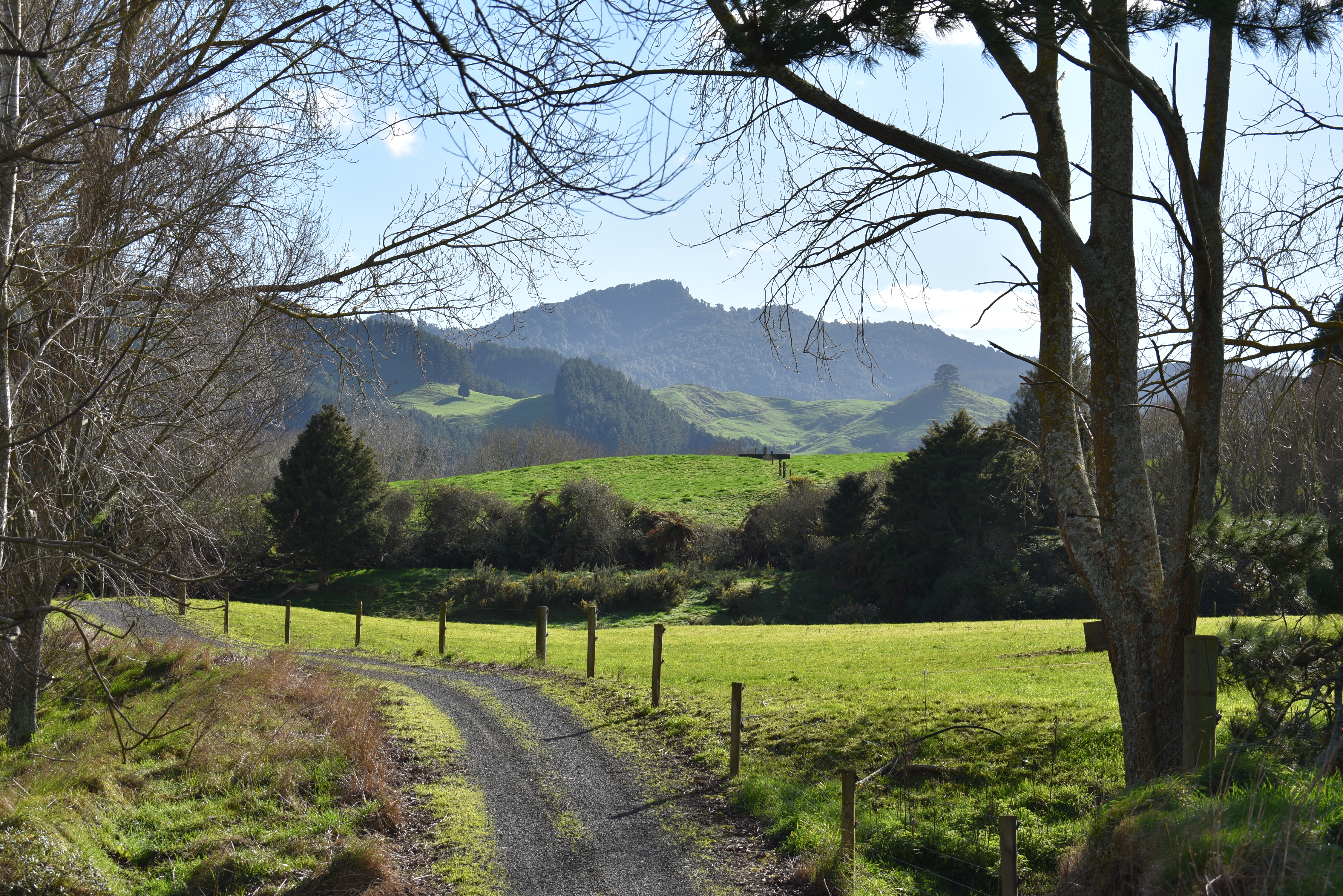
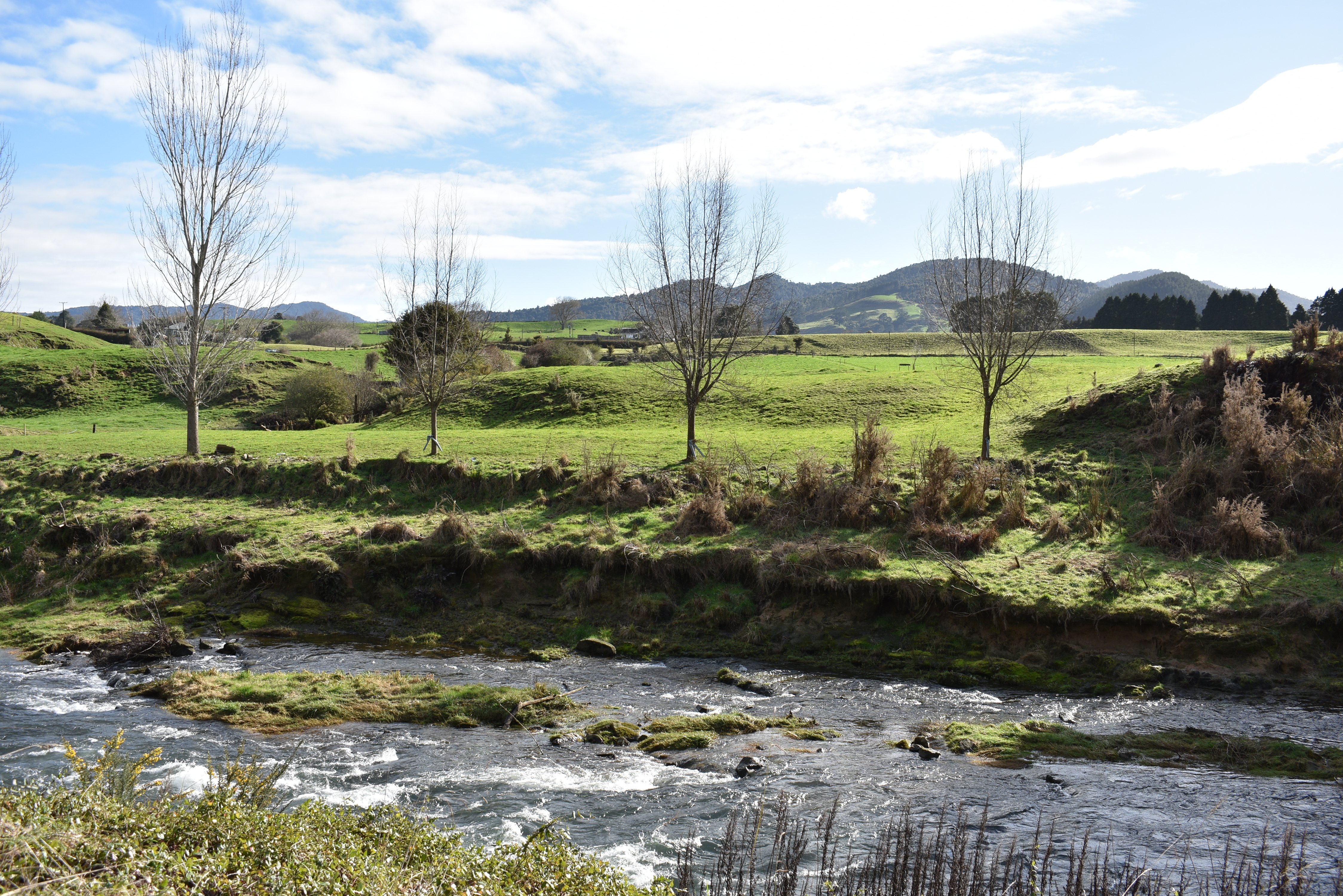
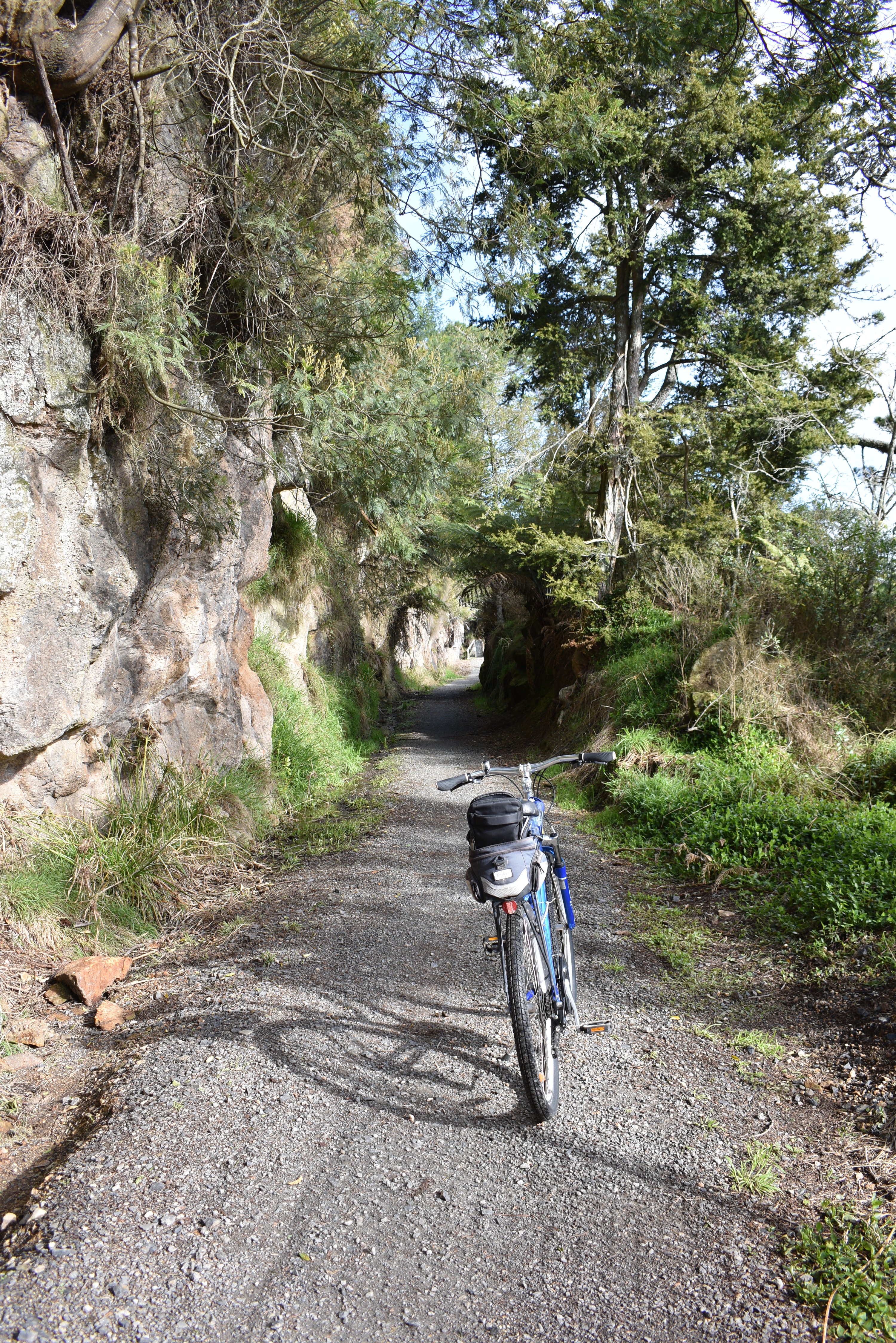
The next day I’d decided to hire a bicycle to ride the Hauraki Rail Trail, one of the easiest cycle trails in the country, cycling the section from Waihi to Paeroa, 24 km each way. The whole trail runs from Thames and south to Te Aroha with the section Waihi to Paeroa (pronounced Pie-rower) branching off east. The trail uses parts of the abandoned ECMT (East Coast Main Trunk) and Thames branch railways, there is also a small section of railway where you can ride a diesel train from Waihi to Waikino.
I took my time, stopping regularly to take photos and enjoy the views. Whilst it was mainly sunny all day it was also quite chilly. I was glad I’d packed my cycling shorts which I wore under running trousers as expected to have a numb bum having not cycled for at least 9 months. The trail follows the Ohinemuri river, through lovely countryside and the picturesque Karangahake Gorge (where there are some nice walks, which I’m saving for another time), over a historic rail road bridge and through a 1km rail tunnel which I was glad to get out of (it was dimly lit and cold, plus I dislike tunnels) and passing the Victoria Battery where there are historic mining relics and a museum, which was closed. Fair enough, I only passed about 5 others cyclists throughout the day.
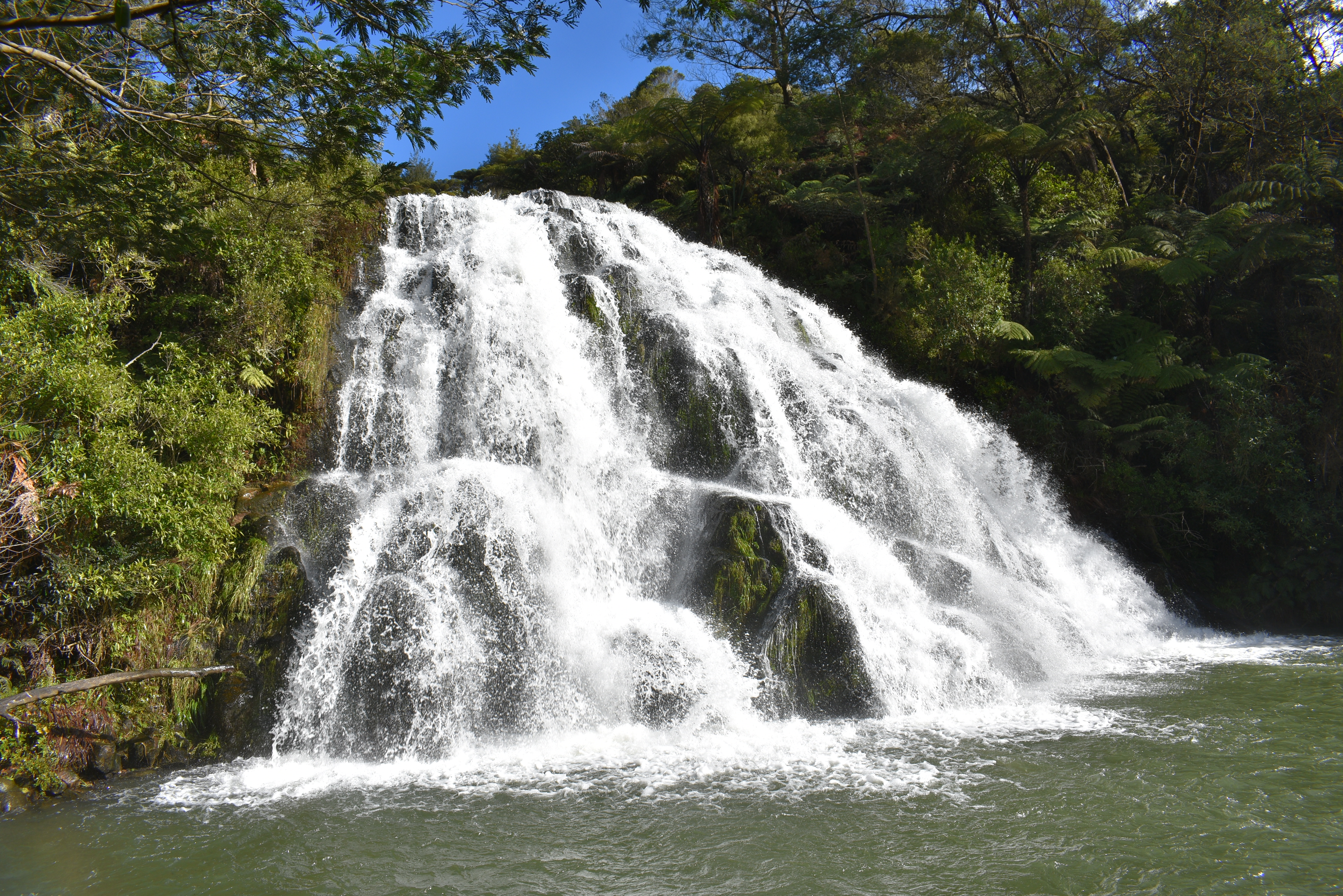
Some of the views en route to Paeroa. The waterfall is the Owharoa waterfall:
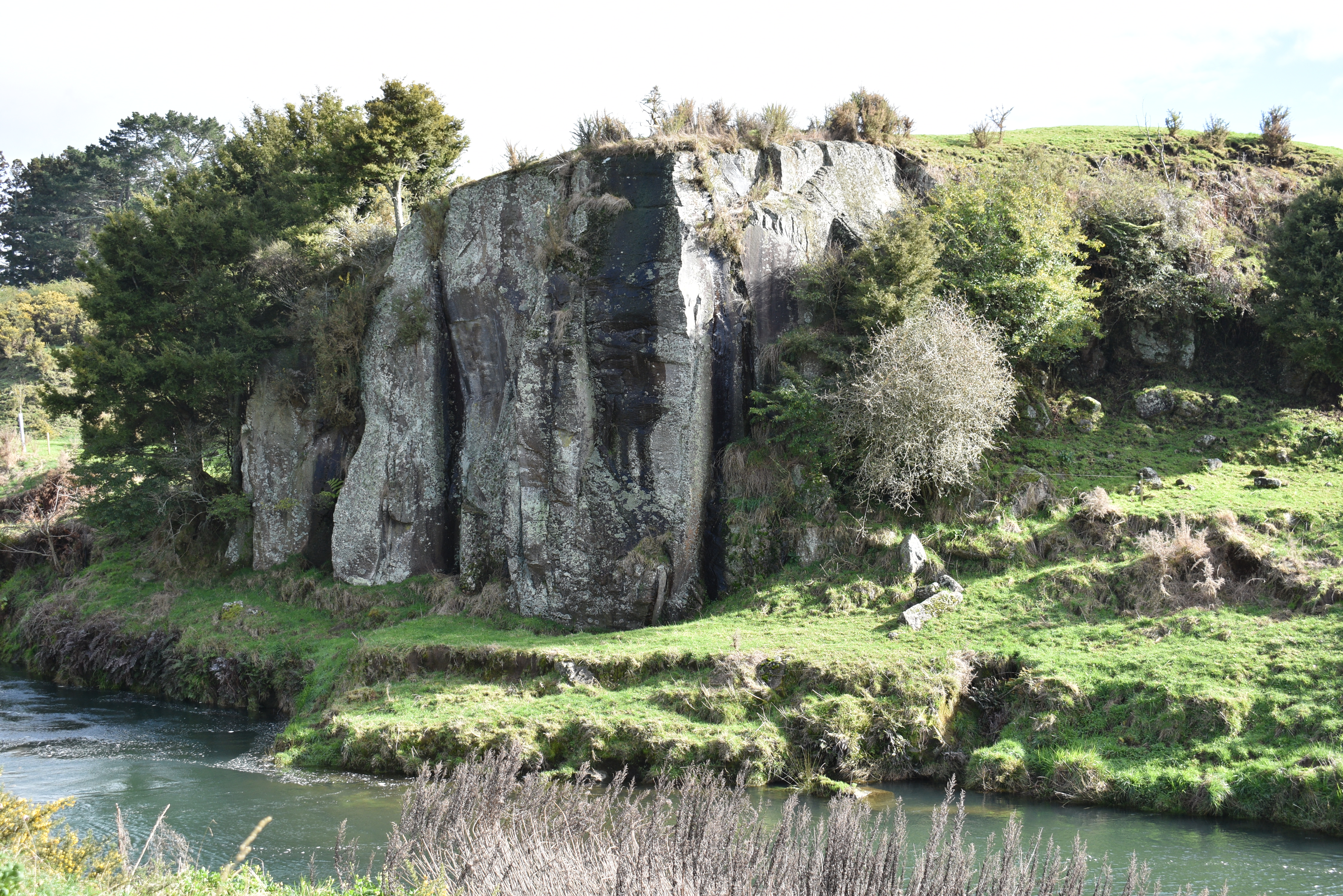
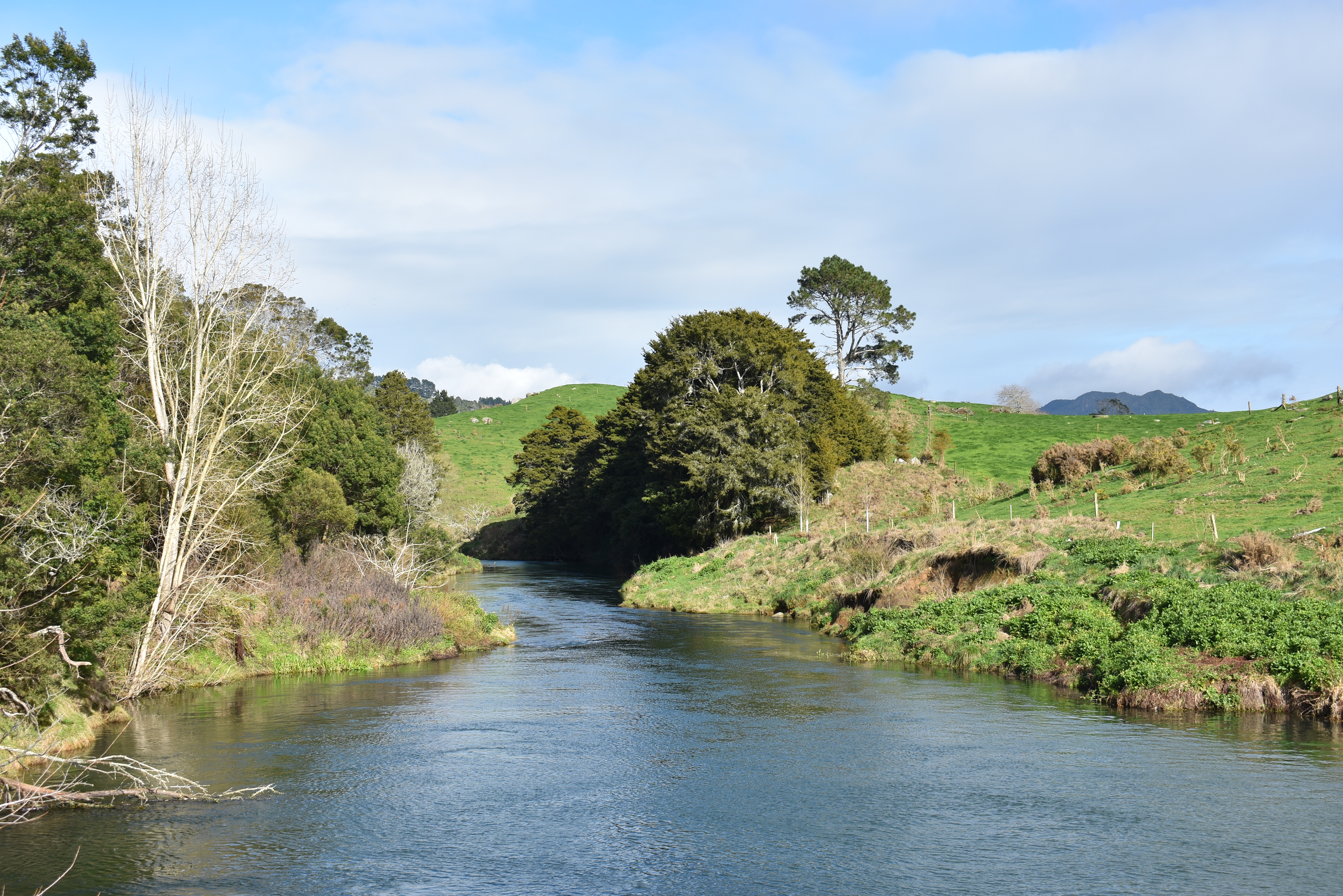
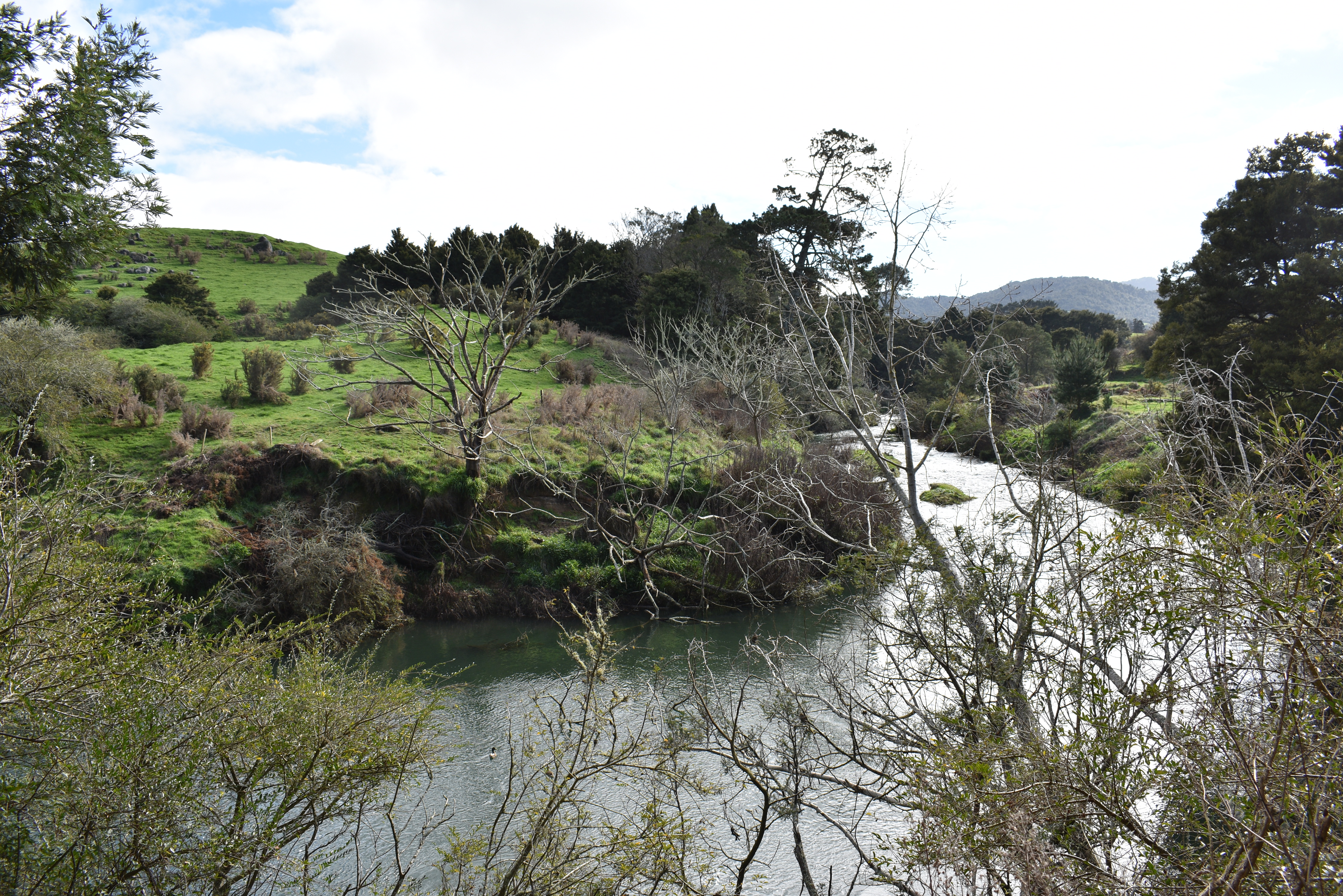
Ore was transported from Martha Mine to the Victoria Battery, in Waikino (8 miles east) where ample water was available, by the mining company’s 2 foot 9 gauge ‘Rake’ line in 40 wagons each loaded with 1 ton of quartz and pulled by one of 6 English-built steam locomotives. Between 1897 and 1901 the ore was first tipped into large brick-line ore roasting kilns where alternate layers of 50 tons of native timber and ore were stacked into the 8 kilns and burnt for a few days. The ore and ash were then transported to crushers, stampers, tube mills and agitation tanks for cyanide treatment. The remainder was returned to Waihi for further treatment resulting in gold and silver bars being poured. After 1901 the kilns became redundant due to the huge consumption of timber (a ton of timber per ton of ore) which was deforesting the area, and a wet crushing process was introduced.
Remains of the battery:
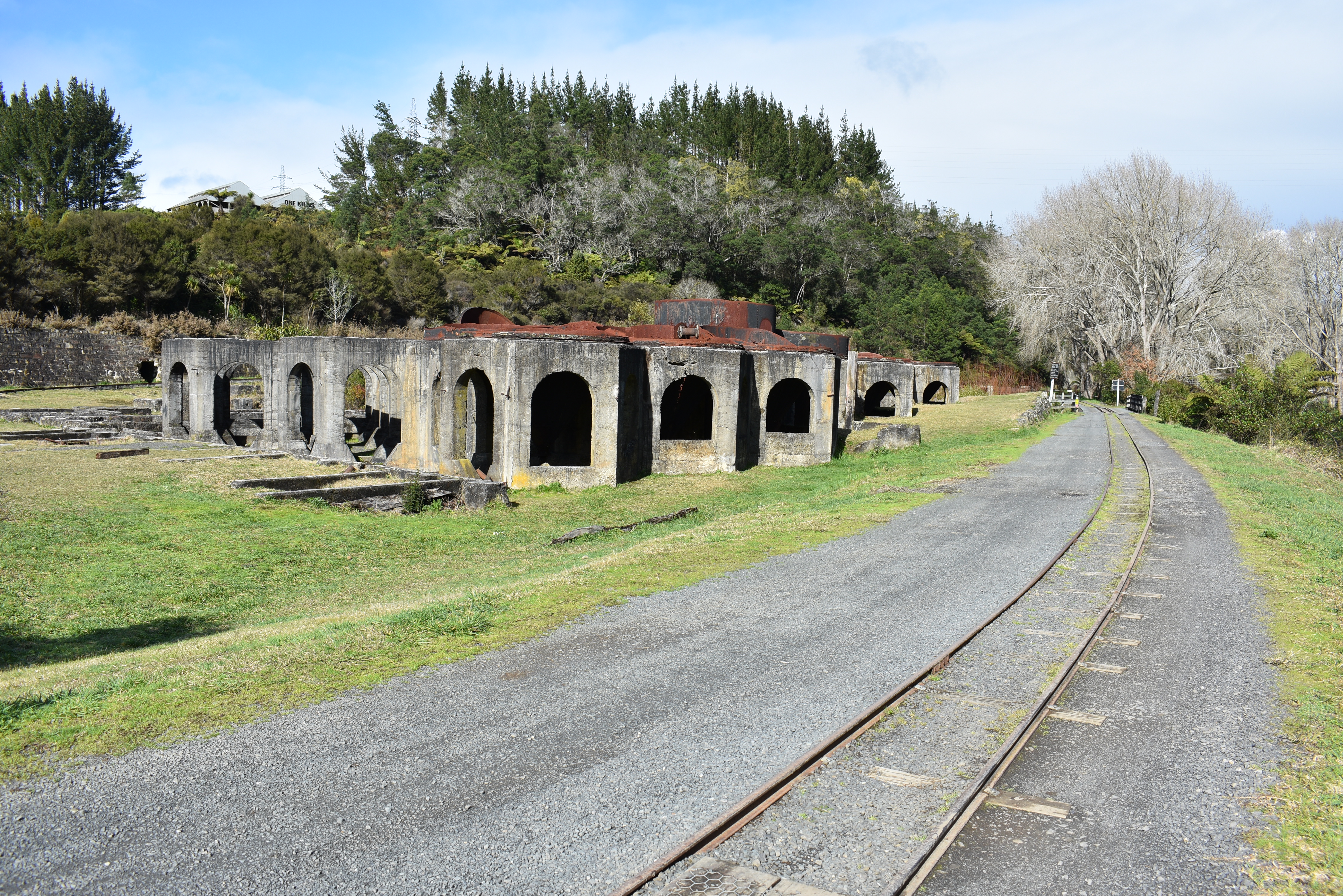
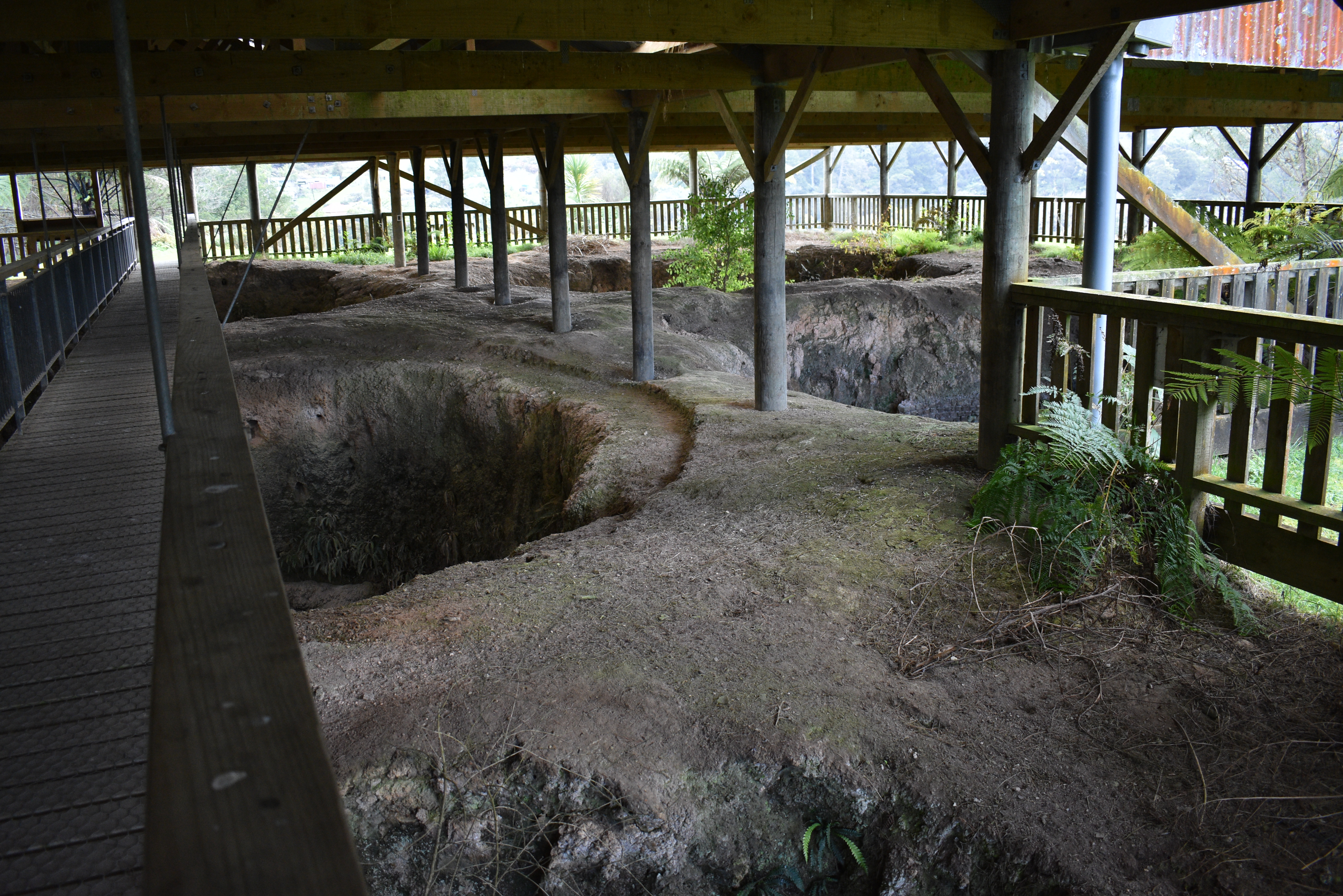
Ore kilns 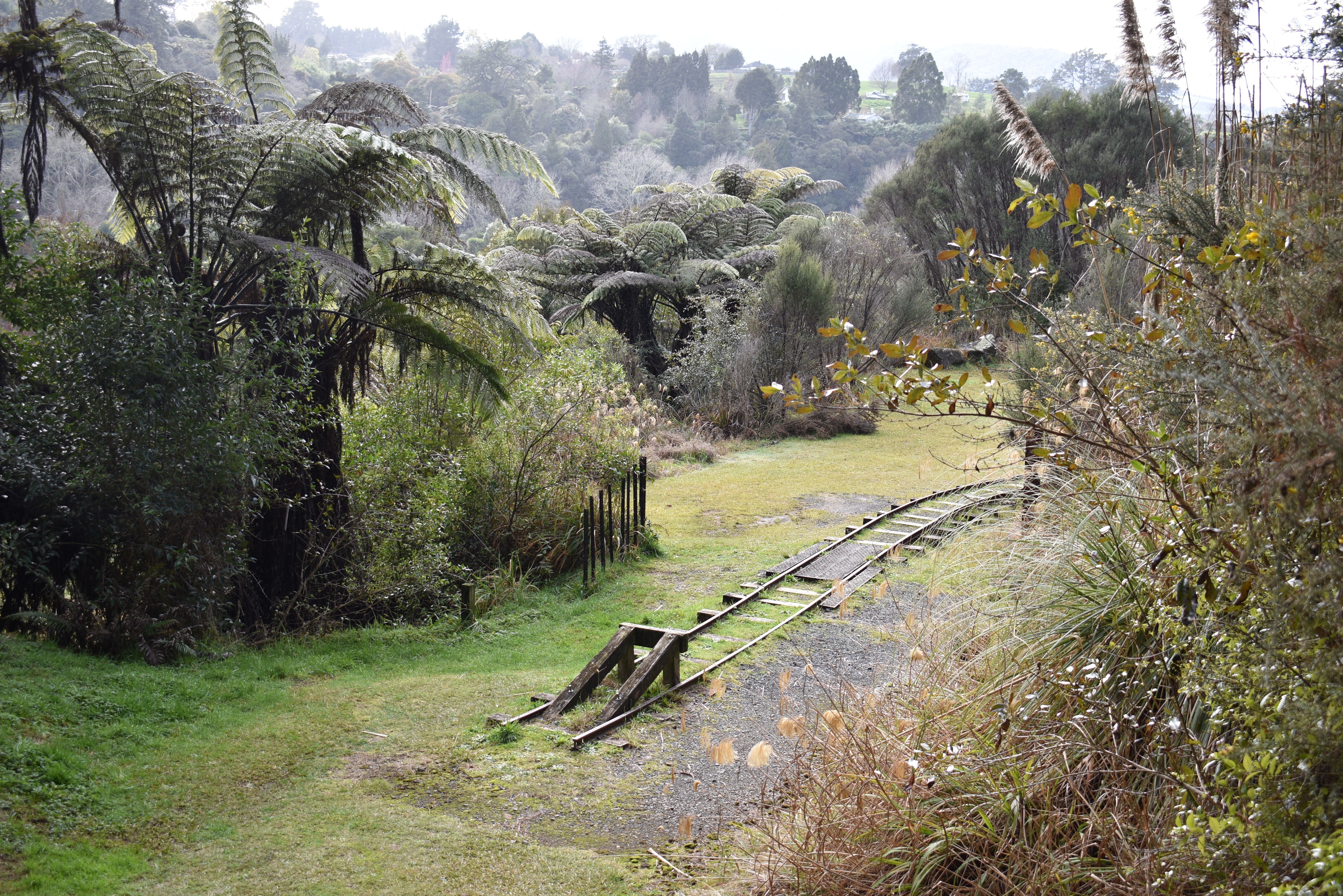
The workers went on a bitter and violent strike in 1912 owing to poor wages and living conditions, which led to a radical Labour movement that eventually became part of the NZ Labour Party in Parliament.
I arrived at Paeroa feeling rather jaded as, having not cycled for about 9 months, it proved harder than expected also the path was gravel. On the recommendation of a lady in the i-site office (tourist information) I had lunch in ‘The Refinery’ which was quite retro and had a nice ambience and menu. I was rather chilly so chose a bowl of soup and pot of tea, after which I decided to cycle straight back without making so many stops. It did seem easier going back so hopefully I’ve partially regained my cycling legs.

The Refinery 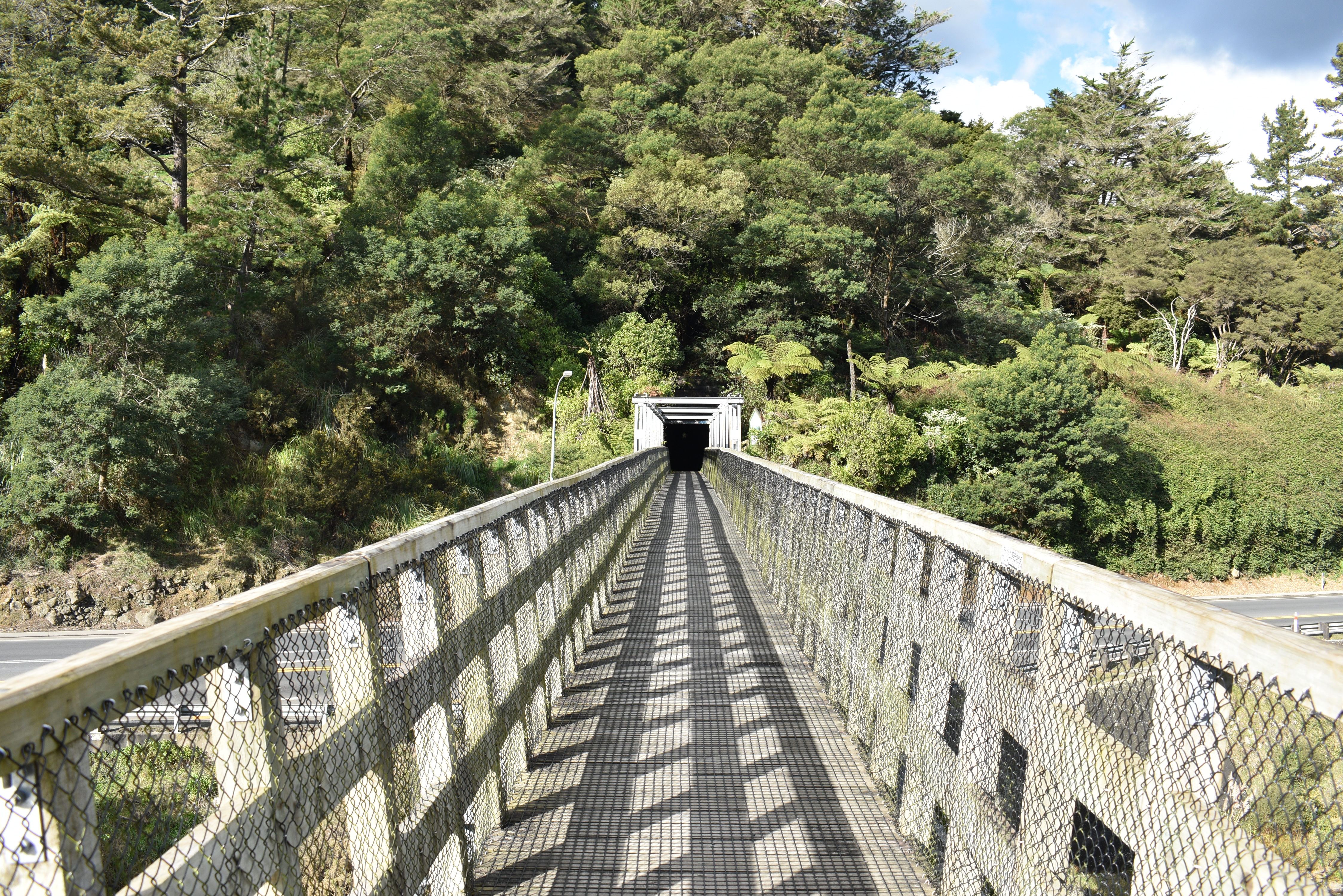
Ohinermuri River bridge
That evening I went out to dinner with Julie at Waihi’s RSA (Returned Servicemen Association) club. Most towns have one and they are often good places to eat. While they’re primarily for members, anyone else can go in – you just have to fill in a form. The bar was cheap and I enjoyed fish and chips again (twice in a week – very unusual for me!) followed by apple crumble. At 7pm the lights were switched off, a cross on a wall was lit up and everyone stood up when a woman told us it was the time to remember those who gave their lives for us. She recited the well known stanza from Laurence Binyon’s ‘For The Fallen’ 1st World War poem: “They shall not grow old, as we that are left grow old: Age shall not weary them, nor the years condemn. At the going down of the sun and in the morning, we will remember them” at which point everyone repeated “we will remember them”. I admit it brought a tear, and understand this happens in the clubs regularly, not just once a year.
Next day, Friday 2nd August, I’d booked a bus leaving Waihi for Tauranga (pronounced ‘Tour wronger’) at 3.10pm so took my time getting ready. I was able to leave my case at Julie’s workplace again and went to the museum. Again, an excellent volunteer called Maggie gave me an introductory talk and I checked out the small museum which was in the main about gold mining and included a video of interviews with retired miners, since deceased, a model of the mine in its heyday and some lovely old photos. I learnt that a lot of the miners who had made the tunnels signed up for action in the First World War and were used to dig tunnels then.
I checked out another cafe called the Ti-Tree Cafe for lunch, a popular little place. Most of the towns in the Coromandel Peninsula seem to have lots of cafes, antique shops and ‘Op shops’ (charity shops) although they haven’t learnt how to do nice window displays here yet – perhaps they need Mary Portas to train them.
The bus was 10 minutes late and the bus driver not overly friendly. It had started raining and got worse. I was rather perturbed as the driver seemed to be going too fast for the conditions, probably to make up time. After 30 minutes and 15 minutes from my destination, Te Puna just before Tauranga, traffic came to a standstill and eventually we were told there was a 4 car pile-up. I got in contact with Jenny (houseowner of the housesit I was going to) who was waiting for me at the bus stop. There were police cars and an ambulance travelling from her direction, two fire engines and recovery vehicles from mine so assumed it was serious. We were told it could be 3 hours before the road was cleared so I suggested Jenny went home and I’d let her know when we moved. In the end it took 90 minutes and we discovered a person had been trapped in one of the 3 cars (not 4) and gone to hospital with serious injuries. A lady in the bus told me that road (state highway 2) is notorious for accidents and I just thanked my lucky stars that we hadn’t been involved in it, given the speed the driver had been doing.
Anyway, Jenny picked me up and took me to her home, Hacienda Suri Alpaca Stud, at the top of Whakamarama Rd which is about 10km long. By the way, ‘Wh’ in New Zealand is pronounced ‘F’ so you can work out how embarrassing the name of the road is!
I was introduced to the rest of the family: Jenny’s husband Pete and their two daughters Ivy, 9, and Cora, 8. They were very sociable as are used to Airbnb guests (my bedroom) and ‘workaway’ people in the summer. Jenny who like me doesn’t eat meat provided us with pasta with roast vegetables whilst Pete and the girls had pasta with meat……alpaca!
 NeverSayNeverNomad